Fixtures, nests, and fitting kits for the InkFlow Station, built for South African lines, from germ-prone Durban to Highveld shopfloors. We show you what works, what fails, and how to spec it honestly.
Use Cases · Notes · Contact us.
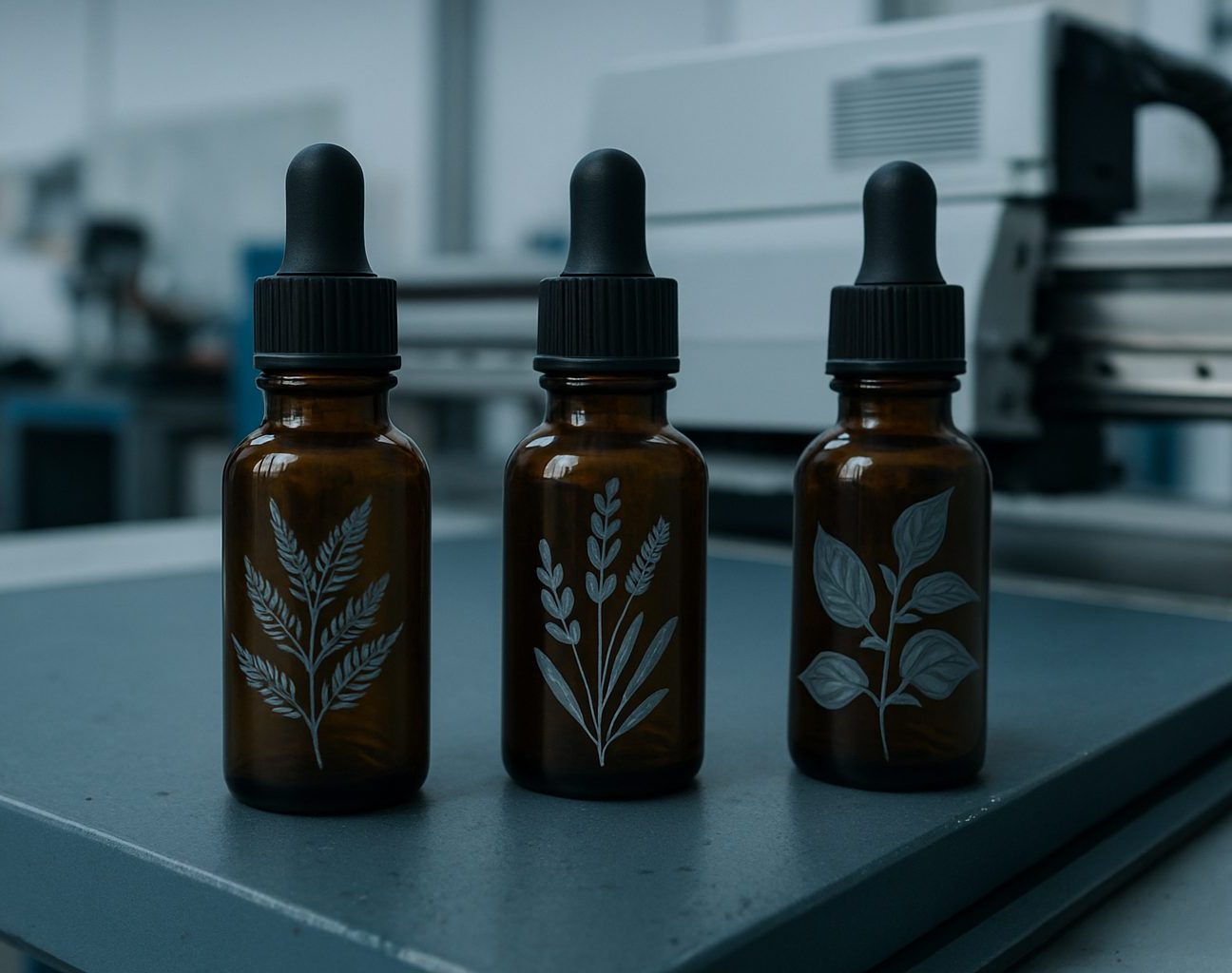
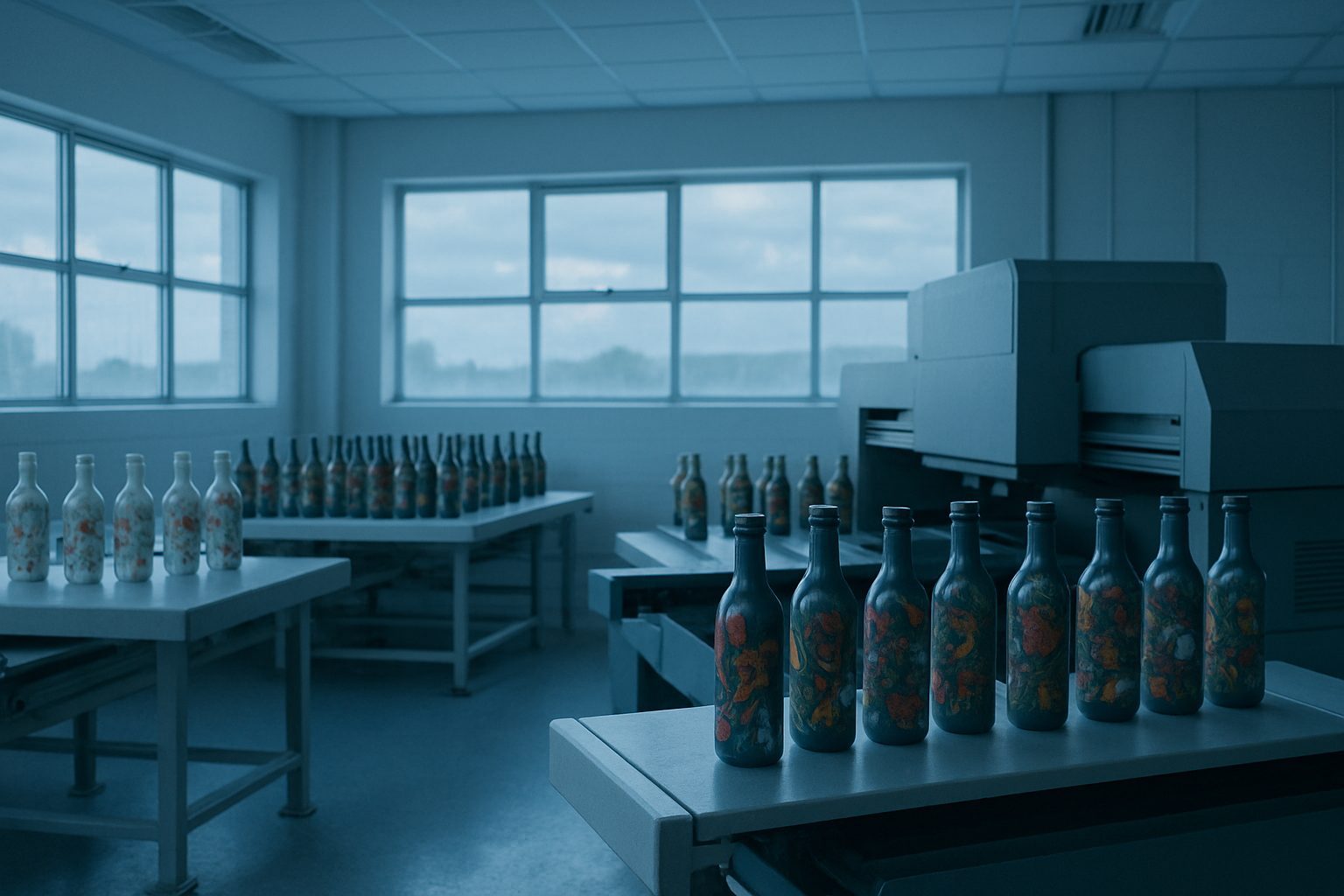
InkFlow Station fixtures and fitting kits are made to lock in the consistent, repeatable results that keep South African bottlers out of rework. These are not universal jigs from a catalogue, they are tailored racks, nests or holding rigs that match the exact finish, shape or cap profile you run. If you operate small-batch glass, aluminium, or PET lines in Gauteng or a coastal promo shop in Gqeberha, the right fixture keeps your bottle stable throughout the UV print. This cuts handling errors, uneven ink laydown, and downtime rebuilding setups. These fixtures suit operators who change bottle types often or need to meet both promo and shelf-ready specs. If you print only one bottle size all year, a permanent rack or basic clamp may do. If your ranges shift by the month, custom nests usually pay off.
Fixtures here are built to handle real local quirks: Highveld dust, three-phase hum, quick operator swaps, and the odd Eskom outage mid-run. Most local teams rely on nests that drop straight into the InkFlow Station, lined to protect painted or printed finishes. Some shops in Durban add anti-humidity spacers to cut ink lift in the summer. Workflow is straightforward. Before each run, the bench team checks the fixture for wear or misalignment, gives it a wipe to remove grit, and confirms it matches the day’s bottle spec. If a design changes mid-season, our team will help you adjust or swap inserts instead of overhauling the whole rack. No need for a specialist on site, one operator with a set of photos can usually fit, test, and rotate a nest within twenty minutes.
Custom fixtures are not for every bottler. If you only print short promos with ten or twenty units, it is hard to justify the setup. Likewise, if your workshop layout shifts weekly or you rely on borrowed bench space, a permanent rig causes more hassle than it saves. Some lines in small towns run hand-fed bottles with odd lips or heritage caps, in those cases, simple cradle racks or rapid-tape workarounds suit better than a purpose-made fixture. If you struggle for storage, large nests can slow you down unless you plan a rack rotation.
The best results start with an honest constraint. Before picking a fixture, list your bottle shapes, planned finishes, how many runs you average, and what causes downtime. Photos of your bench, the floor and any quirks (like sloped tiles or wall taps) help us match the right rig. If you rely on casual operators or work in municipal spaces with shifting plug points or 230 V boards, let us know upfront. When a spec is loose, we usually suggest a simpler fixture, flashier options can clog up when parts go missing. Try to get input from your bench team or whoever will clean and swap racks after every run.
For quotes and practical advice, send a message through our contact form. Attach photos, your town, and any timing window you are working towards. If you have a drawing set or sample bottle, include that even if it is dusty. We keep simple notes on what tripped teams on similar briefs last season and will flag common mistakes before you commit.
A craft distillery in Bloemfontein needed a fixture for switching between a 500 ml glass bottle and a short-run PET promo bottle. The operator sent photos showing a low shelf, basic three-phase supply, and a bench with a tiled lip. We suggested a lined nest with removable inserts, easy to clean and fit by hand. The operator could swap between bottle types without tools, and the same rack survived Highveld dust and a few bumpy trips by courier. This kept ink finishes sharp, and the shop could manage extra promo runs before the next catalogue order landed.
Browse the InkFlow Station specifications for technical limits, or see related use-cases for more practical examples.
Picking a fixture by finish alone, or copying a friend’s rig from another suburb, tends to cost more in rush fees and lost time. Over-specifying with too many moving parts leads to stuck bottles or lost inserts, especially in busy print shops. Not allowing for real site quirks, like unreliable power or dust, can shorten the fixture’s life. Always plan for the operator who will move or clean the rig, not just the one who orders it. And if your bottle supply or finish changes every quarter, tell us. We will advise whether to hold off on a custom order or start with a basic adaptable rig.
Verified Google reviews
Our contact form · Sunnyrock applications lab