Notes
Notes from Sunnyrock cover real fixes and learnings from the bottle floor in Germiston. Use these guides to avoid common errors with PET, glass, closures, and short-run lines.
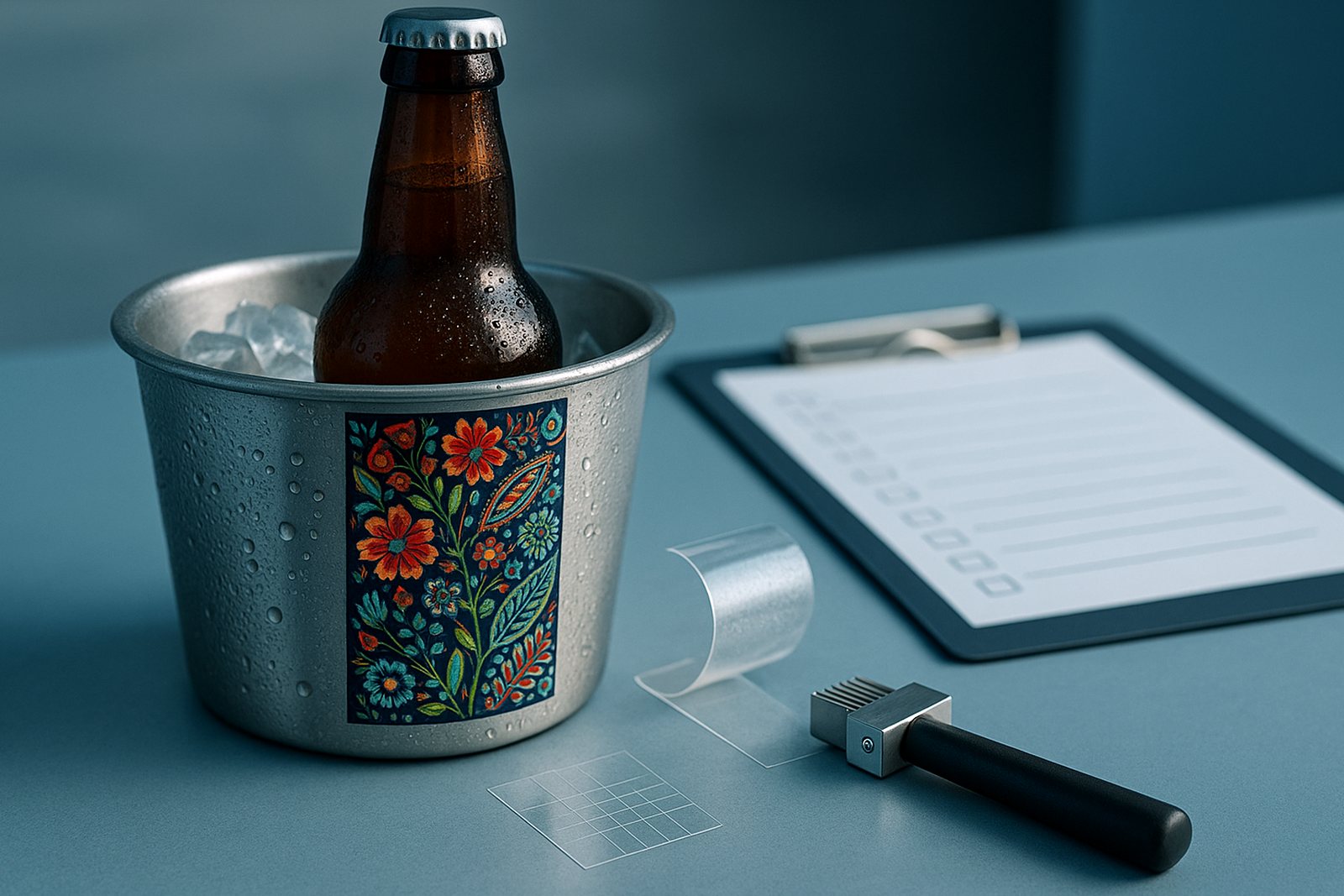
Tape, rub, ice bucket and fridge checks that catch lifting ink before stock ships.
Read →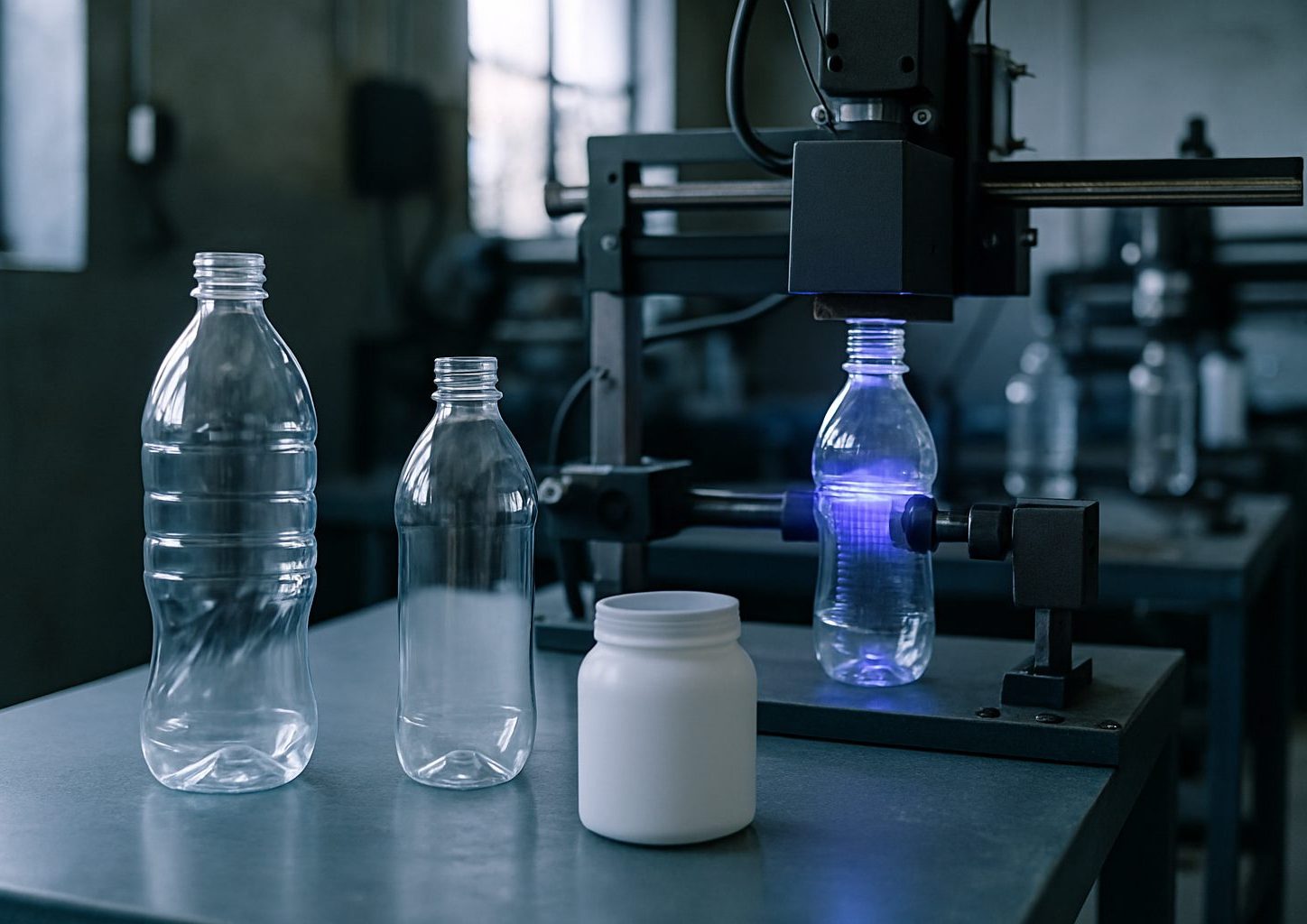
Why craft teams lose adhesion on clear PET without a logged cure window.
Read →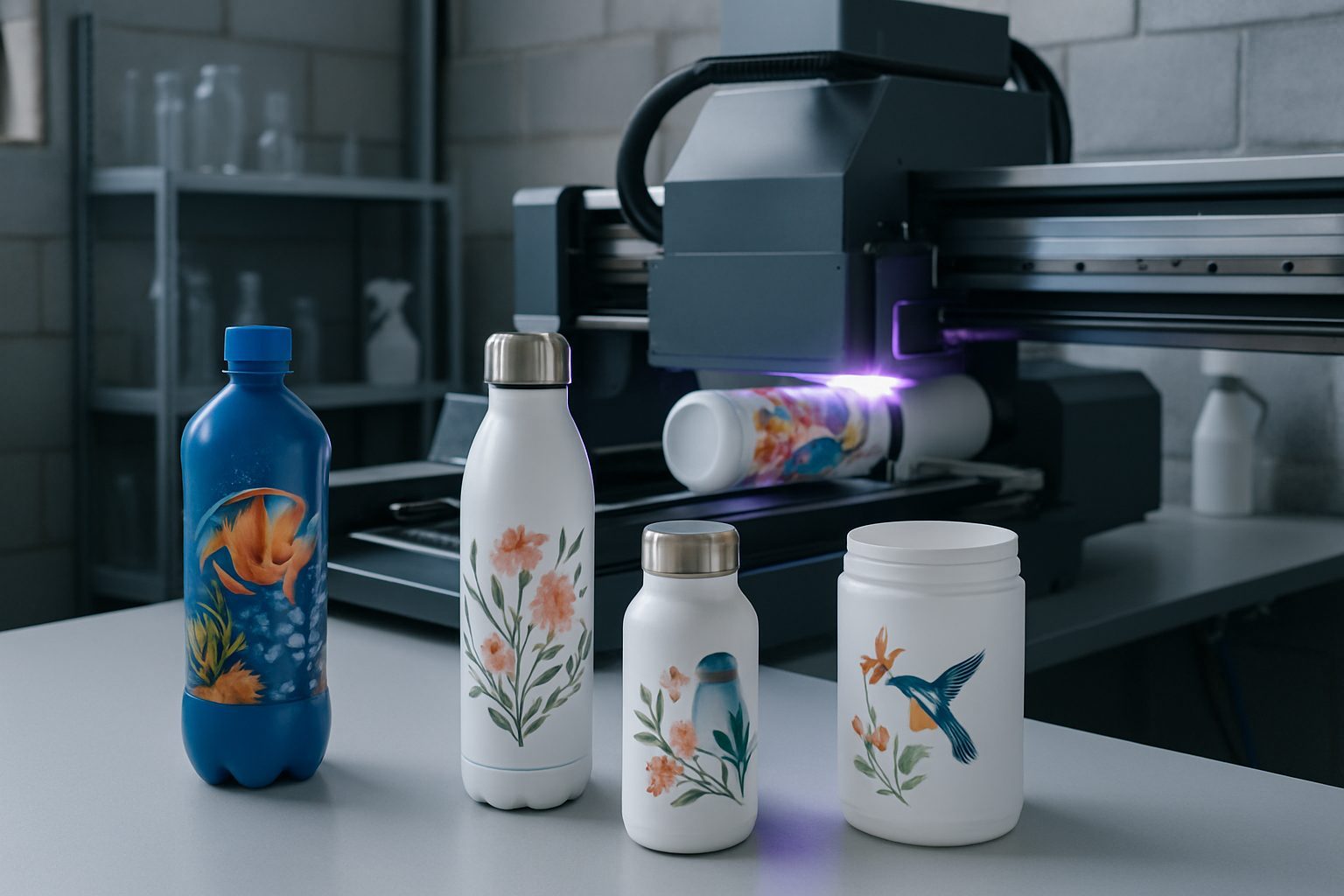
How Flat Panel Bench and CapPrint Bench keep lids and tags in the same brand language.
Read →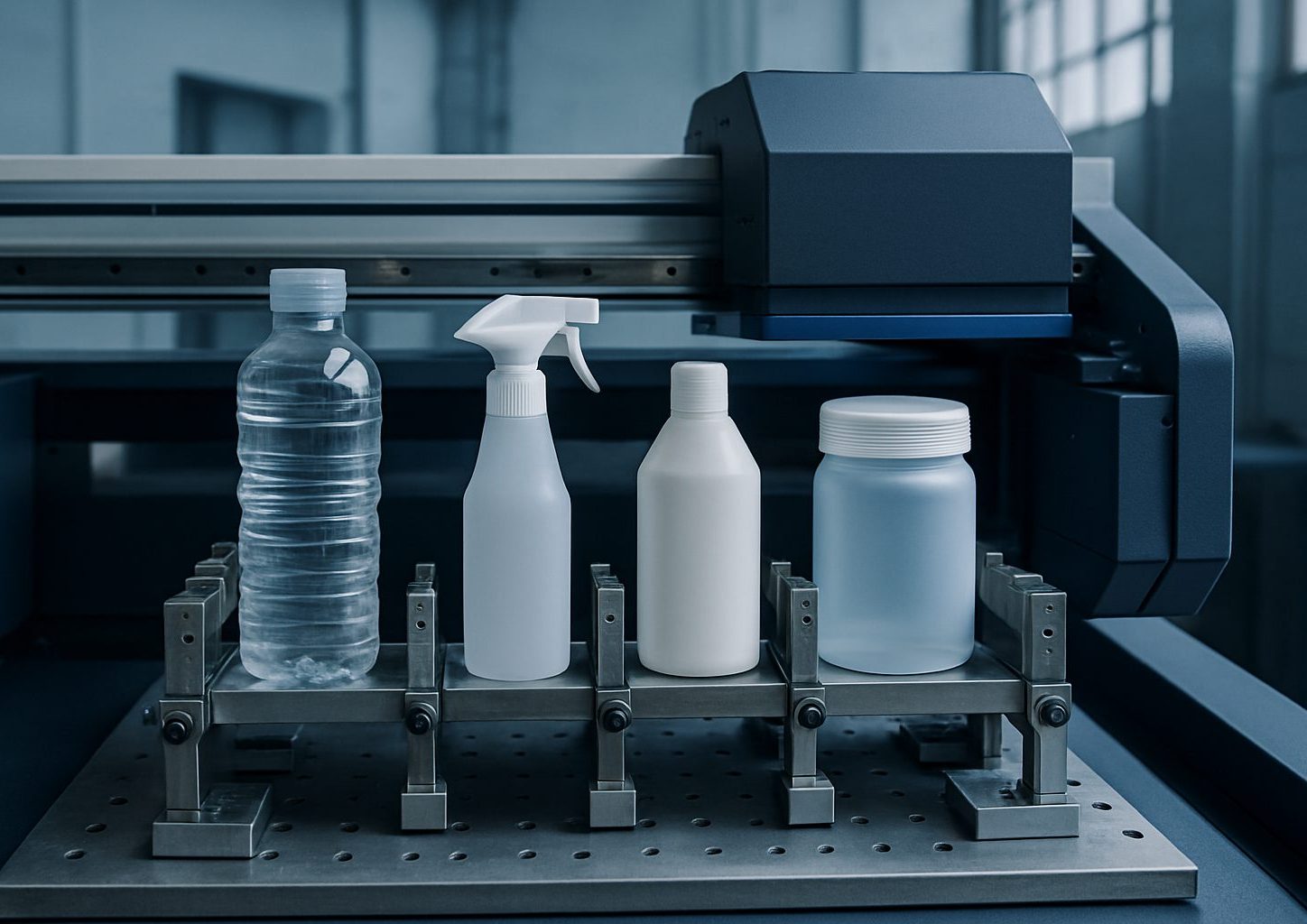
Soft jaws and GlassGuard Soft pads that stop scuffs before UV starts.
Read →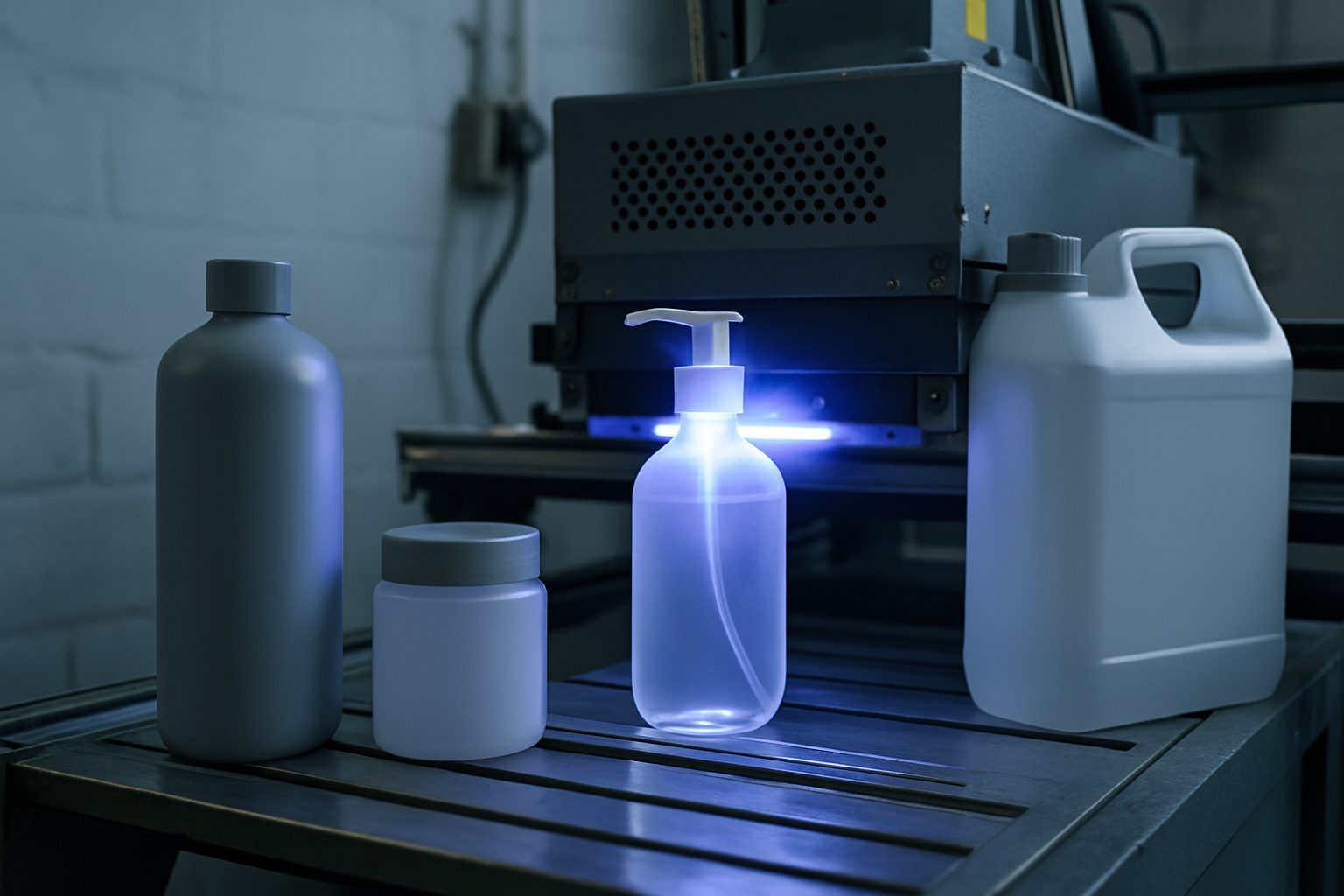
How CureCheck Lab stops glossy bottles from delaminating on the N3.
Read →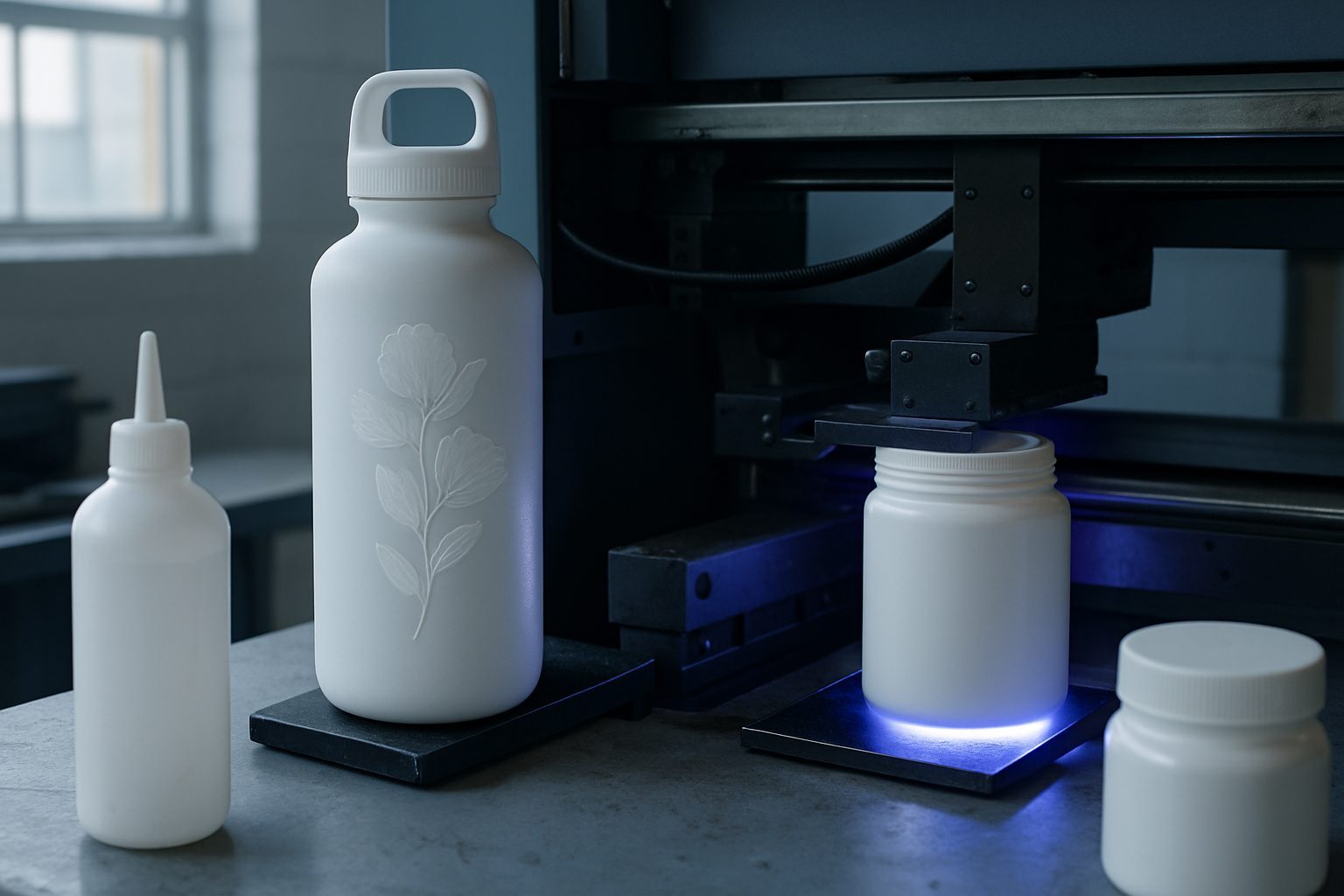
InkFlow Station settings that keep white dense without chalking on PET.
Read →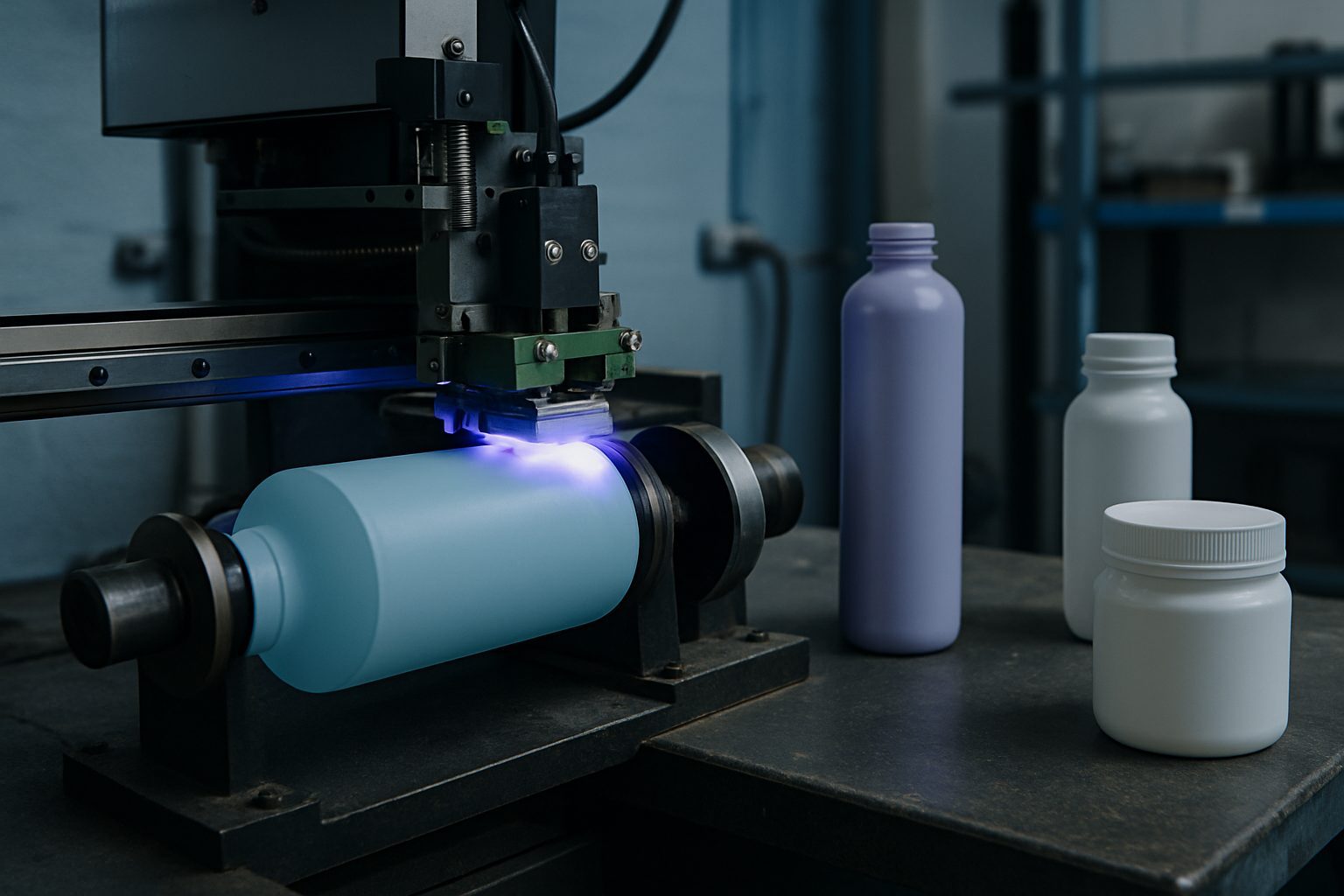
SleeveAlign Assist when shrink sleeves and UV art share a bottle.
Read →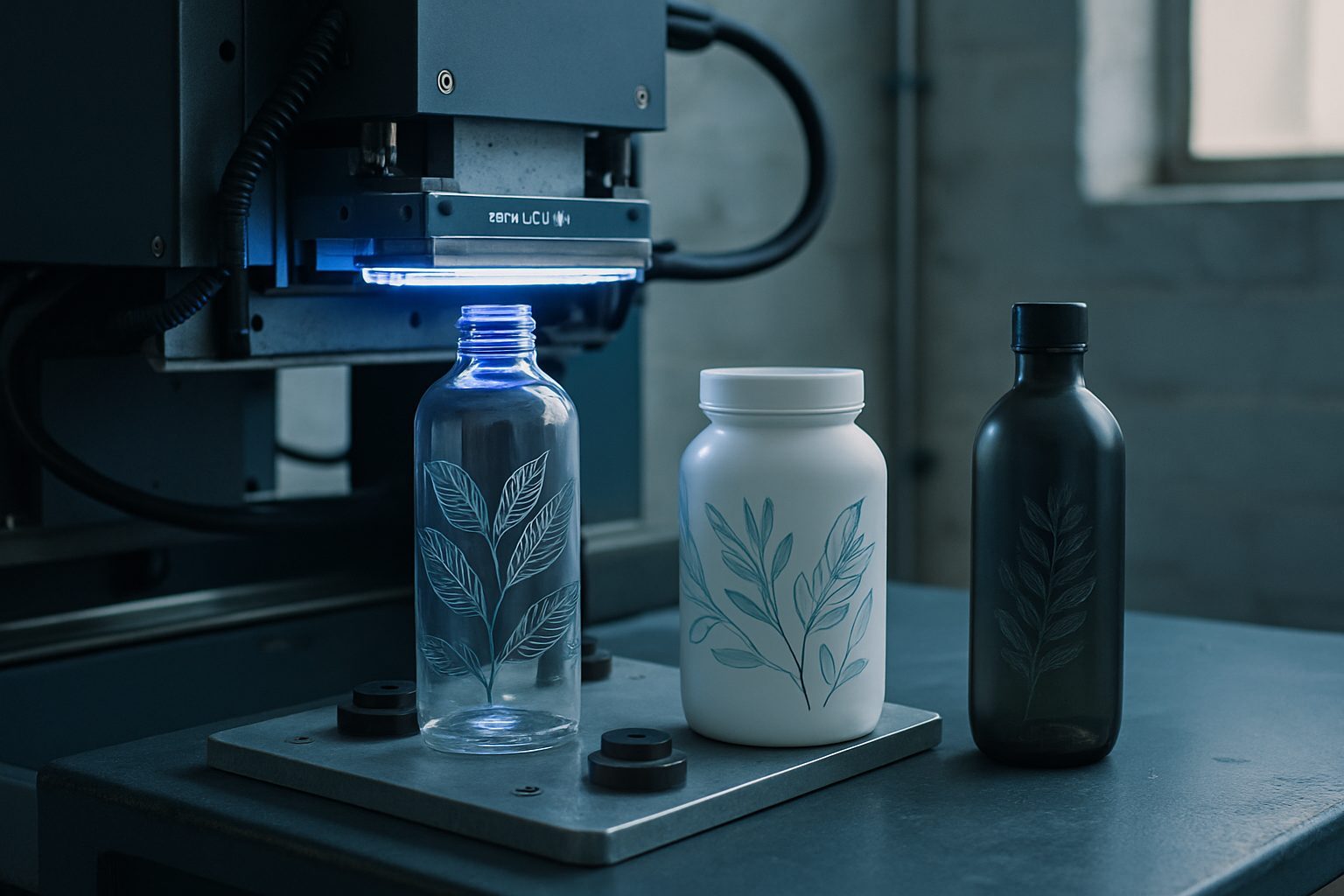
When MiniLine Compact beats outsourcing limited editions.
Read →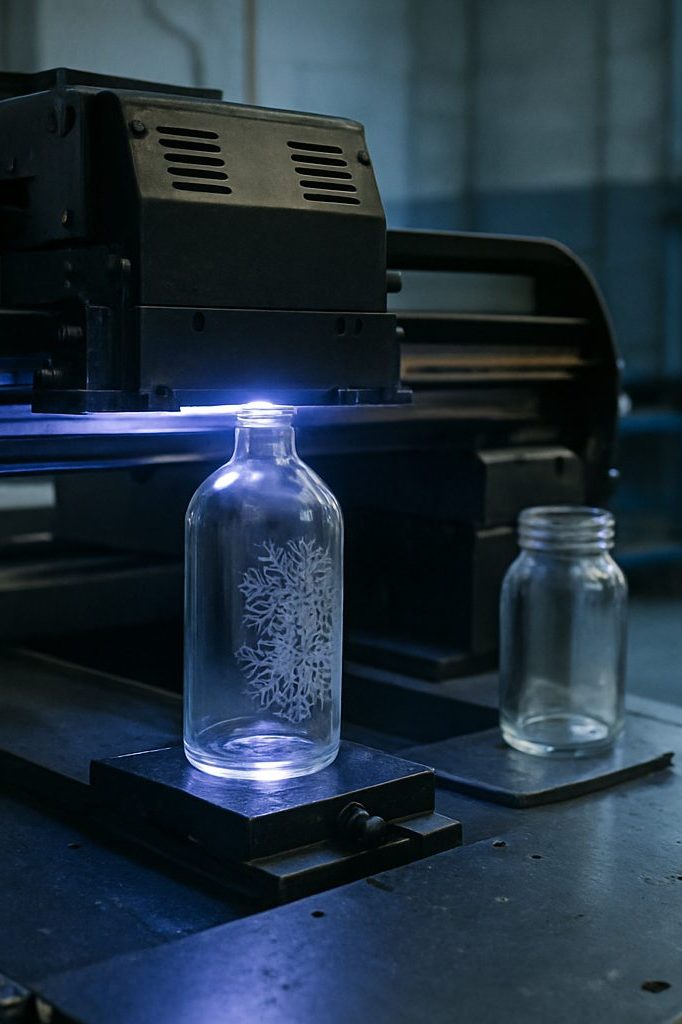
GlassGuard Soft rails for spirits and estate wine bottles.
Read →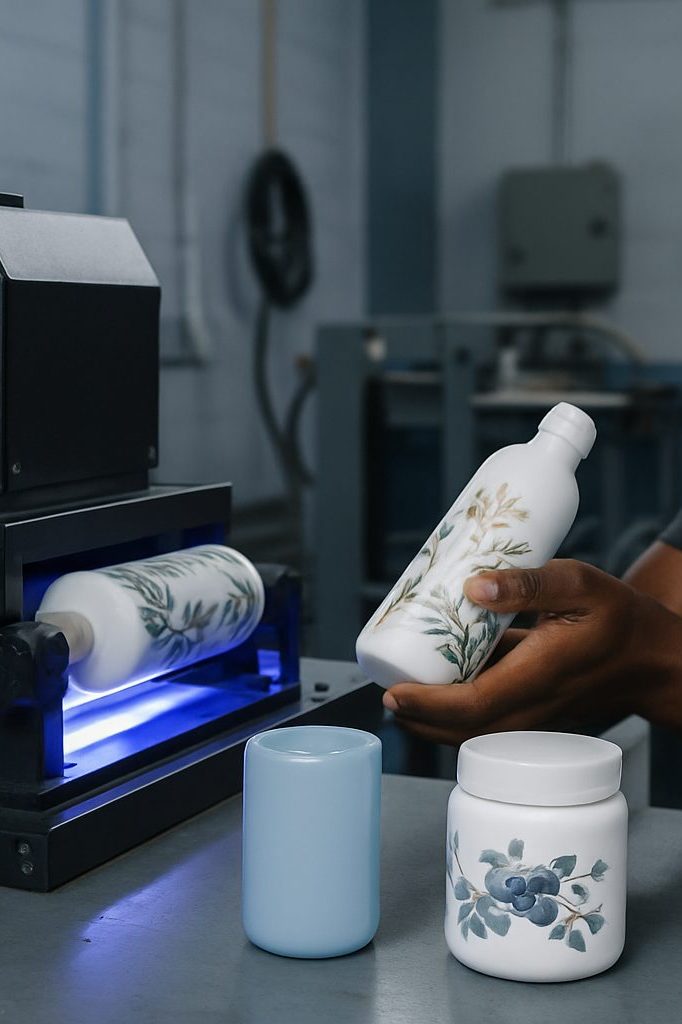
PromoRun Kit workflows for events that need camera-ready bottles.
Read →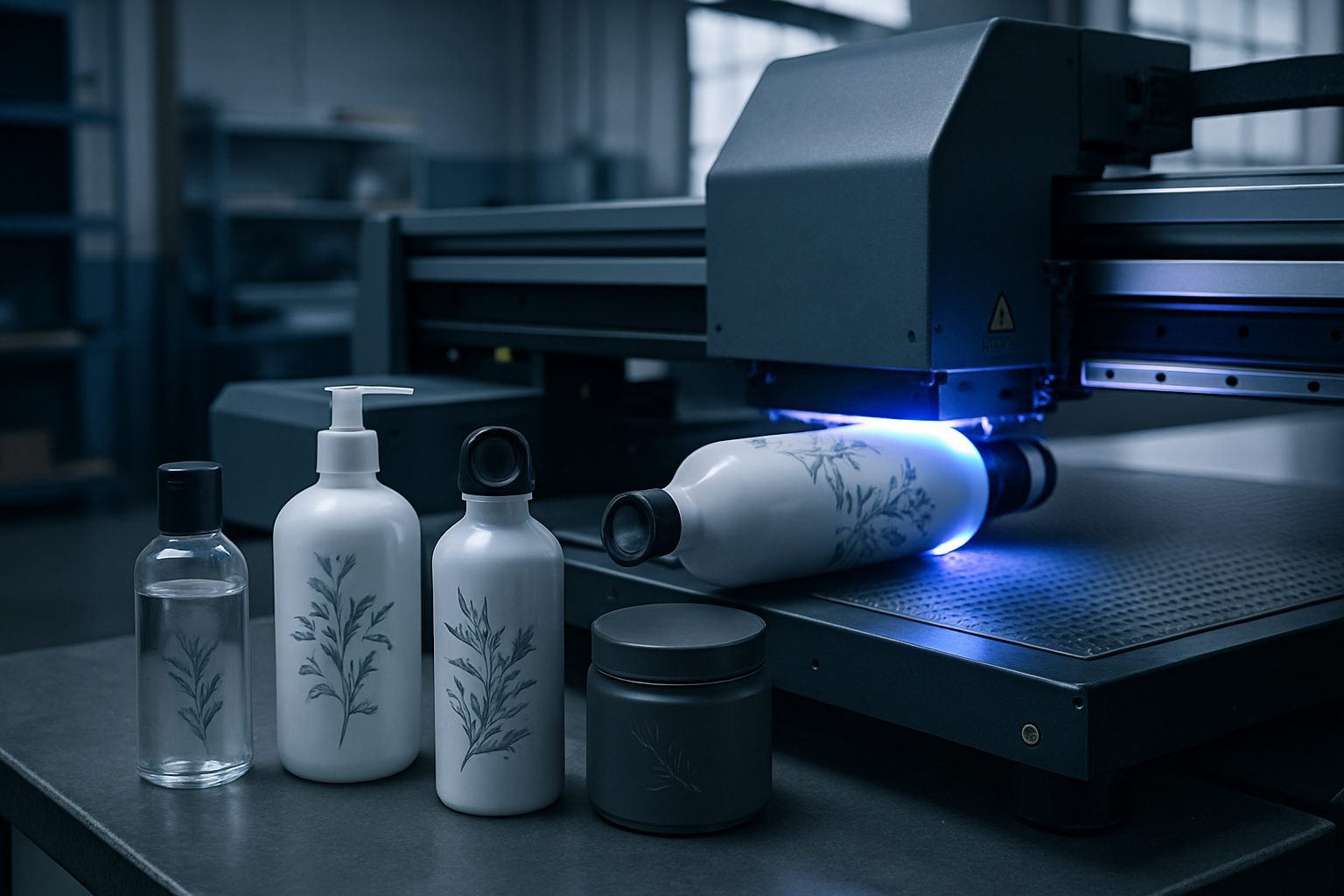
What to send our contact form before your bottles hit Sunnyrock.
Read →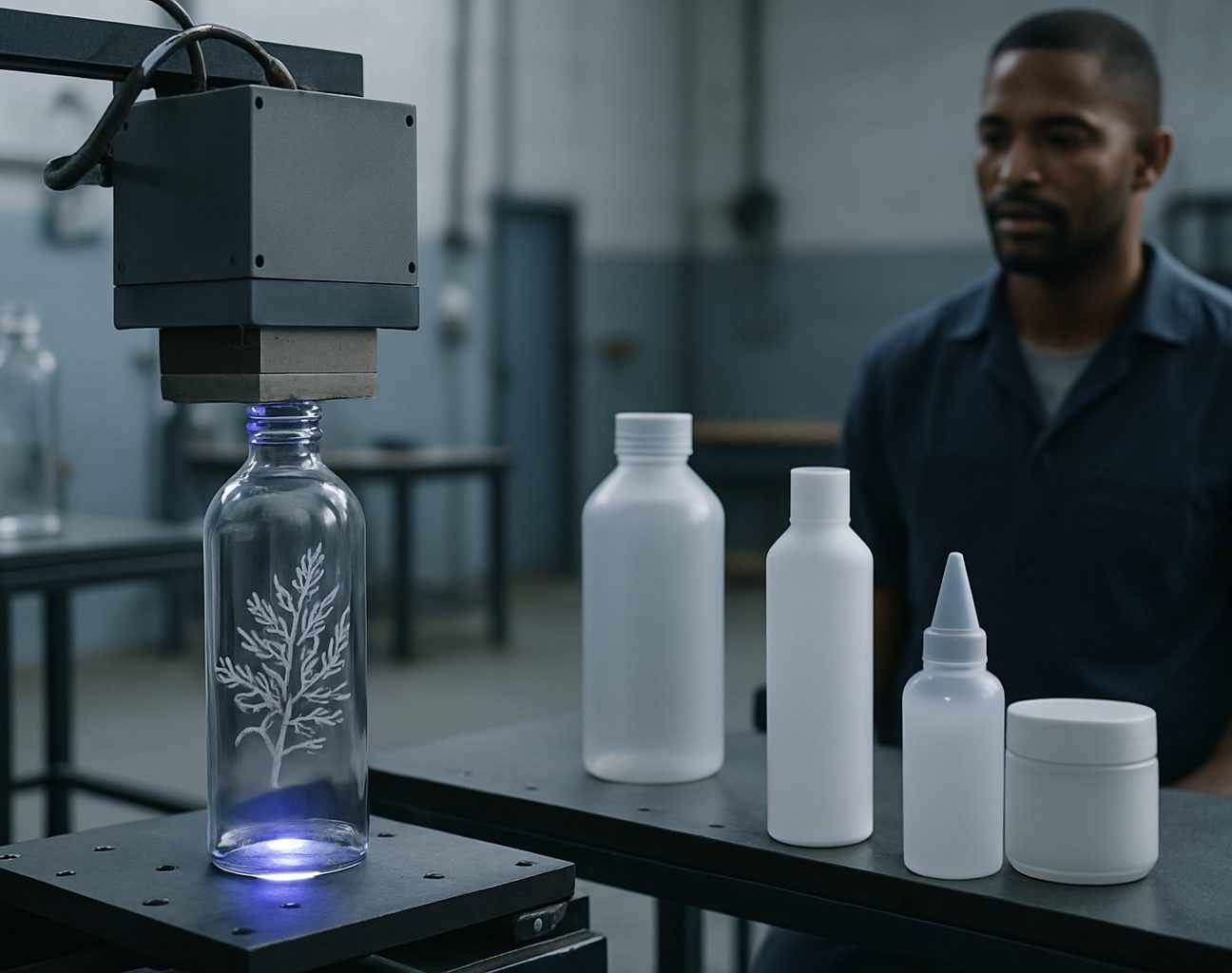
PETClear Soft fixtures and primer pairings for crystal bottles.
Read →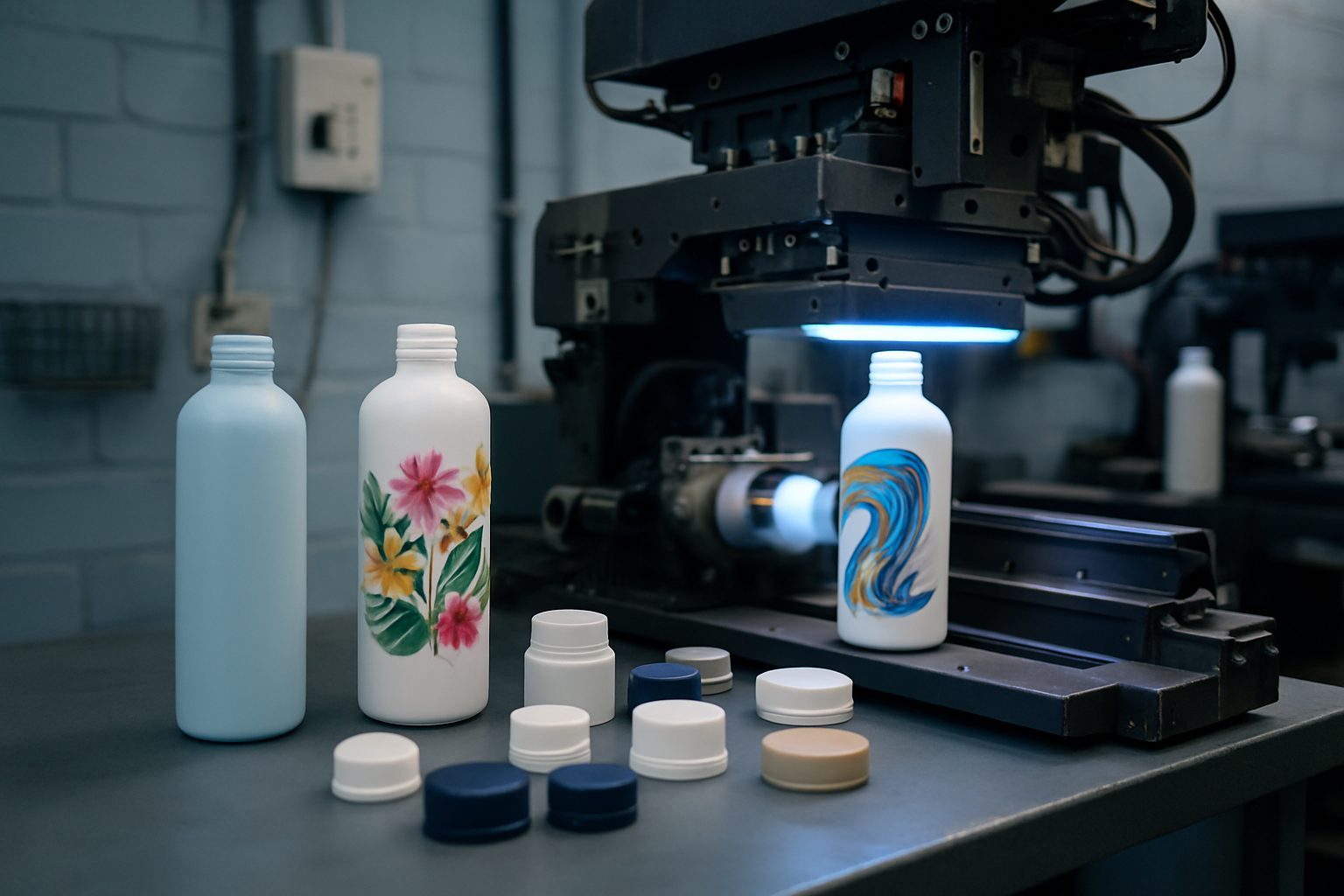
CapPrint Bench so pumps and lids speak the same brand language.
Read →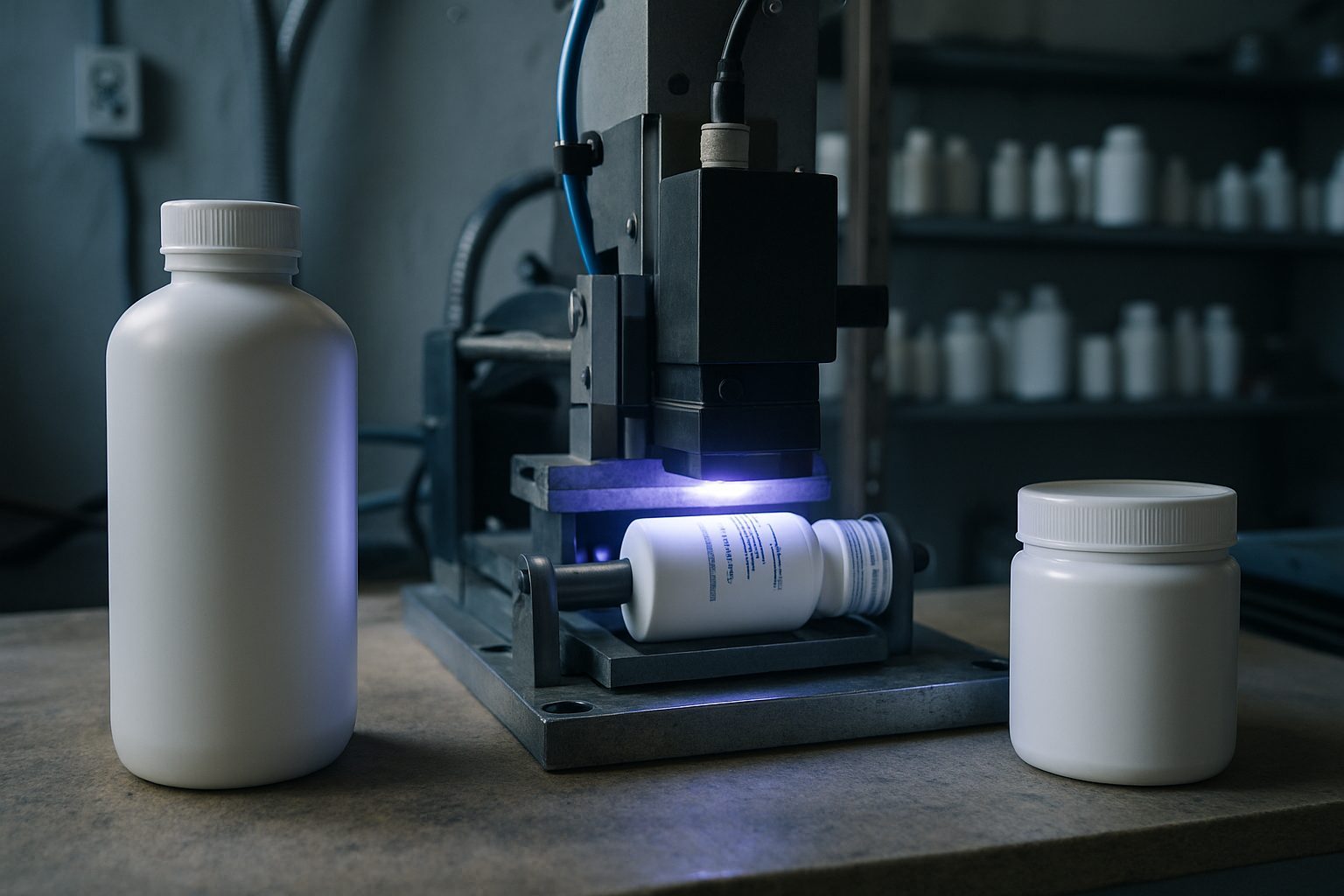
Pharma droppers and small glass need CureCheck discipline.
Read →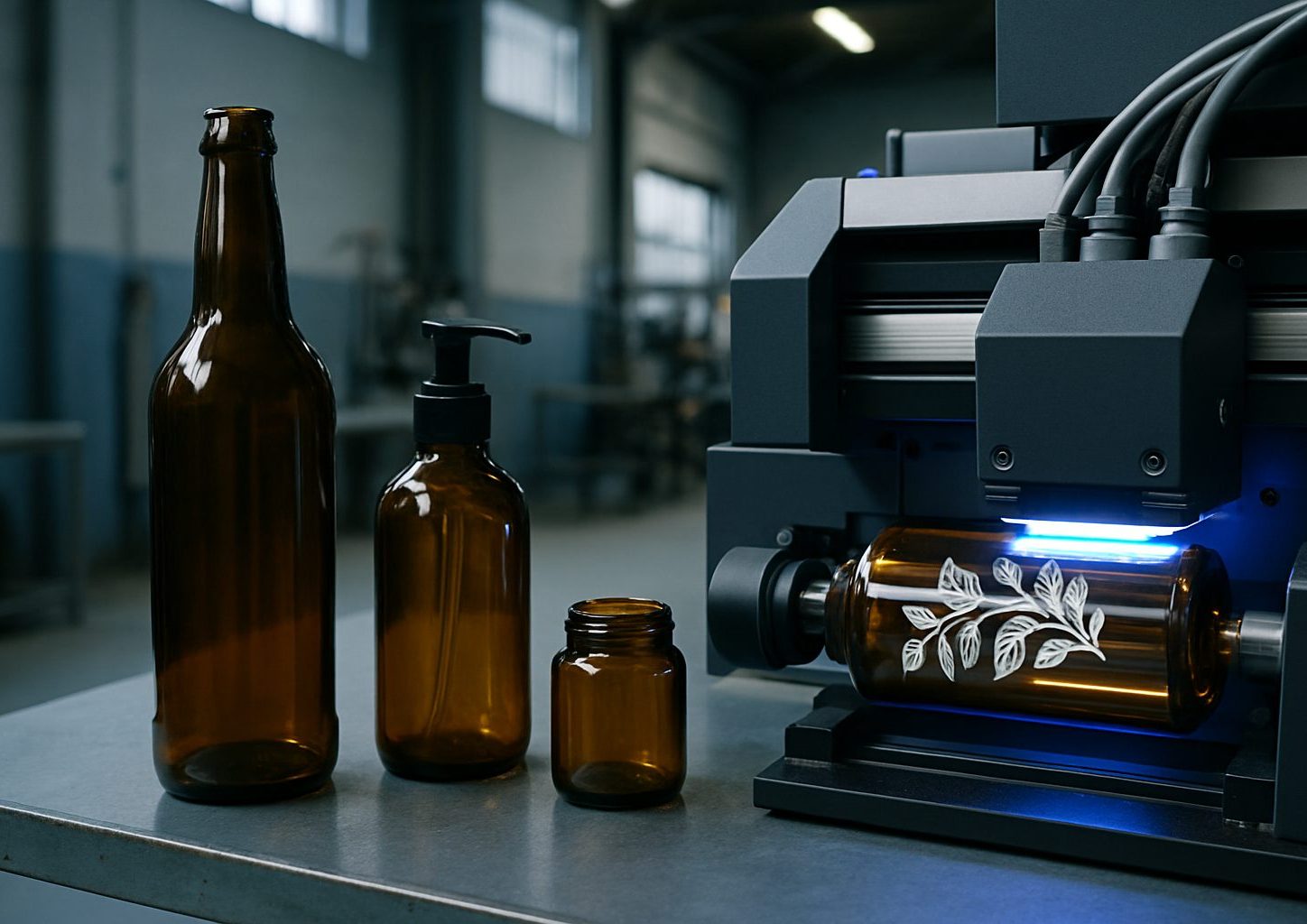
CBD and wellness oils on amber glass with honest white underbase.
Read →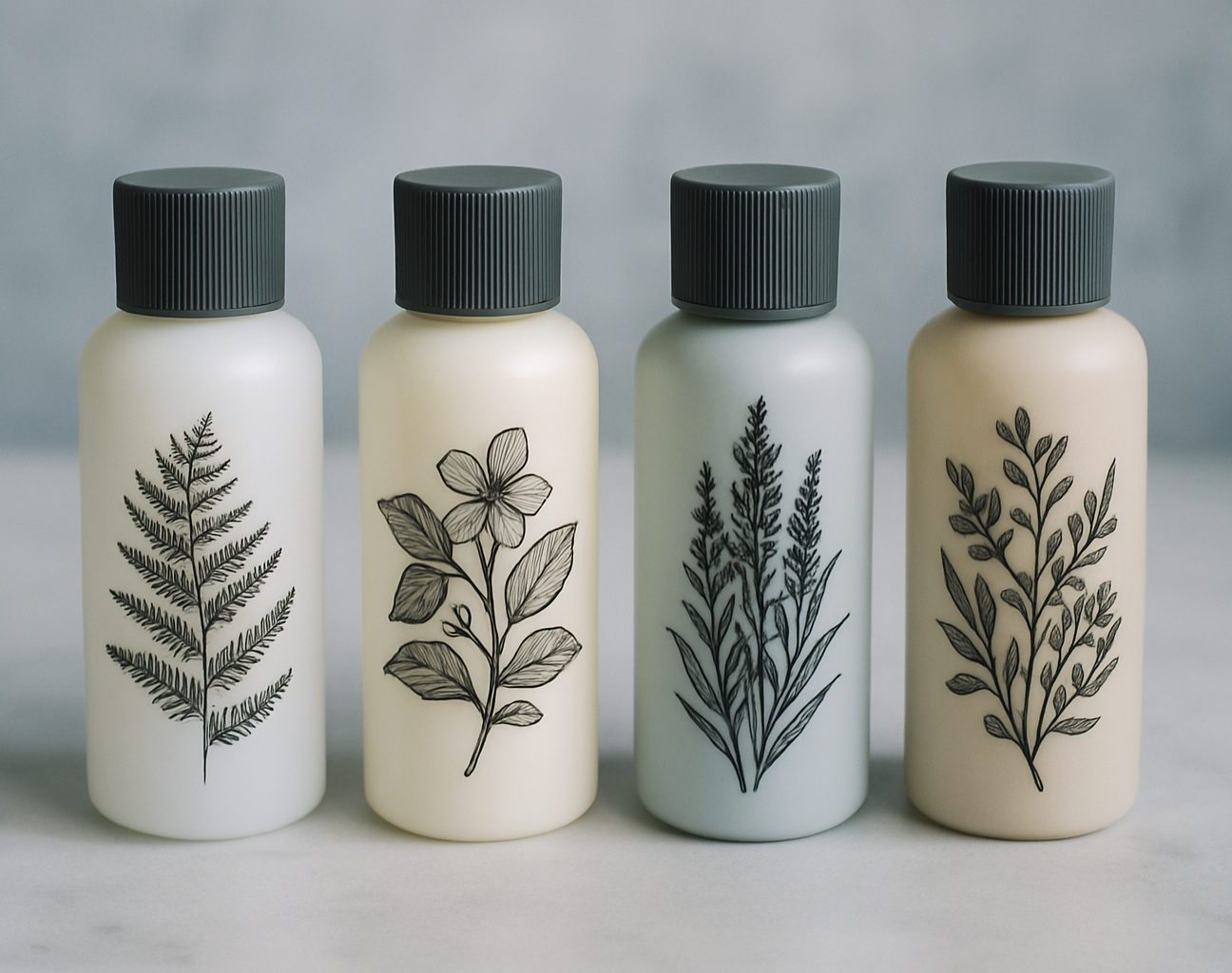
Hotel amenity short runs with PromoRun and CapPrint.
Read →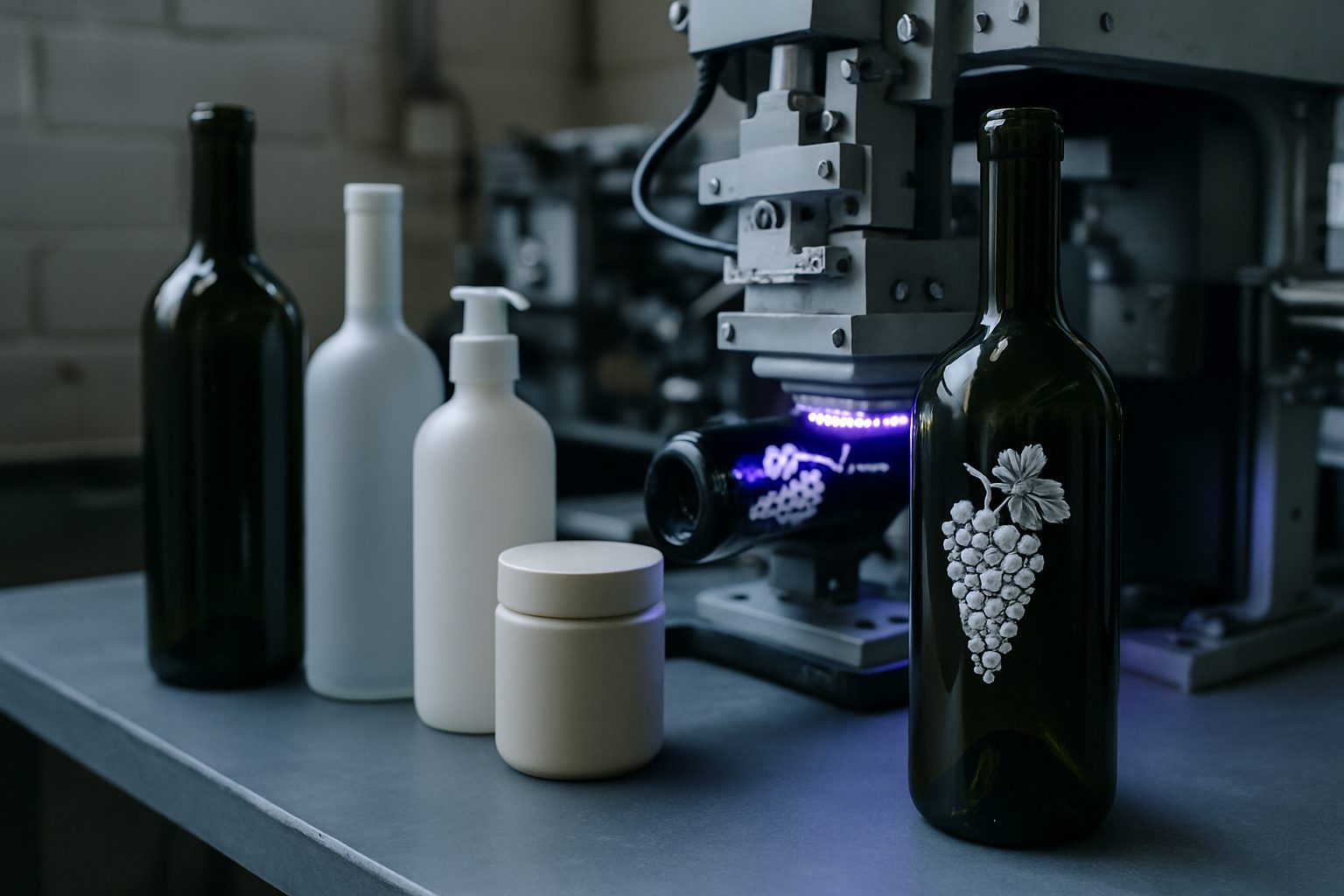
When wine estates want UV decoration instead of only paper labels.
Read →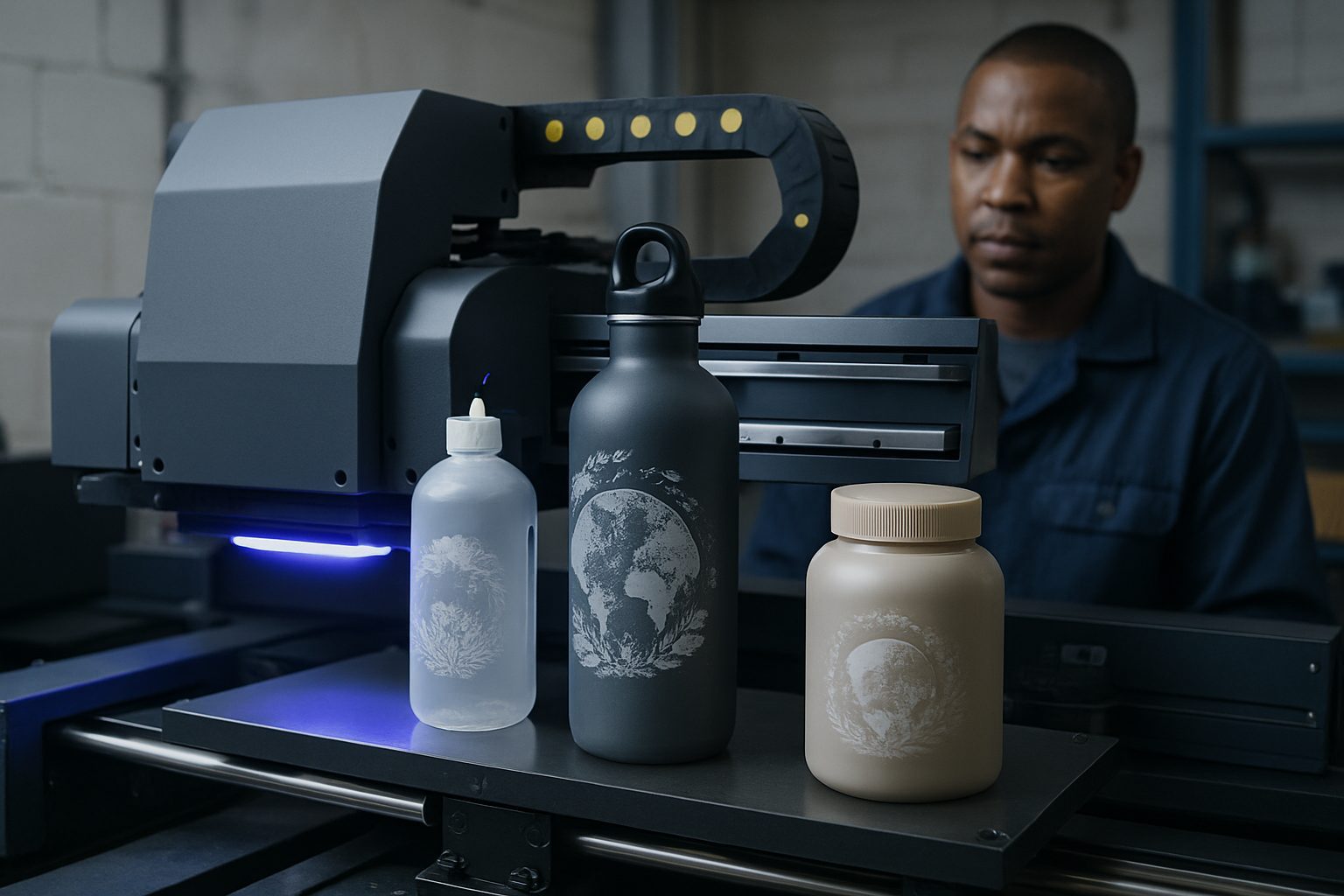
InkFlow Station notes for humidity swings between Highveld and coast.
Read →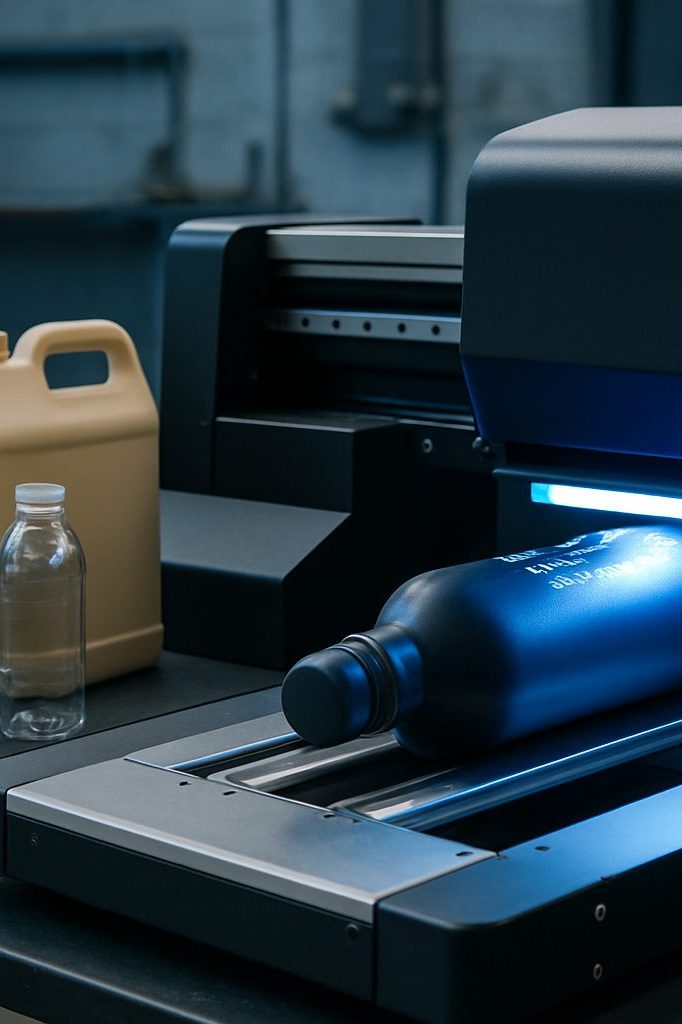
How floor crews swap recipes on MiniLine Compact without scrap.
Read →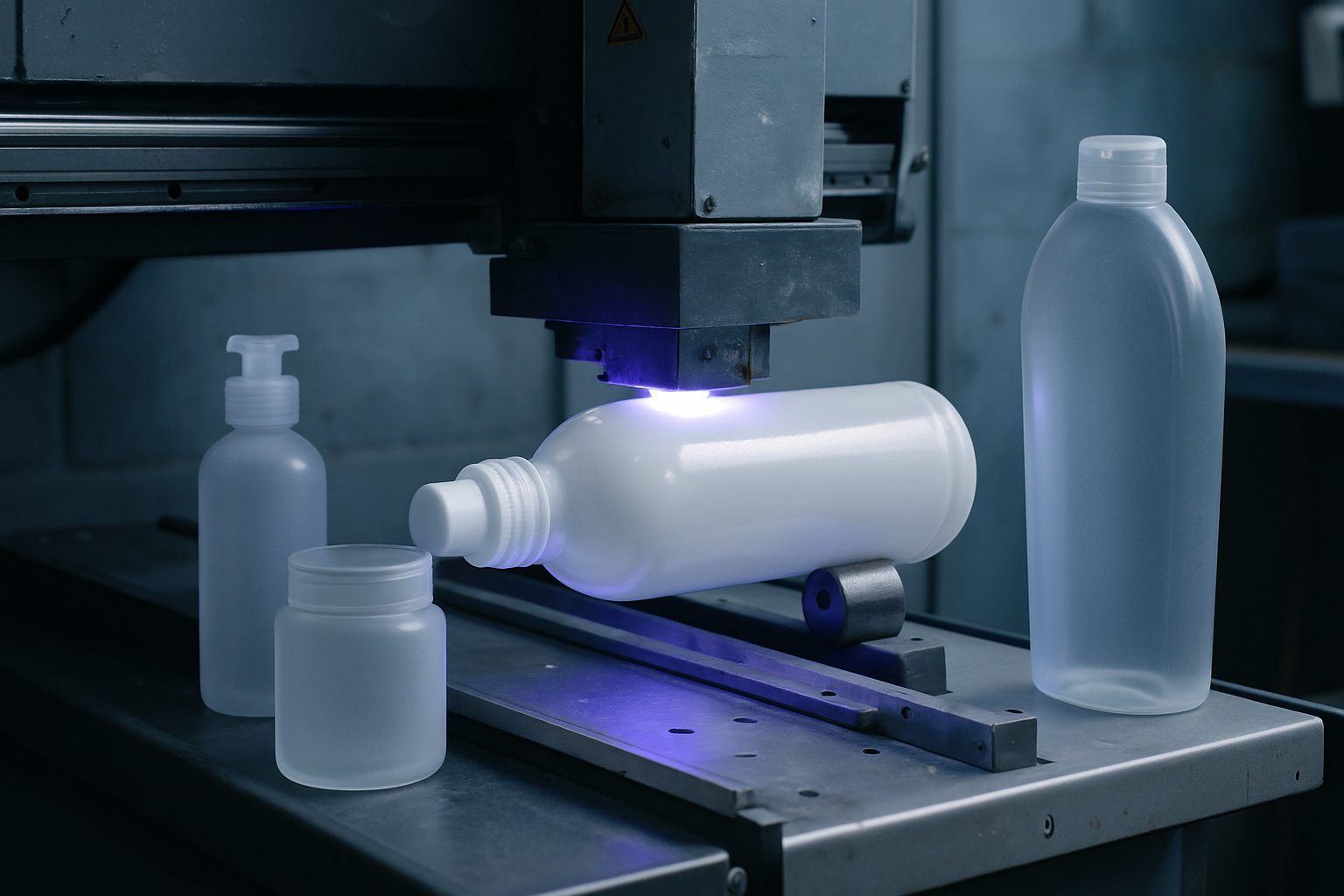
When soft-touch varnish helps skincare and when gloss wins.
Read →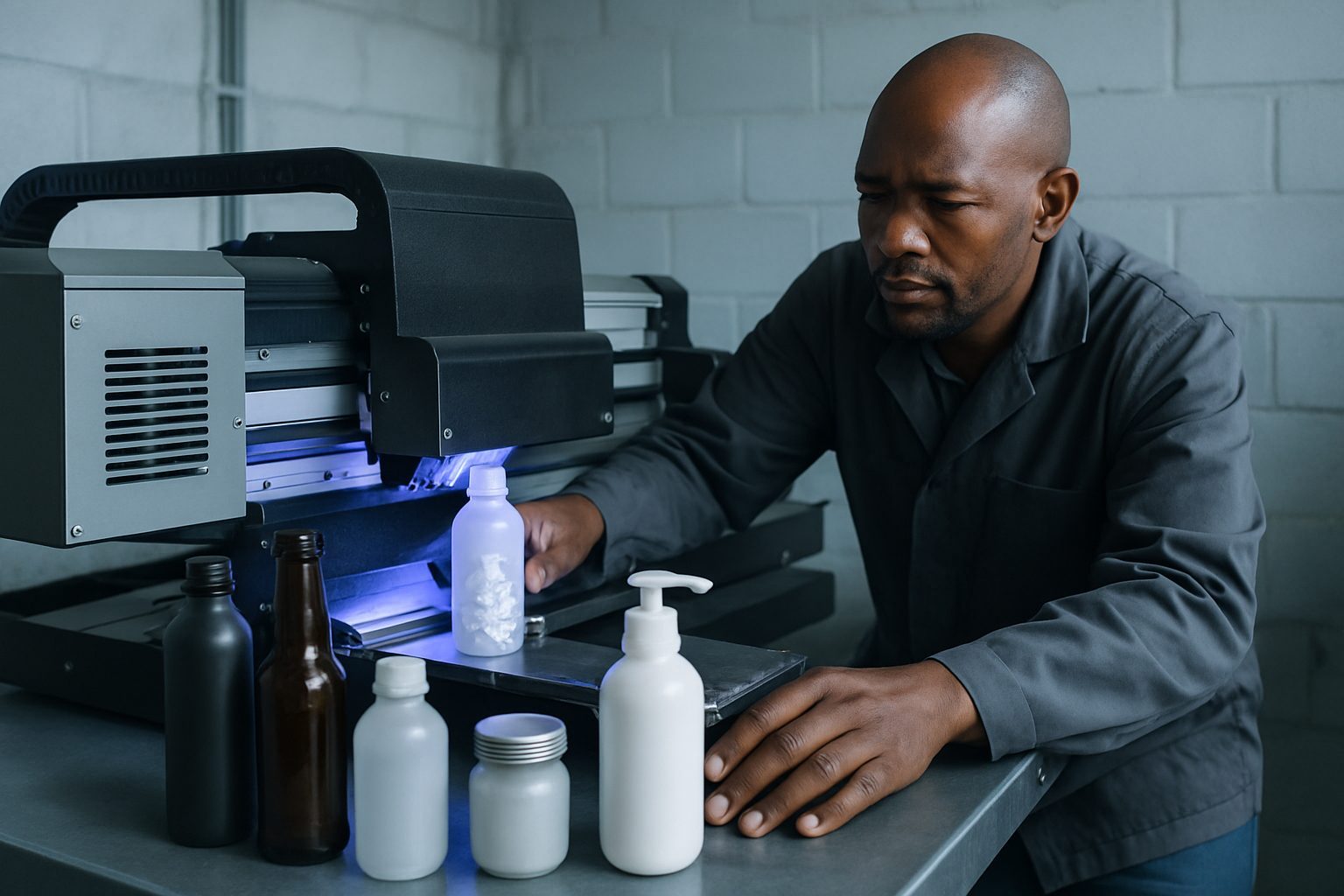
What Aisha floors show before a Sample Lab Day booking.
Read →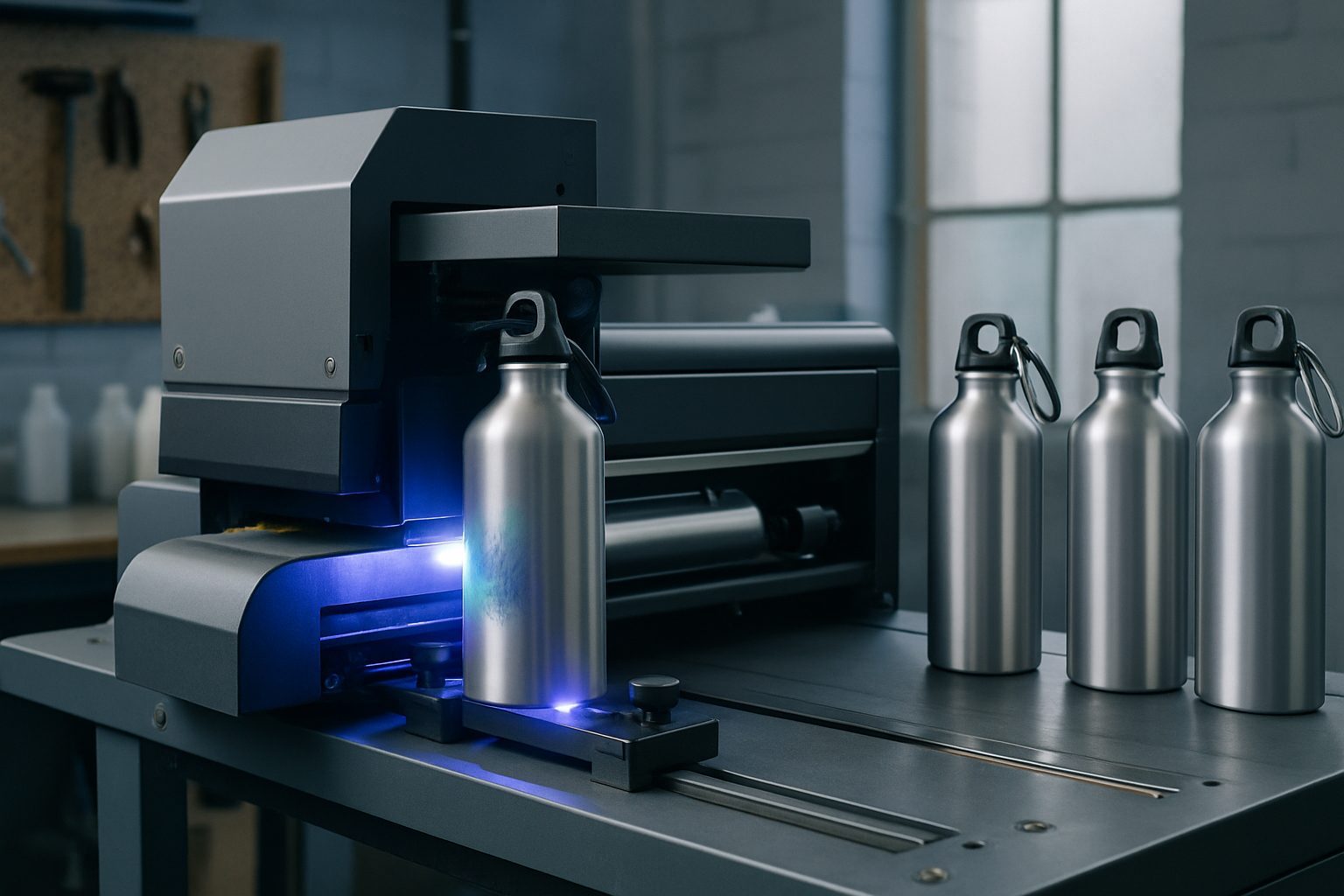
Sample Lab Day paths when aluminium joins PET and glass.
Read →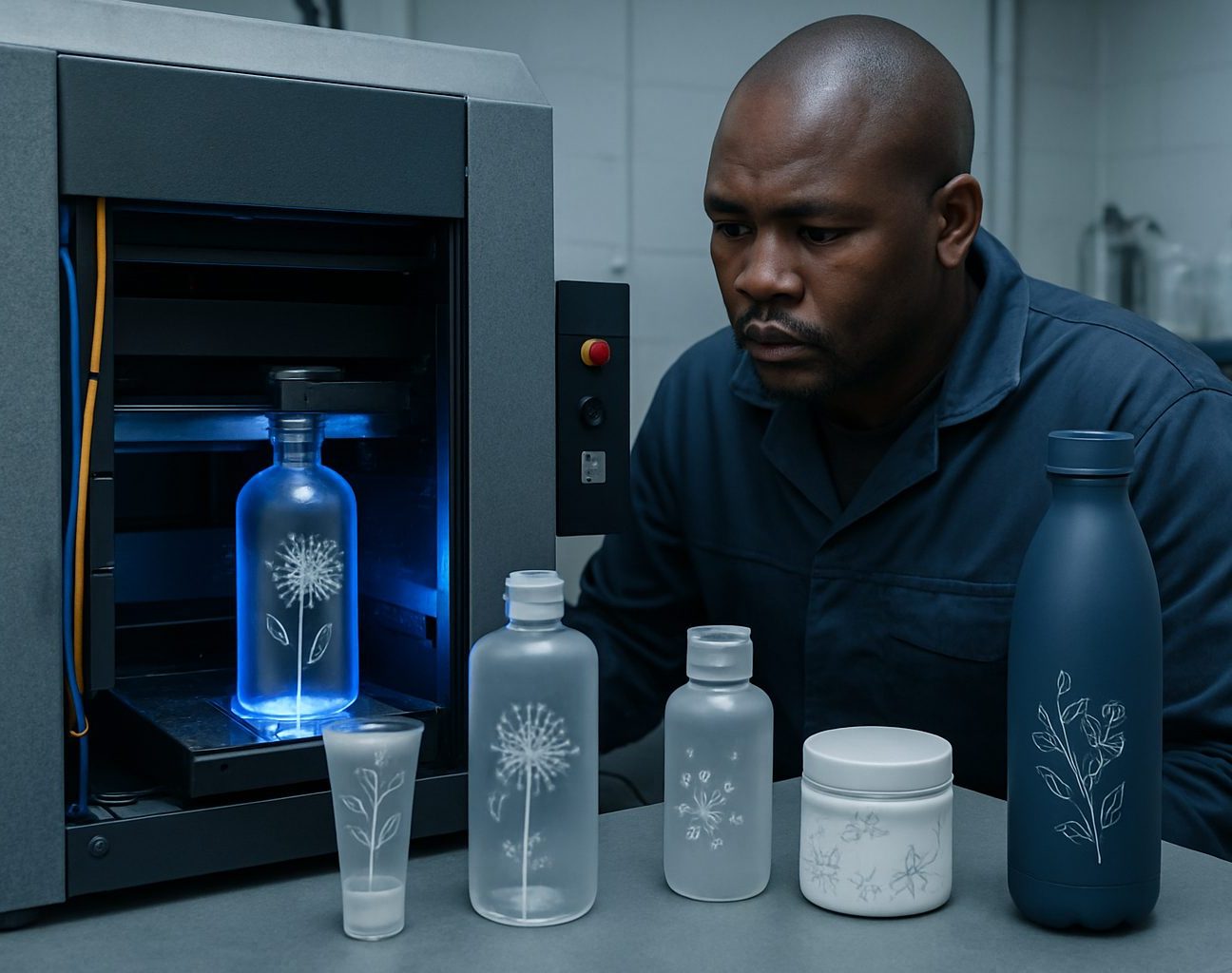
SleeveAlign and UV art marks that night shift can see.
Read →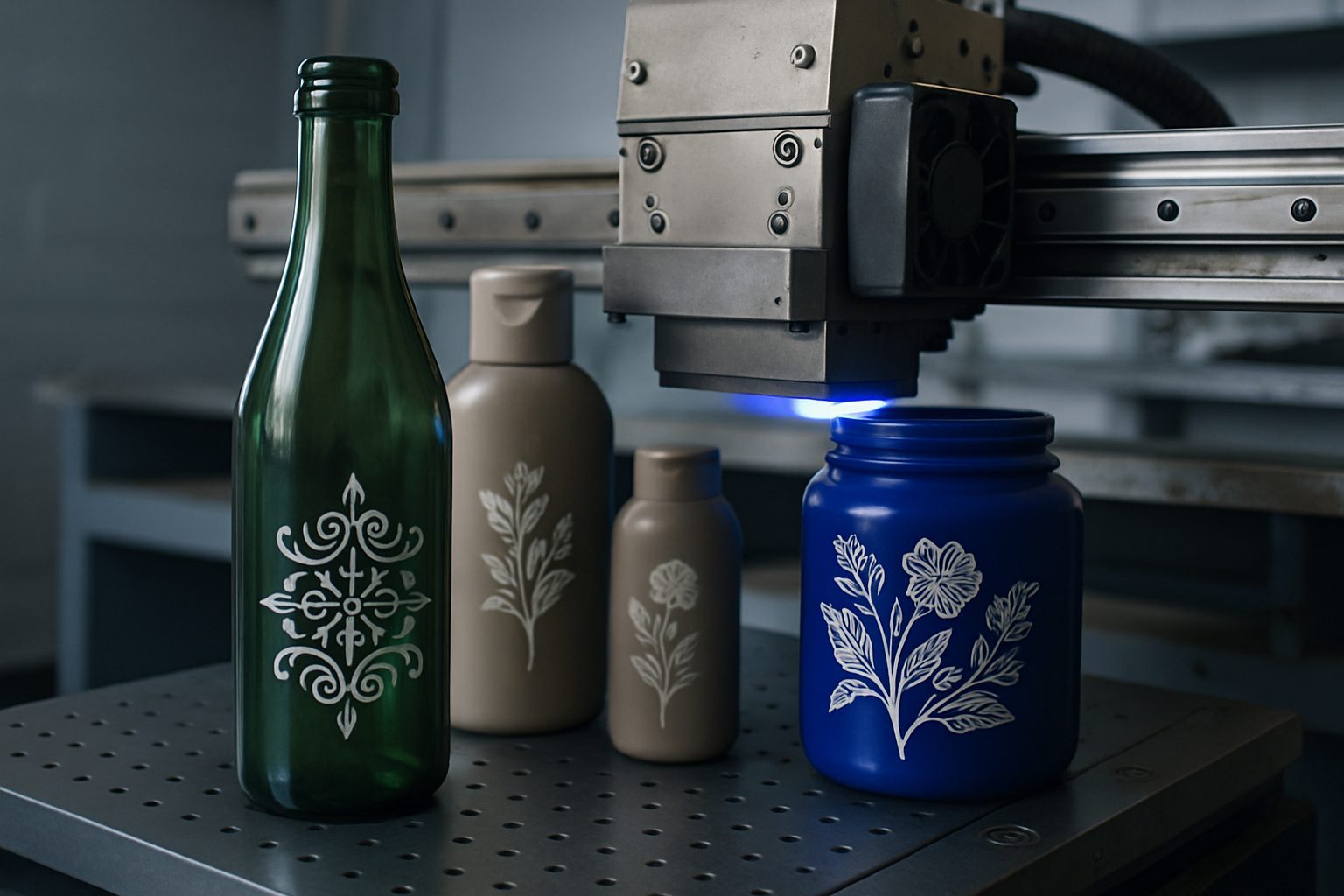
How teams move from Sample Lab Day to MiniLine Compact.
Read →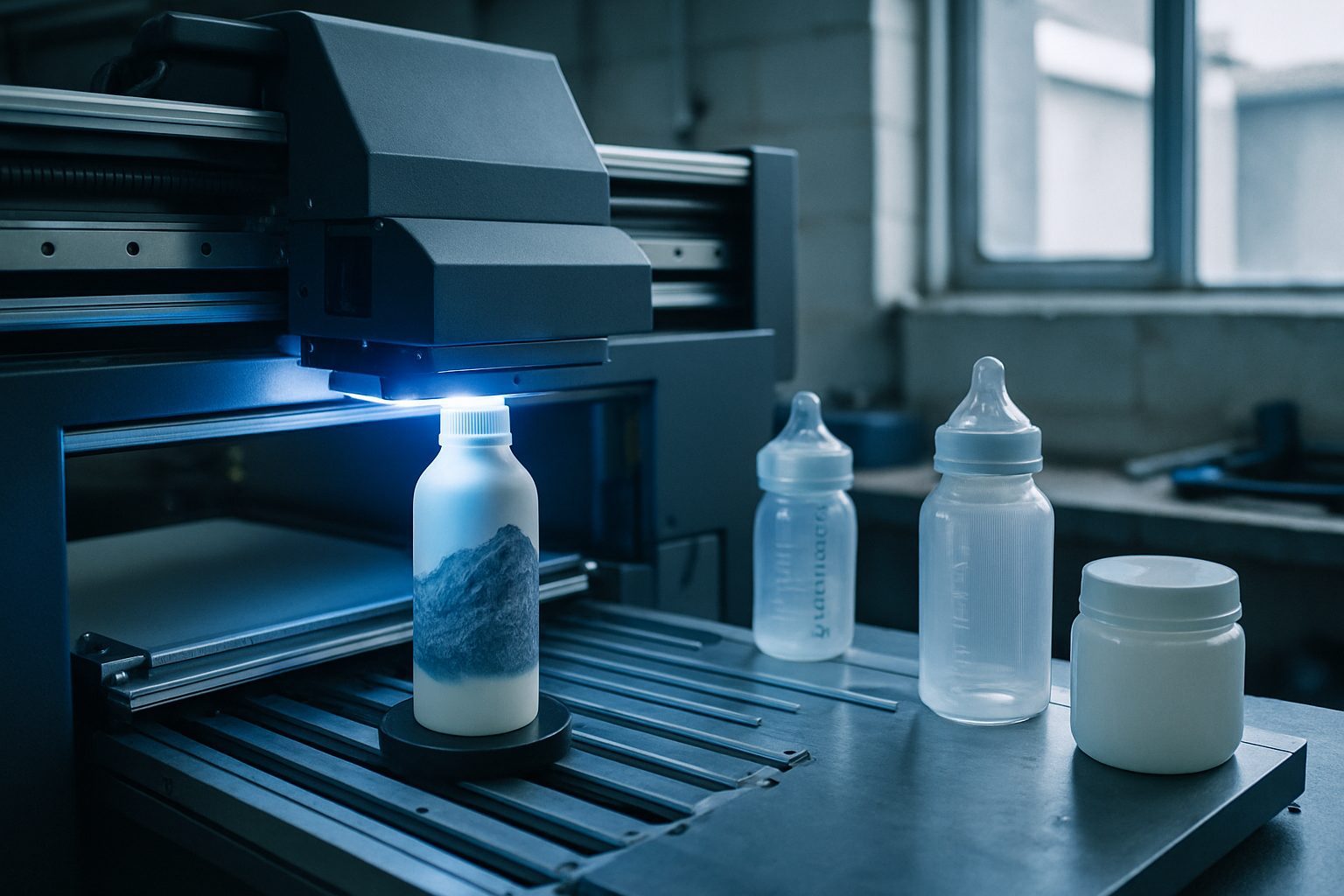
How BottlePrinter Lab shares the Sunnyrock floor with Astros Marketing.
Read →This section brings you practical notes, field fixes, and testing routines from the team who run Sample Lab Days at 2 Makro Place, Sunnyrock. Each article comes from jobs in South Africa, whether it is short-run craft beverage, hotel amenity bottles, or boutique skincare lines. The topics go straight to problems floor teams report most: ink adhesion, bottle handling, fixturing, and what really survives route trucks, Gauteng rain, and coastal humidity. If you are learning new workflows or about to run a print room on load-shedding backup, start here for honest detail and tested methods.
Choose articles from this section by matching your biggest risk or workflow gap. For example, if you are printing on crystal-clear PET, Clear PET that stays clear covers primer pairings and soft fixtures that stop scuffing and fogging. Short-run producers weighing in-house print against outsourcing can use Short-run lines that pay back for decision points. When you handle closures or need pumps and caps to match bottle branding, Closures that match the bottle details how to keep consistency across formats. Teams tackling wine estate bottles, or launching new spirits, will get value from Estate bottles beyond labels and Glass handling without scuffs. Filter your choice by the substrate (PET, glass, aluminium), the type of finish (matte, gloss, white underbase), or the packaging workflow you want to fix.
Factory foremen, print-room operators, production managers, owner-operators, and sign room teams across Gauteng, Cape Town, Durban, and Gqeberha turn to these notes before a new launch or sample run. Whether you work in small-batch craft breweries, personal care plants, estate bottling lines, or event promo teams, these guides help you avoid the hard stops that cost hours or spoil stock. Even experienced teams refer back when trialling a new bottle shape or prepping for client audits. Many first-time users send a message through our contact form with a list of questions after reading guides such as How to brief a Sample Lab Day and Fixturing before you press print.
Most failed launches come down to skipping adhesion tests, using the wrong fixture or pad, or not logging the UV cure window, especially on clear PET or small glass formats. A common error is running a batch without checking rub, tape, fridge or ice bucket results first, which ends up with ink lifting during transit. Teams in industrial parks sometimes overlook how Highveld dust or cross-town humidity can change results compared to the test room. Another mistake is treating closures and lids as an afterthought, leading to a mismatch in finish or branding. By using notes like Cure windows that survive transit, Flat Panel for skincare jars, and Promo bottles that photograph, you can flag these faults before they reach your shelves.
If a guide raises new questions or you need a process adapted for your bottle, send a message through our contact form. The team is on the floor most weeks and can walk you through matching fixtures, ink settings, or sample runs. For in-person demonstrations, see the Showrooms page or book a Sample Lab Day. Browse the Catalogue for compatible kits, or check Building a catalogue path if you are still finalising bottle formats and finishes. Honest answers and fix notes come straight from the Sunnyrock floor, not a brochure.
Our contact form · Sunnyrock applications lab