Projects
Real-world decoration briefs from across South Africa, showing what works on glass, PET, and closures in different regions and industries. See what our systems handle, before you commit a run.
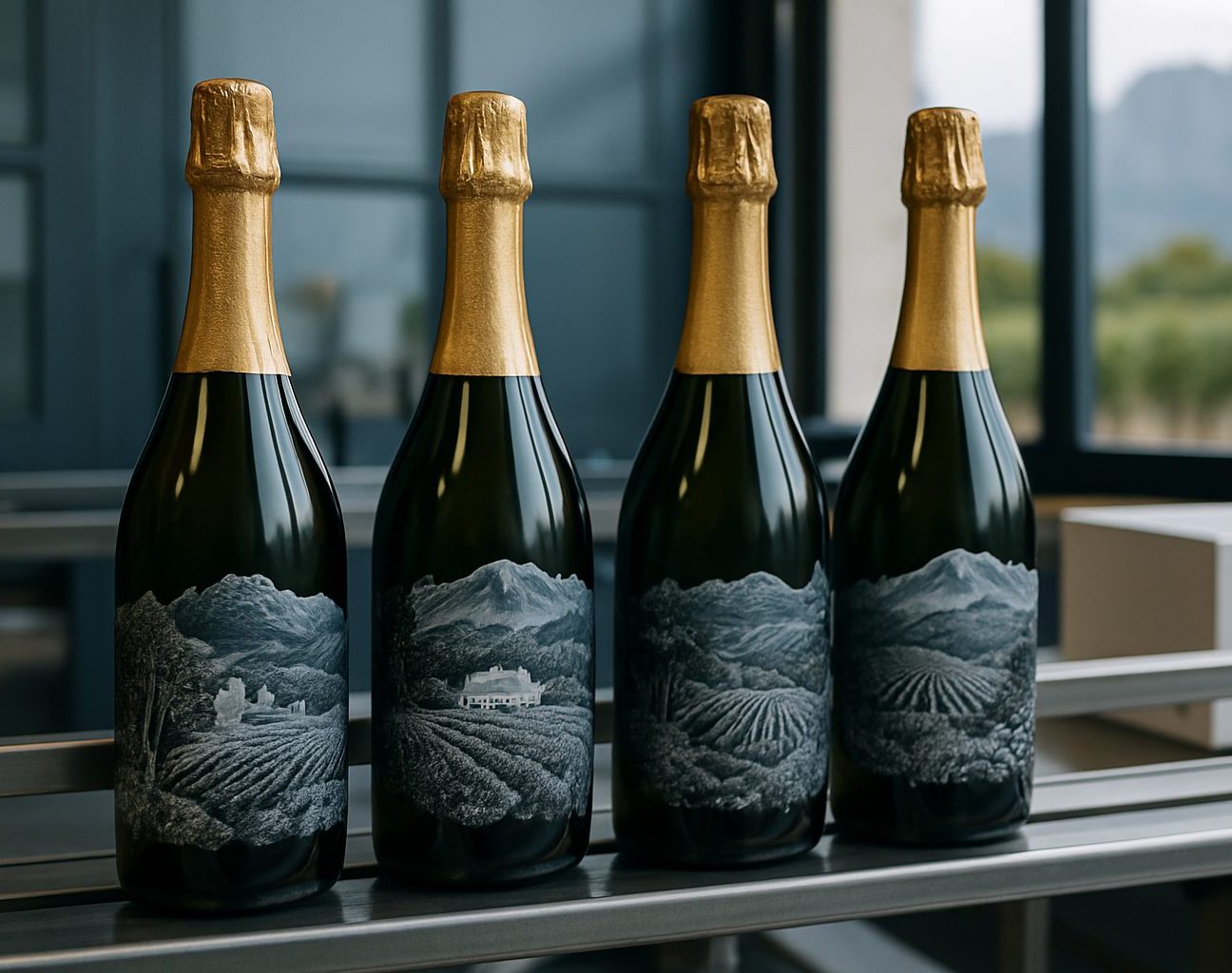
Glass-safe UV panels for an MCC release with GlassGuard Soft handling.
View →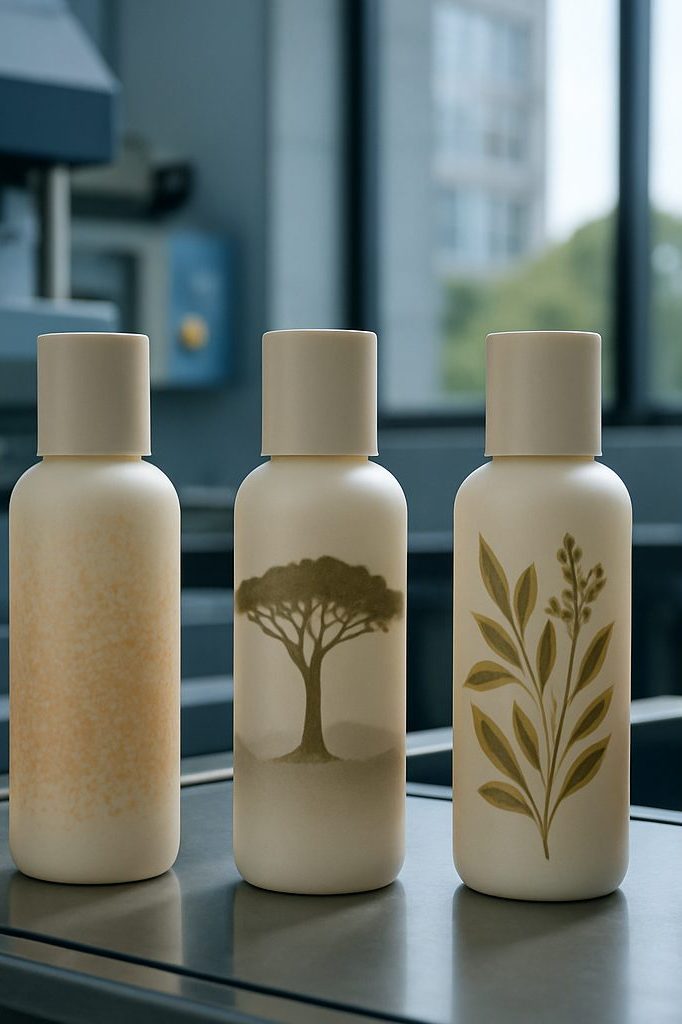
Jar lids and pumps matched on Flat Panel and CapPrint for a boutique launch.
View →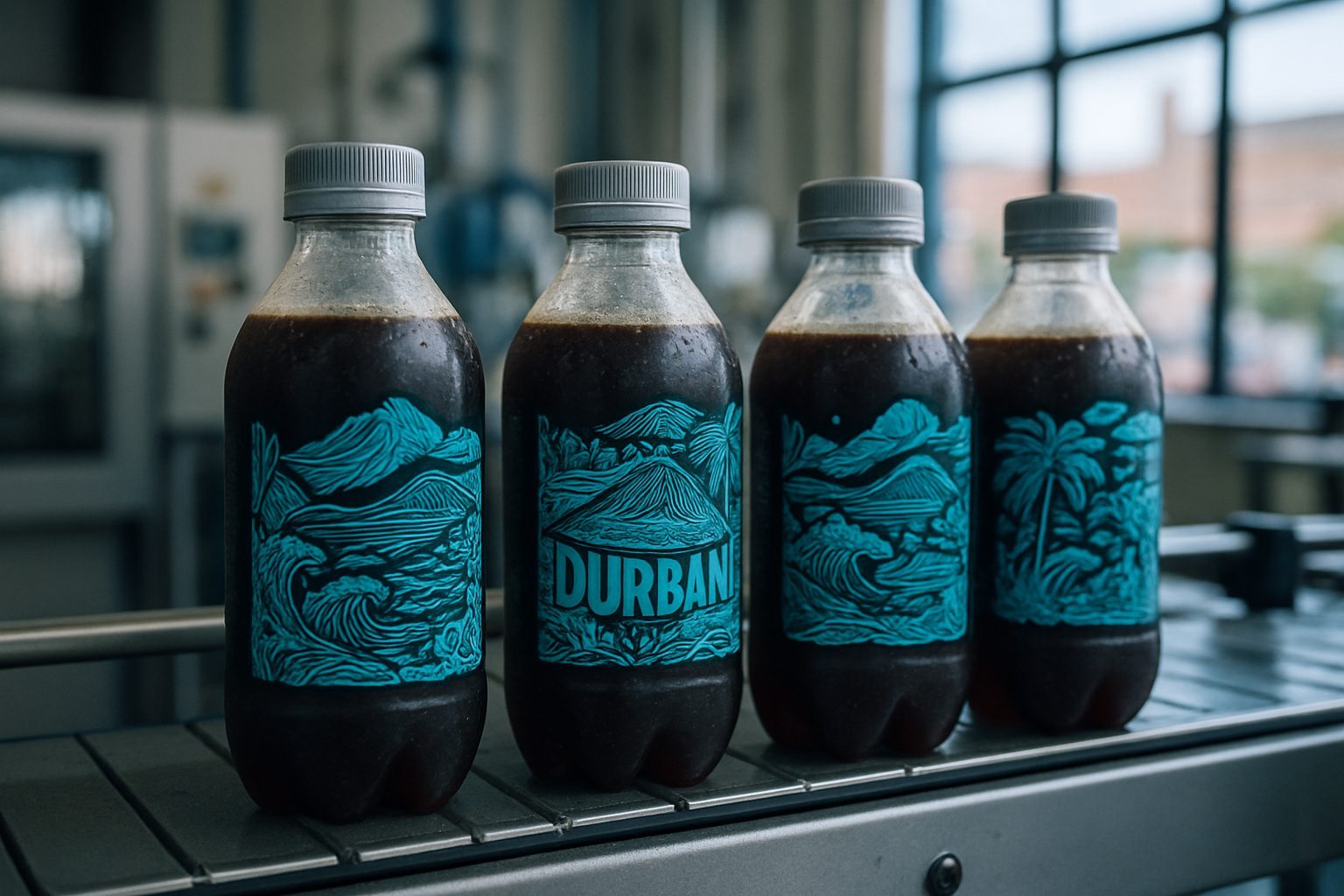
Clear PET cold brew with SleeveAlign and PETClear Soft jaws.
View →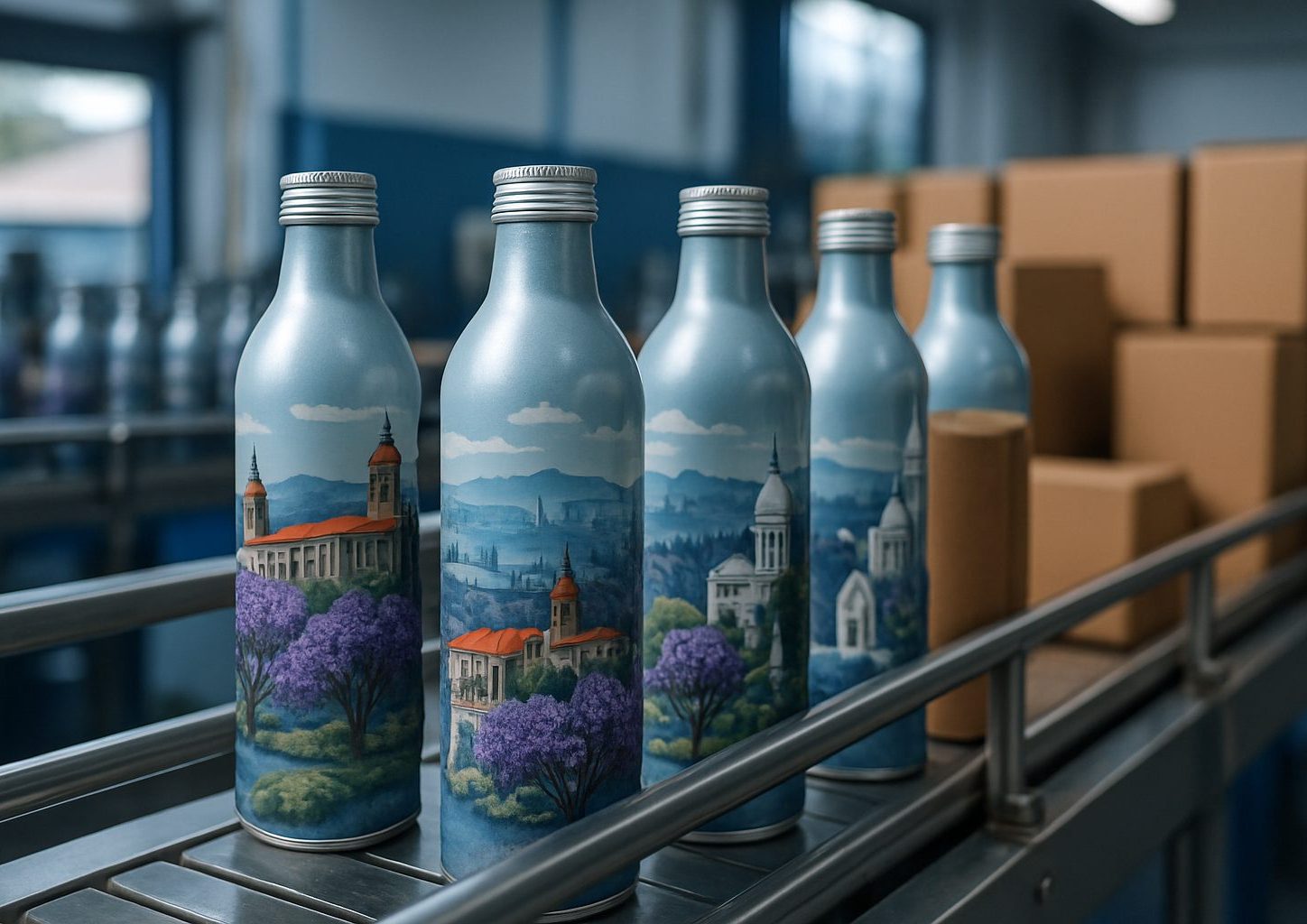
PromoRun Kit bottles for a dealership activation weekend.
View →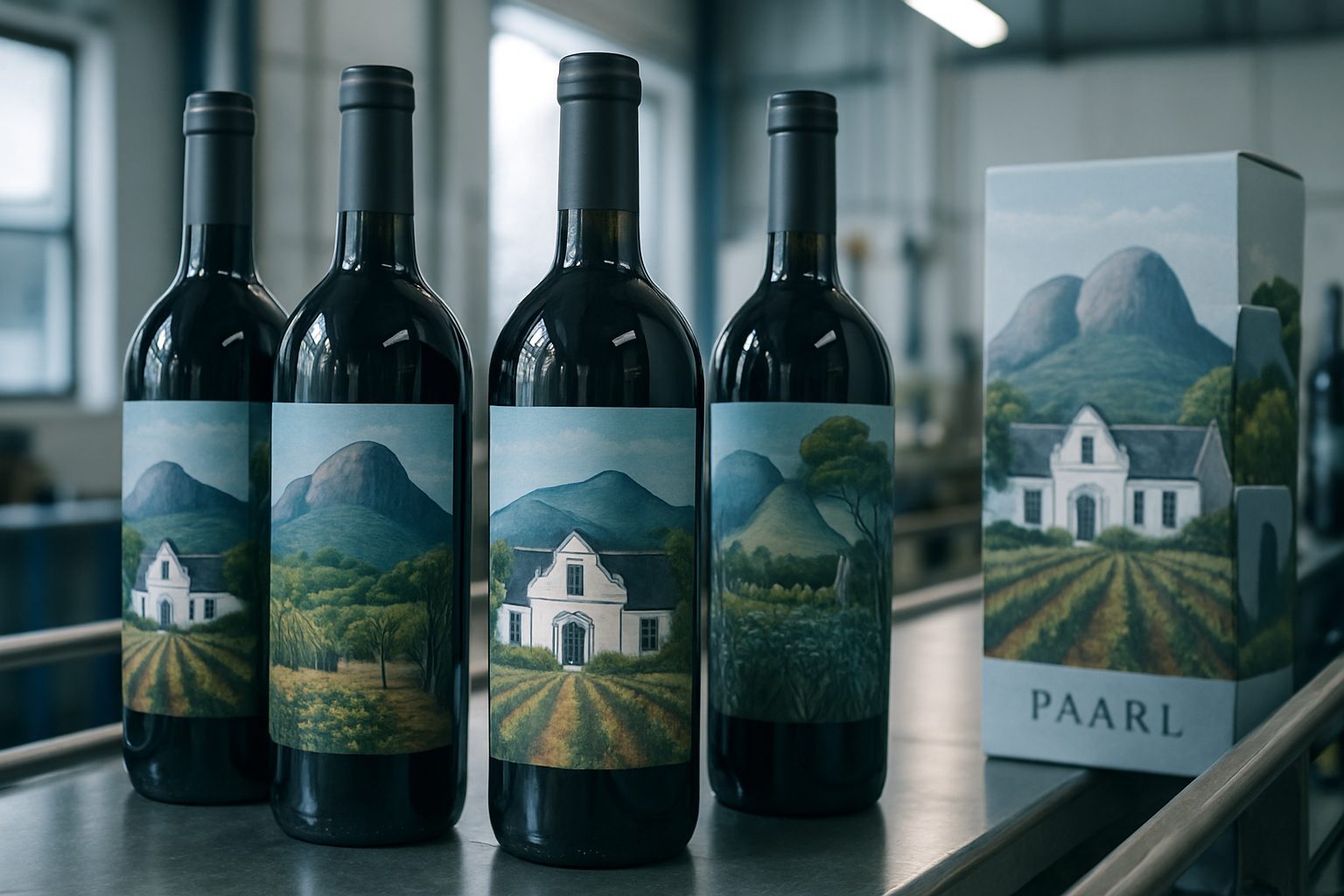
Estate bottle UV beside paper labels for cellar-door SKUs.
View →
Dairy bottle short-run on MiniLine with CureCheck logs.
View →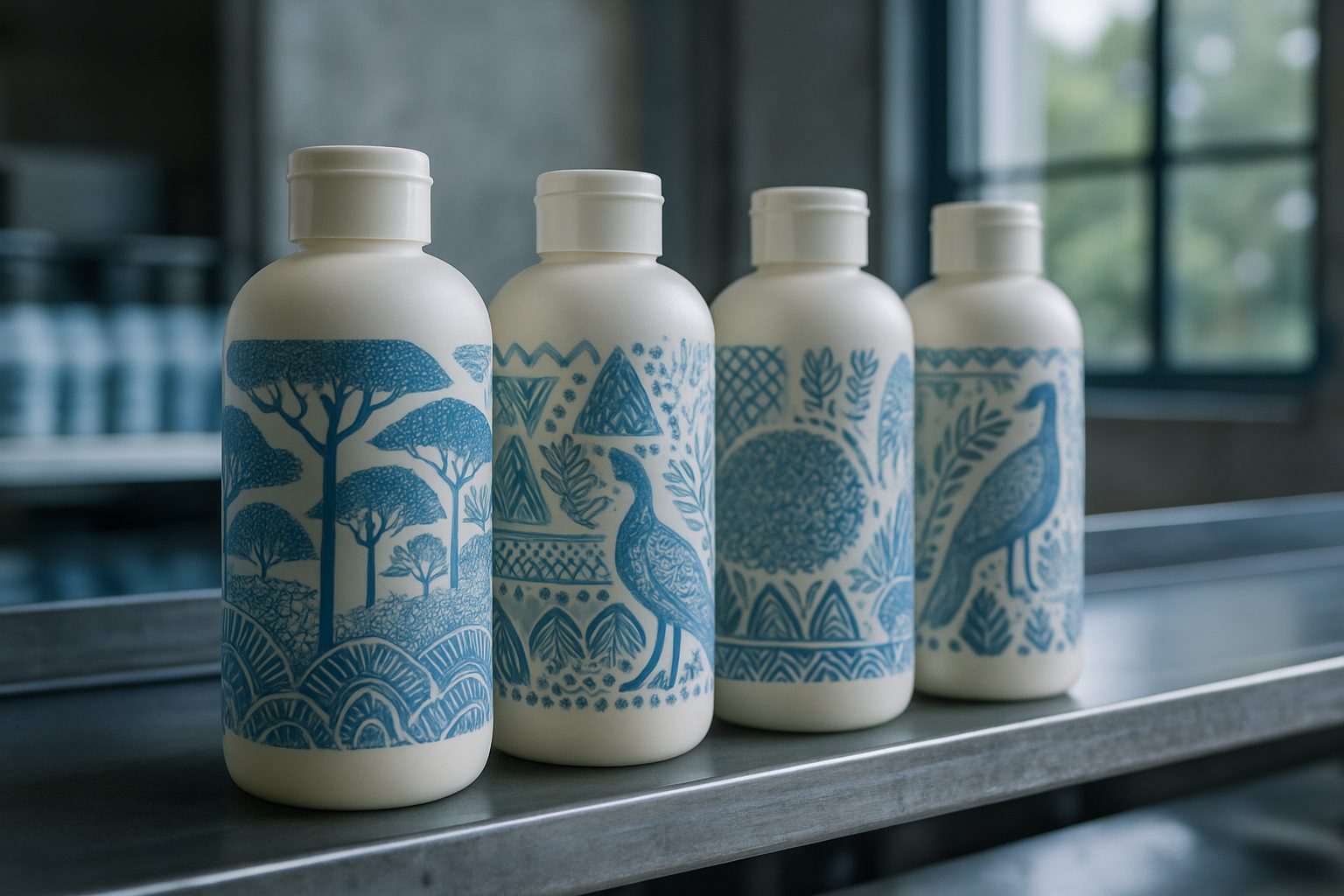
Boutique hotel amenity bottles and pumps for a coastal lodge group.
View →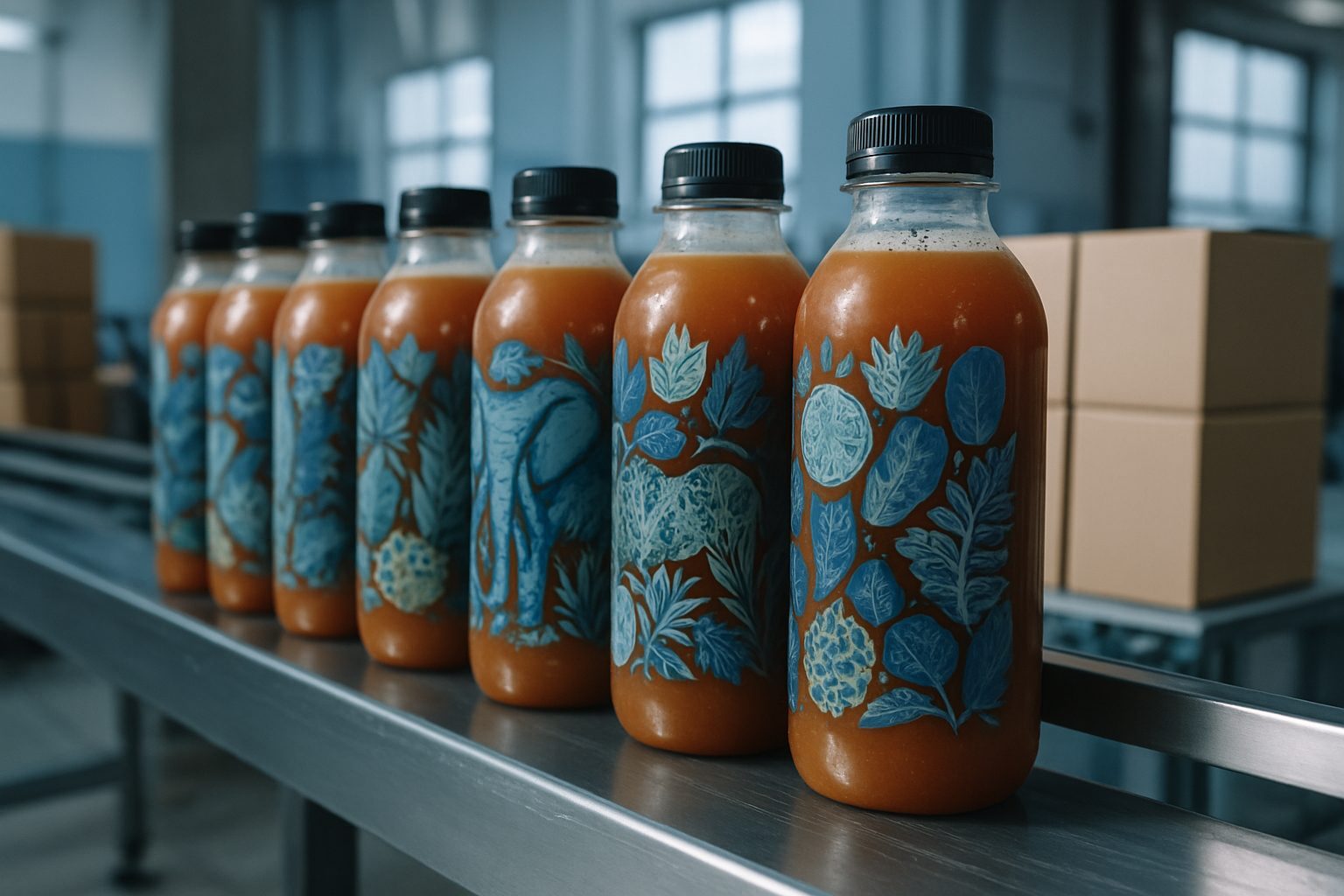
Juice packs with sleeve registration and UV side panels.
View →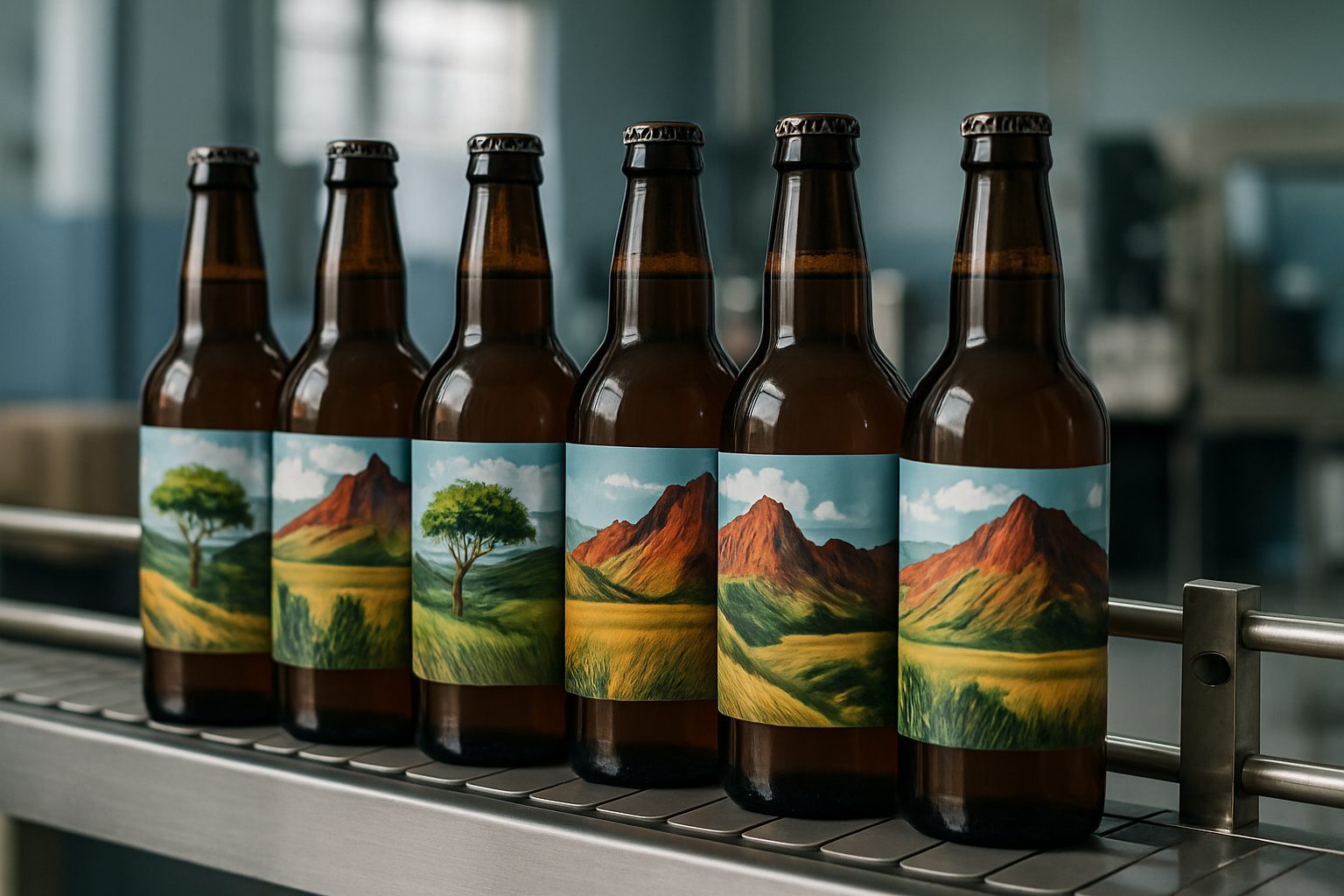
Craft cider glass with RingGrip Soft and logged cure windows.
View →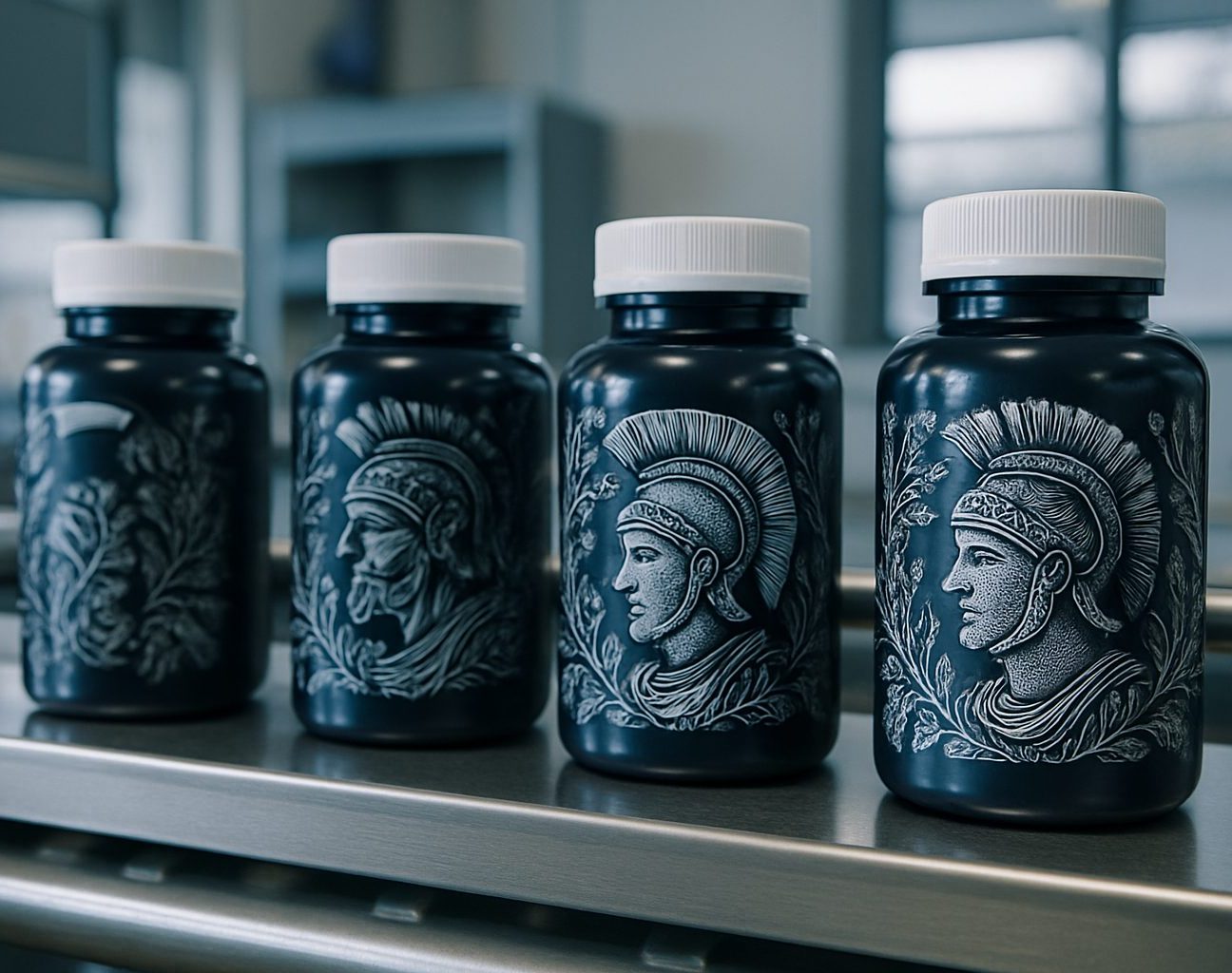
Supplement bottles with white underbase control on InkFlow.
View →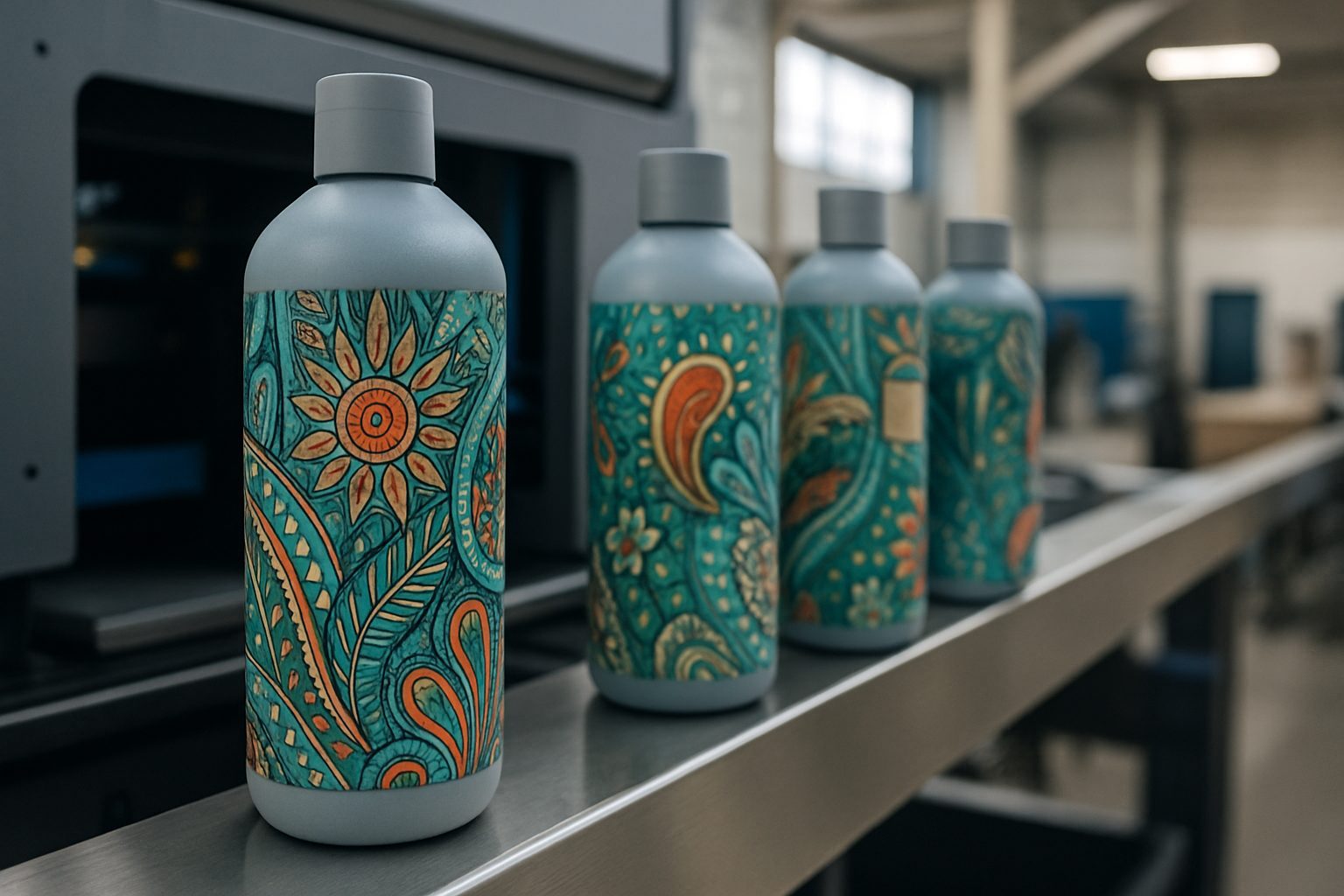
Pump decoration matched to bottle art for a WC personal care brand.
View →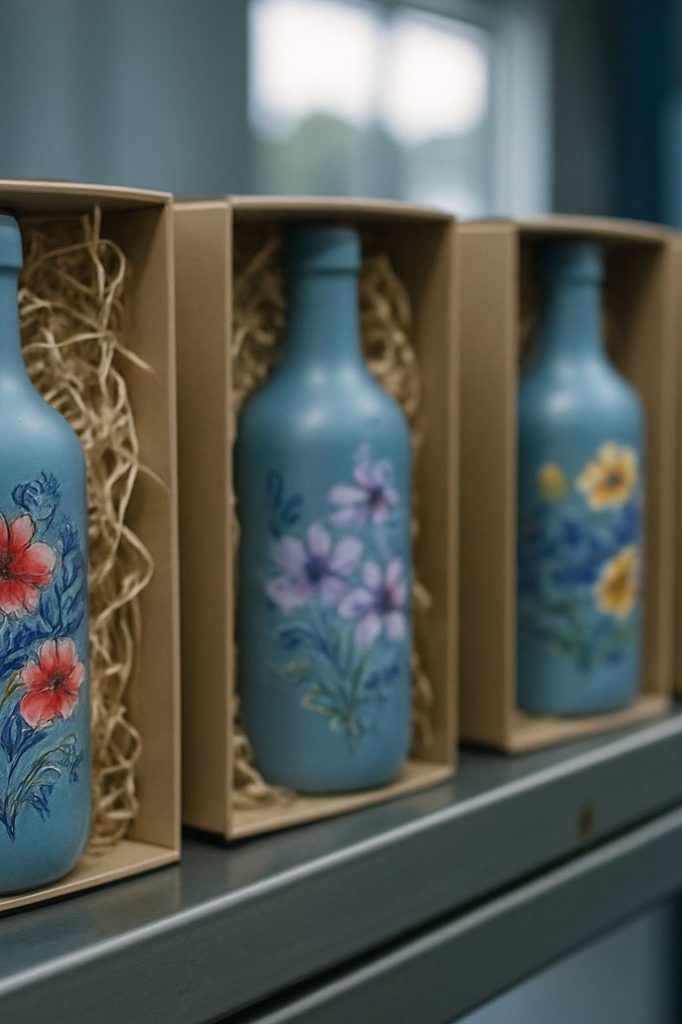
Seasonal gift bottles for a Free State retailer.
View →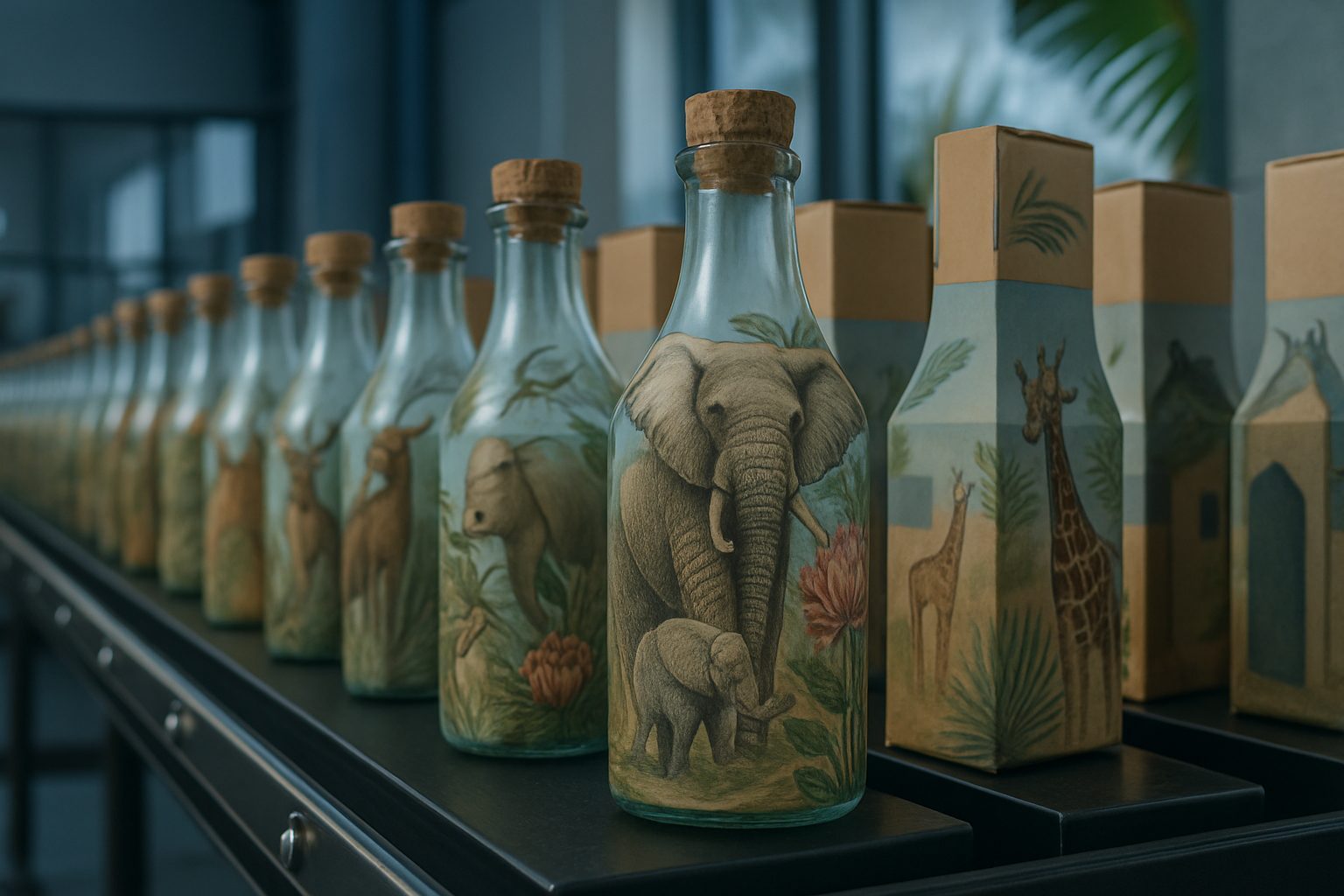
Lodge amenity short run booked through Riverside showroom.
View →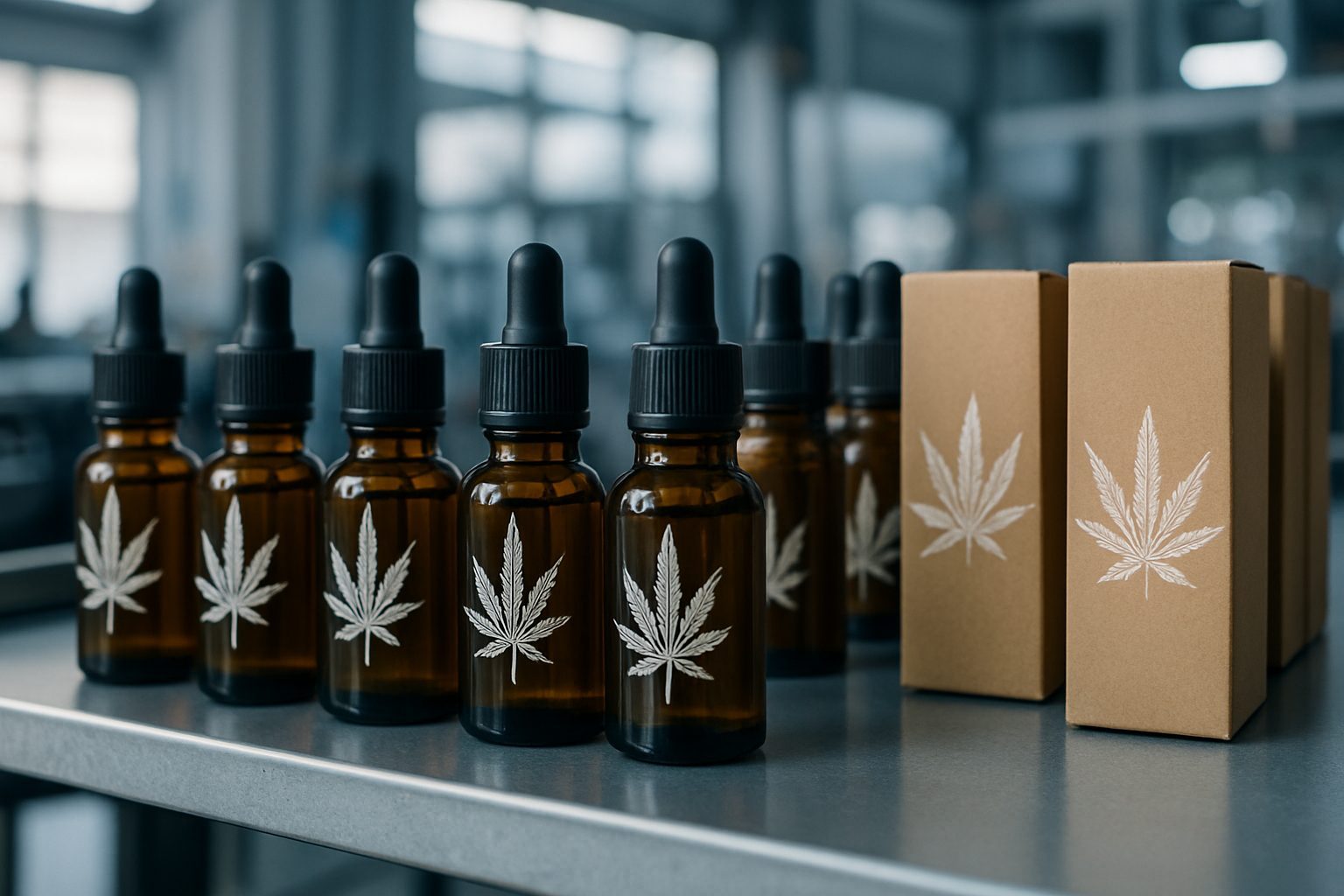
Amber glass CBD bottles with GlassGuard Soft and Sample Lab Day.
View →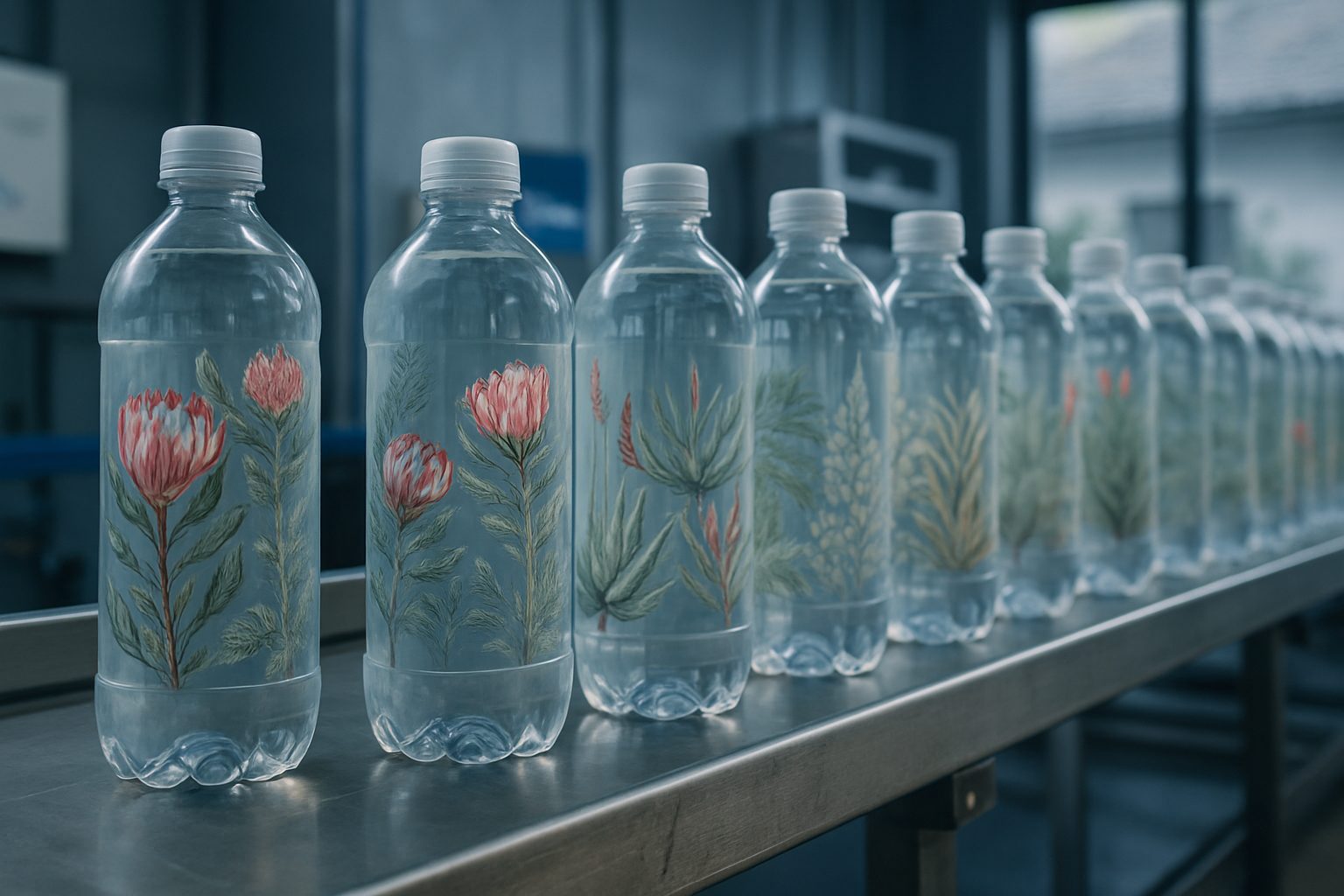
Crystal PET water with PETClear Soft fixtures.
View →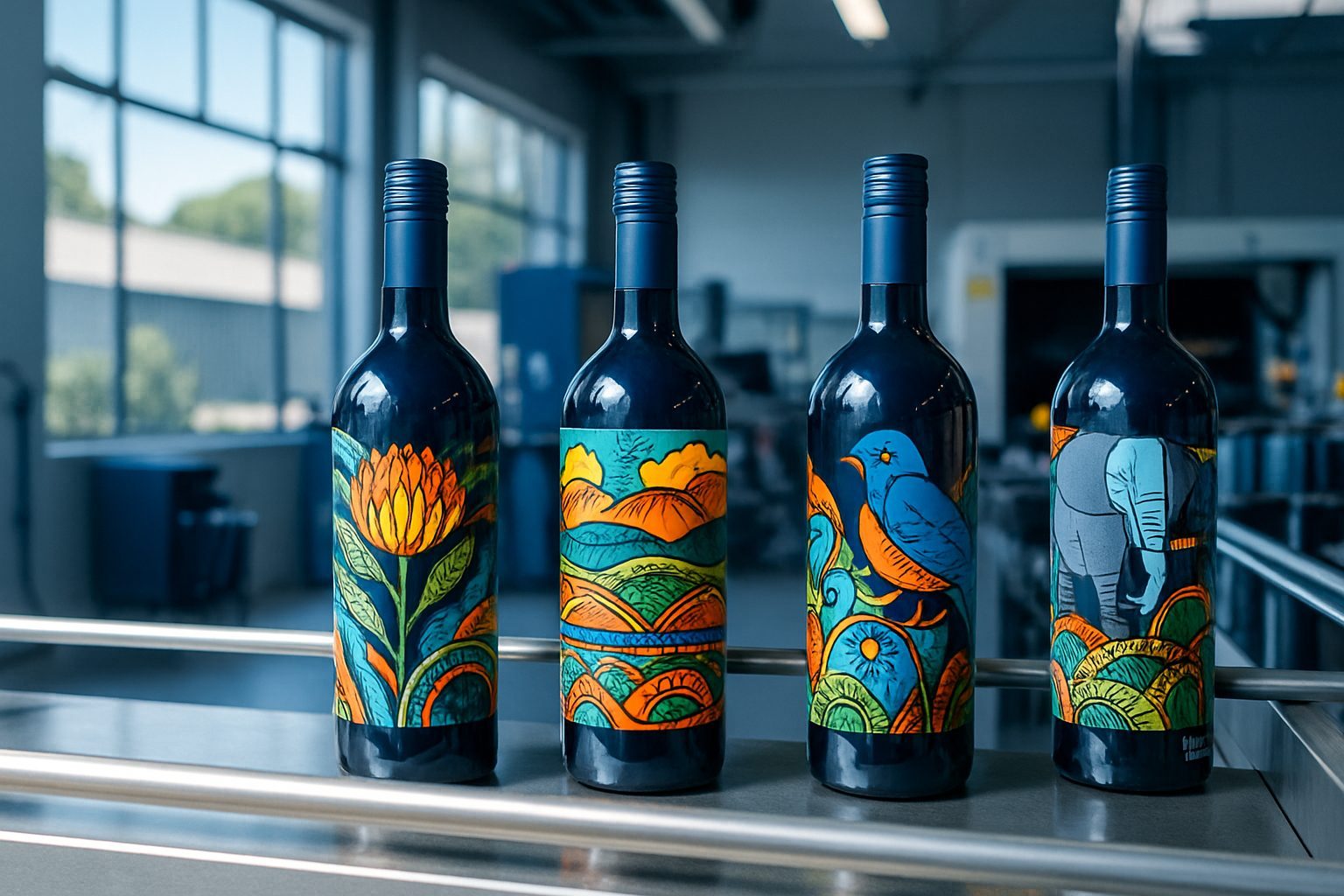
Open lab day showcasing Cylinder, Flat Panel, and CureCheck for trade visitors.
View →This section focuses on practical decoration kits and sample runs completed around South Africa, from Stellenbosch estate MCC to Durban PET cold brew and Pretoria promo fleets. If you manage brand launches, retail lines, or hospitality supply, these examples show what can survive shelf-handling, transit, and the floor. Owners, factory foremen, print room managers, and designers will find local proof of how our equipment works on bottles, jars, pumps, and specialty packs. A project here gives you a real-world check against what’s possible for different finishes, bottle shapes, and order sizes, so you can plan for both your label and direct-printed SKUs.
Start by matching your bottle and closure type to what’s shown. For example, if you are launching a skincare line with pumps and jar lids, see the Sandton skincare launch or Bellville personal care for solutions using Flat Panel, CapPrint, and pump decoration. Wine sellers and estate cellars should look at Stellenbosch estate MCC and Paarl wine cellar door to understand UV decoration beside traditional paper labelling. If your work involves PET packaging or short-run trial packs, review the Durban cold brew PET and Midrand dairy pilot. These choices help you check for surface compatibility, branding consistency, and the right handling fixtures to keep colour where it should be, even if a load-shedding slot moves your packing window.
Not all jobs need the same print system or fixture. Large winery orders and mineral water lines need different grip and cure times to boutique hotels or seasonal gift sets. For example, amenities for coastal hotels, like the Umhlanga hotel amenities or Mbombela lodge kit, call for soft jaws and salt- and humidity-tolerant UV panels, especially with airfreight and tight linen cycles. Activation and promo runs, such as seen in the Pretoria promo fleet, usually mean quick-turn bottle changes, with graphics that must survive box rub and hand-outs. Always check for matching underbase and cap finishes, especially if packing mixed glass and PET, or using both labels and direct print on the same SKU.
Some buyers compare outputs between unrelated bottle types, such as glass MCC against PET soft drinks. This leads to mismatched expectations, especially in touch, gloss, and scratch resistance. Another common mistake is overlooking closure compatibility, pump heads and lids need different fixtures and ink settings compared to straight-sided bottles. If your brief involves shelf exposure or cross-country delivery, always check how examples handle local hazards like Highveld dust or Cape Town’s moisture. Finally, avoid picking a project for its look alone; focus on your supply chain and shelf life needs first, then see which finish and equipment delivered that result.
If your project doesn’t exactly match what you see here, or you want to know how a specific finish will handle your bottle type or region, send a message through our contact form. The team can advise which system, fixture, or sample kit will suit your floor and bottling schedule. You can also explore technical details and underbase options in the Resources or see what’s available on trial in the Catalogue. There is no guesswork, just straightforward advice based on the real jobs we’ve handled in Gauteng, KZN, the Cape, and beyond. Don’t miss out on the support or sample notes that could save your launch from a sticky situation.
Our contact form · Sunnyrock applications lab