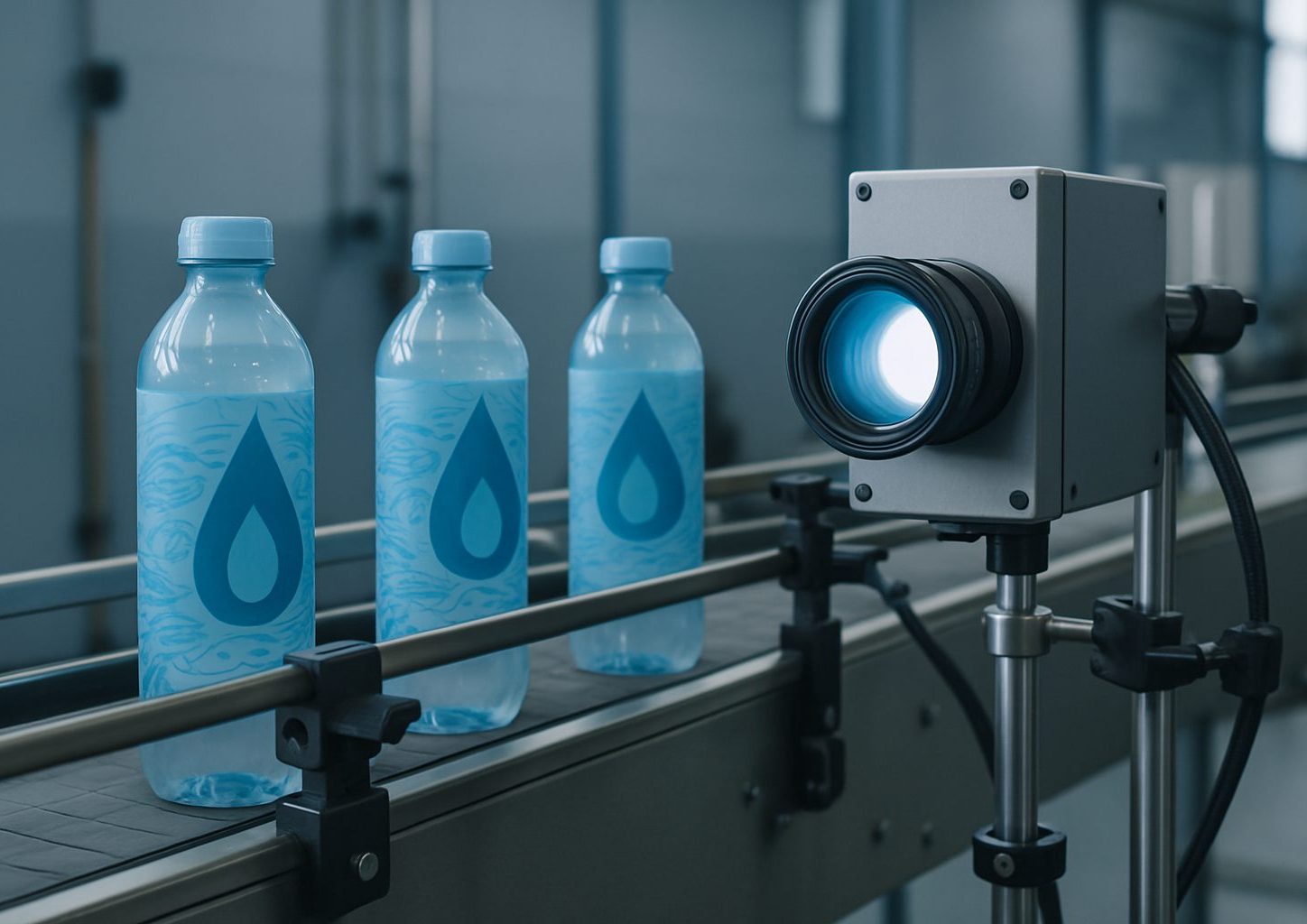
Get the right fixtures and nests for SleeveAlign Assist. Designed for fast changes, stubborn alignment and real-world bottle lines from Durban to Paarl.
Use Cases · Notes · Contact us.
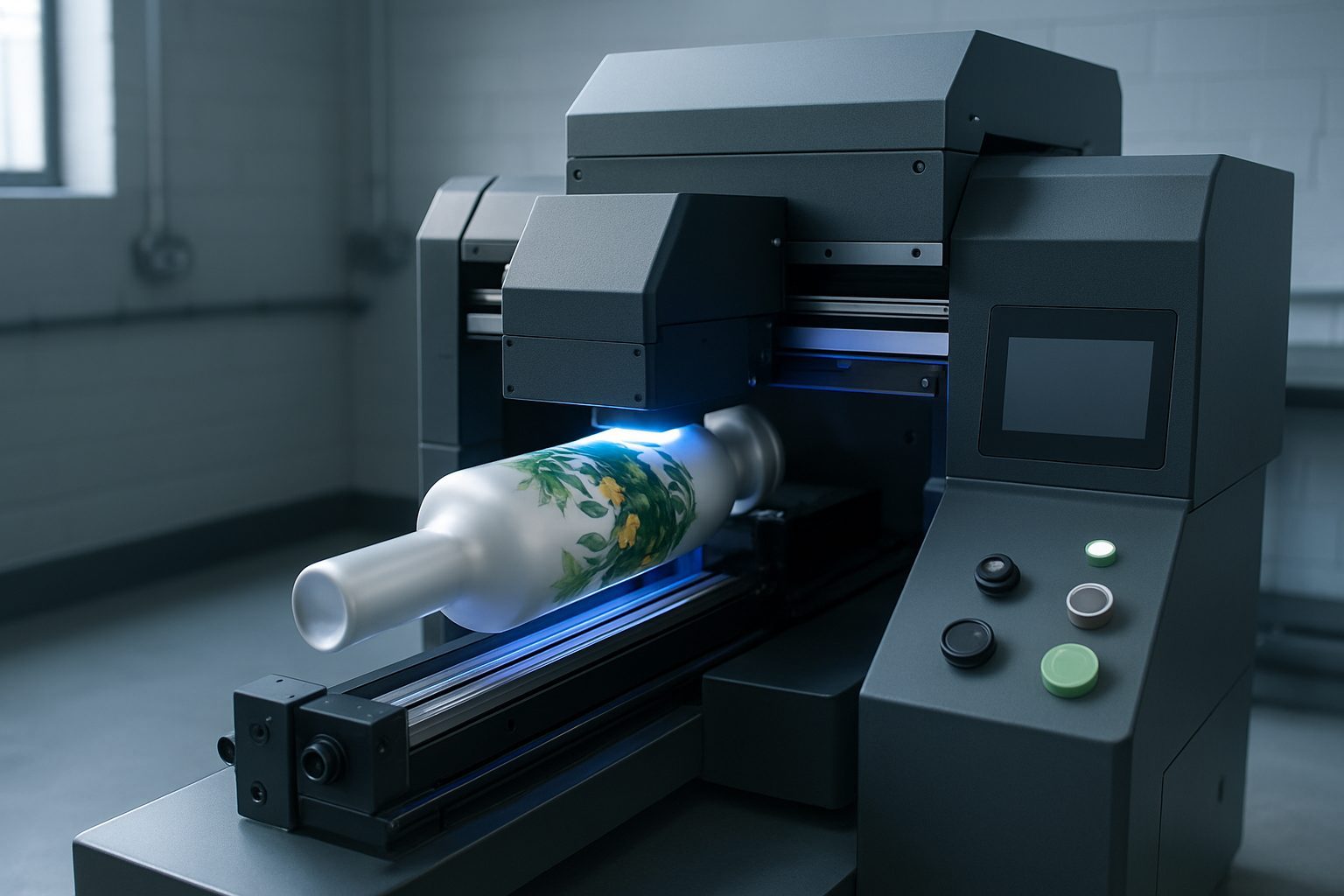
SleeveAlign Assist fixtures, nests and accessories are built to help your bottle lines keep registration tight and downtime short when applying sleeves or setting up bottle decoration. Each kit works with the SleeveAlign Assist system, pairing manual handling with alignment tools for rounds, ovals or odd shapes. We build them for the real shape variance you see moving between Gauteng, Cape Town or Durban. They suit teams working in craft beverage, skin care, and promotional lines that need sleeves to land true without chasing a misaligned print for hours.
Teams running small batch or frequent changeovers will benefit from how quickly you can swap between nests and fixtures, without hunting for shims or custom blocks. If your job is high-volume, single-shape and runs 8 hours straight, you might be better off with a welded-position jig or a fixed nest. We’ll help you decide if a SleeveAlign Assist solution or a different fixture fits better for your floor’s realities.
A typical Gauteng craft beverage line runs PET and glass, with bottles coming from three moulds and two suppliers. Changeovers happen after every 800-litre batch. Here, SleeveAlign Assist nests keep the bottle centred and upright - important when sleeves are fussy or variation creeps in. On busy afternoons, operators swop from a 500 ml round to 330 ml stubby using a marked nest, not a universal clamp. The foreman usually tracks downtime and will call for a swap if the nest no longer matches the bottle lot. No QR codes or barcode scans, just practical, labelled fixtures. If you are dealing with load-shedding, the system’s manual alignment means you can keep prepping bottles off-line with only hand tools and a torch, if needed.
Our fixtures stand up to Highveld dust, coastal humidity and repeats on the same production bench. The materials are chosen for easy cleaning and fast checks during municipal spot visits. Most weeks, teams find they spend less time adjusting and more time filling the next bulk order.
SleeveAlign Assist fixtures suit workshops and small factories where every minute between orders counts. If your team works on tight delivery schedules and bottle shapes drift between runs, these tools keep the line honest. They are less suited to automated filling rooms pushing 30,000 units a day, or companies where every bottle in the lot is identical for months. There, a permanent steel jig, welded in place, may be faster long-term.
If you are new to sleeves or shifting from hand-applied labels, starting with our kit will let your team adapt without major downtime. But if your foreman already hates fiddly clamps, talk to us before ordering. We want the fixture to fit your floor, not crowd it, and never force a process onto a team already in rhythm.
Before you send a message through our contact form, put together a short set of facts so we can match the right fixture to your lot. Two clear photos of your bottle, with something next to it for scale - a ruler, notepad or even a 2-litre bottle - help us see the problem. State your city and whether your process is manual or semi-auto. Describe your timing window to help us plan transport between, for example, Durban and Paarl.
If you have a drawing set or a spec sheet, attach it, even if it’s marked up and messy. A short note describing the problem or the constraint (like neck variance or shelf rub) is worth more than a fancy presentation. We keep internal notes on what failed in past briefs, so we avoid repeating mistakes. If you aren’t sure, ask. We prefer a fast, practical exchange, not a brochure loop.
Most teams underestimate the time needed to brief the strike window - the zone where sleeves must land perfectly, not just ‘mostly’. If you skip this step, you’ll likely pay extra for a second fixture or a re-visit, especially when working across distances like Germiston to Polokwane. Some miss the impact of bottle shape shifts between batches, or forget about finish compatibility before picking a nest. Others don’t plan for cleaning cycles or operator turnover, which can affect how long a fixture stays accurate.
Our advice: write down your main constraint before picking a fixture, nest or alignment tool. If you’re between two options, pick the one your crew can adjust with simple tools, not a specialist. This approach typically handles South African floor churn better than a more complicated setup. We track what fails so no one repeats it, but your site notes are the single best input. You’ll find more advice on use-cases, the main SleeveAlign Assist page, and in our notes from the floor.
Verified Google reviews
Our contact form · Sunnyrock applications lab