Note

Building a catalogue path

A clear catalogue path helps teams avoid confusion, delays and rework in UV bottle decoration. Here we set out the practical steps, who it helps, what to send, and what to watch for.

Keep exploring

Use Cases · Systems · Contact us.
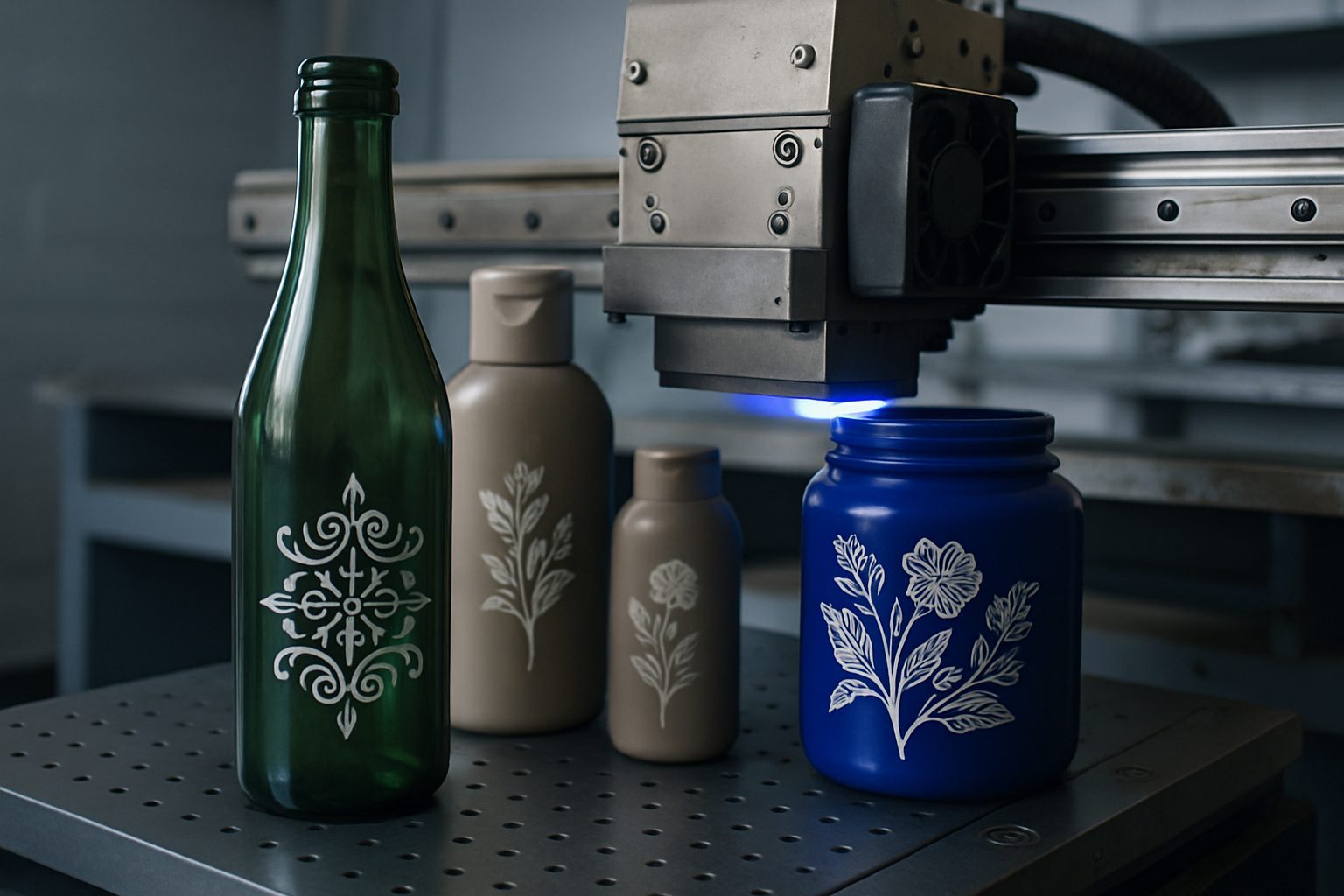
Sample first

Never skip the lab day.

Fixture library

RingGrip jaws scale with the line.

Email our contact form

Catalogue path is confirmed by email.
What a catalogue path means in bottle decoration

A catalogue path is a step-by-step plan that takes your team from first sample to a working bottle decoration line, mapped for your exact space and process. It covers every step, from testing on Sample Lab Day to running a MiniLine Compact in your bay. This approach works best for teams in beverage, skincare or promo who want to brief contractors or internal crews without repeated clarifications. The path works for sites in the Winelands, Kimberley, Durban or Gauteng industrial parks where time, access or power constraints mean detail matters. It is not a fit if you want a generic print quote without looking at site constraints first, or if your bottle range changes every week.

Who benefits from a catalogue path and who may not

Teams dealing with multiple bottle formats, tight urban spaces, or local utility oddities (like variable three-phase supply or regular load-shedding) gain the most from this approach. Owners who want each new SKU to flow into the same process also see real value. If you are running a single annual batch or everything is contract-filled off site, a detailed path may be extra admin.

How it works in South African businesses

We start by asking for the real site constraint, not just the finish or print you want. It might be an awkward roller door in Bloemfontein, 230 V mains that drop under load, or a key resource only available on Mondays. We confirm that in a one-page brief before suggesting a system path. Only after that do we recommend fixture, ink and finish. At install, we walk the process with the person who will be on site. Afterwards, we log what failed last time, so you do not repeat it. This method is shaped by local issues, from Highveld dust to coastal humidity and municipal paperwork. It keeps lines running when a rush order or SARS check lands.

A short worked example from our floor

A Cape Town skincare company wanted to shift from hand-labelling to direct print. Their site had one entry point and staff who swapped between filling and decoration. We asked for two photos of the space and a short list of site constraints (timing, access and power). From there, we mapped a path: first, a sample set in our Jet Park sample bay; second, a one-page brief with their on-site process owner; third, selection of a MiniLine Compact with known UV ink for their bottle material; finally, a close-out note so staff on the late shift could pick up where the last shift left off. This cut out the guesswork, with no missed deliveries or chasing of missing info.

Checklist: what to prepare before you email us

Sending the right info early saves both teams time and cost. Before you use our contact form, gather these items for a smooth start. Even if your brief is rough, it is better to include real constraints than rush to finishes and ink. If you have a drawing set or a statement pack, attach it, even if it is hand-sketched or marked up for local contractors.

Pitfalls and how to avoid them

The biggest trap we see is picking a finish or ink before writing down the constraint. That nearly always leads to rushed changes or a panic call on launch week. Not naming an on-site owner is another big miss, handover falls flat if no one is clearly in charge. South African businesses often assume municipal paperwork or three-phase supply will sort itself out in time. In our experience, planning for these (and load-shedding) avoids last-minute costs. After each job, we keep a short note on what failed, so the mistake does not repeat next time.

For more practical steps, see Use-cases, or explore Logged cure for small formats for specific technical notes.

Talk to BottlePrinter Lab

Our contact form · Sunnyrock applications lab