Note

Cure windows that survive transit

CureCheck Lab focuses on cure windows that hold up across tough South African routes. See real notes and checklists used to stop bottle label failures after packing.

Keep exploring

Use Cases · Systems · Contact us.
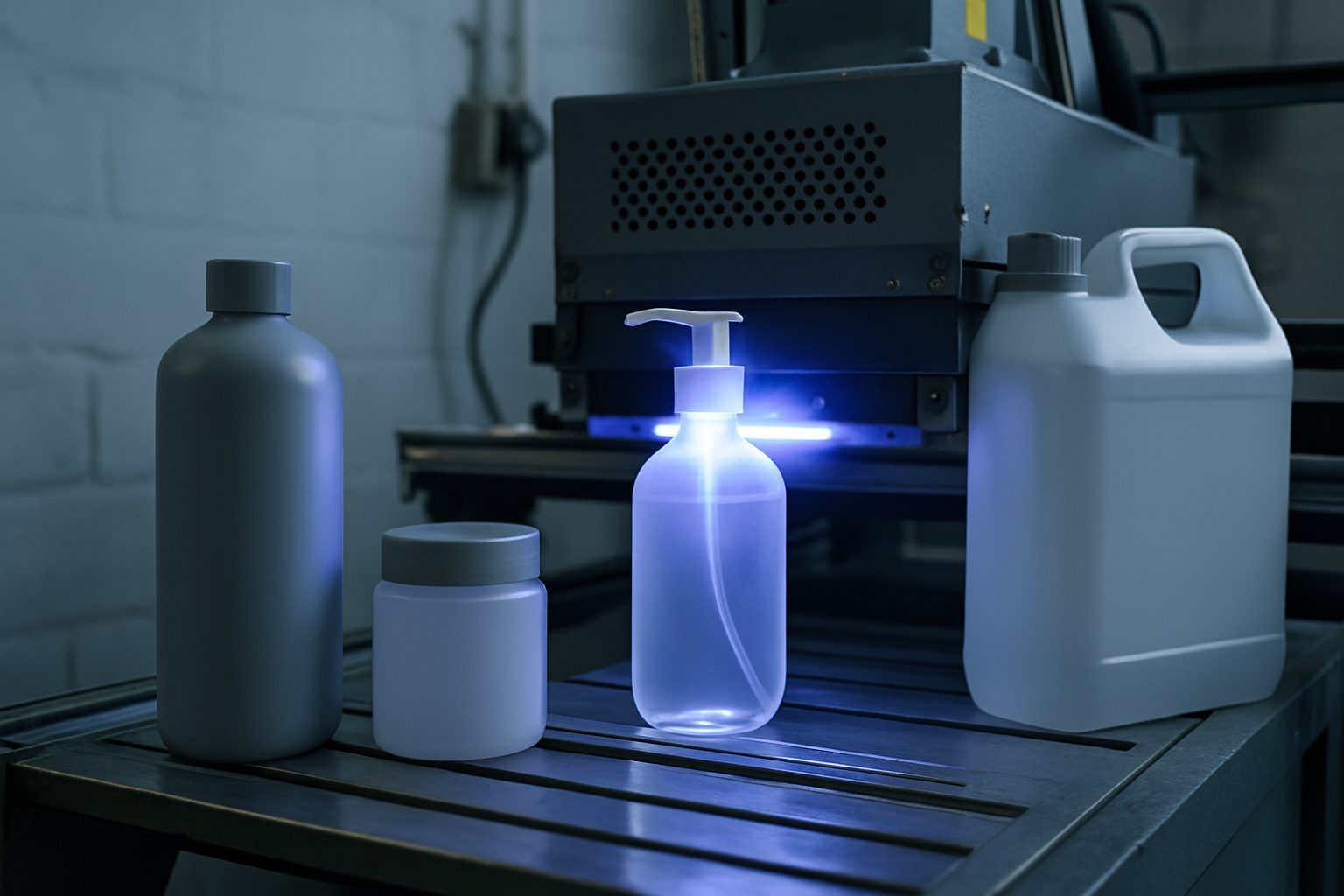
Transit is the test

Adhesion that looks fine in the lab can fail in summer heat.

Coupon every SKU

Glass and PET coupons live with the recipe.

Email the log

our contact form gets the PDF with your Sample Lab Day.
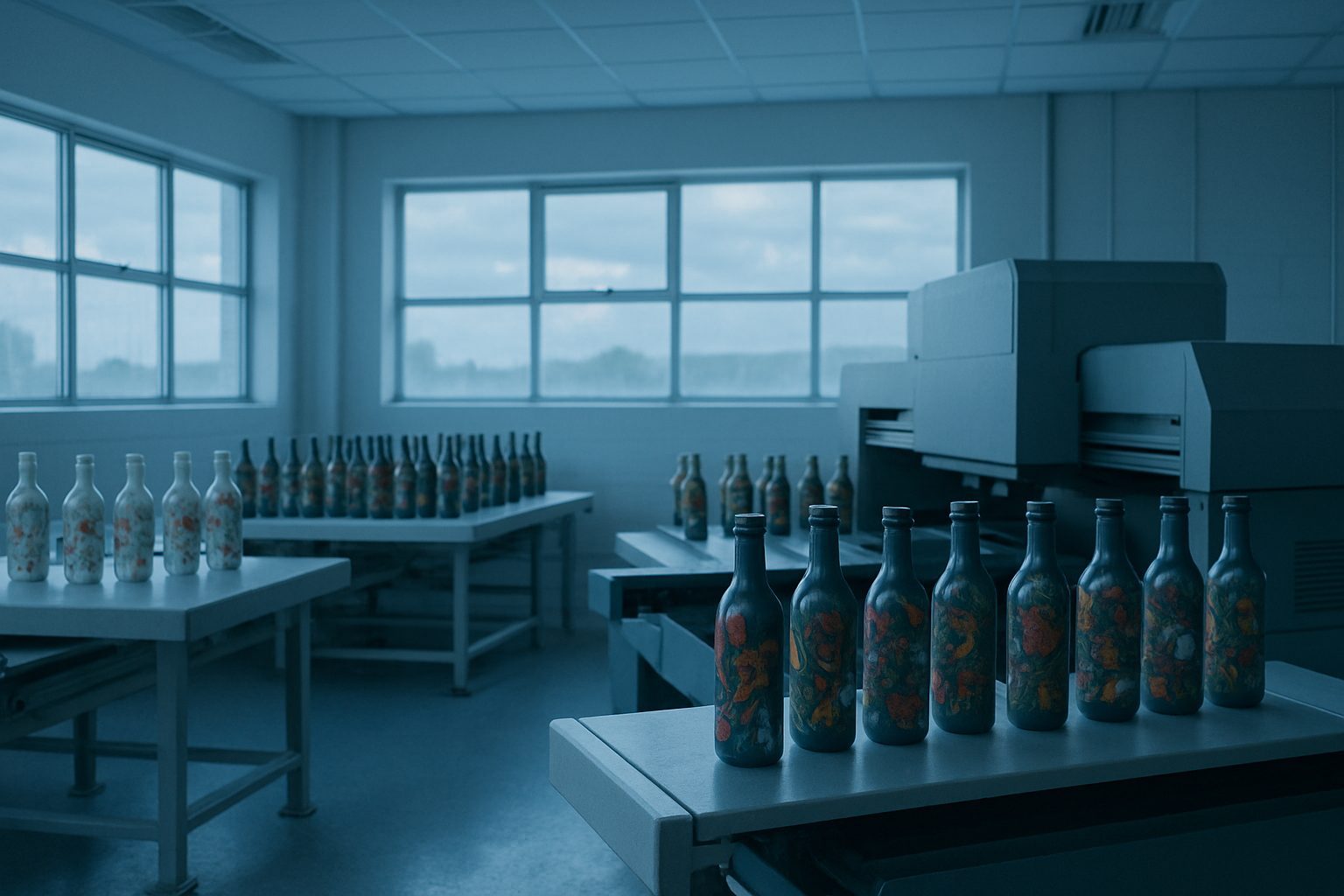
What is a cure window in UV bottle decoration?

A cure window is the verified time and exposure needed for UV ink, varnish or adhesive to harden so it survives packing, loading and handling. It matters when bottles get compressed in cartons or shifted on pallets, especially on long-haul routes like the N3 or during coastal offloads. If the cure window is not set for your exact bottle, finish and factory rhythm, decoration can delaminate, smudge or lift. We work with many local teams in places like Midrand, George and Germiston who run into this while scaling up from test batches to full-day production.

Who needs this, and when CureCheck is not a fit

This approach is built for craft beverage lines, personal care fillers and anyone producing promotional runs who wants bottle decoration that does not rub or flake with normal handling. If you have a tight packing window, variable shift crew or changeover-heavy production, it’s especially helpful. It’s less relevant if you only do short hobby runs, or if you seal decorated bottles in individual cartons straight from the printer. Municipal works and contract packers who receive bulk bottles from different sources benefit most from a cure process that matches their actual workflow rather than what’s printed on an ink supplier’s reference sheet.

How CureCheck Lab handles South African floor realities

We’ve seen the results when load-shedding interrupts the curing station or when Highveld dust settles on freshly printed bottles. The cure window process starts with a frank site note - power, access, shift timing and who signs off on the day. The first step is a one-page brief shared with the system operator or foreman. From there, we match the right UV system and ink to those constraints. Each install or sample run is walked through live with the on-site role who will run the floor plan. Our own notes come from jobs in Gauteng, Cape Town and coastal bays, and we always include what failed last time so it’s not repeated.

A worked example: Cure window on the N3 corridor

In one recent run, a Midrand beverage bottler saw bottle gloss delaminating after transport to Durban. Their crew skipped the step of checking the site’s three-phase supply stability. CureCheck Lab was called in after two rounds of wasted stock. Together, we mapped a cure window that could handle power dips and staggered carton sealing. We tested cure times under actual plant lighting and packed a sample batch, then rode with it down the N3. Decoration survived stacking, humidity and cross-dock handling. This method gets repeated at other sites, and the main reason is its practical, not theoretical, approach.

Prepare before you email the team

Our notes are practical because they come straight from the floor. Before you contact us, pull together a few essentials. If you are briefing us for the first time, two photos of the bottle and a timing window help us get started. A drawing or even a messy statement pack gives more context. It does not need to be pretty. The operator always prefers an honest constraint list over a fancy presentation. Send your brief through our contact form, and mention 'Cure windows that survive transit' in your subject line so we match your request fast.

Common pitfalls and how to avoid repeat failures

The most common mistake we see is picking a finish or ink based on looks alone, without writing down the site constraint first. Teams that skip this step usually pay in lost time or a second contractor visit. The other pitfall is assuming the cure window set in a demo room matches actual shift conditions, especially with the Highveld’s dust or Cape Town’s humidity swings. Always check power and shift details, and never assume a reference brochure applies to your floor. If you want more examples or want to see similar use-cases, browse our notes section and the use-cases page.

Talk to BottlePrinter Lab

Our contact form · Sunnyrock applications lab