Note

Registration marks that crews trust

Registration marks crews can trust: visible, step-by-step, even on the night shift. We show what suits local bottle rooms, and what to get right before you brief us.

Keep exploring

Use Cases · Systems · Contact us.
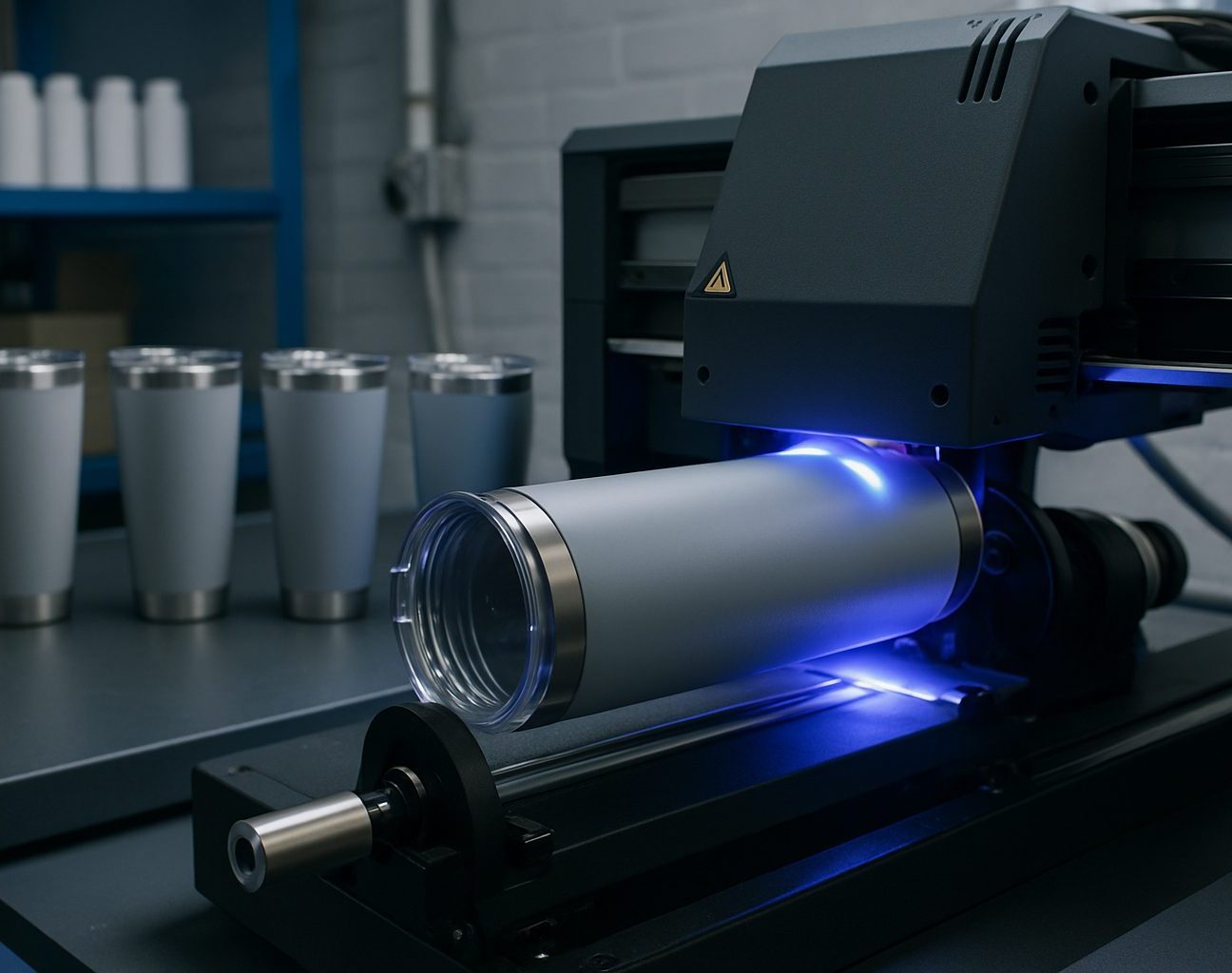
Marks must be obvious

Tiny marks fail under yellow light.

Pass/fail logs

Camera results sit with the SKU recipe.

Juice lines care

High sleeve use means high registration risk.

Who needs reliable registration marks and who does not

If your line runs craft beverages, cosmetic batches or branded promos where the decoration must land spot-on every time, clear registration marks matter. This includes Gauteng factories with mixed shifts, Worcester shops with contractors, and Durban studios where every handover counts. Teams who keep bottle runs simple, low-volume, or stick to paper labels may not need UV registration marks: a pencil dot or tape guideline will do. But as soon as your run crosses shifts, involves third-party crews, or relies on mechanical alignment, visible marks cut risk. If you have ever redone a batch after a finish mismatch, you know the need.

How registration marks work on South African floors

We see the same ask from Mbombela through Cape Town: marks that survive packing, 230 V interruptions, and Highveld dust. SleeveAlign offers a UV-readable mark, clear to operators at 2am or during a quick swap after a thunderstorm stoppage. The marks sit on the art, not the bottle base, so no more arguments between day and night crews. They are visible to human eyes and to camera gates on modern UV print lines. In Gqeberha, we have crews who brief contractors in one A4 page, no extra meeting needed, because the mark sequence is predictable. Most print rooms prefer marks that fit their workflow, not the other way round.

A typical order of work for mark setup

South African bottle sites, whether in Germiston or Bloemfontein, run smoother when they document the key constraint upfront. Skipping this step often leads to overtime or a frustrating second visit. Here’s what we check before recommending a registration mark approach: first, confirm the process or site constraint (power, access, shift timing, finish type). Second, match the SleeveAlign or UV art mark system to your brief. Third, walk the job with the person signing off, preferably the on-site owner, not just a manager on email. Fourth, leave a close-out note so the next shift does not guess where the last person left off. You can see similar notes on Promo bottles that photograph or our changeover discipline tips.

Worked example: Worcester promo run on PET

A Worcester brand needed 5 000 PET promo bottles printed for a municipal event, with day and night crews. Site constraints included a soft 14:00 handover, spotty three-phase supply, and variable contractor teams. We sent a simple sequence: SleeveAlign marks, with UV-readable icons placed at the neck and shoulder. The close-out note template was filled in at shift change, two lines on what was done and where to restart. The promo line ran 23 hours with no registration failures, even with three different operators. No second meeting needed. Only visible, foolproof marks and a clear brief.

What to prepare before emailing us

We work best when you brief us plainly, with your main constraint on page one. Photos of your current line (even on a phone), a timing window, and if you have it, a drawing or statement pack help us respond with a practical mark plan. If your team has run into issues before, like registration slipping after a varnish change or handling mark confusion with contract crews, mention it upfront. This saves time and keeps rand spend focused on fixes, not repeats.

If you want to see more, browse Use-cases or systems details for adjacent applications. To start a mark brief or book a walkthrough at our Jet Park bay, send a message through our contact form and mention 'registration marks'.

Common pitfalls and fixes

Teams that skip the constraint step usually face rework, rush fees, or confused contractors. Marks that are too faint to see on a night shift do not help. Assuming your contractor or internal crew will invent the right mark sequence leads to drift and frustration. We keep internal notes after each job, dates, constraints, and a one-sentence fix, to avoid repeat mistakes. The process is not fancy, but it works in Polokwane as well as Germiston. UV marks are only as good as the process and the briefing behind them.

Talk to BottlePrinter Lab

Our contact form · Sunnyrock applications lab