Note

Soft-touch varnish decisions

Soft-touch varnish gives skincare and wellness brands a tangible edge, but is not always the right fit. Here is when to use it, and when to go with gloss.

Keep exploring

Use Cases · Systems · Contact us.
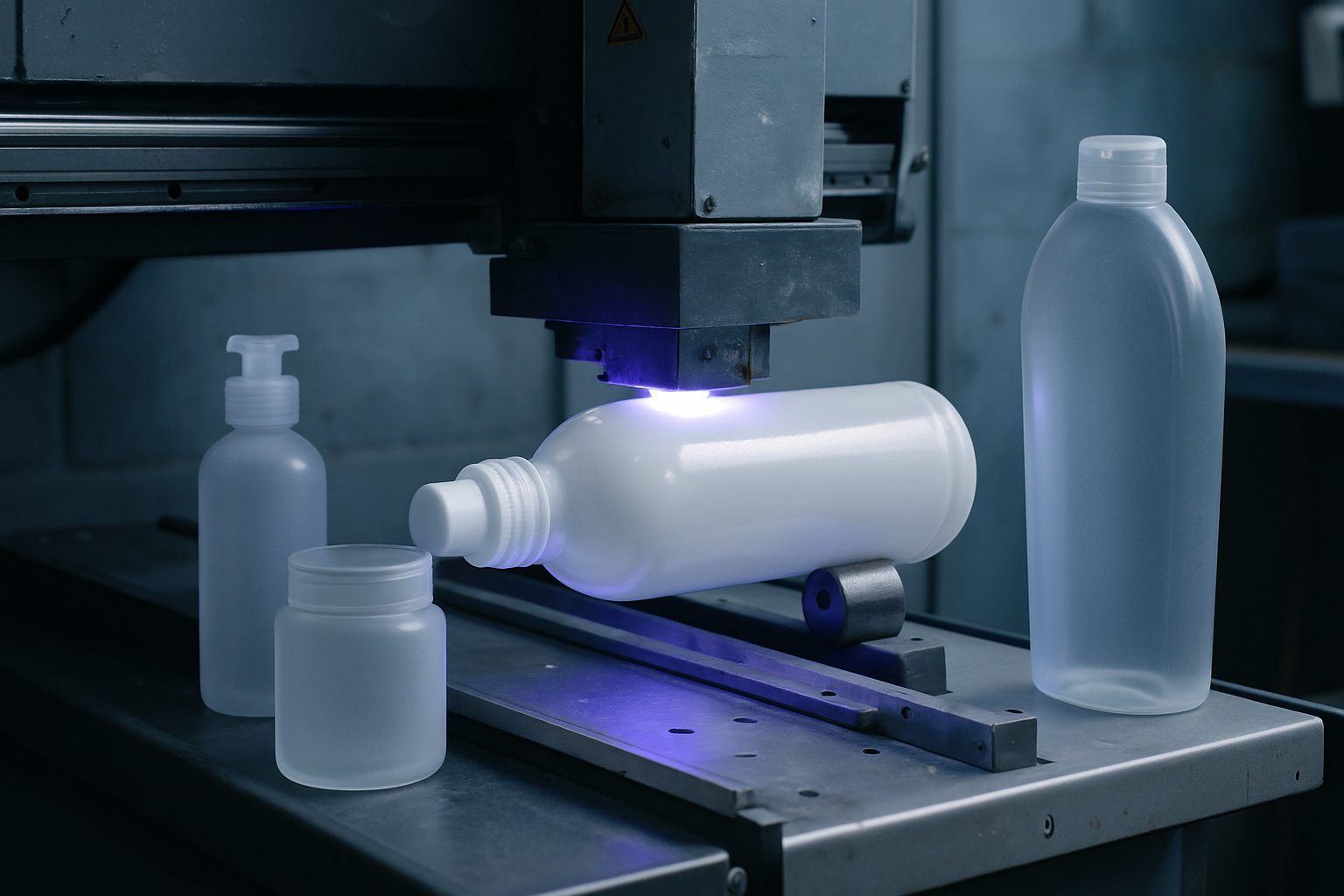
Touch is brand

Skincare lids often want soft-touch.

Beverages differ

Craft cans and bottles may prefer gloss.

One cart, two modes

InkFlow doses either path.
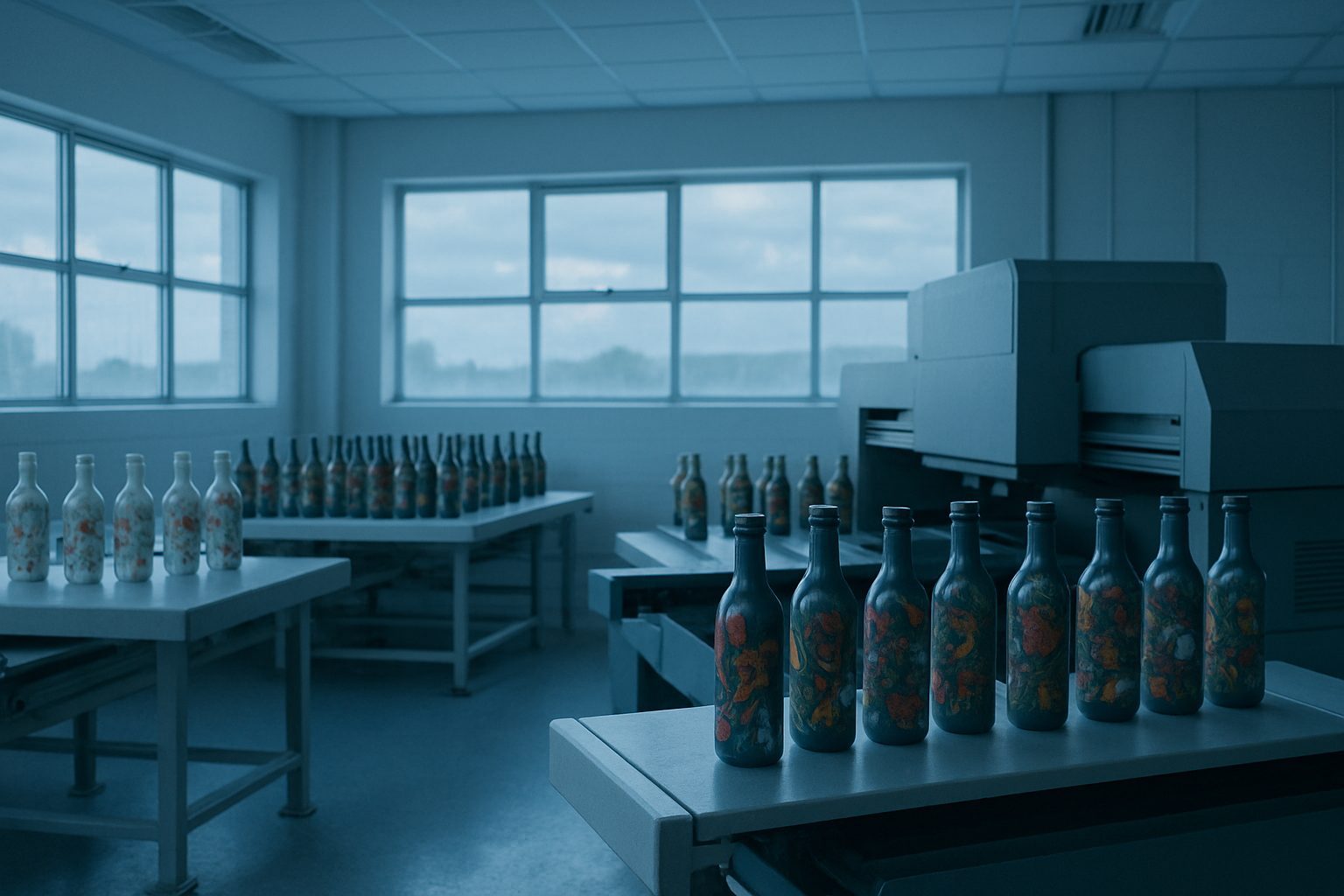
What soft-touch varnish is, and where it works best

Soft-touch varnish is a clear coating applied over UV ink that gives bottles a velvety, almost powder-matte feel. Many skincare lines in Sandton, Ballito or Stellenbosch request it to add physical appeal and stand out on shelf. It performs best on products that are handled gently: cosmetic serums, hand creams, premium waters or private label spirits meant for gifting. If your target user expects a tactile cue, something gentle to the touch, this finish usually delivers.

But soft-touch comes with trade-offs. It is less resistant to scuffing in high-abrasion settings: think of a promo energy drink bottle thrown in a rugby kit bag, or a bulk-packaged sauce bottle for a cash-and-carry in Polokwane. For those use cases, a standard gloss or semi-matt UV varnish, which shrugs off transit and shelf handling, will keep your print crisp and presentable.

Who should brief in soft-touch, and who should not

Choose soft-touch varnish for product lines where the bottle is part of the brand experience, especially direct-to-consumer launches or when repeat purchase matters. Skincare, boutique gin, wellness and even cold-pressed juice brands win here, provided the bottle is not exposed to frequent rubbing, damp shelf edges, or repeat crate cycles.

If you are running promo runs aimed at outdoor events, fast-moving goods at wholesale, or anything involving tough handling from dispatch to shelf in Gqeberha or Durban, keep to gloss or textured varnishes. Owners and operators in Honeydew and Montague Gardens often revert to gloss after a test batch, once the reality of South African supply chain handling kicks in. Our finishes guide covers typical scenarios.

How we decide: constraints come first

Every successful batch starts with a clear constraint list. Some teams write it out as ‘power: three-phase only from 06:00 to 14:00’, ‘site: narrow access’, or ‘owner: foreman must sign off before shift swap’. Other briefs flag product context, like ‘bottles are shrink-wrapped at dispatch’ or ‘cartons restack for cross-province loads’. These details decide whether soft-touch makes sense, or if gloss is safer.

We usually ask for (1) a one-page brief, (2) clarity on who signs off on site, (3) the site constraint that matters most, and (4) a closure note template. If you are unsure, email us and mention your main project pressure.

What we look for on South African floors

We walk each install plan with the person who will handle the actual shift, never just a head office spec. That means accounting for load-shedding schedules, Highveld dust, or coastal humidity affecting cure times. In our Germiston bay, we have seen soft-touch last well for luxury skincare bottles, but rub off too soon on promo sports drinks meant for wide distribution.

Every note we keep after a job is brief: date, site, what went wrong, and the fix. For example, a Midrand skincare brand found uncoated cartons scuffed the soft-touch finish in transit; switching to lined boxes solved it. If it is your first time briefing us, two photos of your packaging and a timing window help us check viability before you pay for a run. See more notes from our bench for similar jobs.

Short example: when soft-touch made sense (and when it did not)

One Jet Park project involved a high-end face oil packed in 100 ml amber bottles. The client wanted soft-touch for both look and feel. Trial runs showed the finish worked beautifully for boutique stores in Gauteng, no rub-off, even after weeks on shelf. But when a second run went to a Durban wholesaler, the humid storage and tight carton packing scuffed the varnish. For that channel, we recommended switching to gloss for practical reasons.

Most of these discussions take two rounds: one to gather real constraints, one to test a sample and get feedback from the person on the floor. If your plan shifts due to a new distribution route or packaging spec, update us before confirming a print slot.

Checklist to prepare before you send a message through our contact form

The more detail you give upfront, the less chance of a false start or a costly second visit. If you have technical drawings, spec sheets or previous run notes, include them, even if rough. We flag what could go wrong before setup. If you want to scan related topics, try use-cases or our systems catalogue for adjacent solutions.

Talk to BottlePrinter Lab

Our contact form · Sunnyrock applications lab