How it works on the floor: settings and practical sequence
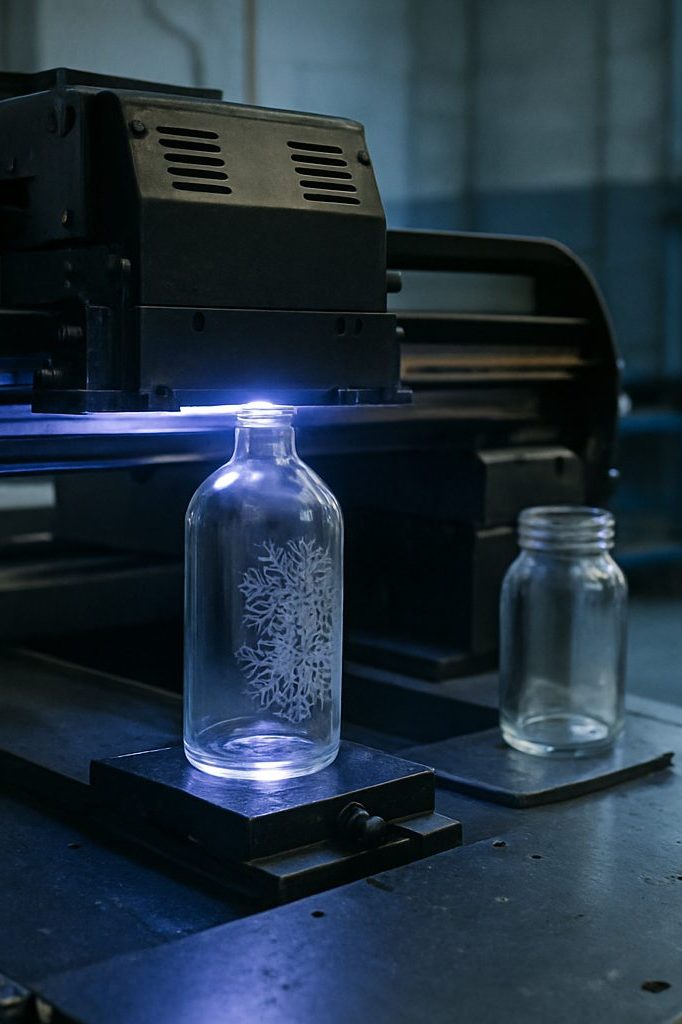
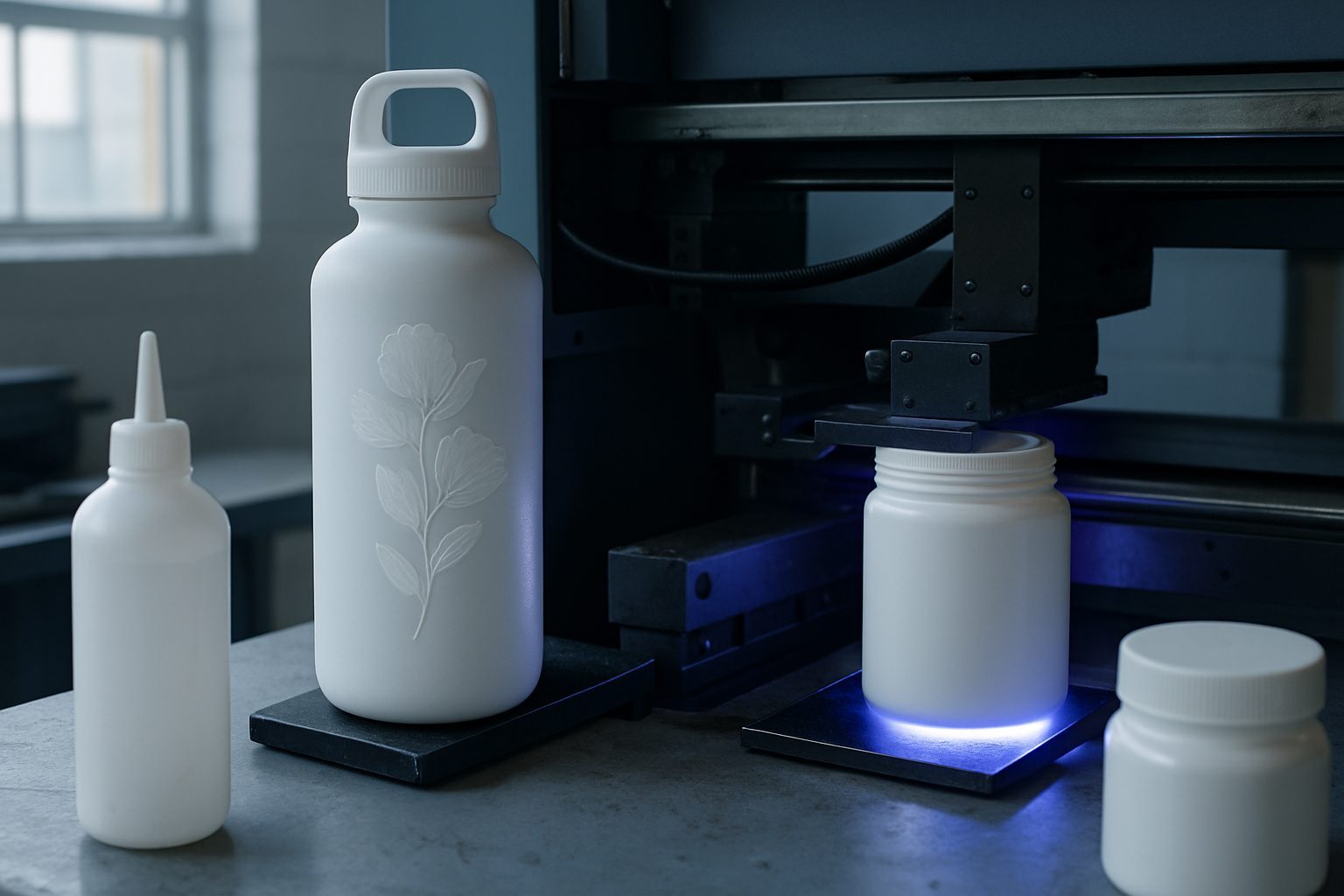
We set up InkFlow Station with specific layer heights, UV intensity, and print speeds for South African PET bottles, tested with both local and imported blanks. The key is a dense laydown of white that is not starved (which becomes see-through) and not overloaded (which leads to chalk). Power supply is a real-world constraint: fluctuating 230 V or three-phase interruptions during load-shedding can interfere with curing. A clear handover is needed between operators on shift, so no one skips dwell times or starts a run with half-set underbase. Before production, we always match the settings to the site’s humidity and bottle batch, not the generic spec sheet.
A usual order of work includes confirming constraints (like who signs off, what time the bay is available, what type of PET is on hand), picking the right mode on the InkFlow Station, walking the process plan with the on-site operator, and writing a short note after the job to guide the next team. This works for teams in Mbombela, Worcester, and any site fed up with guessing after the fact.