Midrand
A Midrand dairy needed fast, tough decoration on small bottle batches. Here we set out what was done, how it worked, and what we learnt for future pilots.
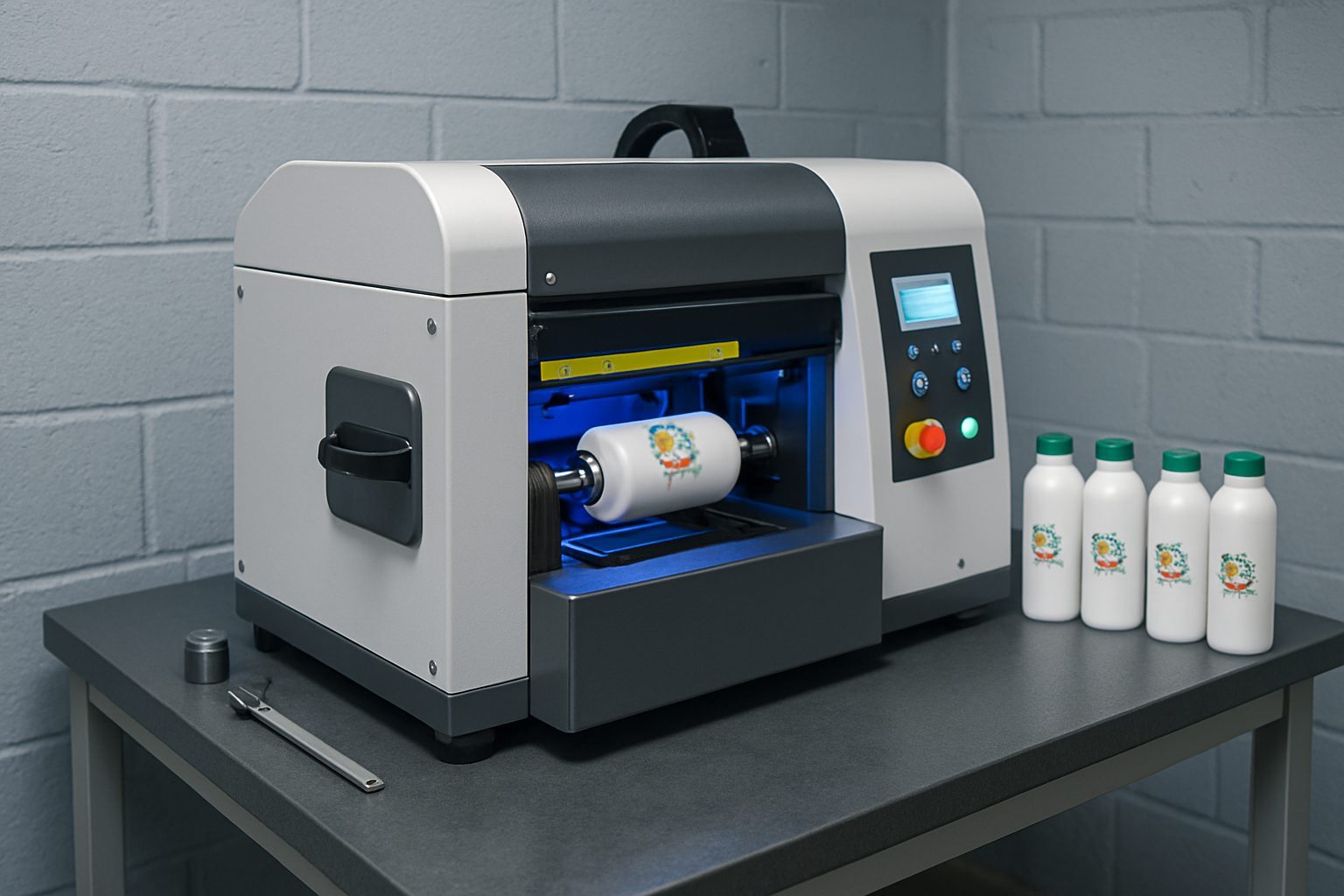
Compact UV decoration line for short-run craft and promo bottles without a full factory rebuild.
Explore →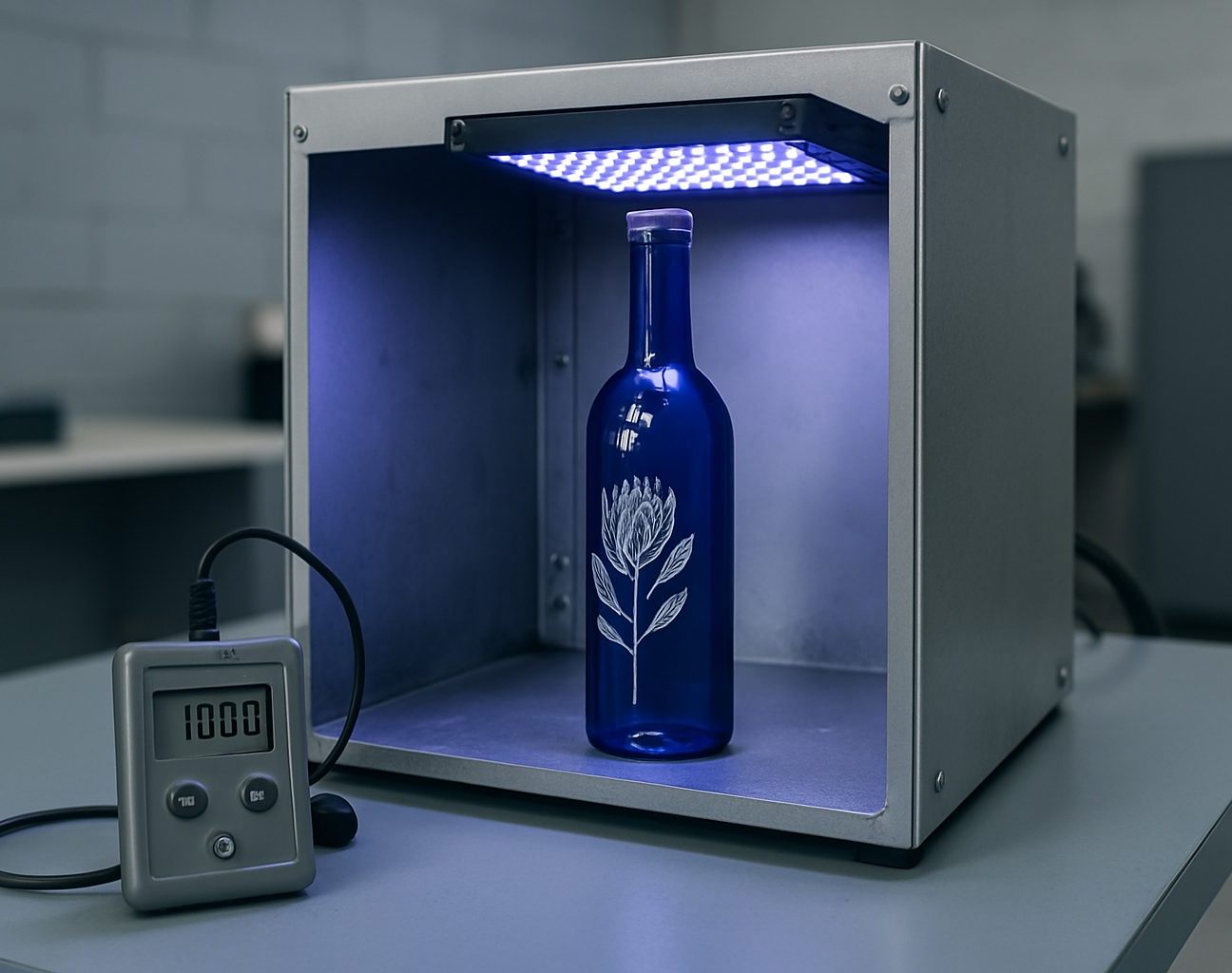
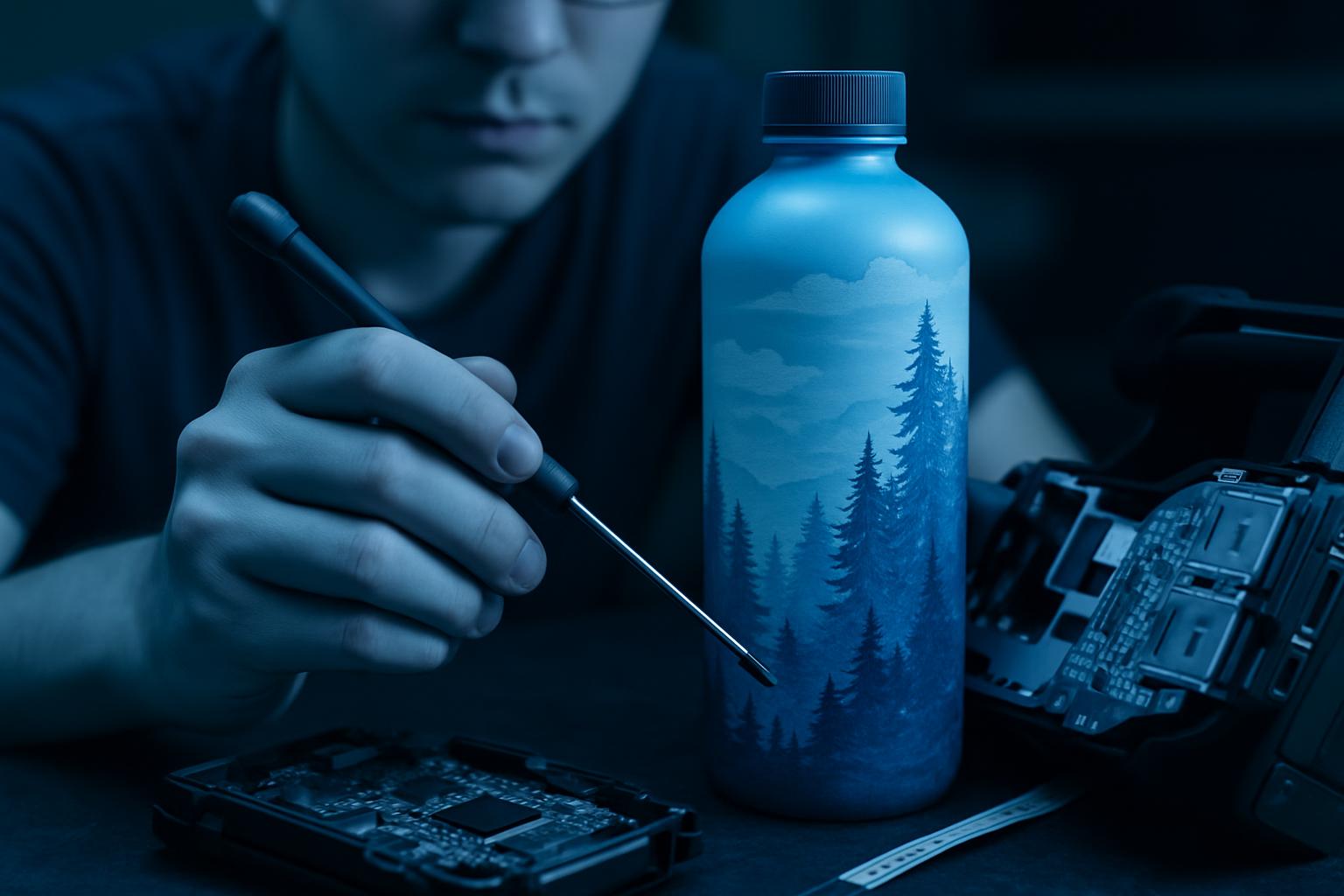
Radiometer kits and cure-window logging for honest ink adhesion on SA factory floors.
Explore →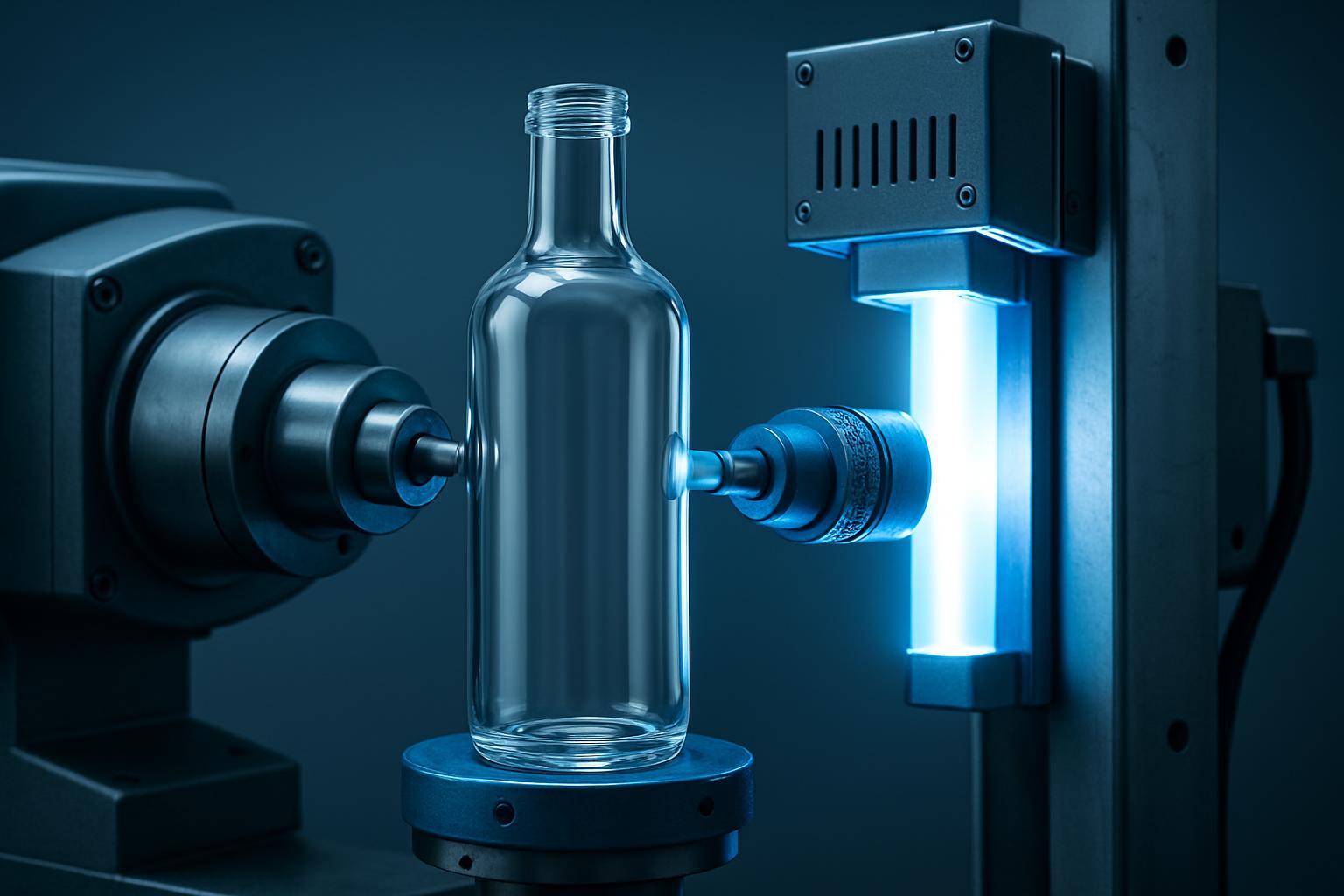
Rotary UV stations for cylindrical glass and PET, craft beverage ready with indexed fixtures.
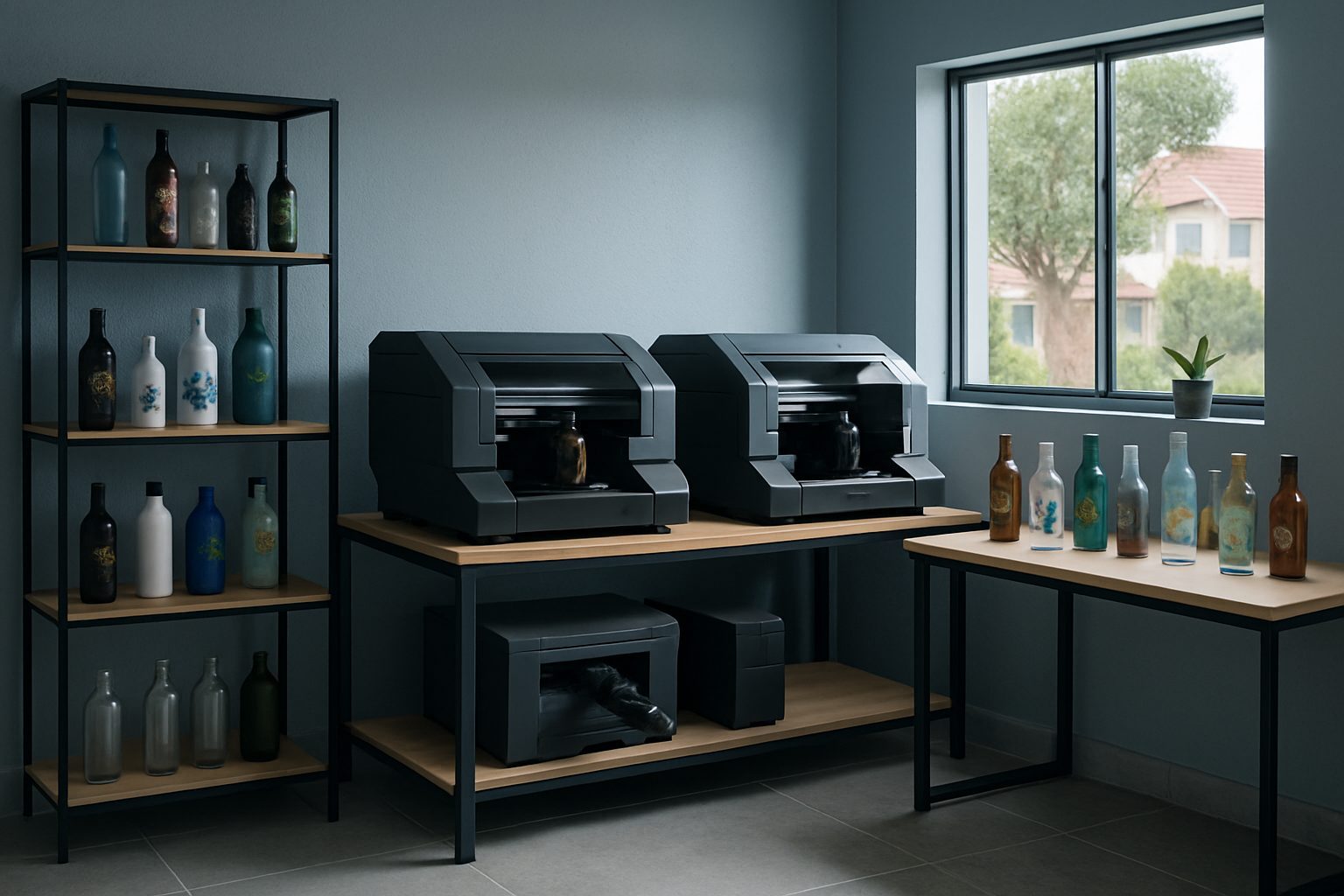
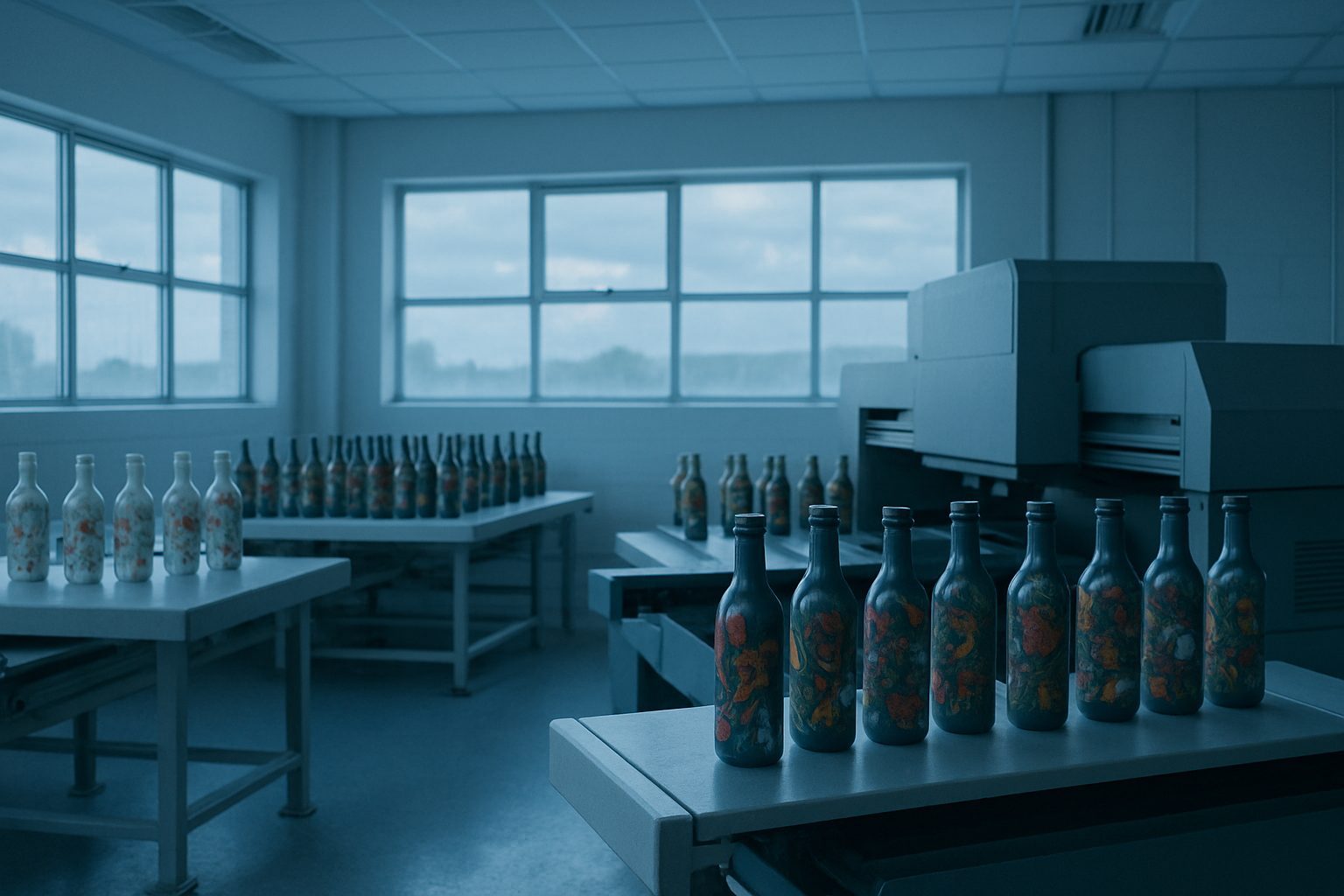
Explore →For this Midrand dairy, the aim was to test decorated bottle runs without holding up production or risking costly waste. We used our MiniLine system with CureCheck logs, making it possible to track every batch across loading, decoration and packing. The brief looked simple, but as usual, the real work started with mapping how bottles moved from one team to the next, who had to make sign-off calls, and what the plant could actually spare in time and space.
Small-batch pilots like this suit dairies and beverage producers looking to test new branding, formats or finishes before running full-scale lines. They are also ideal for businesses where managers want to see real bottle samples survive local handling, from Gauteng road dust to late shifts in a chilled store room. A pilot like this can be wrapped up in most weeks, but relies on honest info up front: actual crate counts, when the team is free, and which decision-maker is on site.
Short-run pilots suit owners and operators who want Swiss-precise bottle decoration that stands up to packing, shelf handling, and the knocks of real transport. It is well suited to new product launches, rebrands, seasonal batches, or when municipal or load-shedding schedules mean you only have small windows to run trial lines. This approach helps avoid slowdowns and surprises when moving to bigger runs.
However, if you need millions of bottles decorated to a single spec with zero line changes, or you run a plant where every shift is already at maximum, a pilot can become a distraction. It pays off most for teams willing to look at photos of the plant, pin down a strike or handoff window, and write their true constraints before deciding on inks or fixtures. If you expect a trouble-free job without any prep, this is probably not for you.
The process usually begins with a call or email outlining your needs. For the Midrand project, we started by listing all constraints: tight access, shared power, and crate handling. Each bottle batch was labelled with job details, and CureCheck logs were used to confirm the UV inks fully cured at each pass. The team agreed upfront on a handoff window, which allowed all sides to have the right people ready when jobs moved between benches.
Dry runs or 'try-ons' are strongly advised, especially if you have never trialled UV decoration systems. We fit these in when the timing allows, using actual bottles and typical handling scenarios. Experience from Worcester, Mbombela and Bloemfontein shows that site-specific details can trip up even a tidy plan. Shared power supplies, late arrivals from other teams, or too-optimistic access are common snags we address on the first call.
On this Midrand job, preparation centred on mapping when each crate could move and who had to sign off at each stage. In practice, morning load-ins worked best, with crates packed and labelled the day before. The MiniLine handled the UV decoration, and CureCheck provided a simple print log for each batch. The whole process was built around honest assessment of plant constraints, not just the design brief.
One highlight: when a late crate appeared unexpectedly mid-run, we could trace exactly which bottles had already gone through UV and which had not, using CureCheck logs. That spared the team a guesswork scramble and saved a second site visit. This simple tracking step is one we now recommend for any pilot where short runs and compressed schedules meet real-world disruptions.
We make the first call easy, but every successful pilot starts with a few basics. Two clear photos of your loading area and storage space tell us more than a long write-up. Bring a real timetable, not just a sample date. If someone on your team will sign off on changes, let us know who that is. And if you have old drawing packs, bottle samples, or a sketch, even if messy, include those as attachments.
Most weeks, a pilot outline is ready within days if these details are clear. If you want a walk-through based on the Midrand approach for your plant in Pretoria or elsewhere, send a message through our contact form. If you need to compare with other real examples, explore Bloemfontein gift sets or Durban cold brew PET.
The recurring issues across pilot sites include over-optimistic estimates of access and power, last-minute timetable shifts, and briefings where key people only join at the end. We keep a short internal note after each job, dates, constraints, and the one fix that mattered, so we do not make the same mistake twice. This habit covers projects everywhere from Worcester to Midrand, and it saves time later.
If it is your first time briefing us, you do not need a polished pack. Two photos and a real timing window are enough to start. Email when you are ready, and we will give you a practical, step-by-step outline, not a brochure. For more guidance, have a look at Notes or see other projects to compare approaches.
Verified Google reviews
Our contact form · Sunnyrock applications lab