Stellenbosch
A Stellenbosch estate needed glass-safe UV panels for their MCC release, with full GlassGuard Soft handling. Here’s what worked, what to avoid, and how we kept the process grounded.
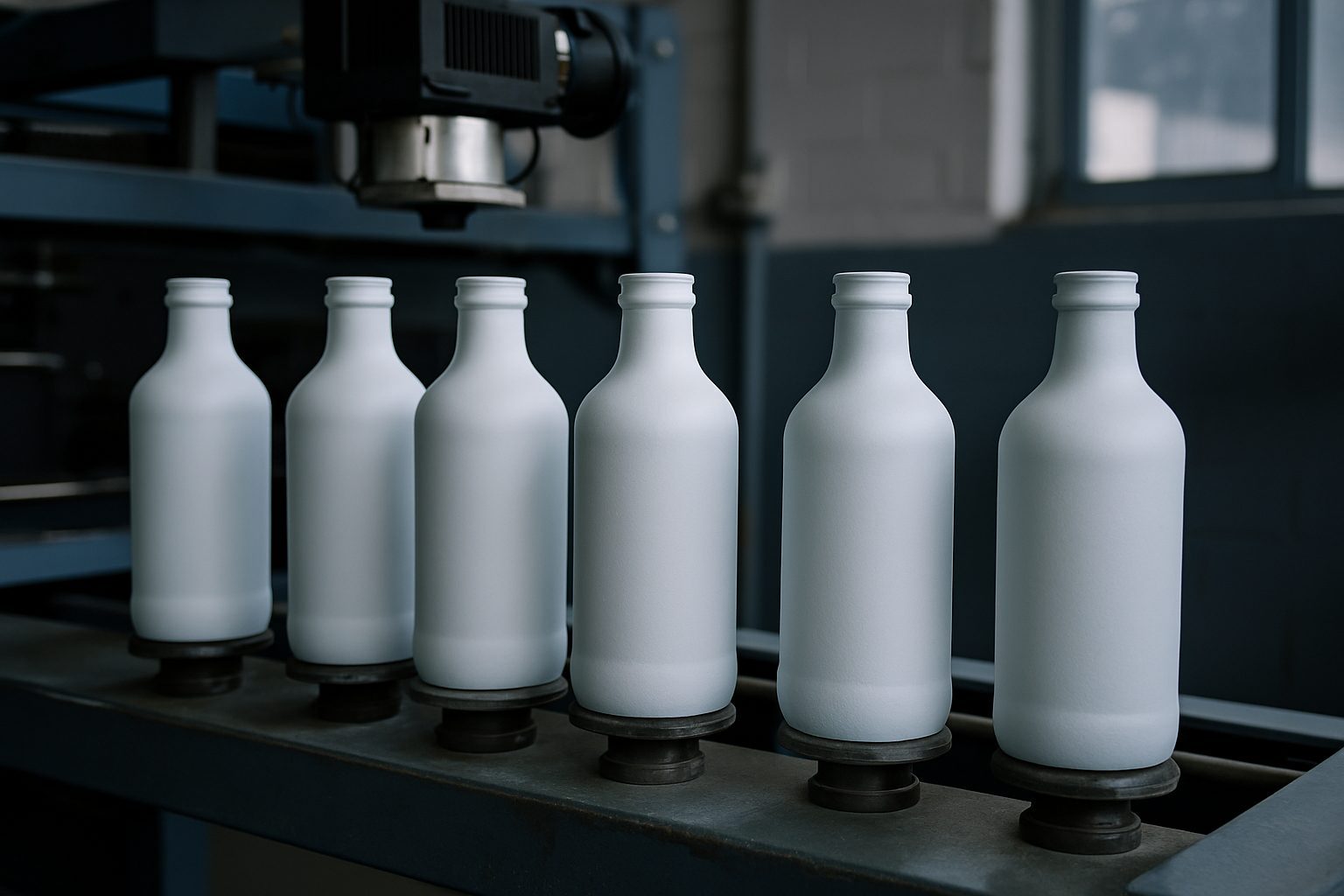
Soft-touch handling rails and pads that protect glass bottles through UV decoration.
Explore →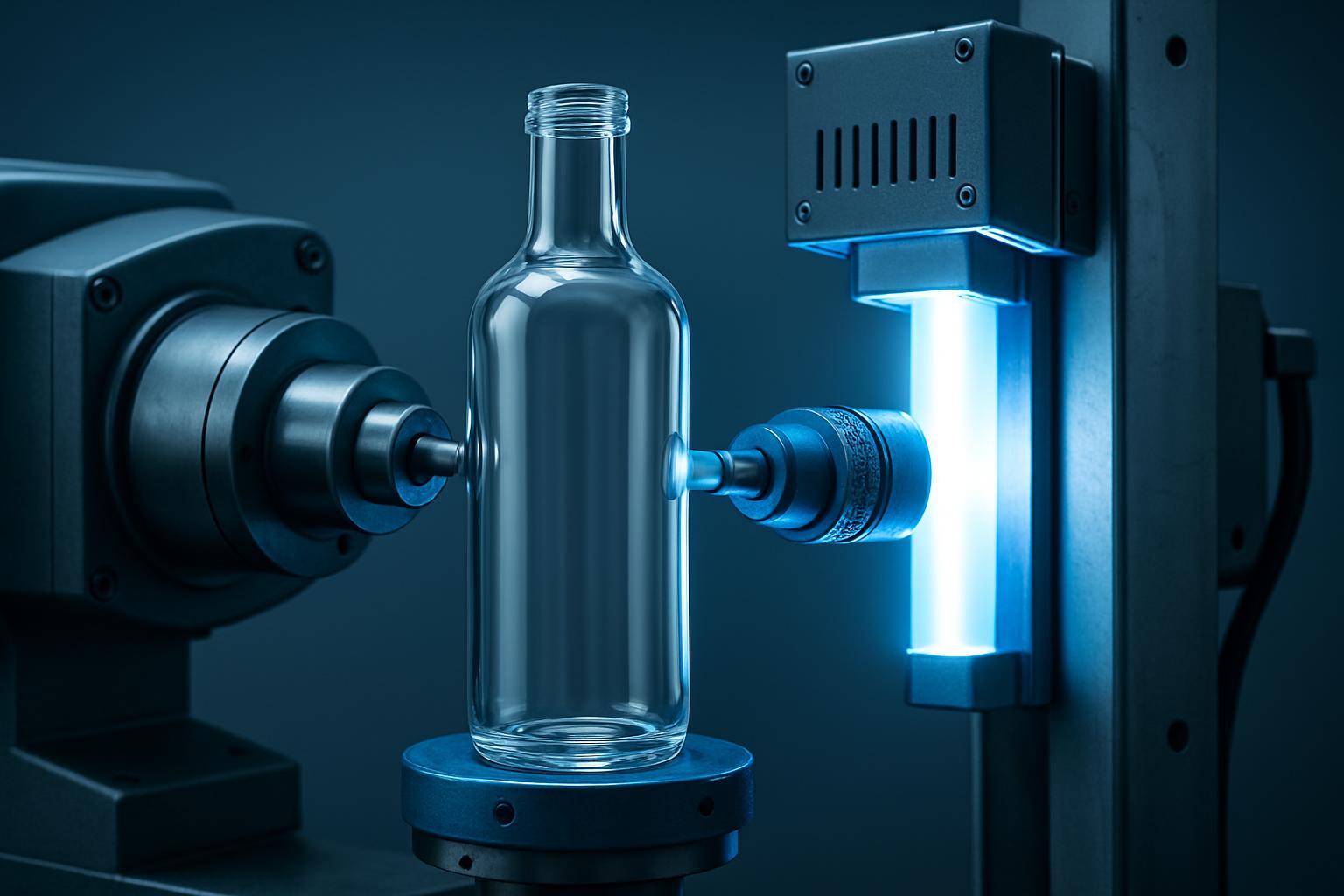
Rotary UV stations for cylindrical glass and PET, craft beverage ready with indexed fixtures.
Explore →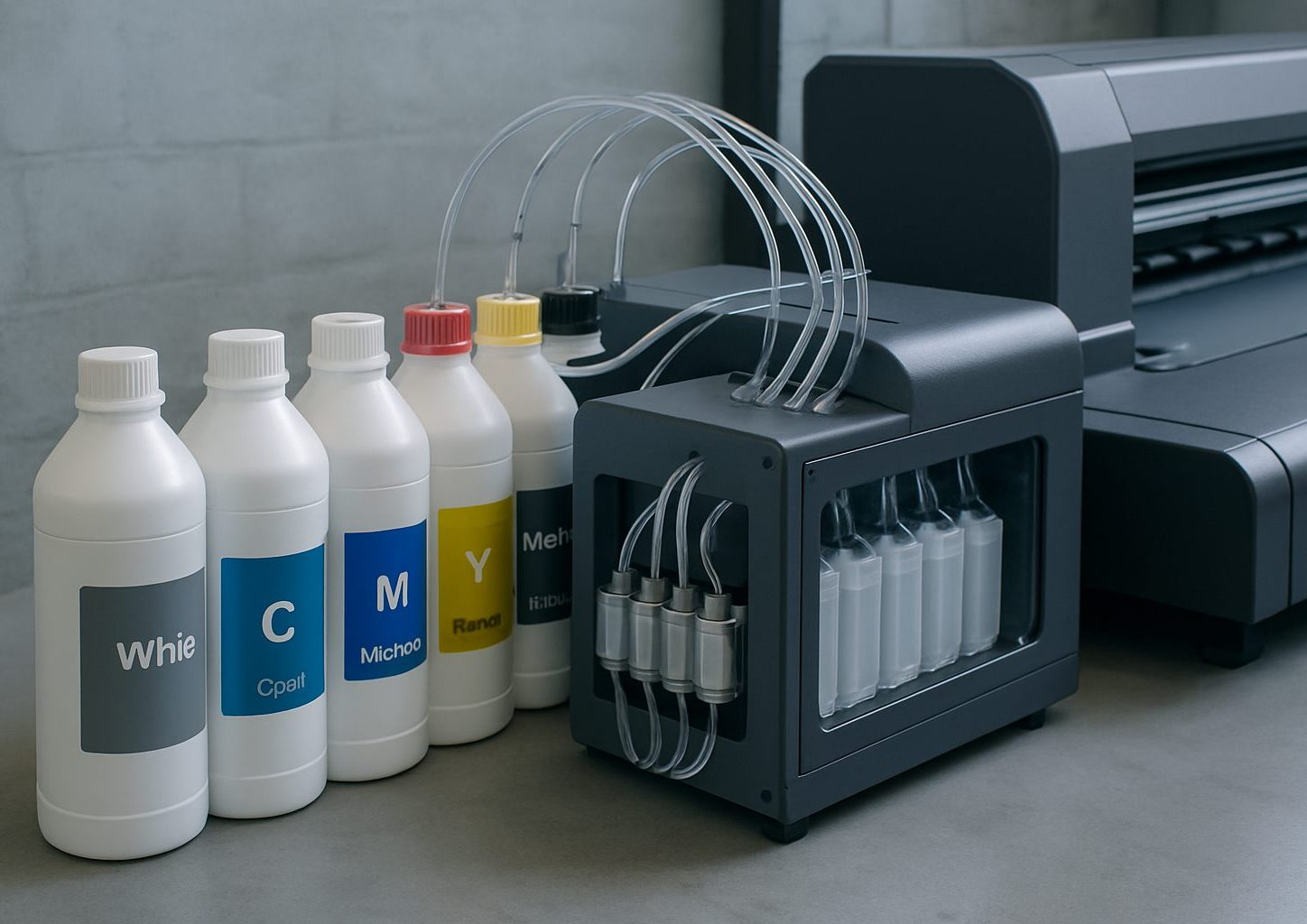
Closed ink carts, white underbase control, and soft-touch varnish dosing for UV lines.
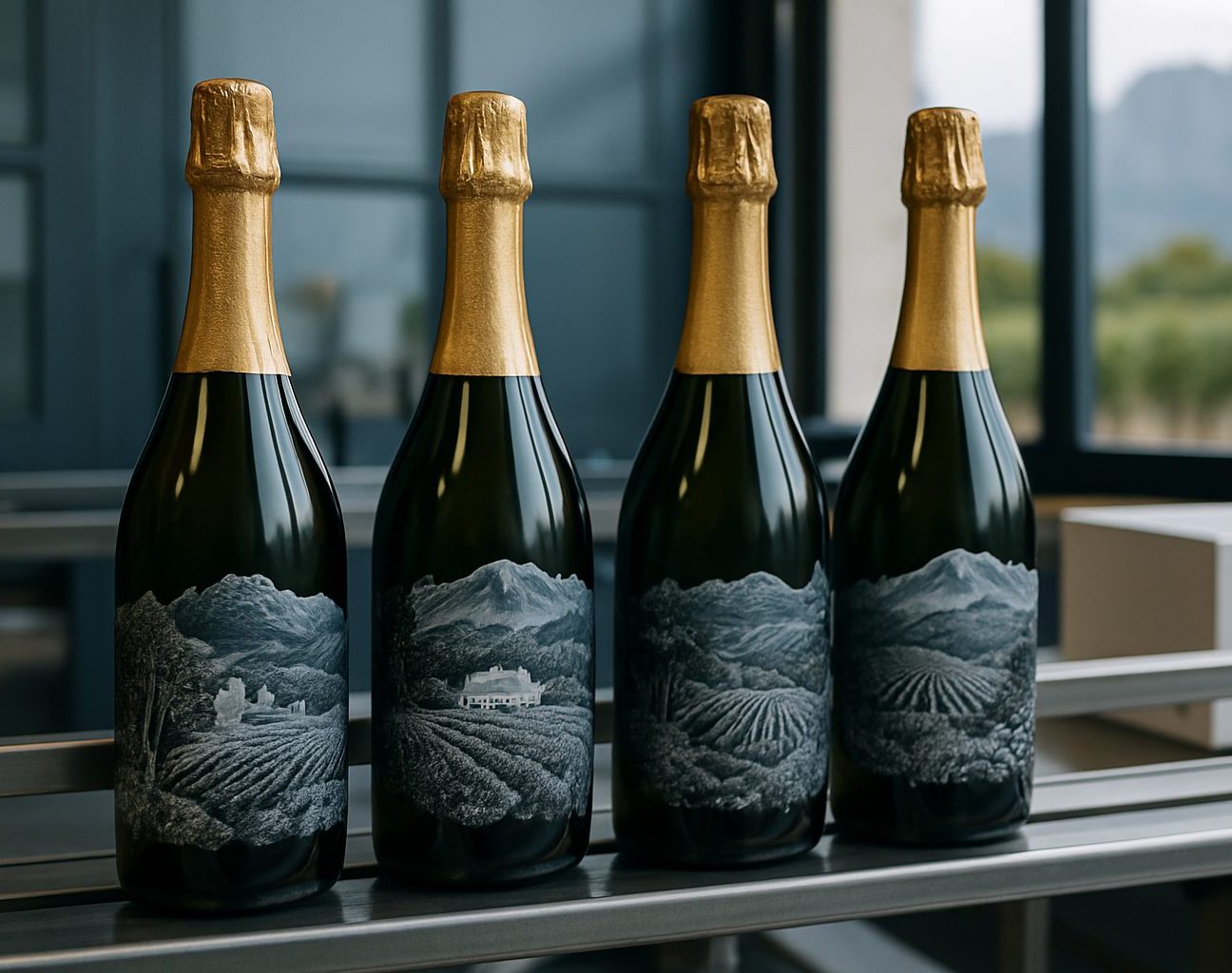
Explore →Glass-safe UV decoration fits estates and cellars producing Méthode Cap Classique who need labels and panels that survive bottling, storage, and real shelf handling. When MCC is destined for events, tasting rooms, or upcountry retail, you need print that does not rub off in the crate or in the manager’s hand. Our GlassGuard Soft handling system is set up specifically for situations where bottles see more lifting, packing, and repacking than standard lines.
This approach suits operators who want sample-backed assurance before signing off on a long run. It is not for every sparkling project: if you are in a high-speed line with a shrink tunnel and 24/7 bulk distribution, classic direct print or paper may still be faster and cheaper. Where your brand reputation is riding on a commemorative batch or estate launch, UV and soft handling make sense.
This estate’s brief seemed straightforward: glass-safe UV panels, glass supplied ex-Gqeberha, client-side handling. But as usual, the real constraints appeared in the load-in, timing, and who had to live with the outcome. We listed every step, from crate arrival to finished pack-off, and agreed on a handoff window before booking the job. Every crate, print file, and handover was labelled for clarity. The final result: the MCC release carried the estate’s branding with no scuffing, ink loss, or handprint residue, even after two province crossings.
We have seen the same dynamics elsewhere, from Mbombela warehouse launches to the Fourways CBD oils line, where optimistic timelines or missing decision makers wreck a plan. Keeping records of exactly what failed or worked means the next time around, we do not hit the same snags.
Glass-safe UV and GlassGuard Soft handling are best for small-to-medium estate runs, launches, and commemorative MCC batches where final presentation counts. Owners who want control over colour, finish, and artwork, and who prefer to see a finished sample before go-ahead, will get full value. Brands with a track record for attention to packaging will spot the long-term benefit: reliable print that stands up to shelf and customer handling.
It is less suited to operations with hundreds of thousands of units per month where speed and cost per unit trump everything. If you are a bulk bottler with semi-automated lines and generic labels, this route may not be your fit.
On this Stellenbosch job, the glass was sourced from Gqeberha, with scheduling tied to estate staff and event deadlines. Risks included delayed crate arrivals, split stakeholder sign-off, and shared three-phase supply with a bottling line. Before confirming ink or fixture choices, we wrote down every physical and timing constraint. That meant we could plan for load-shedding windows and avoid mid-job downtime.
When the job ran, a dry run with estate staff revealed a mismatch in crate access. Because we mapped this early, we organised a second handover point without delay. The MCC bottles made it from print room to launch without any rub-off under coastal humidity.
Having these ready means we can answer with specific steps, not generalities. If you are briefing us for the first time, even two photos and a preferred date window are enough. The more exact you get early, the fewer surprises at print-off.
Most avoidable failures come from skipping the detail at brief: missing power arrangements, optimistic access, or a decision maker who only appears at the end. We flag those in the first call. If your project is in Worcester, the East Rand, or even as far as Durban cold brew PET, the same principles apply, write the constraints before picking inks or finishes.
After each job, we keep an internal log of one-liners on what failed last time, so we improve with every project. If you want a real outline for your next MCC or glass estate batch, send a message through our contact form. You will get a step-by-step guide, not just a brochure.
Verified Google reviews
Our contact form · Sunnyrock applications lab