Resource
Set up your UV ink for real South African conditions, from dry winters in Germiston to humid days in Durban. This card helps teams match viscosity to climate swings before the next print run.
For a tailored pack, use our contact form.
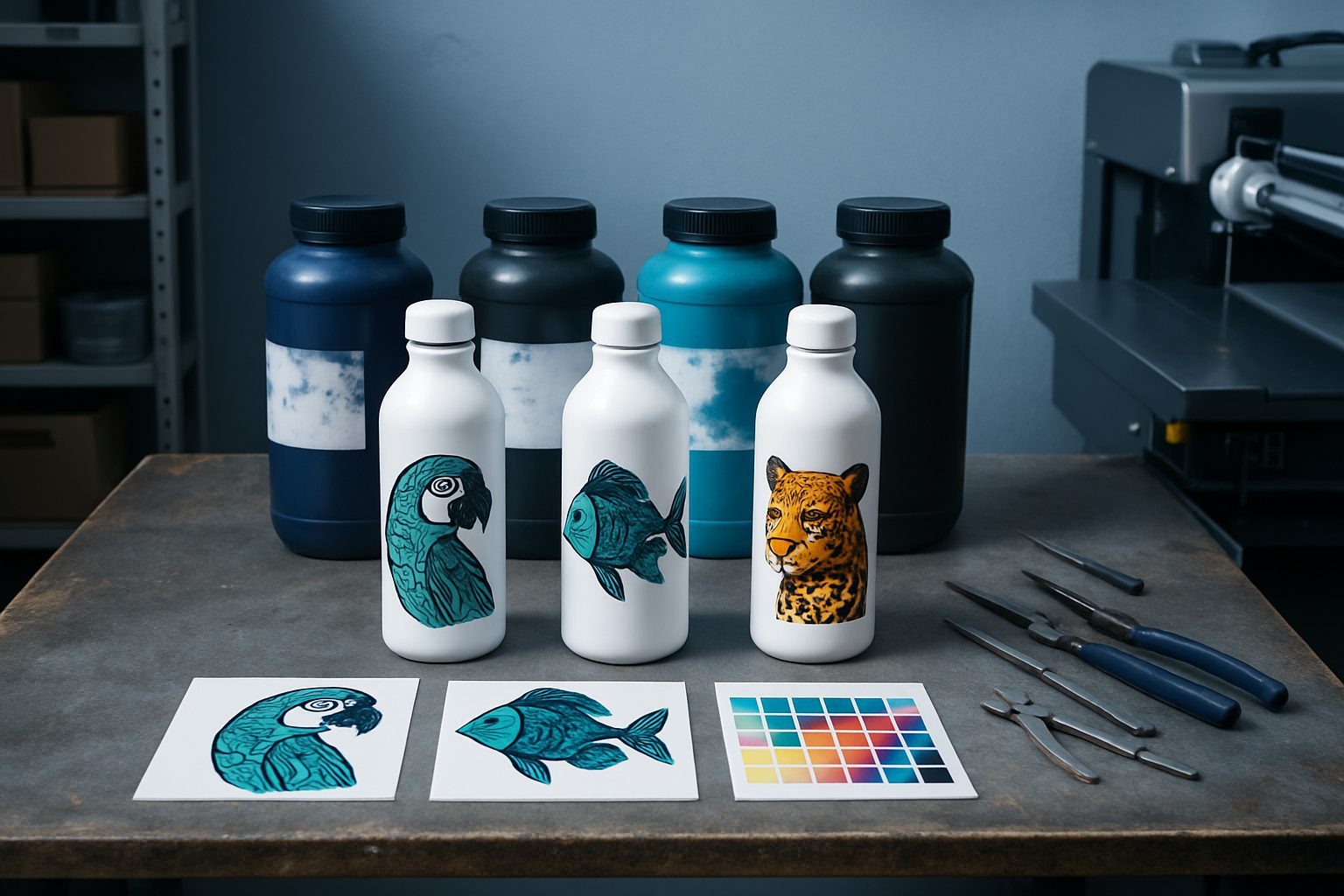
The InkFlow viscosity card is a printed tool we provide to help local floors check and adjust UV ink viscosity. It is designed for users who print, decorate, or test bottles under changing South African conditions. Ink moved straight from the storeroom or freshly topped up in the bay can handle very differently between winter mornings on the Highveld and summer afternoons in Durban or Gqeberha. The card lets you spot if your ink is in the right range before starting production or approval runs.
It suits operators and supervisors who run bottle decoration systems, especially those who need to keep ink settings tight for repeat print jobs, or who share equipment between shifts. Labs, small promo lines, and bottle printers in industrial parks across Gauteng or KwaZulu-Natal have used it to reduce rejects after a new batch or system clean.
This card does not replace a full lab viscometer or digital ink monitoring where it is required for factory audits. If your operation needs precise viscosity records for every batch, or runs around the clock on large-format industrial machines, see our FAQ, UV bottles or talk to your ink supplier about certified sensors.
The card is also not for solvent or water-based ink lines. It is tuned for UV-cured bottle inks as used in our systems. If you are working with other chemistries or flexible packaging lines, we suggest looking at alternative methods or getting a different test kit.
Most Gauteng floors can see their ink flow change from week to week, especially with load-shedding, doorways left open, or shifts running past midnight. To use the InkFlow card, draw a fresh ink drop with your regular pipette or dropper and compare the spread on the card area marked for your climate. The reference zones account for common swings in humidity and temperature from Highveld cold fronts to coastal haze.
We recommend using the card on the same bench as your ink reservoir, at the prevailing room temperature. Wait a minute for the ink to settle, match the spread to the colour blocks, and adjust your flow or thinning mix if it is outside the marked range. This step usually takes less than five minutes and can prevent issues with waste or ghosting after bottle runs.
Suppose you are running clear UV ink for a small rum label in Germiston, mid-winter. You notice the ink drop on the card spreads too little in the zone marked 'Highveld, dry, 17°C'. This flags viscosity is too high for the shift. You then add a measured drop of UV diluent, mix gently, and repeat the test until the spread sits in the target colour band. This saves you from rough prints, missed alignments, or cleaning cycles after a poor run.
If you have several operators across shifts, the card in the print room helps standardise set-up, especially when handover notes are brief or new bottles were added from a sample programme.
Before you send a message through our contact form for a card or starter pack, check these steps.
Decide which bottle sizes and lines you will use it on.
Note your main ink types and whether you use spot colours.
Record typical room temperatures and humidity (for example, winter lows in Polokwane, summer highs in Durban).
Describe your usual print shift pattern (day, night, mixed, or outdoor bays).
List any adjustments you have tried for ink flow in the last three months.
Mention if you have used other test cards or viscometers so we can suggest improvements.
Attach photos (if possible) of your current ink set-up on the bench.
Having these details ready helps us pack the right card for your real conditions.
Many teams only test ink after a problem surfaces. Regular use of the viscosity card at the start of each print day can catch air bubbles or thickening early. Do not store the card in direct sun or near open windows to avoid warping.
Some operators push through with ink that feels 'almost right' in coastal humidity, this can lead to print failures and extra cleaning. Trust the results on the card, not just the look in the pot. If the card does not match your site conditions, a quick email lets us tweak a card for your mix of temperatures, humidity and bottle substrate.
For teams moving between branches (for example, Gauteng and the Cape), mark each card with your branch location to track climate differences and avoid mix-ups during bottle runs. Pair the card with our MiniLine footprint sheet or cure log template for a more reliable process.
Our contact form · Sunnyrock applications lab