Use-case
UV bottle decoration for juice and nectar lines that face curved forms, abrasion, and chill-warm cycles. Swiss-precise systems built for South African packers and sample rooms.
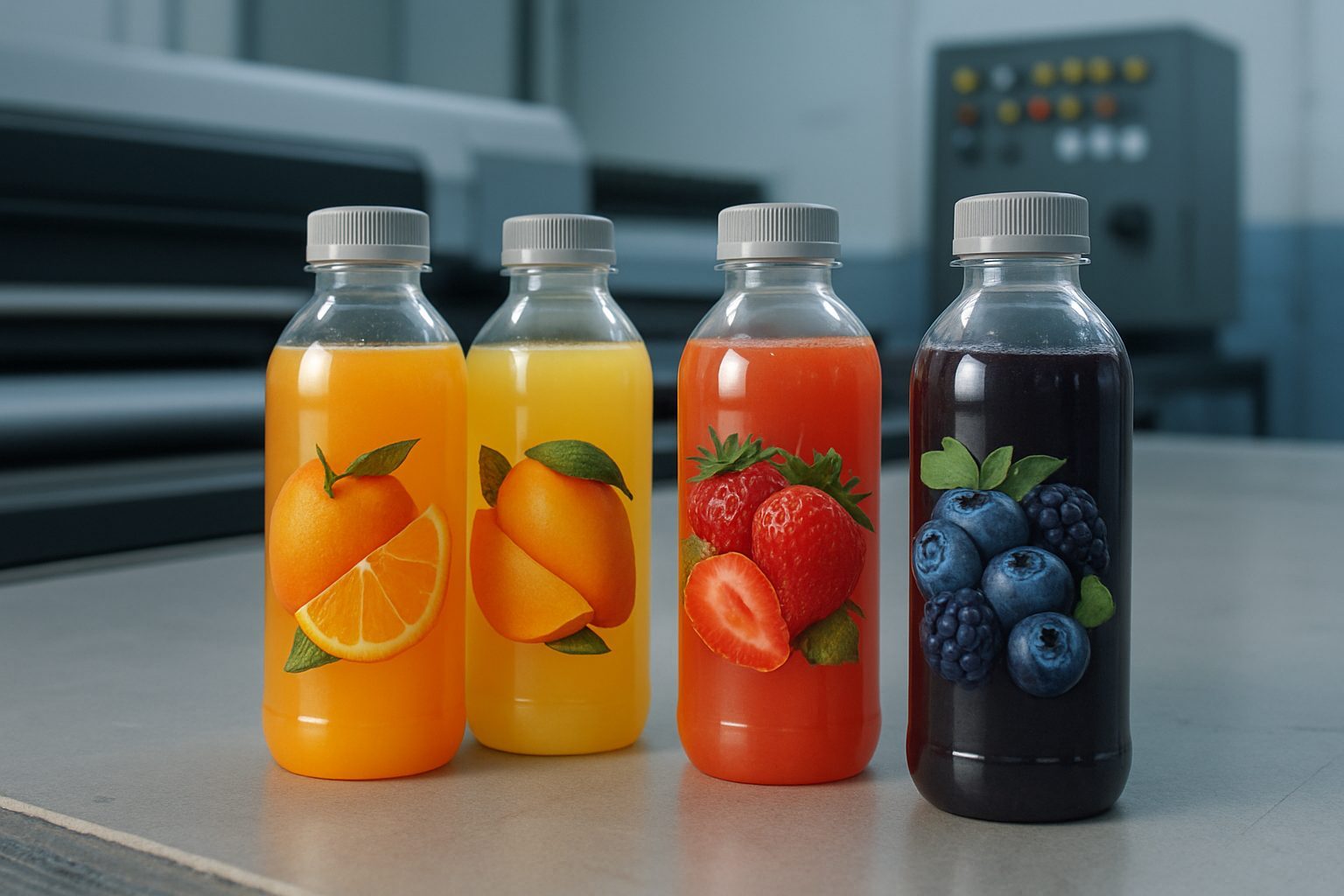
Juice packs often have aggressive curves and cold-chain abrasion. We design print zones that survive packer rails, and we test adhesion after chill-warm cycles.
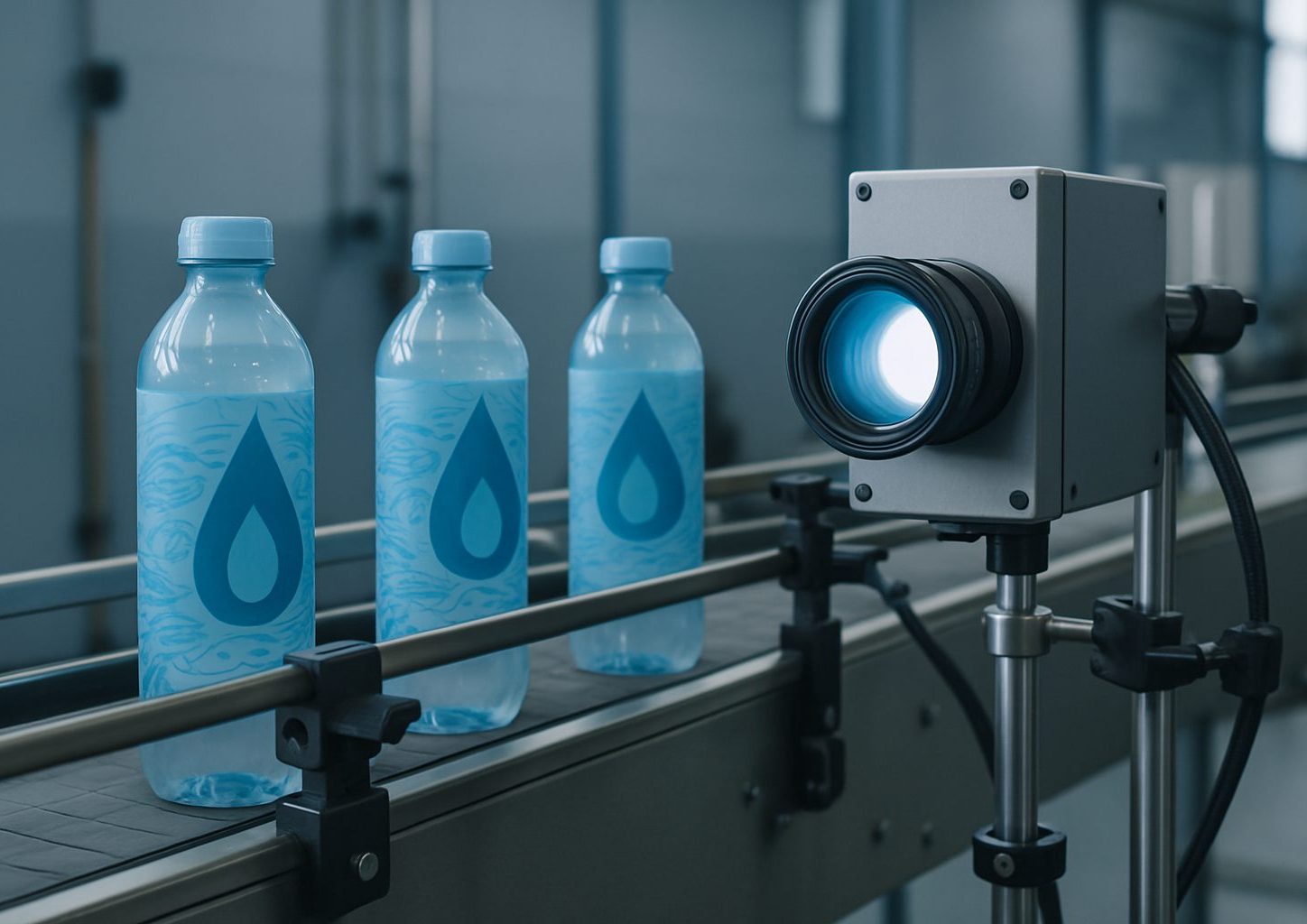
Camera assist for shrink-sleeve registration when UV decoration shares a line with sleeves.
Explore →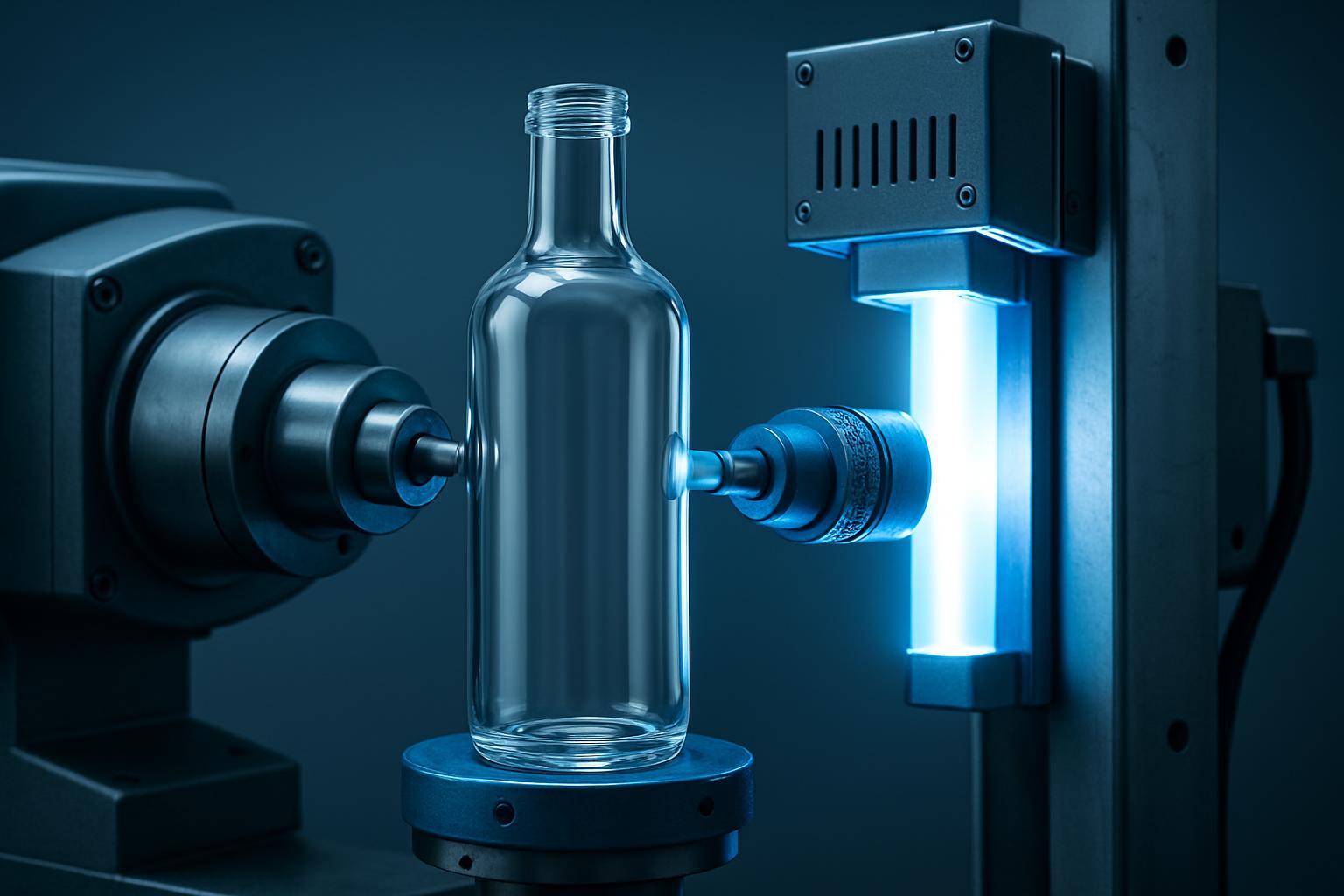
Rotary UV stations for cylindrical glass and PET, craft beverage ready with indexed fixtures.
Explore →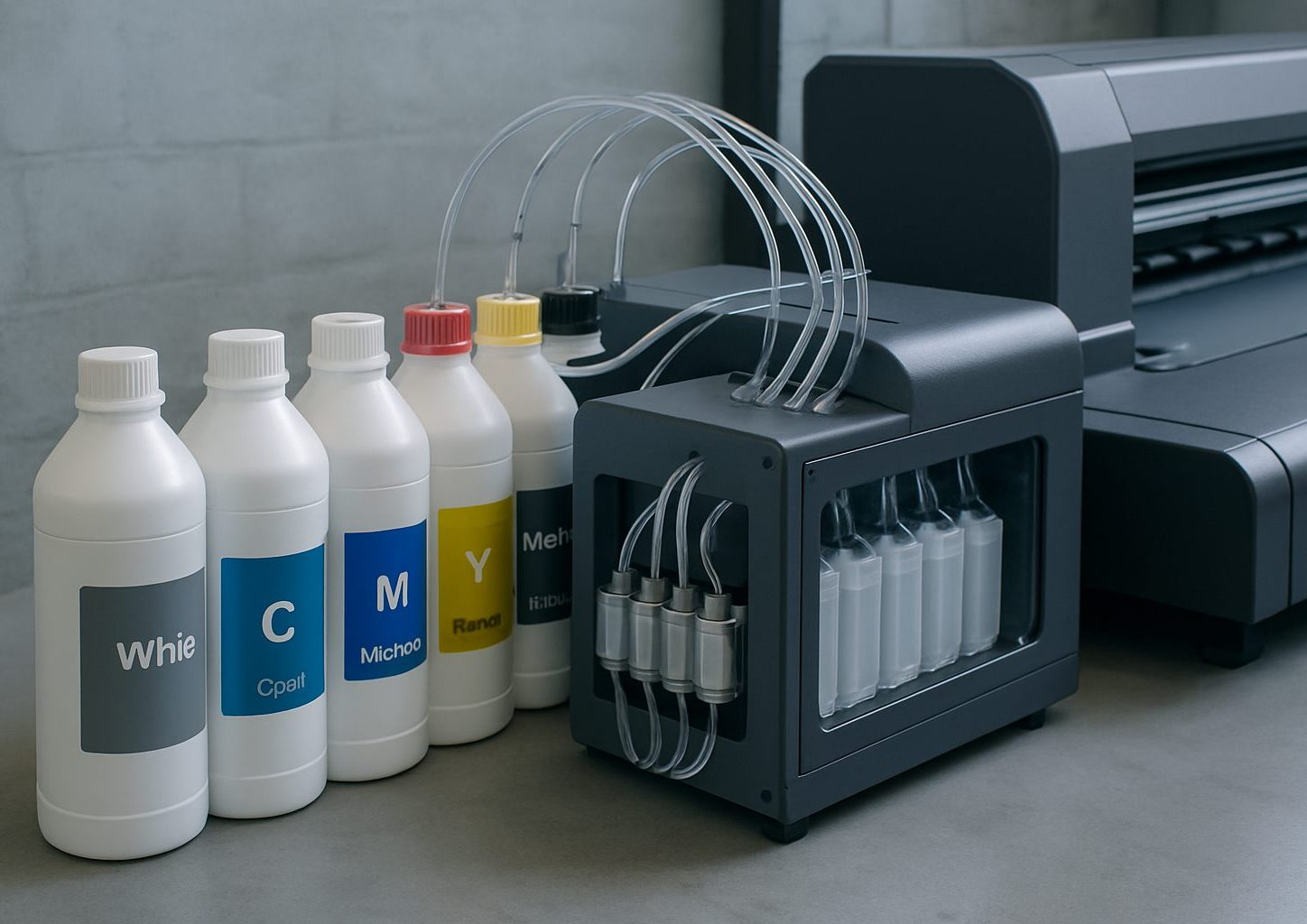
Closed ink carts, white underbase control, and soft-touch varnish dosing for UV lines.
Explore →Juice and nectar bottle lines often combine aggressive curves, shared packs with sleeve-wrapped bottles, and high rotation through the cold chain. Print that looks sharp until shrink-wrapped, then scuffs at the depot, wastes spend and delays product launches. Our bench at Jet Park knows the real test is whether your finish survives packer rails and chill-to-warm cycles between Gauteng, Durban and Cape Town. We design print zones and choose inks to last from filler floor to shelf handover.
If your bottles run side by side with sleeves, registration and finish choice matter. Oversized graphics can misregister on curves, and soft-touch or metallic looks can pick up packer rail marks or abrasion during local distribution. We guide teams through these edge cases to keep your label spec tight, based on constraints from actual bottle flows.
Our UV decoration suits South African juice and nectar brands that need their branding to last through transport, shelf resets, and back-of-house chillers. That includes craft bottlers in Stellenbosch, Polokwane or Gqeberha using glass, PET or aluminium bottles, and larger runs serving regional depots. If your bottles face manual repacking, or heavy condensation, we factor that into adhesion and colour hold.
If your runs are short, or your range changes every month, a sample programme can keep costs lean. For lines needing printing across deep grip zones or uneven glass, where sleeves hide flaws or tolerances, direct UV may not suit. We help you compare our approach to shrink sleeves or labels if that's a better fit. See our projects for examples where a different route worked best.
We start with your pack's exact curves and print surface. Our team maps where scuff marks, condensation, and cold-chain stress will hit the print. We then recommend print zones and test adhesion with the finishes you shortlist. Cold-warm cycles are run in our CureCheck Lab, simulating condensation and wiping. Jet Park keeps notes on lessons from Paarl, Rustenburg and Stellenbosch briefs, like which ink performed after extended fridge time.
Staff on the filler floor or in the sign room get checklists, not slogans. If something cannot be known until live testing (such as pack rail clearance in a new warehouse), we mark it as uncertain and advise next steps right away. This approach is local, based on South African line speeds, packer behaviour, municipal paperwork, and actual bottle supply.
A Gauteng craft juice house needed a direct-printed PET bottle to run with both shrink-sleeved and naked siblings in the same pack. The operator sent two photos of the filled bottle, plus a quick drawing set from the sign team and a list of likely rail wear points. Our team replied with targeted constraints, a plan for registration assist, and three finish options tested under chill-warm cycles. The job ran through CureCheck Lab for scuff and condensation checks. Feedback from the owner after distribution to Durban shops confirmed no label rub-off, and the Vitamin C claim panel stayed clean after haulage.
For clear answers and a working plan, collect these items before you write to us. You do not need perfect drawings, real-world photos and timing help more than studio renders. If your site has remote or unusual access, flag it early for Jet Park scheduling.
Most first-time briefs fall down when teams skip mapping curves and cold-chain effects before picking ink or fixture. Rushing to select finishes before the constraints are written down often leads to double handling, repeat visits, or last-minute rush spend. Another pitfall is vague advice, delay adds up fast if teams cannot name the owner of each task.
We keep internal notes on what failed last time so you do not repeat it. Our team at Jet Park writes a one-sentence fix for each miss. We invite you to do the same. If your brief is urgent, say your go-live date in the subject so we can reply with a working sequence, not a brochure. For other beverage uses, see mineral water or dairy bottles.
Ready to brief us? Send a message through our contact form with your city, timing and at least two photos showing the bottle and its main constraint. We reply from Jet Park sample bay during business hours, with a sequence you can use on the packing floor. If your project has special issues such as heritage buildings, hygiene zones, or landlord access, mention it upfront so we can plan around it before you commit to ink or finish.
For more about our process, or to see other use cases, visit use-cases or browse our catalogue and finishes.
Verified Google reviews
Our contact form · Sunnyrock applications lab