Use-case
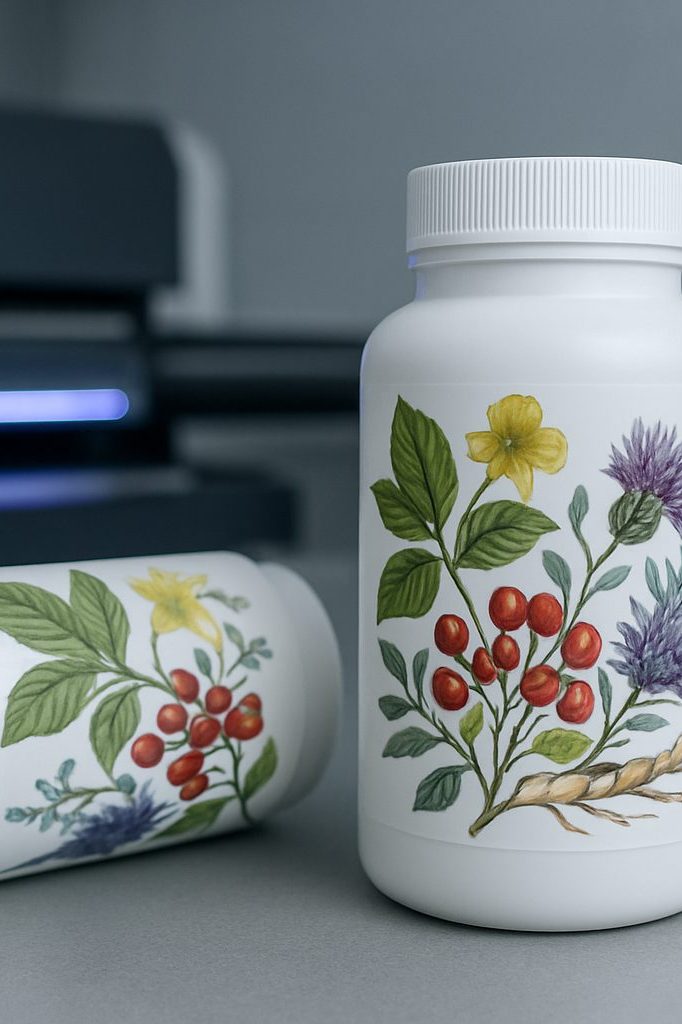
Nutraceutical packaging teams need fast art changes, clear white underbase notes, and bottle decoration that survives shelf handling. We help you avoid last-minute label failures and wasted reprints.
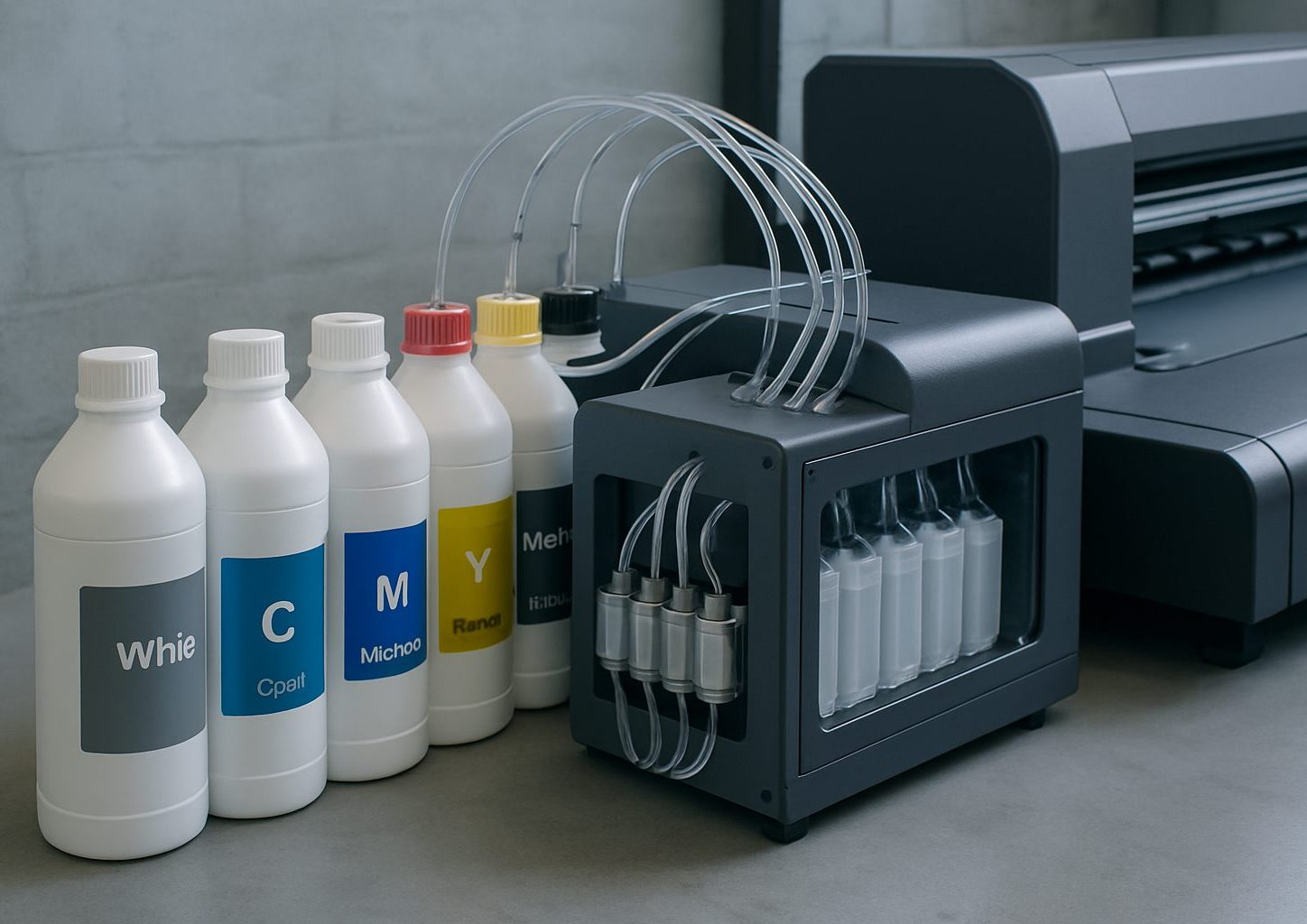
Closed ink carts, white underbase control, and soft-touch varnish dosing for UV lines.
Explore →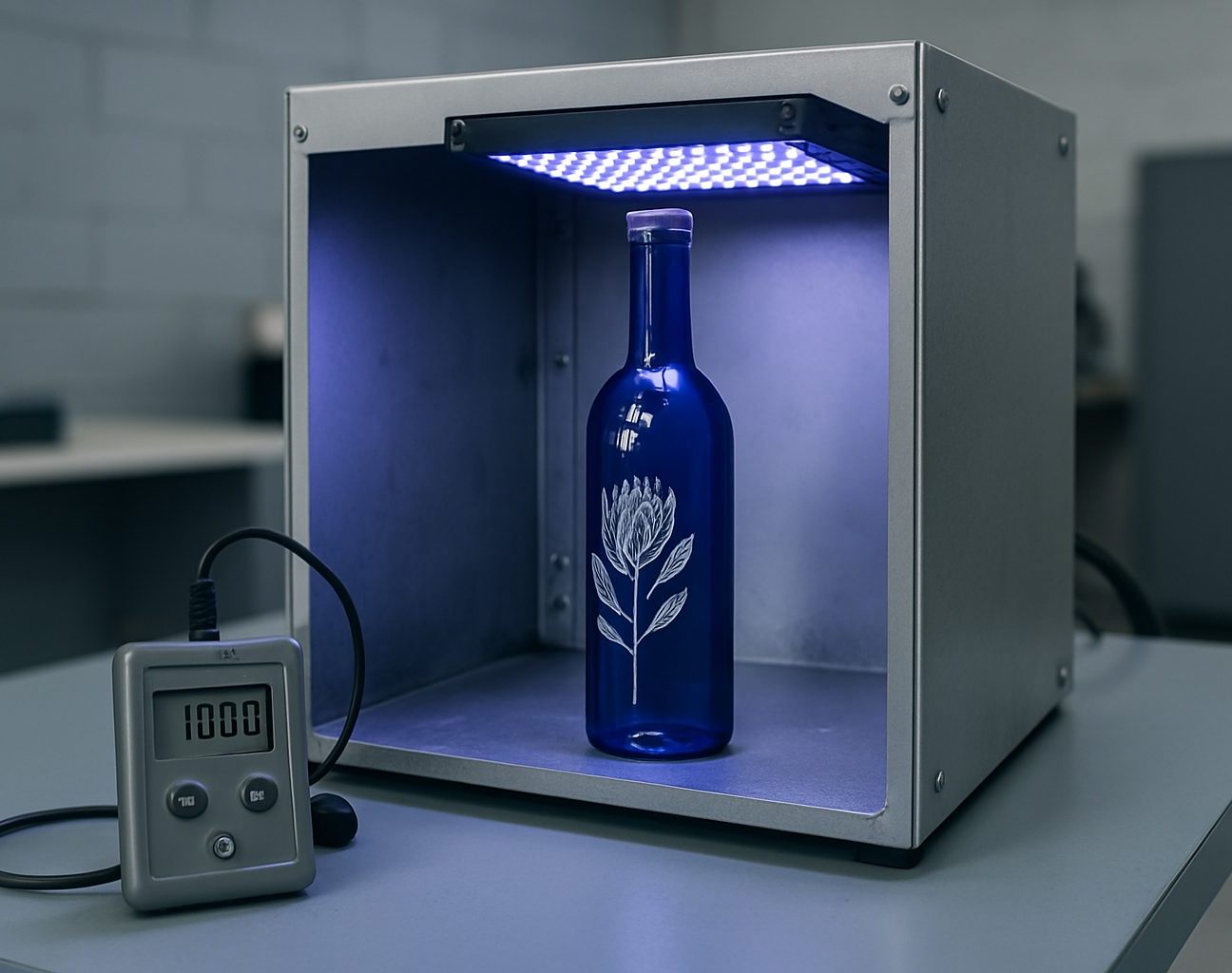
Radiometer kits and cure-window logging for honest ink adhesion on SA factory floors.
Explore →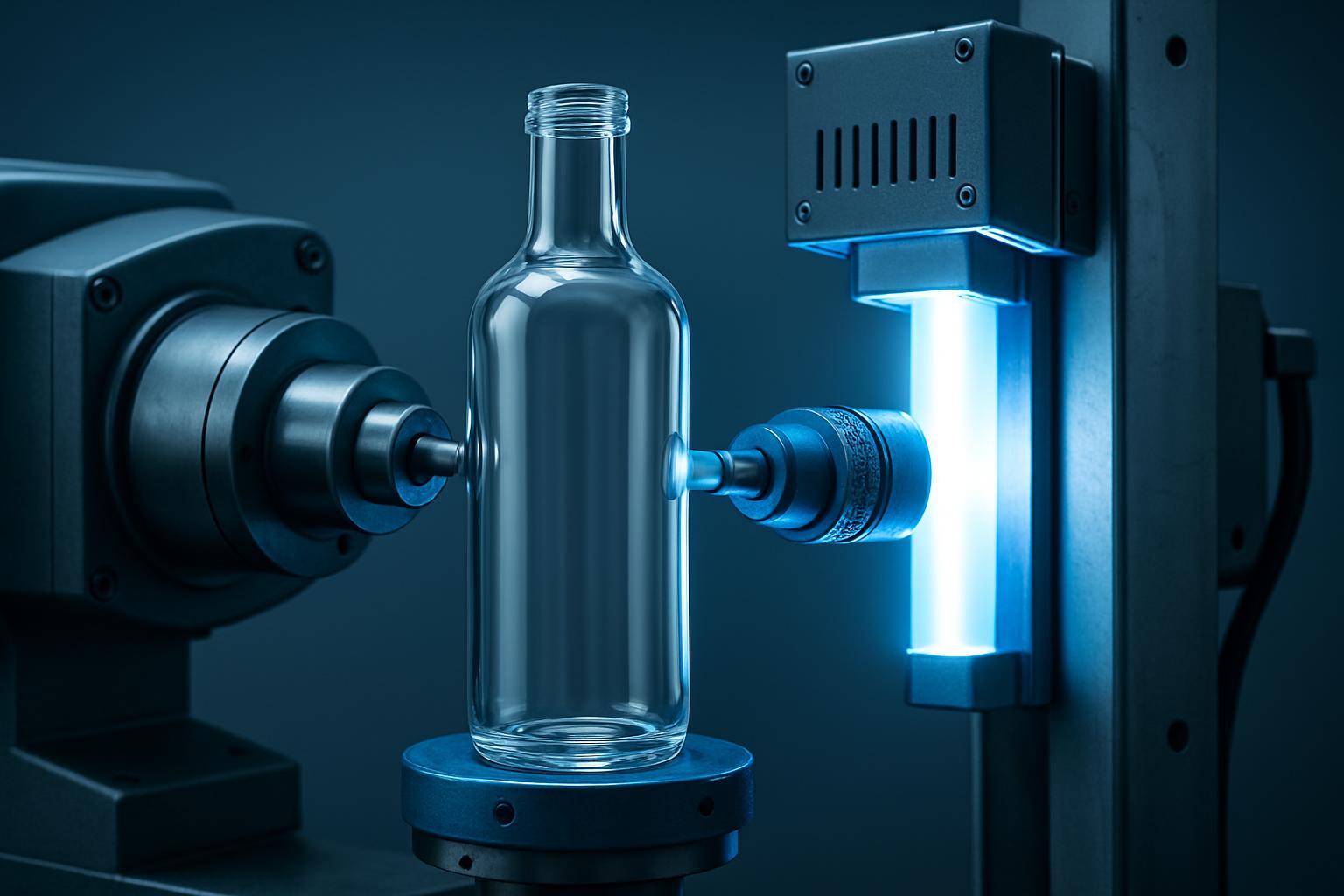
Rotary UV stations for cylindrical glass and PET, craft beverage ready with indexed fixtures.
Explore →If you produce supplements for local shelves or export, and your bottles need a printed finish that holds up in Gauteng’s dry air or Durban’s humidity, our UV bottle decoration systems cover the main pitfalls. Quick-swapping SKUs, retailer-specific layouts, and regulatory label rules are part of the drill. This works for brands with runs from a few hundred up to steady small-batch series, especially if your packs must survive transit between regions or through distributor warehouses.
If you only pack sachets, tubes, or legacy paper labels, or you operate with fully pre-labelled glass, this approach may not suit your floor. The UV process is tuned for rigid bottles, not soft refill packs. Teams needing high-gloss or foil effects on small-diameter PET bottles should chat through fit first, as certain finishes need test prints.
Every art change, claim panel or bottle swap runs through a clear setup. We log white underbase details in the first round, mark any uncertain spec, and flag rules that come from chain stores. This matters because skipping a claim or picking the wrong white can cost a rush fee or a wasted bottling day. Our team at Jet Park keeps checklists for each new pack (usually bottles from 50 ml up to a litre) with fixtures suited for both PET and glass. When you send us your spec or constraints, we prep for your next swap instead of starting from blank each time.
Art changes weekly or monthly? We keep a cure log so repeat jobs do not veer off. In Bloemfontein and Polokwane, clients have needed us to adjust for daylight variations and power dips, load-shedding means we track which sequence runs best under each supply condition. If your warehouse has special access, hygiene rules or landlord restrictions, mention those early so fixture prep goes smooth.
A Johannesburg supplement packer needs to launch a new probiotic line next month. The retailer wants a white claim panel and quick-swap between three SKUs, energy, focus, calm. The packer emails us two bottle photos, a rough claim panel map, and the retailer's timing. We reply with a step-by-step plan that includes options for the white underbase and a fixture check. Quick sample prints are done in Jet Park, with clear cure logs so the next order moves faster. Supplier and retailer both get a record of the print spec for future runs.
If a specific claim or label area causes trouble (such as a logo that keeps rubbing off during handling), the fix is logged in one line in our internal note. We avoid repeating the same costly miss on future batches. That way, delays are caught before the next run.
Be specific about what matters. We do not need a glossy pitch. Start with two clear photos of your bottle (front and back), a rough timing window, and any panel or print constraint you know. If you have a drawing pack, even if it’s messy, send it. If a retailer or QA has set extra rules, include those. The more detail you give on claim panel layout, swap frequency, and bottle opacity, the easier it is to recommend the right fixture and cure profile.
Send a message through our contact form, say where you are based and if there’s a hard launch date. We reply from Jet Park, standard business hours. Mark urgent briefs in the subject line so we spot them quickly.
In Pietermaritzburg and coastal towns, high humidity changes cure times, so print that works on the Highveld may fail near the ocean. Bottles from new suppliers sometimes have residue or surface slip, so mention if you are trialling new stock. Skipping the step of noting your key constraints or trading off one spec for speed usually costs more later, either in rush charges or wasted samples.
Unusual site access or listed buildings (especially for Cape Town or older Durban blocks) can delay sample runs. If you work in a hygiene zone or with limited floor access, mention it early so we check fixture handling or offsite prep. Always keep a record of what failed last time. We keep these notes clear, not fancy, just specs, dates and what was fixed. That’s what helps both teams stay aligned after a noisy week.
Browse our use-cases and finishes catalogues if your project scope shifts, or check Projects for recent South African jobs. For anything unusual, send a message through our contact form and we’ll answer with a floor-ready plan, not a brochure.
Verified Google reviews
Our contact form · Sunnyrock applications lab