CureCheck Lab fixtures and kits help you get accurate UV curing checks on-site with the least downtime. We keep the options practical for South African teams and workflow realities.
Use Cases · Notes · Contact us.
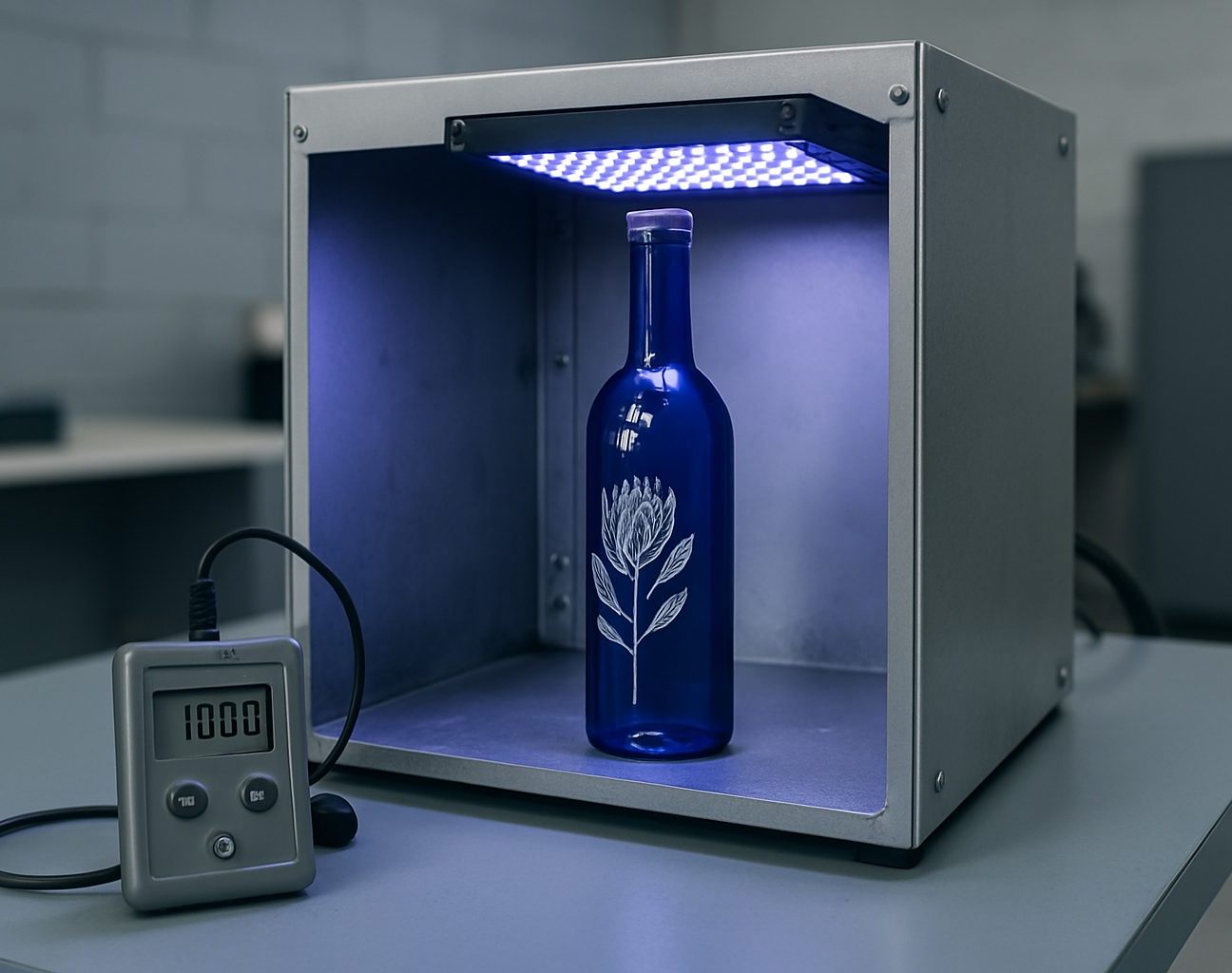
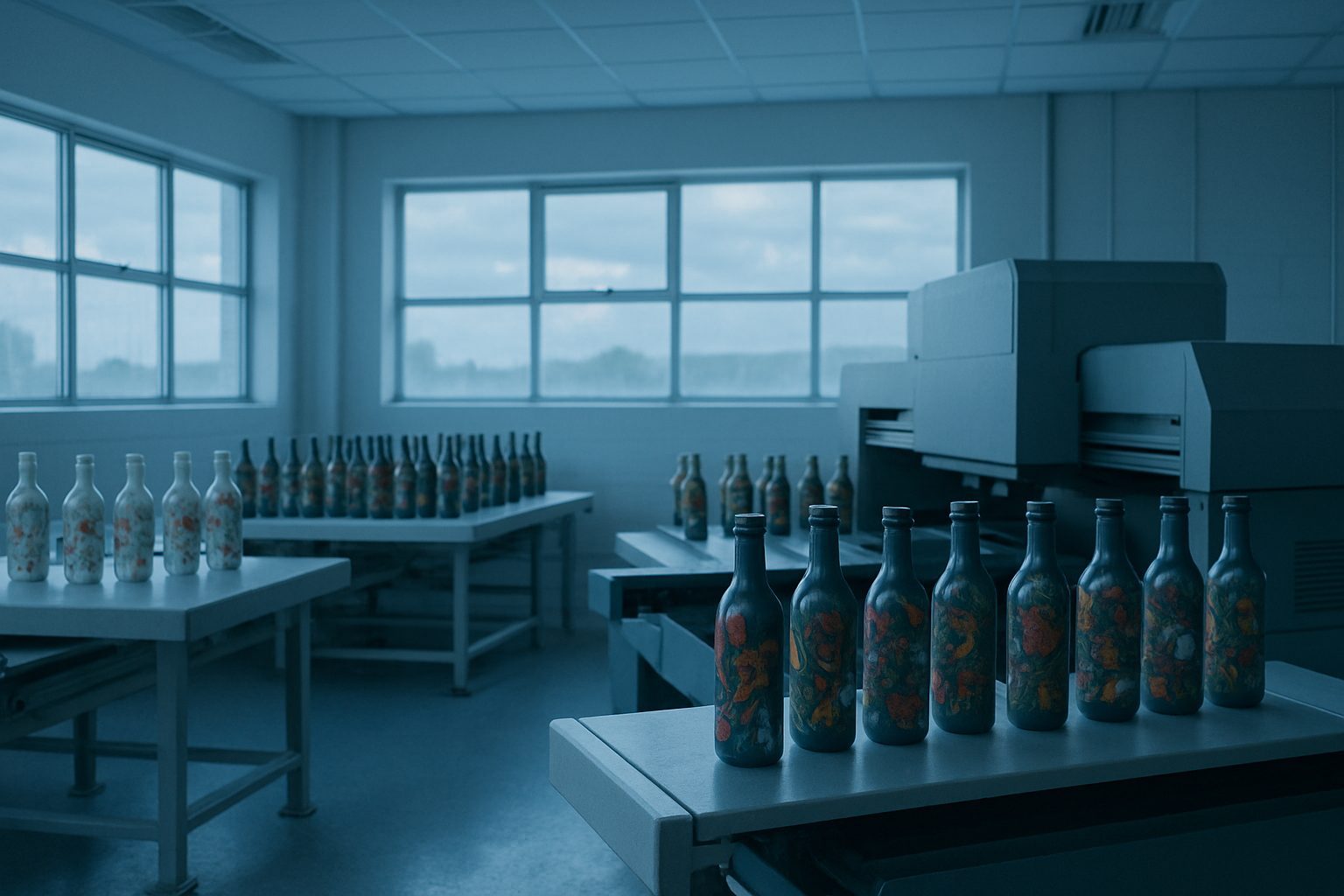
CureCheck Lab fixtures and accessories keep your UV decoration process honest by giving you test pieces and handling tools made for South African bottles, from local 330 ml stubbies to 1 litre glass and PET. You get nests and holders that fit typical lines in Gauteng, Cape Town and coastal areas, built for real-world pressure, mains supply quirks and humid or dusty floors. Operators use these to check if inks and varnishes cure all the way through, before that batch heads off to shelf or export. This keeps the risk of rub-off or sticky bottles low, even with high packing rates or awkward bottle shapes.
When you add the right fixture set to your CureCheck Lab system, you can run controlled tests every week without waiting for a service call or next shipment. Accessories are matched to hold bottles steady under UV checks, match your print window and help you record any cure difference from the neck to the base. No two bottle runs look the same, but these kits make repeat tests simple enough for the whole team to use without overtime or third-party help.
If you are running weekly print checks for private label, craft beverage, contract skincare or even short-run promo bottles, these fixture sets help you stay fast and accurate. They suit print rooms, maintenance teams, QA bays and operators who rotate jobs on the line. Anything less, and you risk early bottle failures that only show up after packing or transit.
If your print volume is small and all output is handled in-house, you may not need the full fixture kit. When every run is a short burst and the same team handles both print and pack, a simple nest or a single bottle jig usually covers you. Teams who only run samples or chase loose bottles for events can often skip most accessories. Use our contact form if you are unsure which level is needed.
A Germiston-based brewery prints on both 500 ml glass and 1 litre PET, with regular label changes and runs split between standard and stubby shapes. They use CureCheck Lab every Monday to check new inks. Their old generic fixture struggled on narrower bottles and needed frequent adjustments. After sending photos of their print station, main bottle types and a quick voice note about power supply and ambient humidity, we matched them to two purpose-made nests and a low-profile kit that swaps over in under five minutes.
With the new kit, their operator checks five bottle samples per run. They can spot a curing shortfall on the second print, before it leaves the floor. This keeps the brewery off urgent calls, even when load-shedding knocks out three-phase for a few hours. The operator now logs each check using the CureCheck Lab specification sheet for easier reference at the next print changeover.
To speed things up and get a fixture or accessory that actually fits your process, bring these details to your first email. The more specific you are about shape, site and timing, the fewer late tweaks you will need. South African bottles vary more than most catalogues admit, so photos matter, especially for neck sizes and awkward shapes. If you are running several sites or contract lines, include one shot of each machine or table where you plan to use CureCheck Lab.
A full drawing set is helpful but not required for your first brief. If you know your typical print loads, rack height, and whether you face Highveld dust or Durban humidity, include that too. The right fixture can save a day per month in downtime by making cure checks routine instead of a scramble.
The most common miss is picking a fixture by generic size rather than real bottle fit. Quick decisions based on a catalogue image or non-SA reference kit often result in loose bottles or failed hold during checks. A second pitfall is chasing the fanciest option, fixtures with extra moving parts or finishes that look good but do not survive Highveld dust or Cape Town salt air.
A third stumbling block is skipping the photo step. Bottles from Gqeberha, Polokwane and Bloemfontein vary more than label specs suggest. One operator’s sample might not match the next shift’s run. Wasting time on returns or hacks after the kit arrives is avoidable by matching constraints upfront. If you are not sure, email the team with practical details or browse related use cases to see what sets have worked in similar jobs.
Verified Google reviews
Our contact form · Sunnyrock applications lab