Fixtures, nests and tools that match real bottle print jobs on South African floors. Pick, prep and brief with local constraints in mind, not just catalogue specs.
Use Cases · Notes · Contact us.
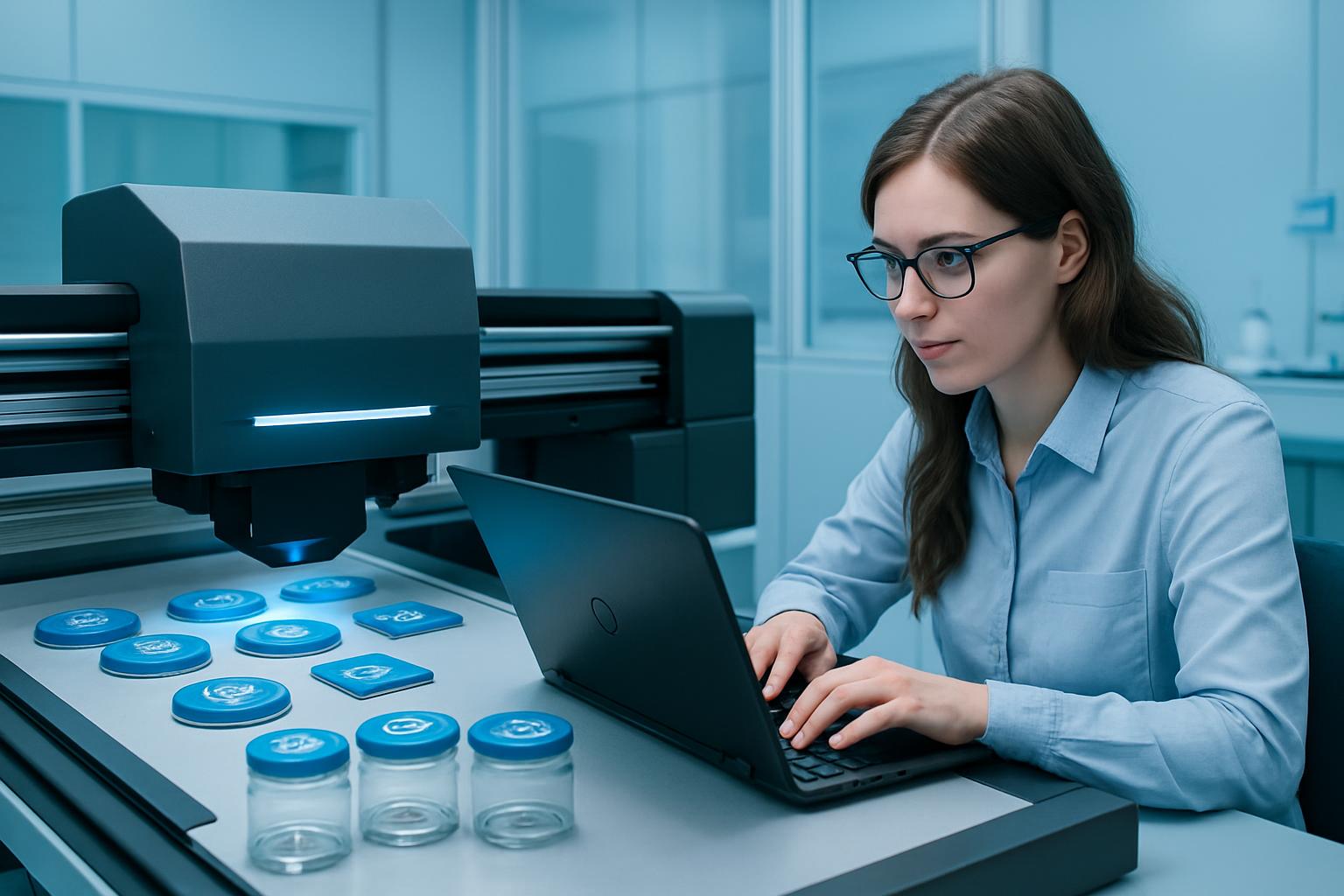
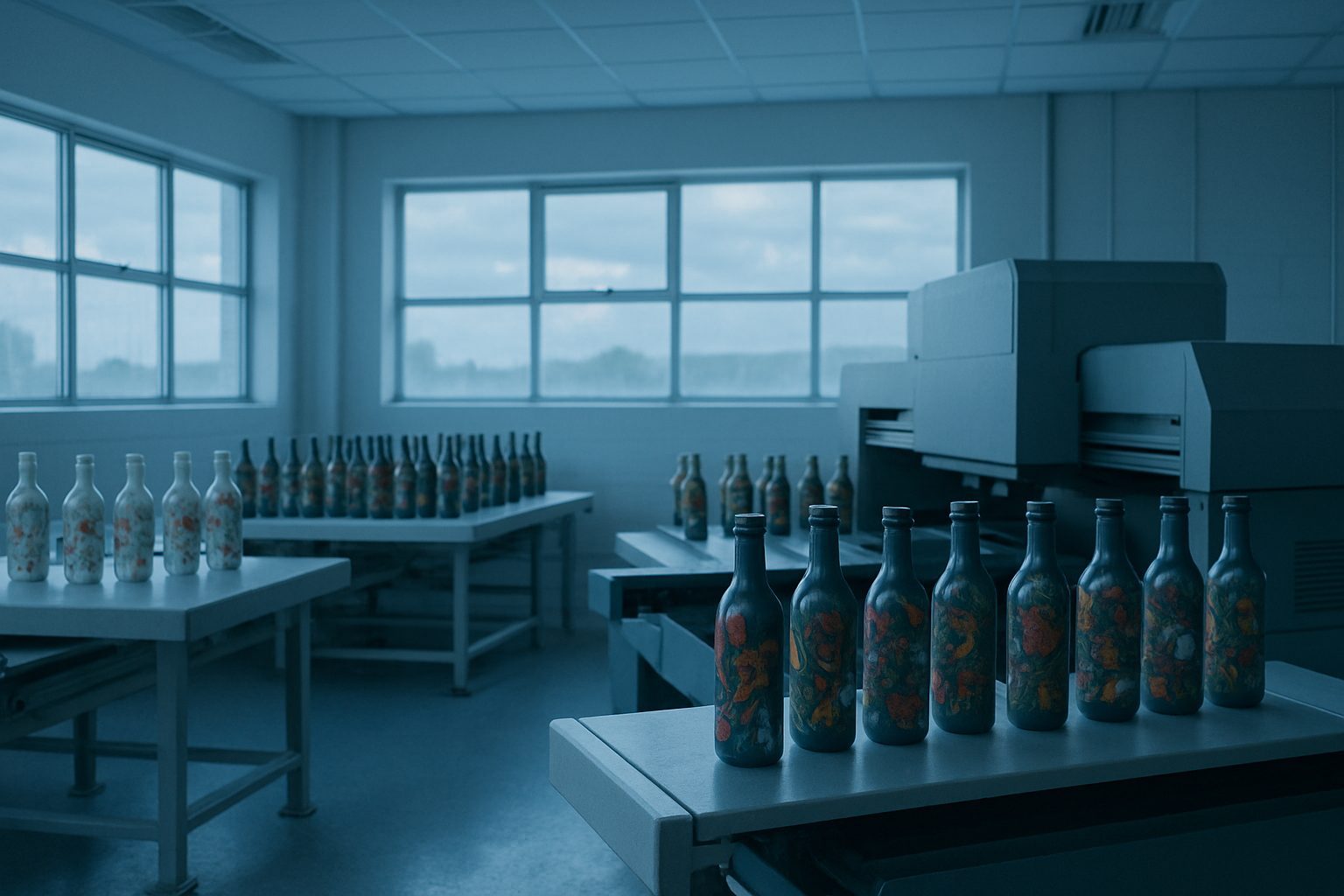
Flat Panel Bench fixtures and nests are the shaped tools and add-ons that lock in bottles, jars or flat stock during UV decoration. Each one is built around a real print brief, not a showroom sample, so your crew can load pieces fast and keep output even, from the first to the last item of the day. We see these used in Gauteng print rooms handling small-batch spirits, Cape Town ink shops running promo flasks, and Durban lines prepping skincare bottles for high-humidity transit. If your volume is under 5,000 pieces a week, or lines swap in different bottle shapes every job, these fit better than high-volume automation.
These fixtures make sense for operators running single or mixed bottle shapes, quick turnarounds, or sample lines where every job is a little different. If you have a small crew and prefer to control set-up in-house, rather than call a specialist for fitment, this set-up usually keeps downtime low. They suit stop-start production common during load-shedding, or where finished goods need to survive both Highveld dust and coastal humidity. High-output, high-speed lines with permanent bottle geometry may outgrow these, as those benefit more from dedicated jigs and factory-built conveyors.
Each fixture is prepped in our Germiston bay, matched to South African bottle and jar spec sheets. We check for transport issues between Isando and Cape Town, the most common pain point is fitment swelling in Highveld weeks and shrinking down the coast. In practice, a typical Gauteng print crew sets up a fixture in under 20 minutes, running test prints on scrap bottles before switching to the live batch. Loading is manual, but the nest is designed for repeatable throughput. You can swap out a fixture for a new bottle size by unclipping and dropping in a replacement, no engineer needed. Small-batch operators in Polokwane and Bloemfontein often rotate between two or three nest sets to manage mixed orders.
A print room in Durban lands a run of 1 000 aluminium water bottles for a corporate promo. They email us two site photos, a marked-up bottle spec and their timing window. We check what failed last time on similar bottles, last winter, a cap-nest did not lock in properly on a similar batch, which slowed loading, so this round, we suggest a tighter cap nest and a softer liner for humidity. Our workshop matches the fixture to their Flat Panel Bench, packs it for 230 V mains, and arranges shipment. The operator receives it, fits the nest, does a three-bottle test print, and kicks off the run. If another bottle size joins mid-week, they swap in their backup fixture and keep moving.
To keep back-and-forth low and the fit correct first time, gather a few details before emailing our contact form. We work from facts, not guesses, so send real photos and as much about your site as you know. Two or three details missed early tend to cost a rush fee or a return trip on the next order. Most weeks, a brief with a rough drawing and city stamp gets the job moving fastest. If you have a use-case shortlist, browse these to sanity-check your pick.
The most common snags: bottle shift during transit, nest swelling in Highveld heat, operators using the wrong fit for the bottle neck, or benches paired to the wrong spec. To catch repeats, we keep a working note after each job, dates, the main miss, and what fixed it. For regulars, this means each new run is sharper than the last, and new crews avoid old mistakes. If you are unsure about a fixture choice or need to see a real example, you can check our Flat Panel Bench specs or browse project notes for setups like yours. Email when ready, and we will answer with a firm sequence, not a brochure.
Verified Google reviews
Our contact form · Sunnyrock applications lab