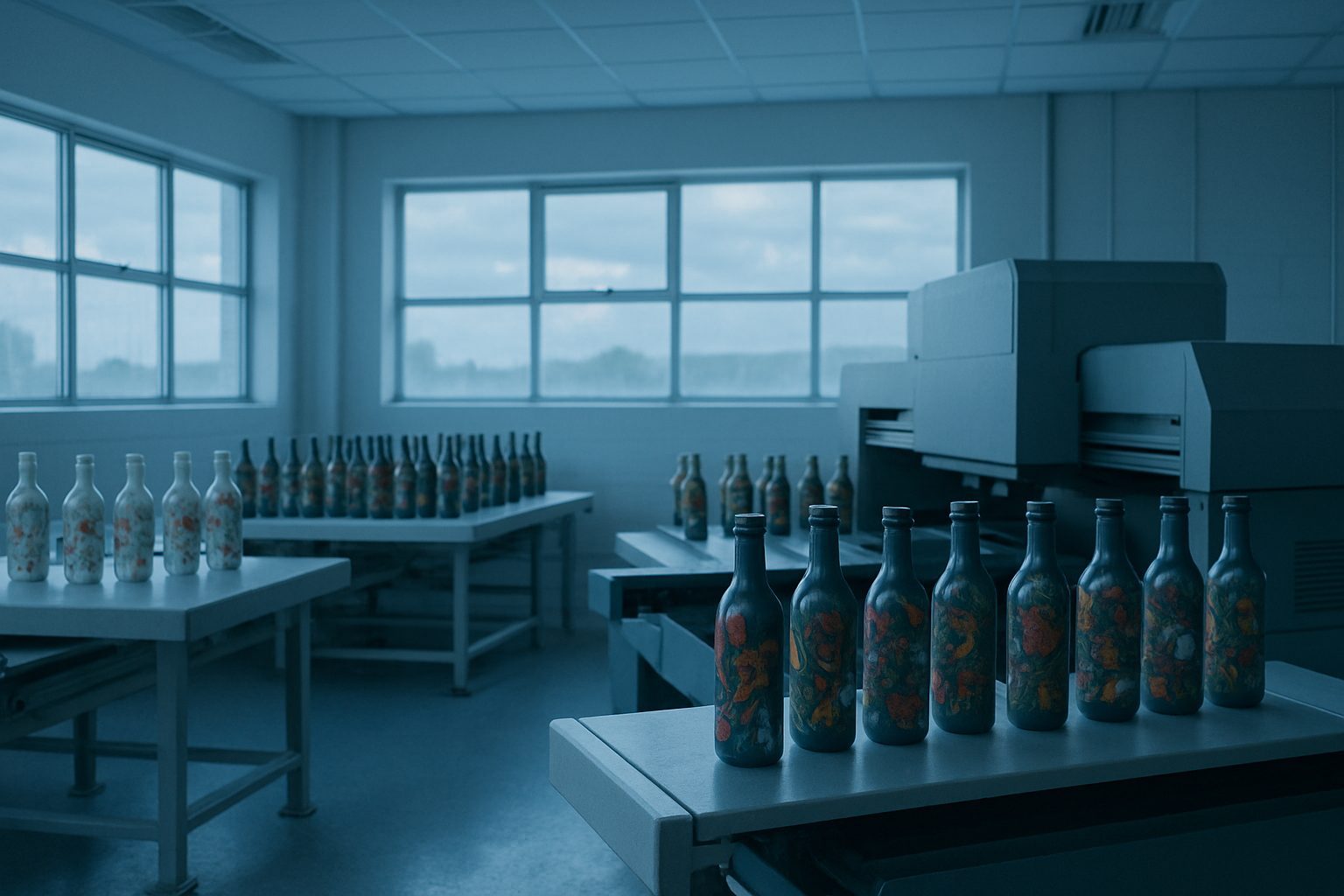
InkFlow Station service helps you keep production running with honest guidance, training, and support suited to South African conditions. Plan with practical checks to avoid delays or costly repeat visits.
Use Cases · Notes · Contact us.
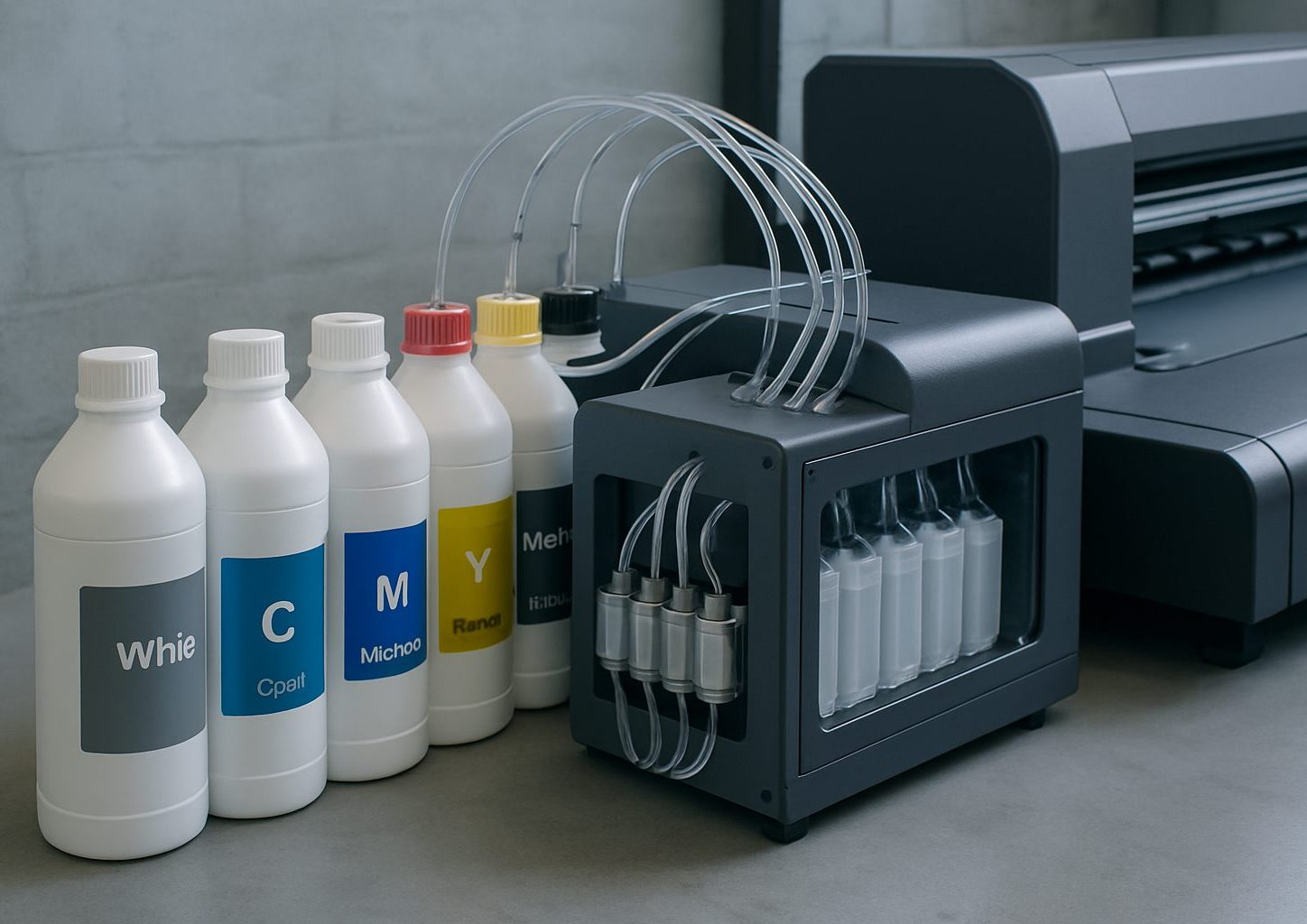
See support and cure log template. Use our contact form.
Our InkFlow Station service is designed for operators and owners running UV bottle decoration on busy South African floors, from Worcester brewers to Gauteng personal care lines. We cover hands-on equipment training, maintenance planning, fixture fitment, and remote or on-site fault-finding when your schedule or site throws up a snag. You get answers grounded in local power, supply, and transit realities, not just theory. If a job needs special hardware or a switch in ink, we point that out before you commit, especially if transport between cities like Pretoria and Cape Town could affect site timing or risk a bottle recall.
We do not offer this service for every site. InkFlow Station service is best for teams who want to stay hands-on but value an outside check before the next print run or shift change. If your crew needs daily on-call operator support, or if your process is heavily automated, this is likely not the best route. Instead, we work with you to set up a routine you can own.
InkFlow Station service fits businesses with in-house teams who can carry out basic adjustments and keep lines moving when load-shedding or Highveld dust gets in the way. If downtime is money for you, and your operators prefer to call for help only when they have tried the simple fixes, our approach saves guesswork. That includes small-batch breweries in Polokwane, cosmetic workshops in Durban, and promo bottle lines in Gqeberha.
If you rely on outsourced maintenance or your staff rotate too quickly to build skill, this service will not suit. It works best for sites with at least one operator who can follow a stepsheet, send decent photos of a fixture, and mark up a timing window so we can sort the root cause. We do not pitch promises we cannot keep: if your process cannot pause for a diagnostic, or municipal paperwork blocks site access, our field support will be limited.
We start with your actual constraint, timing, power supply, bottle shape, or print area. When you send a message through our contact form with your site details, we review current kit, recent issues, and your team’s notes on operator shifts. Most support begins with a remote session covering settings, fixture swap, and operator checks. If an on-site visit is needed, we plan the trip around your timing and what is realistic between Gauteng, the coast, or the interior industrial parks.
A typical worked example: A Bloemfontein soda line struggles with ink adhesion just as a batch deadline approaches. The operator sends two photos and a note about the last fault. We spot a fixture mismatch and advise a swap from the InkFlow Station fixtures & accessories range. If the problem is deeper, such as a power dip or humidity issue, the foreman arranges a site window for our tech to visit when the paperwork lines up. The fix and lessons are recorded in our log for next time.
Before you email about InkFlow Station service, set aside 30 minutes to list your current constraints and gather key details. This saves time on back-and-forth and lets us give solid, site-specific advice. If your site toggles between three-phase and 230 V for different shifts, note that. If you have tried a few workarounds already, include what worked and what did not. Clear, recent site photos (even phone shots) often spot what emails miss.
Broader briefs fare better: If you include your city, timing window, and how urgent the job is, we can line up our advice with your reality. Your supporting docs do not need to be perfect, a hand-marked drawing set or a messy statement pack will do. Direct and honest beats fancy every time.
Most costly problems come back to missed notes in the original brief. Skipping the constraint step often means paying for a rushed part or a second visit. Changing fixtures or ink lines without checking compatibility to your floor’s power supply or bottle shape is a classic trap, especially when last-minute orders stack up before a long weekend.
The best safeguard is honesty, about your site, your process, and your crew’s actual skill level. If your operator cannot run a reset after hours, pick the simpler path, not the flashier accessory. Regularly review your internal log or ask for our last fix note on your brief, so you do not repeat the same miss twice. Notes and Use-cases offer more, tailored to SA shop floor realities.
Verified Google reviews
Our contact form · Sunnyrock applications lab