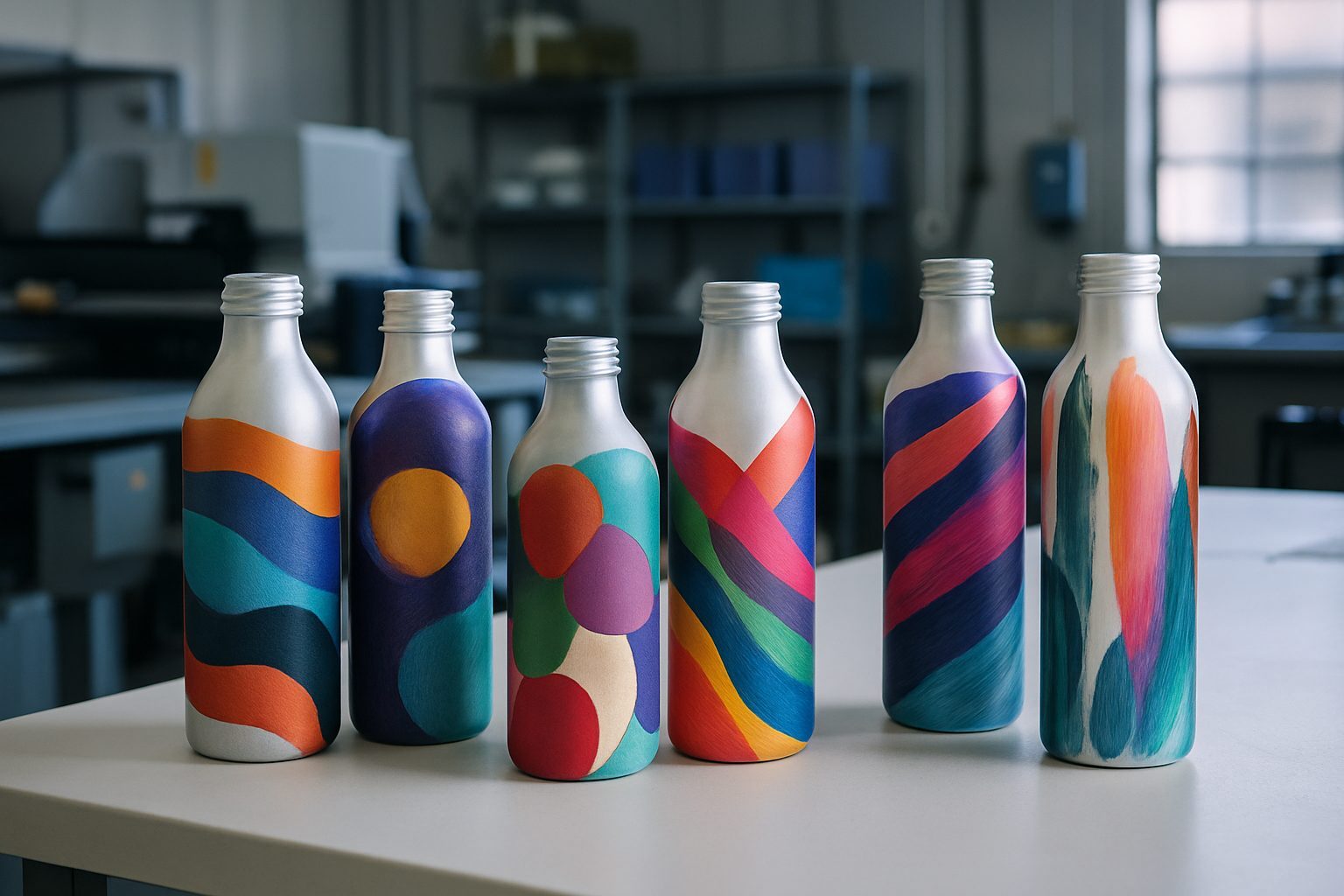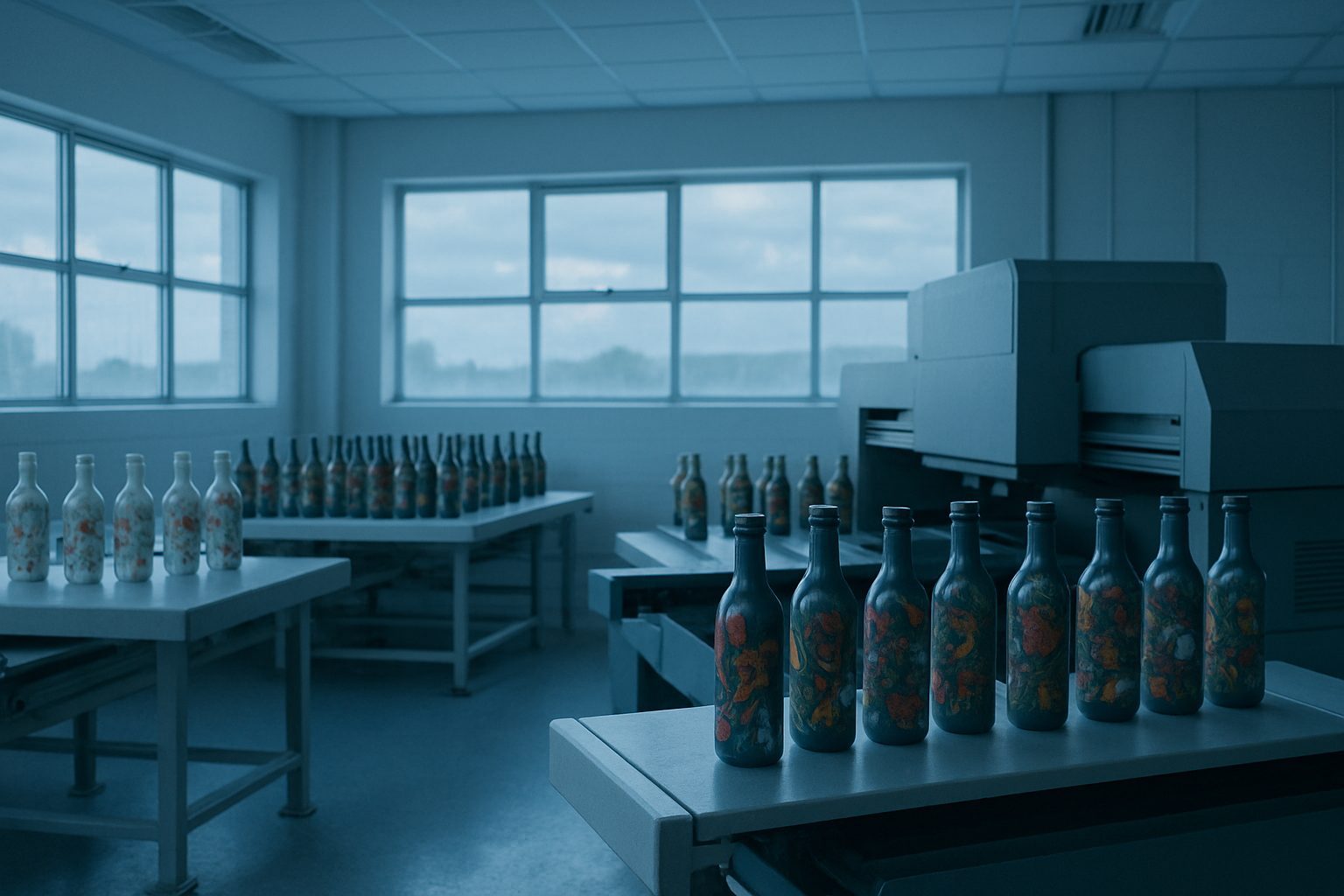
Fixtures, nests, and accessories made for Sample Lab Day, built for South African climate, floors, and production habits. Select with your own team’s reality in mind.
Use Cases · Notes · Contact us.
Sample Lab Day fixtures and accessories are practical add-ons that tighten up bottle test runs or one-off samples in your own shop, print room, or factory. Each nest, holding kit, or jig is designed for reliable tests, not for display. The operators who need these tools are filling their own gaps between big production and daily reality, from craft spirit pilots in Cape Town to contract print rooms in Germiston. If you run a print bay where bottles, jars, or tubes shift line every week, this gear keeps trial work controlled without tying up your main line.
These fixtures suit operators who handle changes in bottle shape, order size, or finish from job to job. If your crew already has specialist fixtures for every shape you run, or you only ever print a single line, this kit is not for you. It is most useful for teams with mixed batches, tight changeover windows, or when you need a test that mimics production but happens on local benches.
Every fixture or nest is built for real use conditions in SA, think 230 V mains, sticky Highveld dust, Cape Town’s damp, and the banging around bottles get from transport between Paarl and Rustenburg. These are not catalogue fairy tales, just practical rigs you can line up, clamp, and wipe down between samples. Kit comes clean and labelled. Installs take minutes, not hours of setup or calibration. No specialist tools or extra wiring.
On a given Sample Lab Day, you clip or bolt in the fixture, check that your samples fit snugly, and confirm the surface is ready for UV print. The finish survives test handling, loading, and even the odd drop on concrete. When you’re finished, you pack it up for the next round or the next town.
A craft gin operation near Durban wants to check two bottle shapes for a new satin finish. They book a Sample Lab Day and email their constraints, two bottle shapes, a visual brief, and photos of their line. We match them to two fixtures: one for a classic round, one for a tall square bottle. No specialist or engineer required. The owner runs the set-up with their own staff.
During the test, it comes out that the tall square bottle wobbles in transit, so we swap in a deeper nest. No rush fees, and the owner is not stuck waiting for precision parts or chasing a third-party tech. The test set survives the trip back to Durban without chipping or rubbing off. The whole job takes three emails, two photos, and a timing window.
South African jobs go smoother when you lay out the constraint early, before picking a finish, fixture or ink. It speeds up the match and keeps surprise costs down. Local sites differ: one factory in Gqeberha might need foam nesting for salty air, while a Gauteng print room must fit around three-phase supply and heavy dust.
If you are new to Sample Lab Day, prepare two to three photos of your site or the kit you have. List your city or suburb, shape counts, finish needs, and when you want to run the sample. If you have sketches or a drawing set, include them, even if they’re messy. Extra detail on bottle diameter or closure helps.
Teams that rush fixture choice without writing down their main constraint usually lose time or money, either to a rush fee or a redo. Picking a fixture just for its looks, or guessing at fit, can leave you re-ordering parts in the middle of load-shedding or after a test run chips off. We often see teams expect a single fixture to cover every shape, but mixed batch work needs the right fit for each bottle. Waiting until the paint is dry to flag a wobble also sets you back.
To avoid all this, match your real constraint, fit, finish, volume, or power supply, to an option your own crew can use and adjust. Any uncertainty is sorted by email first. We keep internal notes on what missed before, so we do not repeat fixes job after job. If you are not sure, send a message through our contact form with your details. You will get a plain answer, not a sales brochure.
For a deeper look at what Sample Lab Day covers and the sample systems that fit SA floors, browse the Sample Lab Day main page or take a look at Sample Lab Day specifications. If you want to check finishes or see past production, visit Finishes or browse real projects run by South African teams.
When you are set on your brief, send a message through our contact form with your kit list, city, and a photo or two. We will answer with a working sequence that suits your site, not a standard quote. Most weeks, feedback is a day or two.
Verified Google reviews
Our contact form · Sunnyrock applications lab