Here we cover published specifications, site constraints, and practical tips for SleeveAlign Assist in South African print shops and packaging lines.
Use Cases · Notes · Contact us.
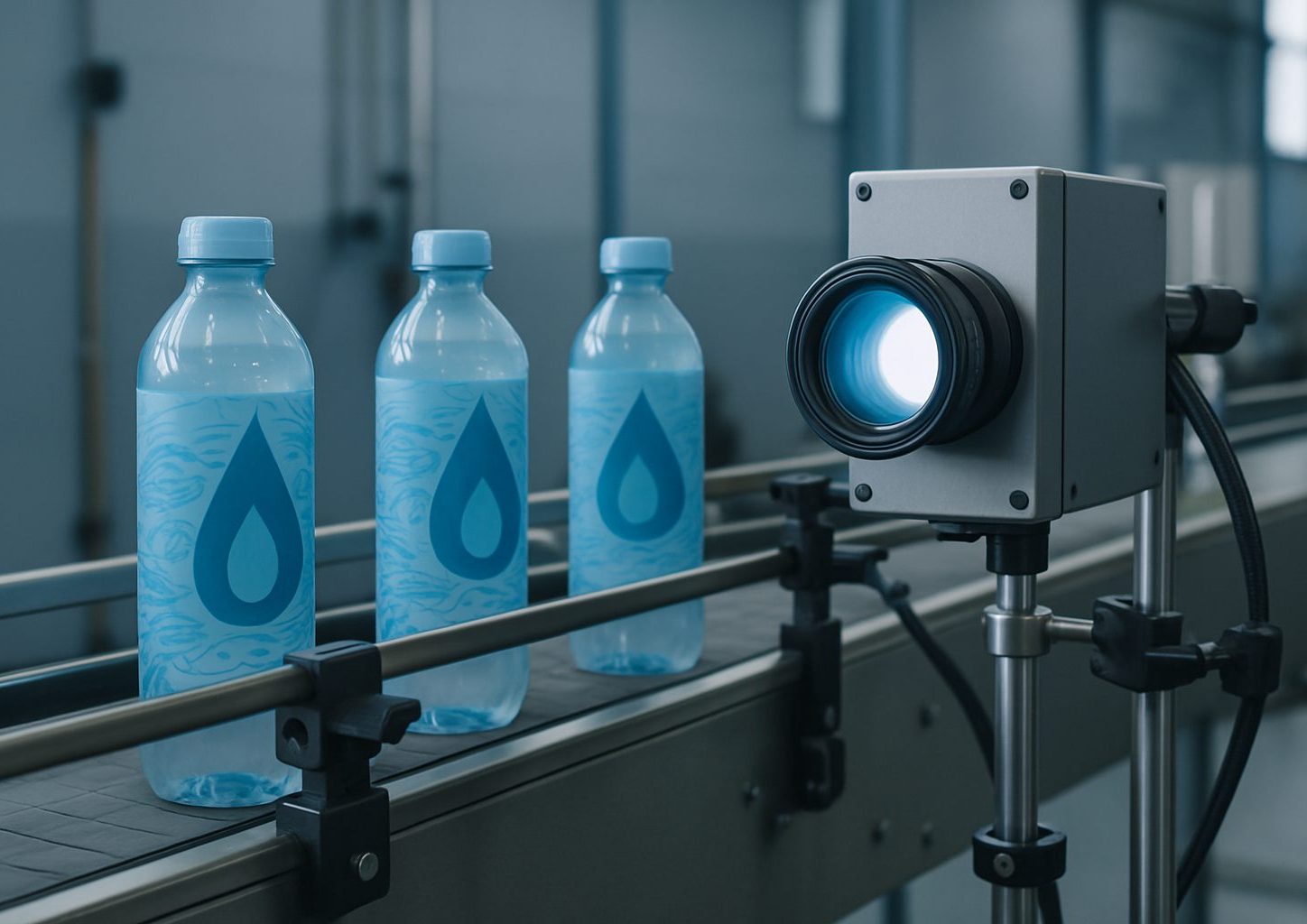
| Camera | Industrial mono |
|---|---|
| Detect | Seam + art mark |
| Recipes | Per SKU |
| Line | MiniLine ready |
| Output | Pass/fail log |
Use our contact form for a tailored footprint.
SleeveAlign Assist is a mechanical guide and fixture set designed for consistent alignment of shrink sleeves on cylindrical and specialty bottles. Its main use is in craft beverage filling lines, contract packaging workshops, and promo bottle runs where hand alignment cannot keep pace with order volume. The system suits print and sign rooms that want to keep bottle branding crisp, avoid rub-off, and cut the wasted overtime spent fixing wonky sleeves after packing. Teams in Gauteng and the Eastern Cape favour it when exact label height and rotation matter for shelf presentation.
This kit is not for automated high-speed lines with full robotics or for operators who want plug-and-play digital control. It is built for work where most alignment is still done by hand, but the order size or finish standard has outgrown pure manual lining up. Operators in Gqeberha and Cape Town who face regular staff turnover, mixed bottle sizes, or humidity shifts will notice the stability straight away. The mechanical bias means fewer electrical failures during load-shedding or voltage dips.
The set uses adjustable jaws and position stops, with reference notches for each bottle type. These can be set up on a stainless bench or mobile trolley. The jaws hold bottles steady while sleeves are hand-placed and checked against a scribe line or height gauge. A bottle is rotated gently to check for skew before shrinking. Because the system does not rely on digital sensors, it shrugs off Highveld dust and coastal mist that often foul up optical units.
In practice, the operator loads a batch of bottles, aligns the guide for the batch spec, then positions sleeves against the stops before heat is applied. The process works best when one person controls both the adjust and the check, especially on promo lines where every bottle might be a different sample run. Most teams keep a written note of the jaw positions for each bottle range, which saves guesswork when switching between short runs for Bloemfontein and Durban clients.
South African sites differ from the imported templates. A double-check is needed on the available bench space, power points for heat tunnels, and working height for your tallest bottle. Ballpark numbers: allow 800 mm length for the fixture, with 500 mm depth and 350 mm clear height. Most city sites run on standard 230 V single-phase, but three-phase is needed for paired systems or high-throughput tunnels.
Teams sometimes under-brief the strike window, especially when balancing staff shifts between print and packing. This leads to overtime and rushed rework. The biggest pitfall is skipping a constraint list. When the Highveld dust or Cape Town humidity shift hits, any flex in alignment shows up fast, especially on craft gin bottles with skinny necks or short shoulders. It's the reason we ask for site photos and a timing window before quoting.
A Germiston craft soda line moves from manual to batched sleeving. Three bottle shapes, each run in lots of 2000. The workshop uses a standard 850 mm bench, single-phase supply, and one operator. They set the SleeveAlign Assist jaws by copying the marks from last month's batch, check a sleeve on the tallest bottle, and tweak stops so the scribe line matches their artwork proof. The operator rotates three sample bottles and confirms the sleeve seam holds level. The batch is run, sleeves applied, and the alignment holds right through to boxing and local delivery.
Transit is between Germiston and Polokwane, so bottles are checked again after arrival for any rub-off from road vibration. No resleeving is needed because the sleeves held true, and the note on jaw positions is updated for next month's run before the operator signs off.
Before you send a message through our contact form for specs, a quote or setup help, it speeds things up to send at least two photos of your site or bench, your timing window, and a list of bottle shapes and order sizes. A drawing set or rough statement pack helps if you have one, even if it’s messy. Do not forget your city and any power or height constraints unique to your line. We record what failed last time, so we can suggest a sequence that prevents common misses on similar jobs.
If you are not sure about a constraint, describe what works and what keeps failing in your current method. We will ask follow-up that skips brochure talk and gets you an answer tied to your actual floor, whether you run in Durban's sea air or Bloemfontein's dry winters. For more details on compatible fixtures or site service, see SleeveAlign Assist fixtures & accessories or SleeveAlign Assist service.
Verified Google reviews
Our contact form · Sunnyrock applications lab