Gqeberha
UV bottle decoration and sleeve registration for Gqeberha juice packs, set up to survive local power and workflow constraints. Learn what matters before you brief your own job.
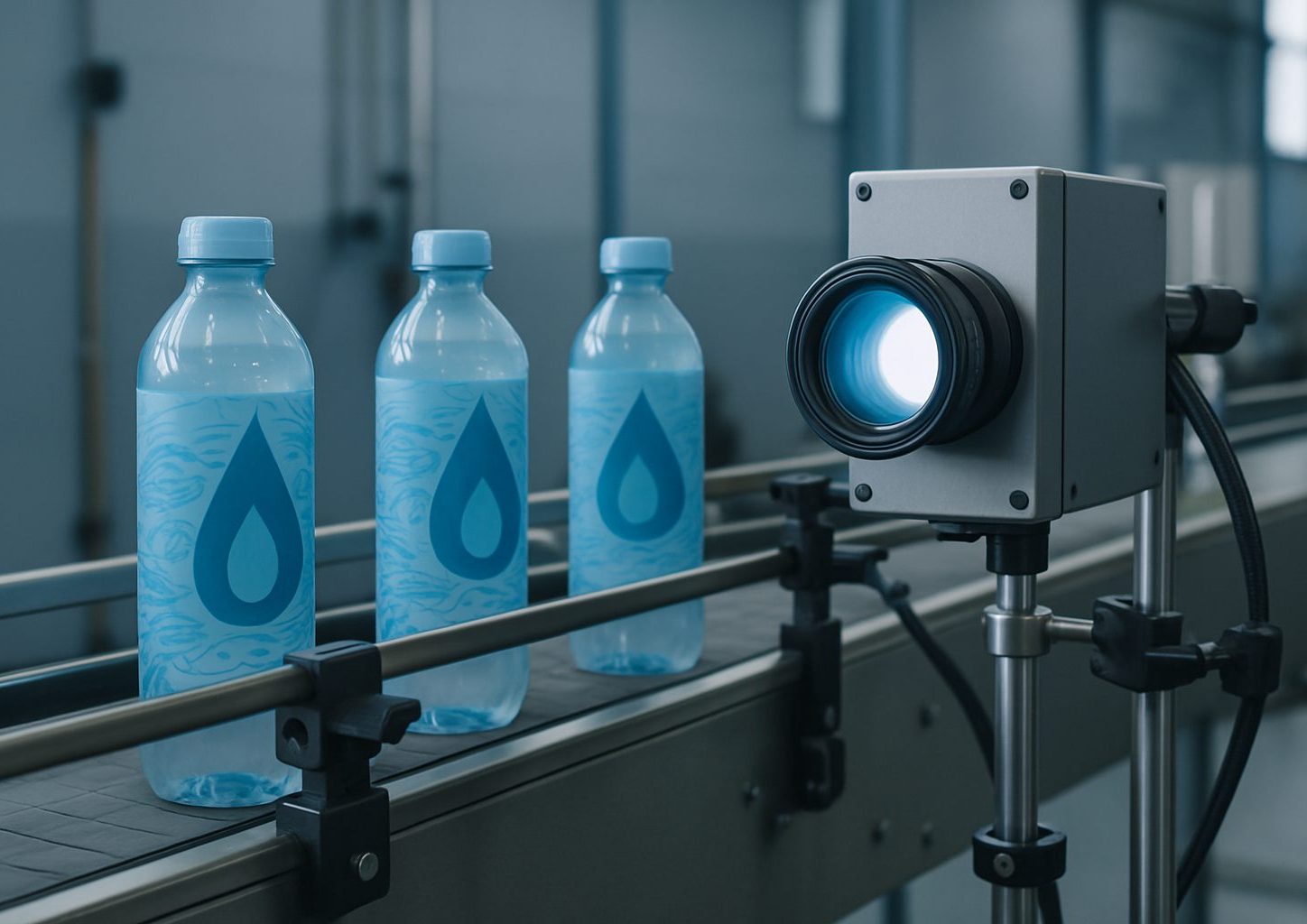
Camera assist for shrink-sleeve registration when UV decoration shares a line with sleeves.
Explore →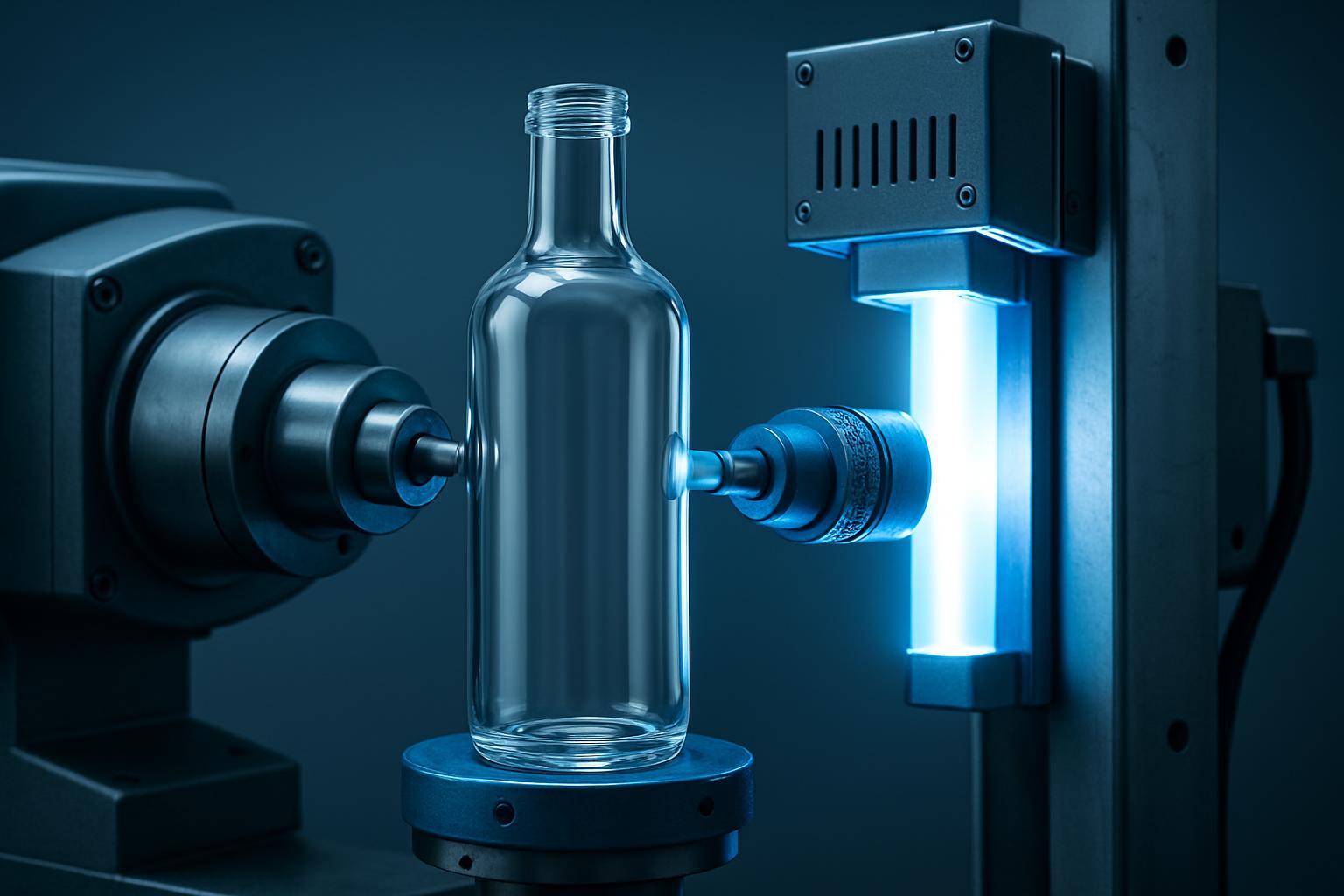
Rotary UV stations for cylindrical glass and PET, craft beverage ready with indexed fixtures.
Explore →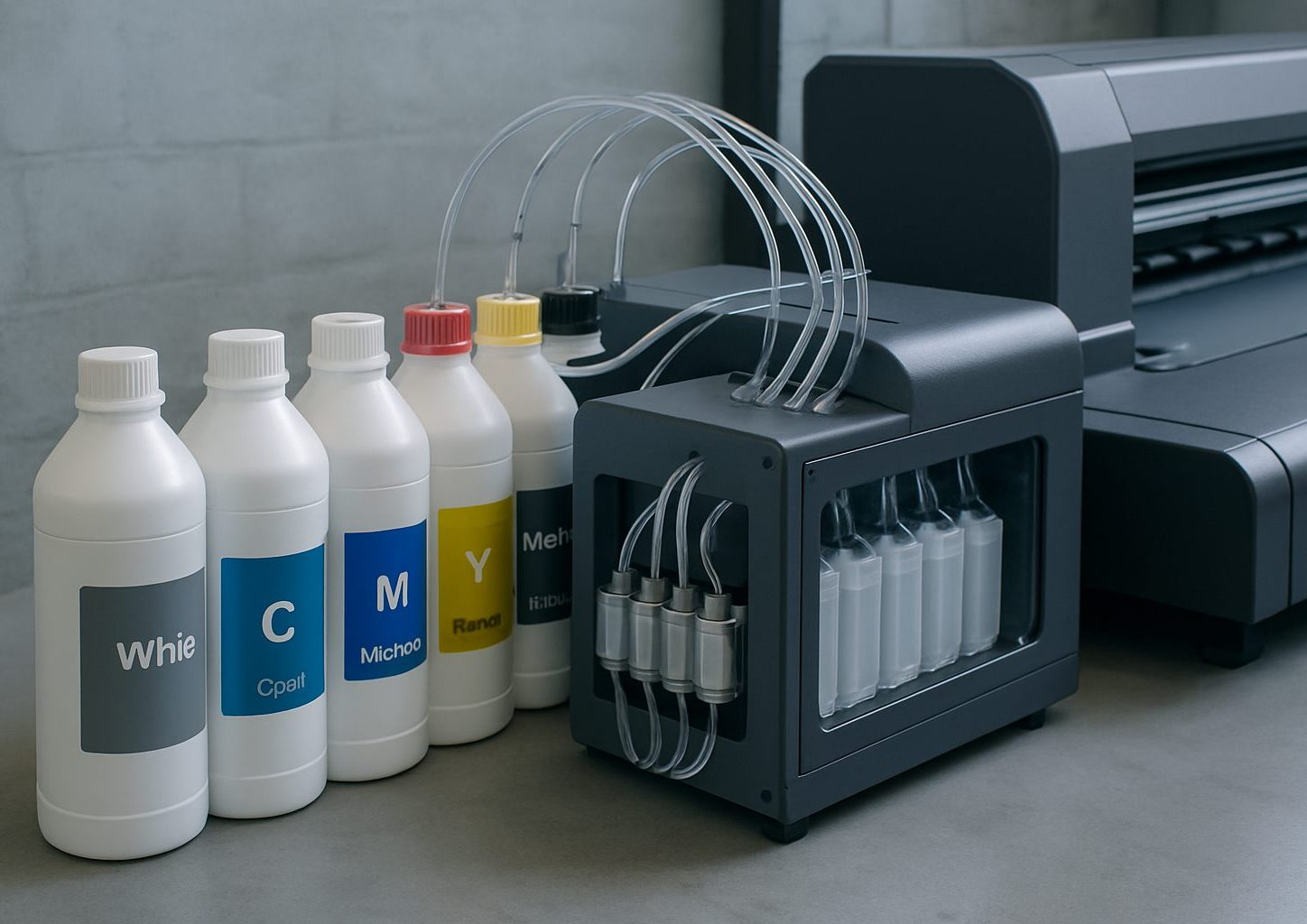
Closed ink carts, white underbase control, and soft-touch varnish dosing for UV lines.
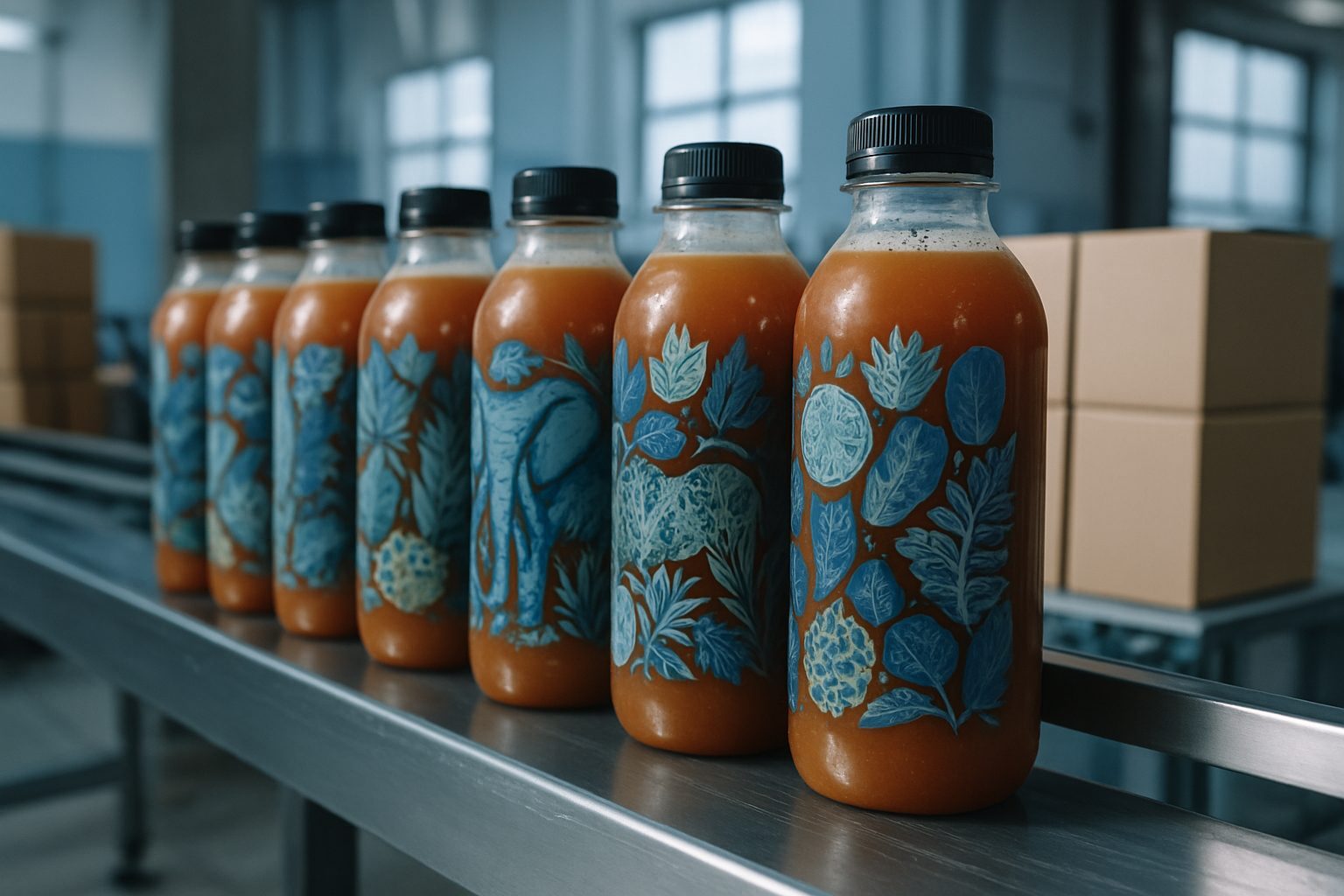
Explore →For a juice line based in Gqeberha, the brief called for bottle packs with precise full-body sleeve registration and durable UV-decorated side panels. These packs were destined for routes where handling is rough, stock moves fast and brands rely on decoration that will not rub off from shelf or vehicle scuff. Gqeberha’s mix of coastal humidity and high-traffic distribution means the finish and adhesive system must cope with more than just one season. We chose UV print systems tailored for this kind of environment, with registration that holds across multiple batches and a finish that survives crate load-outs.
The owner wanted a result clean enough for retail but rugged enough for bulk deliveries by road and rail. Our team worked with their core staff on floor mapping and pallet flow. We kept the plan short and agreed every handoff or strike window upfront, knowing from past jobs in other Eastern Cape sites that missed timetables and shared site access can cost a delivery slot.
This approach works best for juice bottlers, beverage co-packers and franchise lines that need reliable, high-precision branding on PET or glass. It fits teams with a stable filling schedule who cannot afford to redo stock because of smears or labels coming unstuck. If your site sees frequent power dips or municipal delays, the upfront planning pays off. If your operation uses outsourced packing or regularly shifts locations, clear site constraints are even more important.
This system is less suited to very short pilot runs, hand-filled lines, or brands with fast-changing label artwork. If you swap bottle shapes from batch to batch or rely on borrowed factory time, you may not see the full benefit from a fixed UV-sleeve setup. For more flexible application needs, see our Midrand dairy pilot or Durban cold brew PET projects.
On the Gqeberha floor, our first job was to detail the existing power runs and site access windows. Load-shedding risk meant a separate circuit for the printer, not shared with the main filler or palletiser. All crates and file packs were labelled and everyone agreed to a fixed strike window before we started. Experience from Stellenbosch and other plants taught us how easy it is to lose hours if the power spec or route map changes once the job is live.
Our team held a dry run with empty bottles and sleeves to check alignment and finish under real light and humidity. The operator used actual production stock, not test blanks. Stakeholders stayed on-site for feedback, and a signed-off timetable meant everyone knew where to stand when the courier arrived. Once decorated, packs went from the printer line to shrink-wrapping without extra handling, limiting scuff risk.
On another job in Rustenburg, a client skipped a power check and almost delayed the run because the bottle printer tripped the site’s old breaker. Our field note was simple: write down all constraints, the separate power run, who needs access and when, which fixtures the print room can spare, and when the operator can hand off. That habit comes from first-hand experience across Gauteng, Polokwane and Bloemfontein sites where too many moving parts cause rush fees or missed handovers.
The Gqeberha juice line ran smoother because the main decisions were locked before day one. We kept notes on what failed last time so we did not repeat errors. For your own project, it pays to translate sketches into a real timetable and photos of access points. Moodboards alone are not enough for bottle printing jobs that need to survive Highveld dust, humidity or bounced crates.
If you want an outline for a juice line like this Gqeberha site, two floor photos and a confirmed timing window are enough to start. If you already have a drawing set or messy statement pack, send it along. We respond with a sequence that matches real floor steps, not just a catalogue page. Include anything that could affect timing: shared power, municipal paperwork, or shifting handoff slots. If you want to see alternative finishes or test on your own stock, just ask.
Before emailing our contact form, review our catalogue and finishes, then get these ready:
Skipping a power check or assuming you can share the mains with your filler almost always causes delays, especially with 230 V or old breakers. Not every site owner knows the schedule or who must stay until handoff. Guest teams often count on smooth access but forget about gate controls or shared forklift bookings. Bottlers who skip a dry run usually pay later in either wasted stock or a second visit.
We keep every project note short and to the point, dates, exact constraint, and one sentence on the fix. This means the next Gqeberha or Kimberley line does not repeat mistakes. If you want to see more field-tested jobs, browse our projects. Send a message through our contact form when you are ready for a practical answer.
Verified Google reviews
Our contact form · Sunnyrock applications lab