Paarl
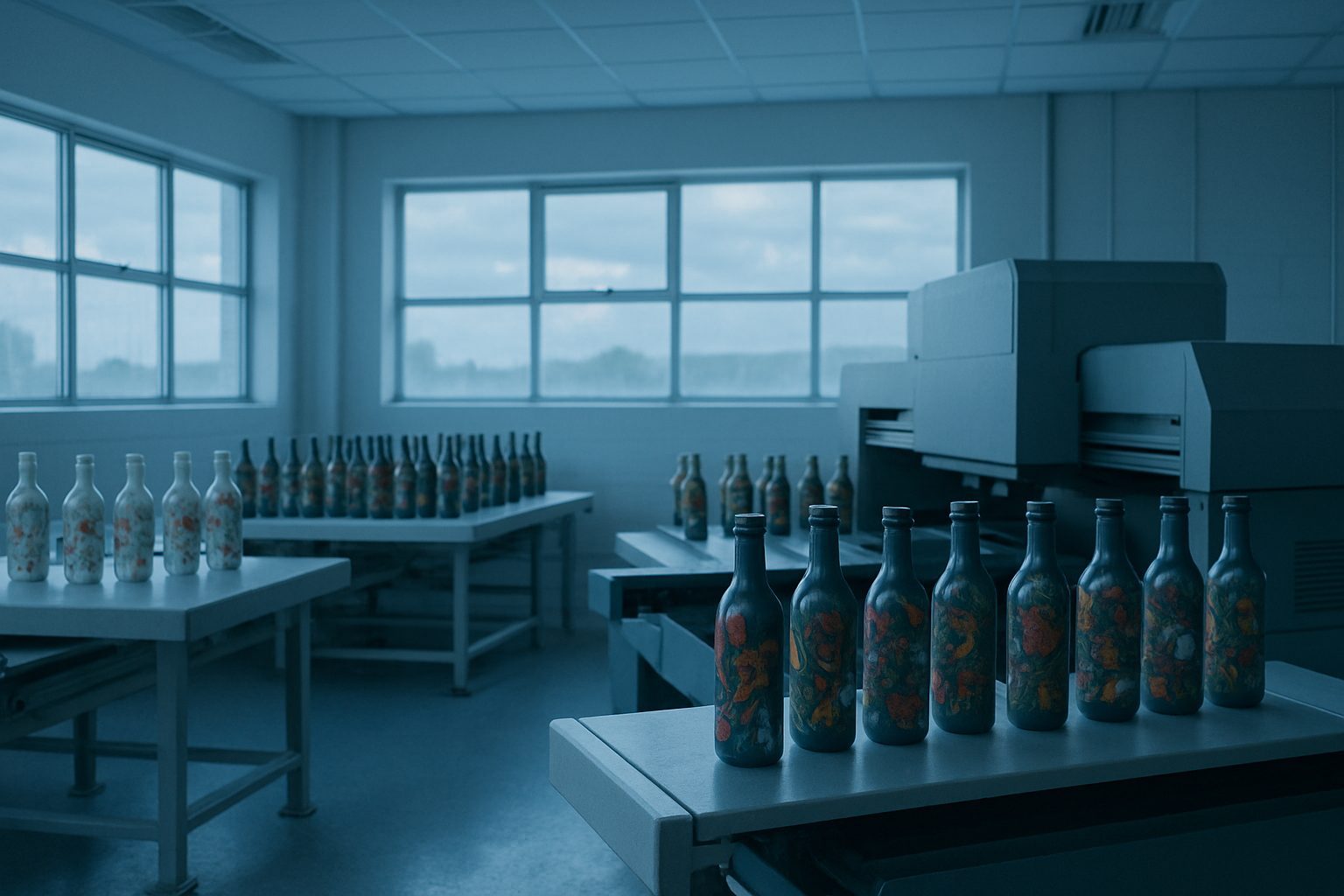
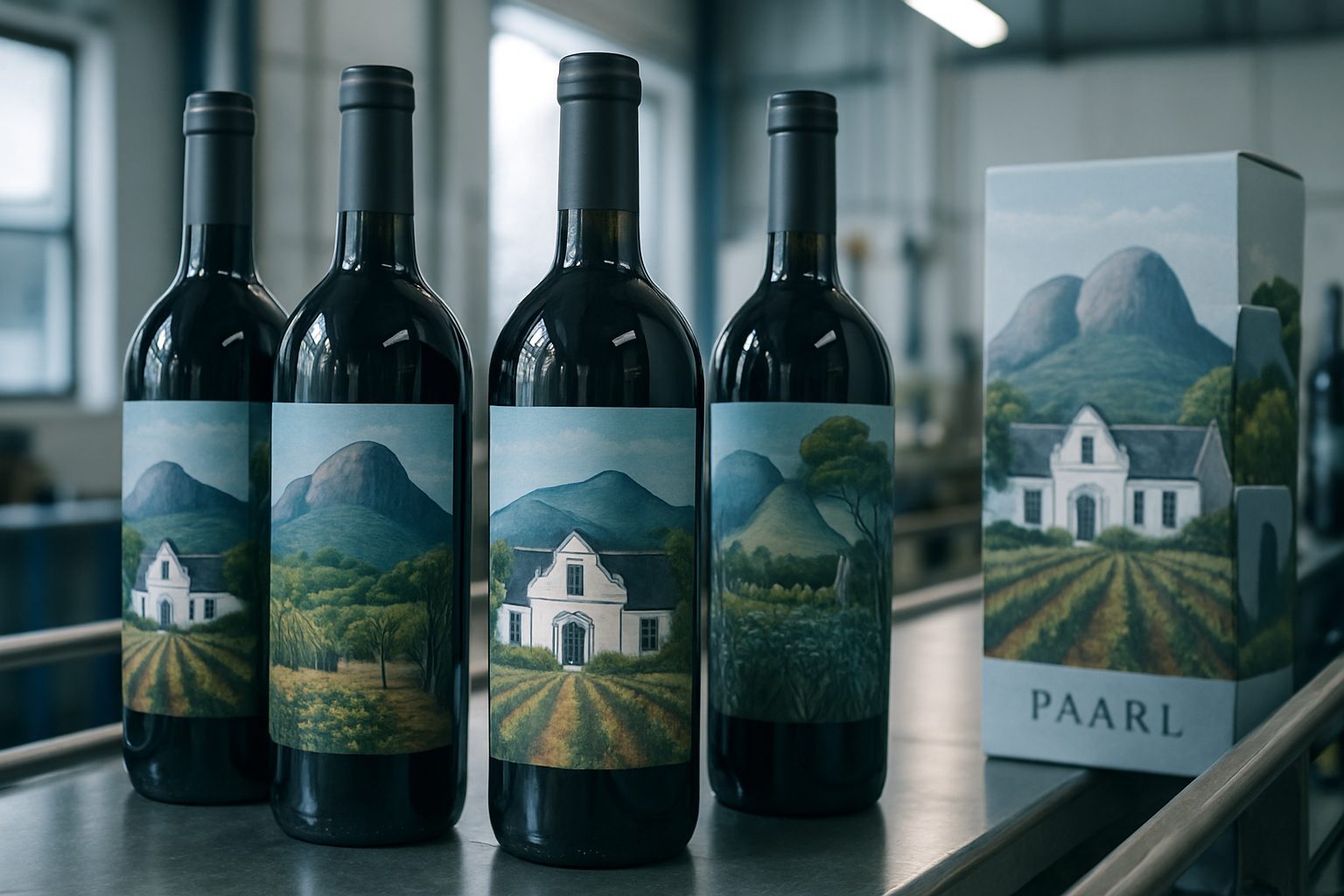
Paarl cellar-door ranges use estate bottle UV alongside paper labels for on-site SKUs. We show how this runs in practice and what to nail down before you start.
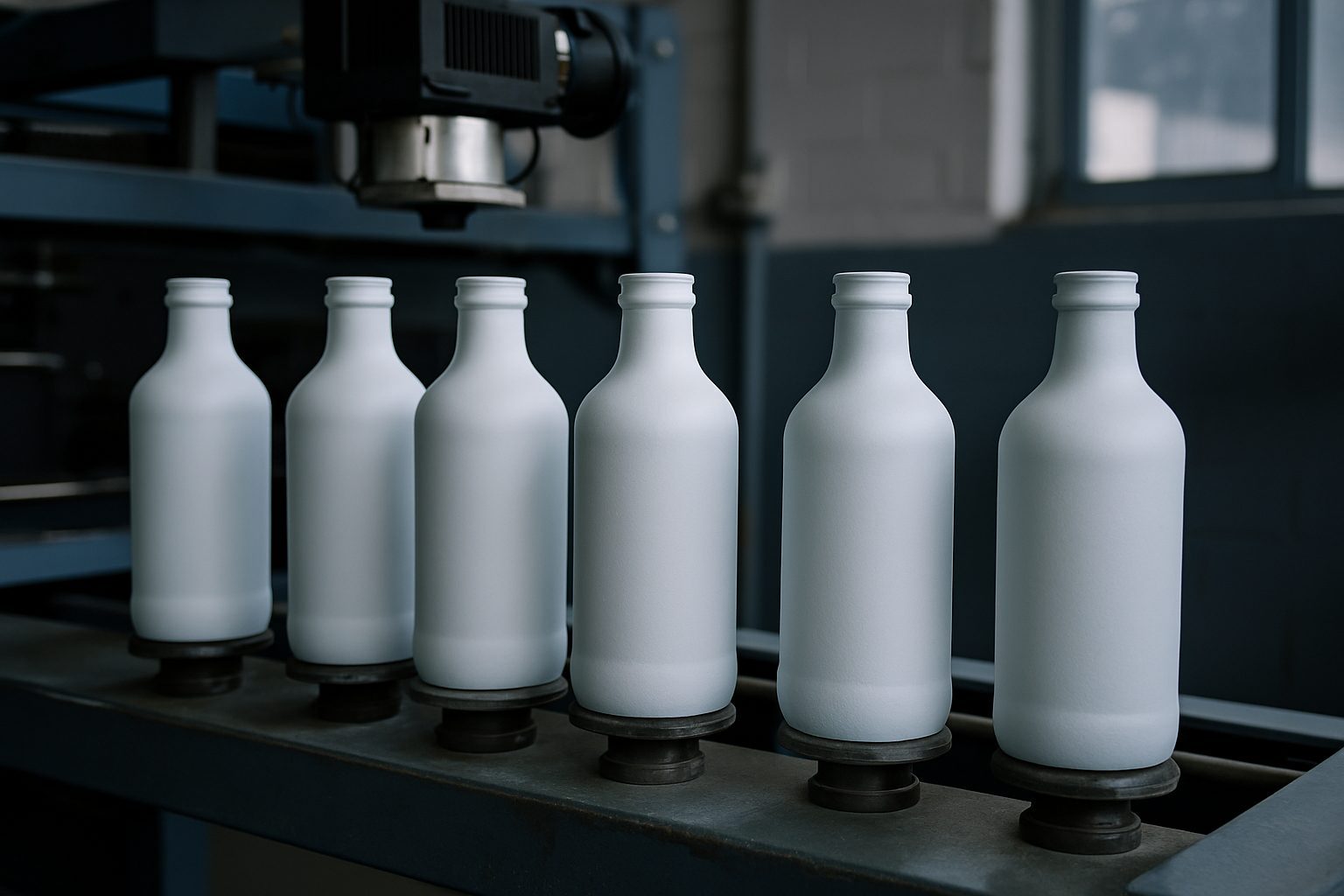
Soft-touch handling rails and pads that protect glass bottles through UV decoration.
Explore →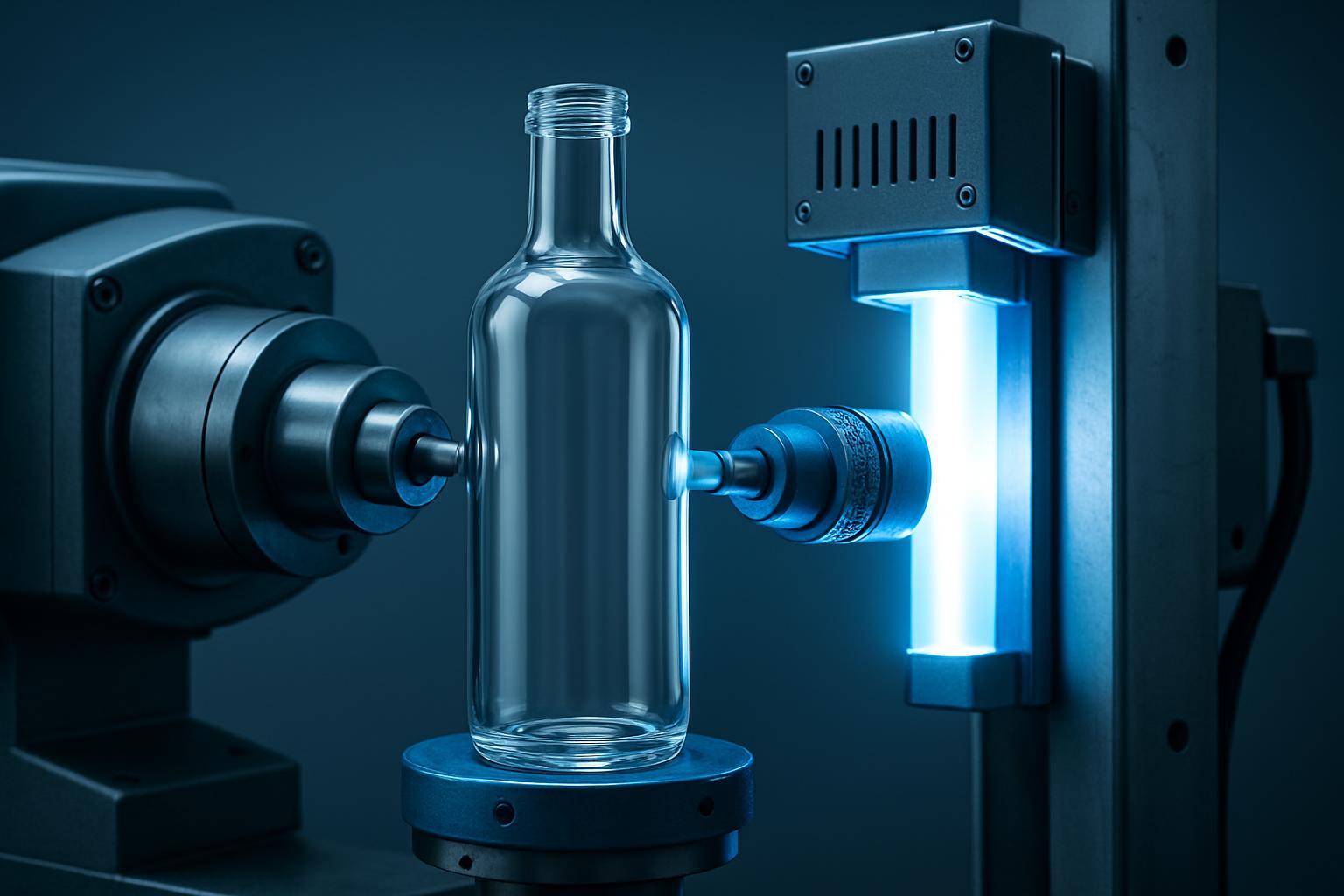
Rotary UV stations for cylindrical glass and PET, craft beverage ready with indexed fixtures.
Explore →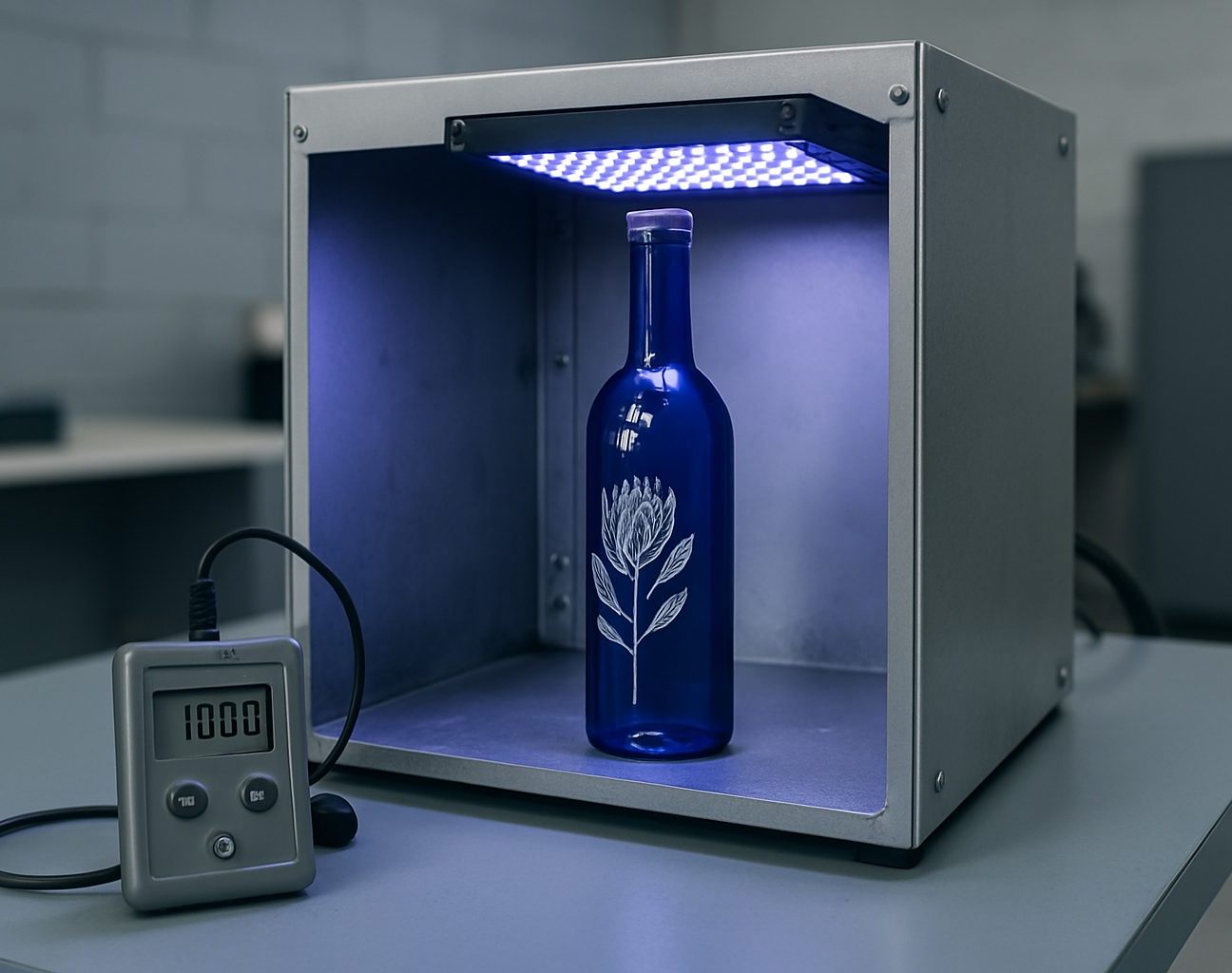
Radiometer kits and cure-window logging for honest ink adhesion on SA factory floors.
Explore →This setup suits Western Cape wine estates and cellars needing durable branding that will outlast a paper label in high-touch cellar-door settings. If you run limited SKUs or heritage lines for direct sale, UV bottle decoration can keep your identity sharp despite coastal humidity, load-shedding shifts, and busy weekends. For estates that must switch between machine and hand-finishing or juggle many label variants, UV works best when you run a clear plan and lock down timing. It’s less suited to operations with unpredictable access, frequent last-minute changes, or bulk lines already locked into high-volume automation. If the team rotates, or your handoff windows are never set, the system loses its strength.
On this project, estate bottles needed UV-finished variants for cellar-door sale alongside the usual line with paper labels. We mapped physical access, checked for shared three-phase power, and walked the load-in route before bringing in the kit. The team kept every crate and file pack labelled and signed off clear strike or handover windows before a print run. We worked with the owner, the cellar hand, and the floor manager to agree every step, down to crate stacking and the best moment to move pallets out without tripping over shared access. Cellar humidity and dust meant we checked all surfaces twice before priming and printing.
For this Paarl run, the brief looked easy until we put people and timing in the picture. The operator shared a power line with the bottle rinser, so we had to time shifts carefully. Load-in was through the tasting room, which closed late some days, and the owner wanted no risk of smudging from hurried handling. We dry-ran one batch late on a weekday, monitored for rub-off during the bottling queue, and adjusted ink mix and curing settings based on the cellarmaster’s feedback. No system was set until we wrote down access limits and the agreed finish, with one dry run for proof.
Every estate and brief is different, so we need a snapshot of the real-world floor. Send us at least two clear photos of the proposed access and a written window for setup and handoff (actual times, not just days). If you have a drawing set, workflow notes, or a timing grid, include those, even if they seem rough. Name the person who will release access and the one who approves changes. If your process is fluid or staff share roles, let us know up front so we can plan support.
We reply with a step-by-step practical sequence - no brochure or generic list. For more examples, browse Projects or see use-cases from other wine and beverage lines.
We see the same pinch points in Paarl, Rustenburg, and other mixed-use sites: access through a restaurant or public area, shared mains supply, and a stakeholder who only appears after setup. These can derail timing, rack up extra cheques for unplanned shifts, and lead to bottle losses if finishes do not cure as expected. We raise every risk in the first call and insist on mapping them before choosing any fixture, ink, or handling sequence.
If you are working to a tight handover (think Cape Town’s late bottling or festival weekends in Franschhoek), tell us when you first write. A dry run or try-on, when possible, lets you spot rub-off or transit issues before the main run. After every job, we log what failed in similar sites - only basics like dates, constraints, and the fix - so we do not repeat the same miss. If you are curious about outcomes outside Paarl, browse our project notes or see Sandton skincare launch for a contrast.
Briefing us is simple and direct. Two photos, one timing note, and a quick sentence about your finish are all you need to begin. Extra files help, but are not essential. Send a message through our contact form when you are ready, and the team will reply with a practical outline tailored to your site and constraints. If you want the same approach rolled out in Stellenbosch or beyond, ask for an outline based on this Paarl method.
Verified Google reviews
Our contact form · Sunnyrock applications lab