Sandton
We matched jar lids and pumps using Flat Panel and CapPrint on a precise Sandton skincare launch. Here we walk through the real steps, from planning through handoff, for boutique lines.
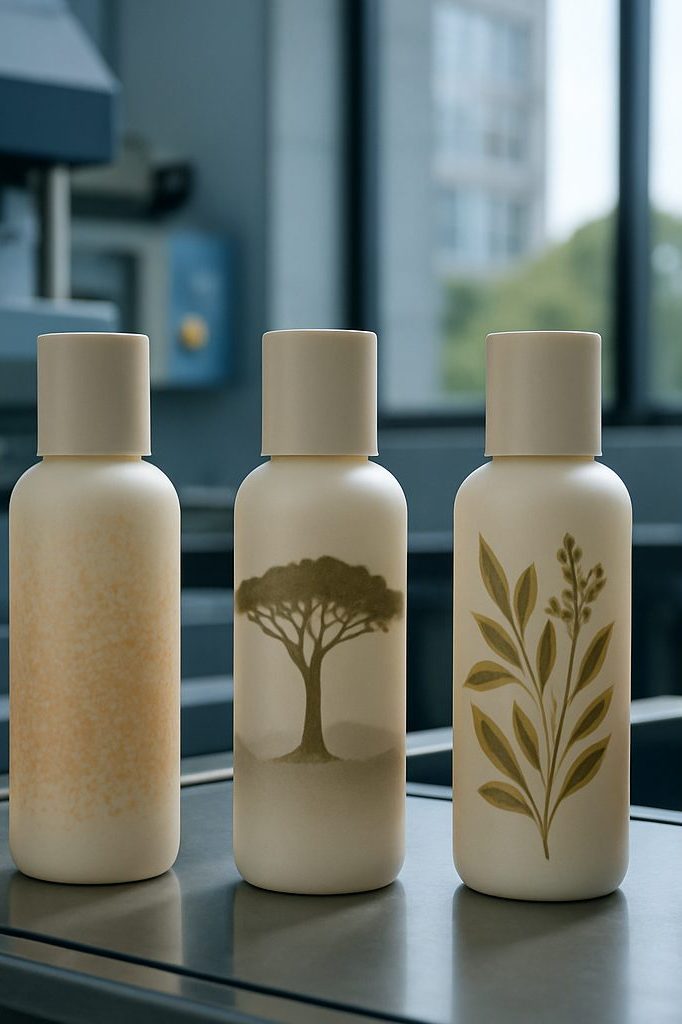
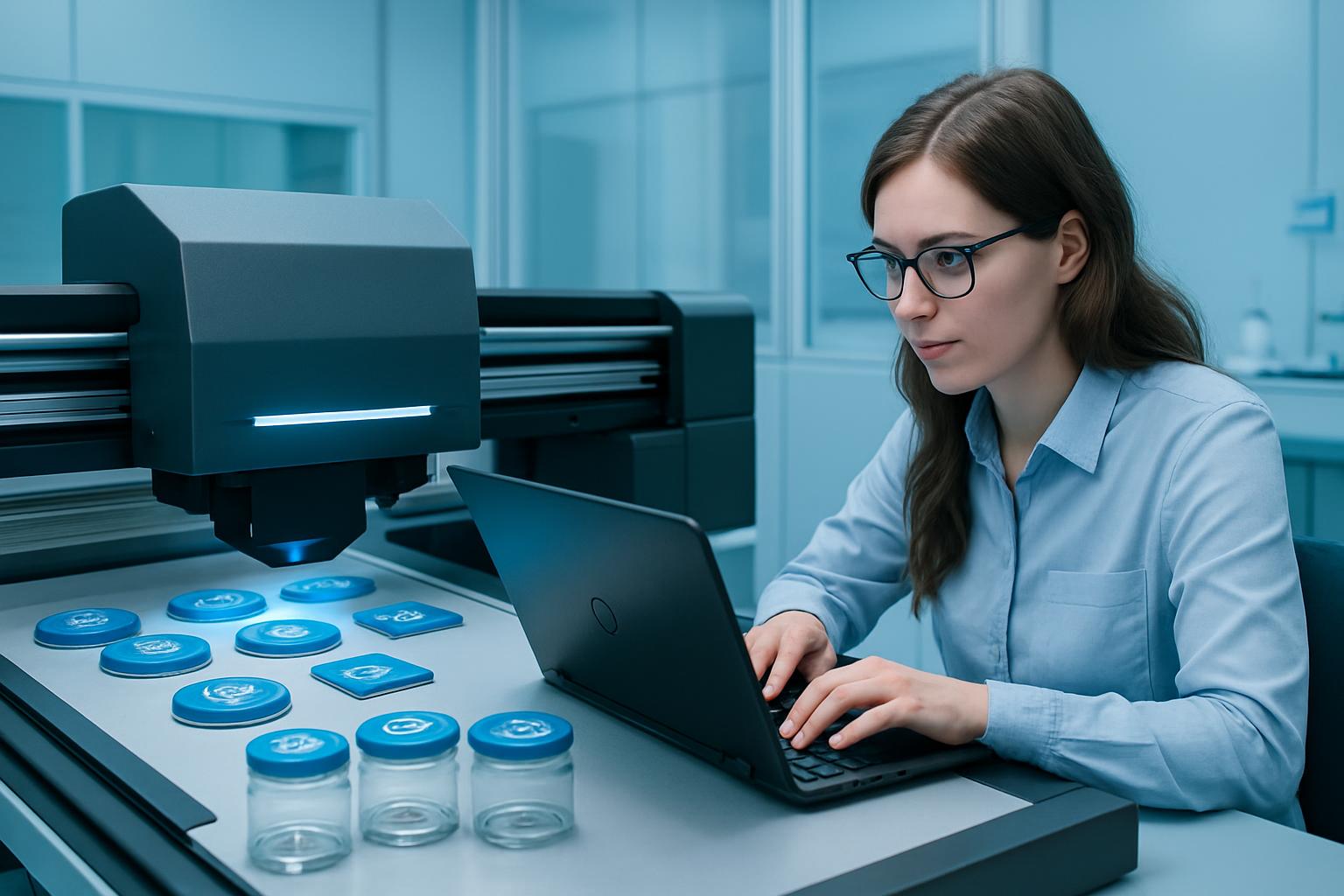
Flatbed UV for closures, tags, secondary packs, and jar lids in the same lab bay.
Explore →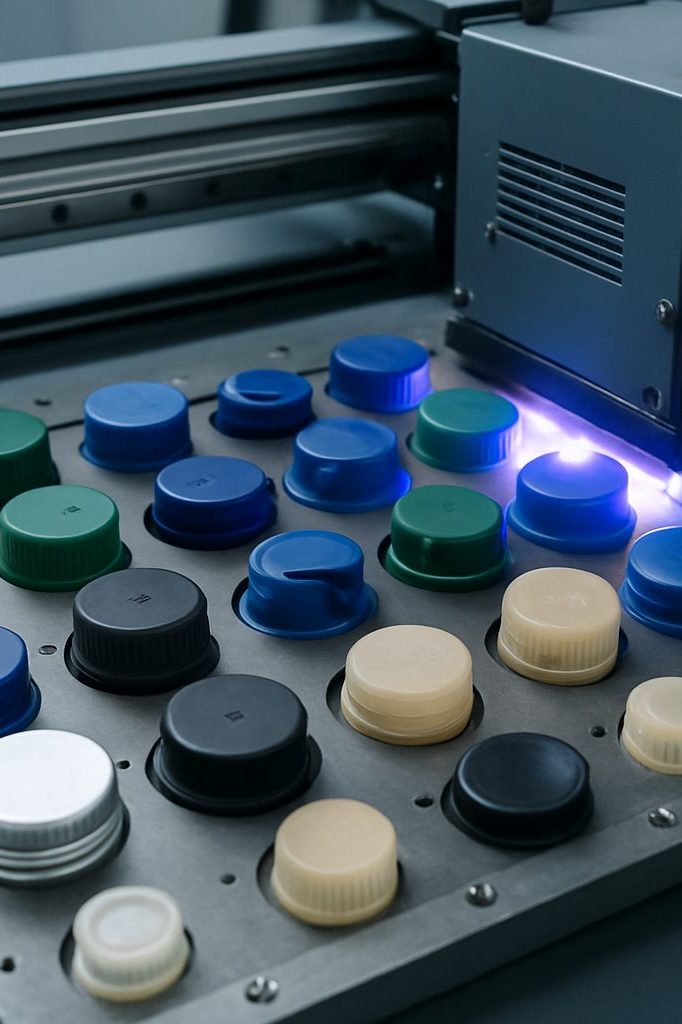
Dedicated closure decoration bench for pumps, caps, and jar lids beside Flat Panel Bench.
Explore →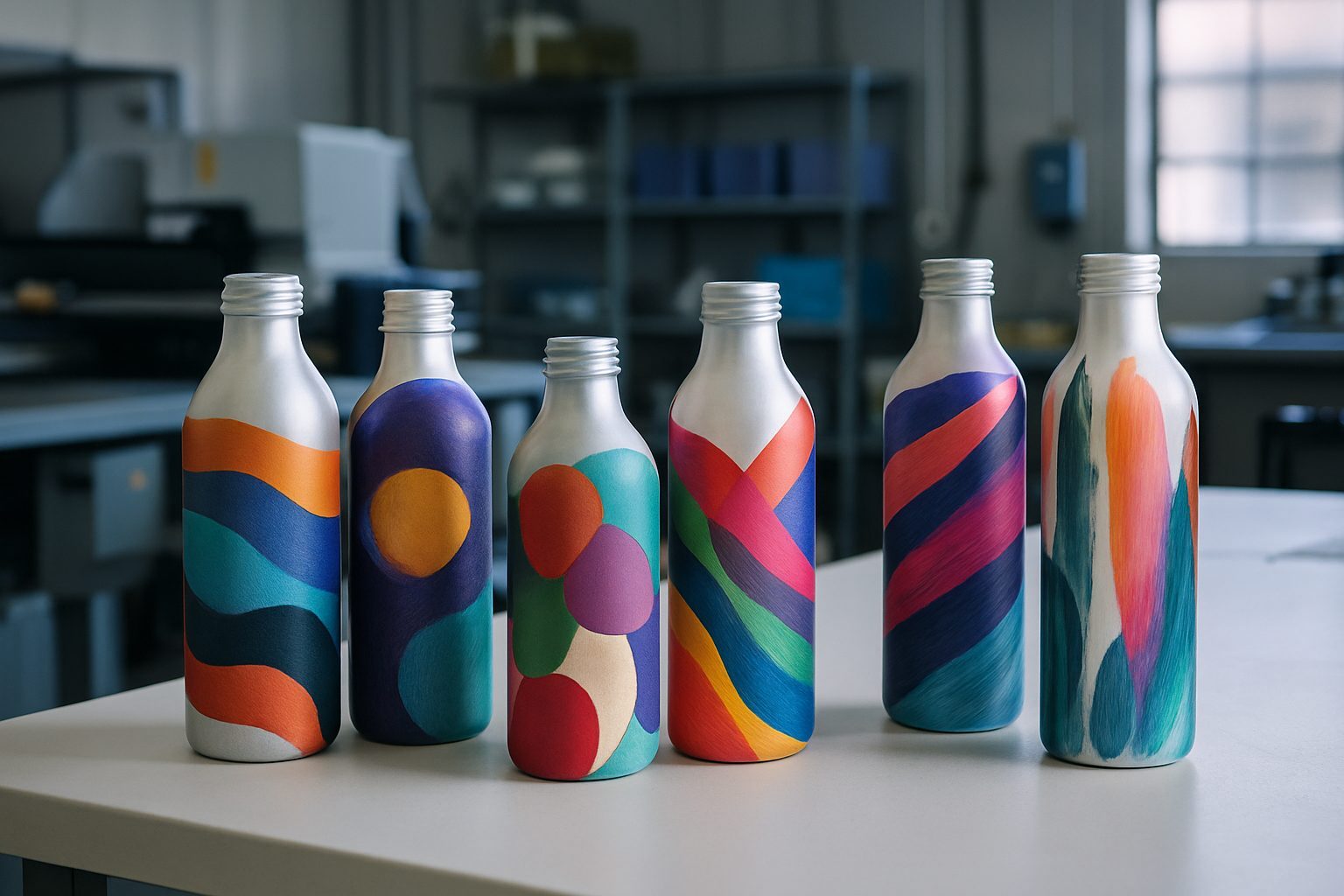
A booked lab day on real PET, glass, or aluminium, artwork, ink, and cure window proven before you commit.
Explore →If you are organising a boutique skincare or personal care launch around Sandton, Rosebank or Randburg, this project is a fit. It suits start-ups, contract manufacturers and product managers with short first runs, especially where packaging is a mix of glass and plastics. Jar lids and pump-tops need to match the main bottle in both gloss and colour, and the finish must survive cargo van stacking, shop shelf handling and Gauteng dry air.
However, this is not the best match for high-volume FMCG lines on automated filling lines, or for anyone who cannot confirm a handoff or strike window. If your site has limited access or you still need buy-in from a decision maker who is rarely on site, expect costs or timing to creep.
Flat Panel allows us to print complex, multi-layer graphics on jar lids, while CapPrint handles cylindrical or slightly domed pump collars. Both are dry to the touch in seconds, ready to pack same day under normal Highveld conditions. In practice, our Gauteng crew arrives with pre-matched swatch sets and colour chips, sets up a bay on a grounded 230 V feed, and starts with an ink trial on your blanks before moving to finished stock.
We use crate or file pack labelling on every run. That means if you have multiple products, say, a night serum and a day cream, we keep them separated from the first blank to the final wrap, so your team is not sorting through mixed crates on launch day. This discipline saves time later, especially if you are splitting stock between Sandton, Pretoria and a Durban branch.
Every Sandton brief starts with the physical constraints, not just the artwork. Typical challenges are tight lift access, shared three-phase power between tenants, and handover windows that shift because of building security or event bookings. Our team writes these up before talking about fixtures or ink. On this project, we agreed a specific strike window with the client’s facilities team and kept a written plan for each handoff.
From past projects in Pietermaritzburg and other sites, we have learnt to expect a last-minute decision maker or dropped timetable, so we insist on a dry run or test placement when possible. We keep a short internal note after each job with key dates, the main constraint and the one-liner fix for next time. If you are briefing us for the first time, photos of access points and a basic timetable work better than a stack of reference PDFs.
The operator received jar lids and pumps for a limited-edition launch scheduled between load-shedding slots. We used Flat Panel to print metallic detailing on matte black lids, and CapPrint for glossy pump collars. Each batch was packed by line and crate labelled with the product name, destination and time slot for collection. The client’s team was on site for a dry run, checking fit and finish before we committed to the next round. When the final product was ready, all items left the bay on time, with no repacking needed at the shop or fulfilment centre.
If you want this sort of outline for Bloemfontein, Polokwane or Eastgate, send a message through our contact form. We can sketch a first draft based on your actual constraints, not just a moodboard. If you prefer a look at other sectors, see our Umhlanga hotel amenities or Midrand dairy pilot projects.
The biggest trap is assuming access and sign-off will be as easy as your first event. In Sandton, lifts and loading bays can be overbooked or locked down if your name is not on the list. Shared power means the job stops when the hair salon next door runs a kettle, so check your backup plans. Always confirm who will accept the handoff, the operator, a store manager, or a driver. If you skip these, you risk an extra visit, with costs and delays.
Before you email us, assemble two or three clear access photos, a real launch timetable, and any drawing set or packaging statement you have, even if not perfect. If something failed on your last launch, mention it. That saves everyone time. For detailed planning guides or more field notes from past launches, see our Notes and Use-cases pages.
Verified Google reviews
Our contact form · Sunnyrock applications lab