Westville
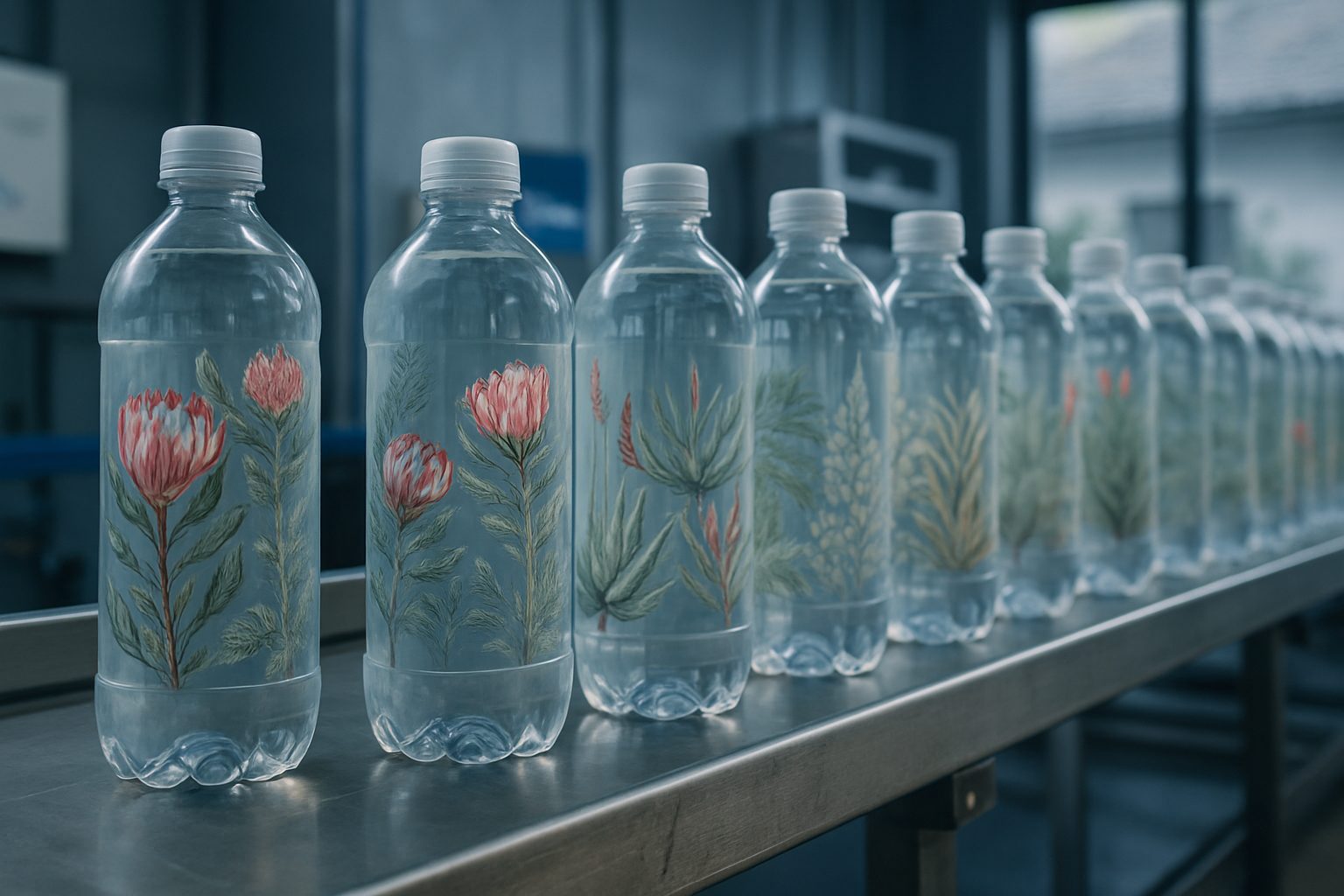
See how PET mineral water bottles for Cape Town were decorated using UV systems and PETClear Soft fixtures. Here we cover what worked, pitfalls, and how to brief us.
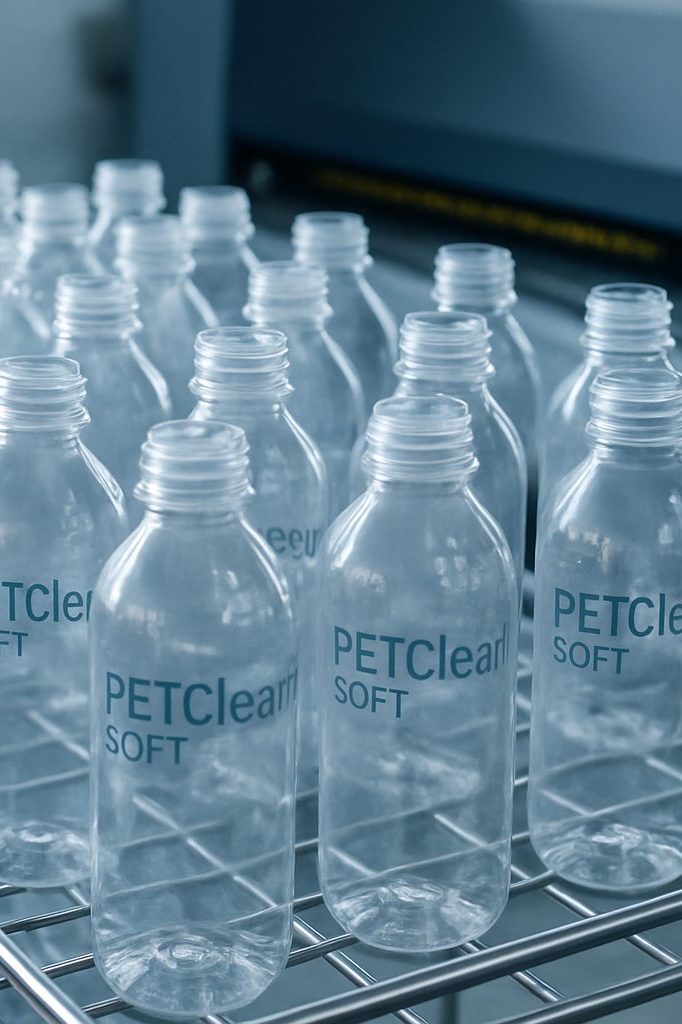
Clear-PET soft fixtures and primers for transparent beverage bottles that must stay crystal.
Explore →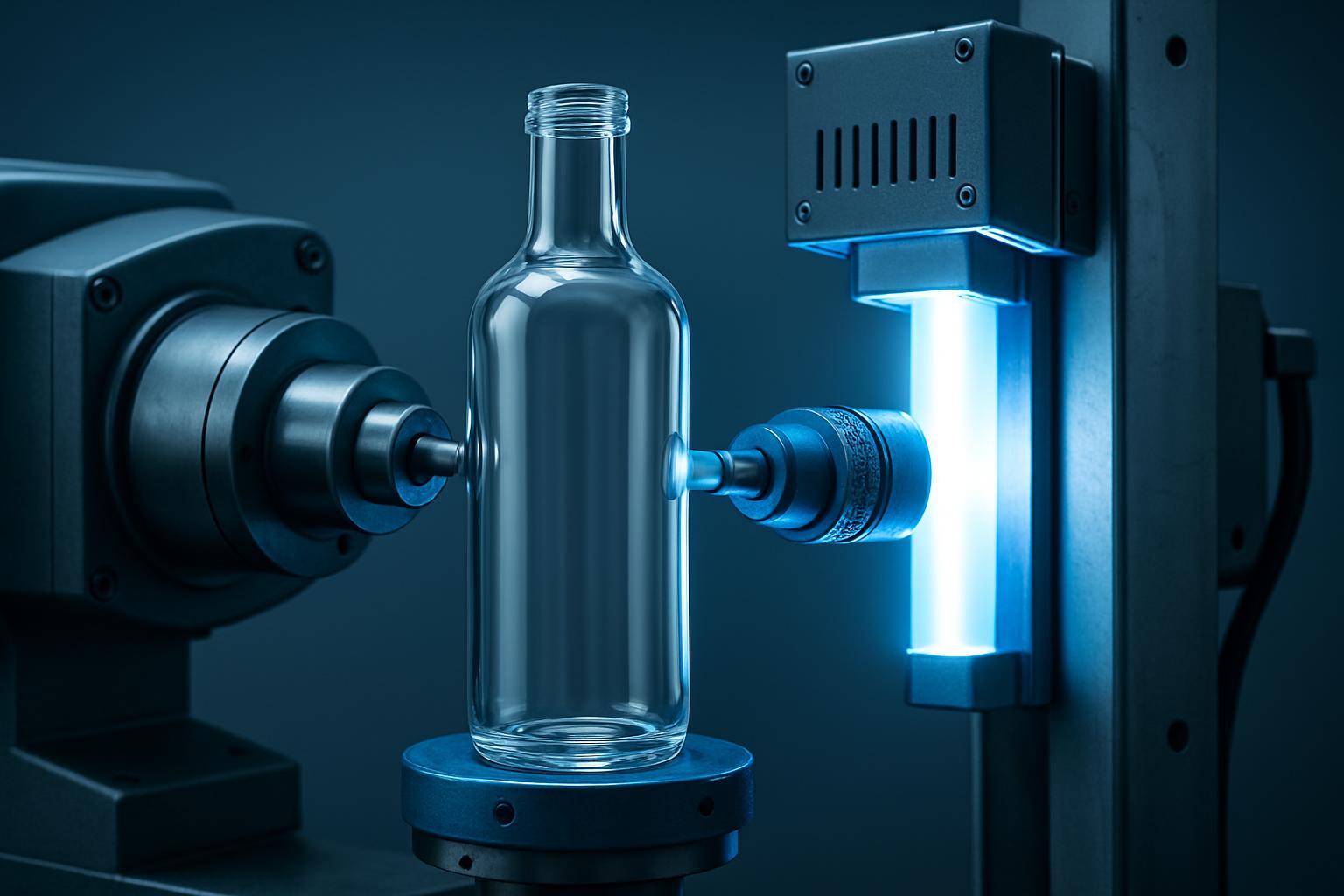
Rotary UV stations for cylindrical glass and PET, craft beverage ready with indexed fixtures.
Explore →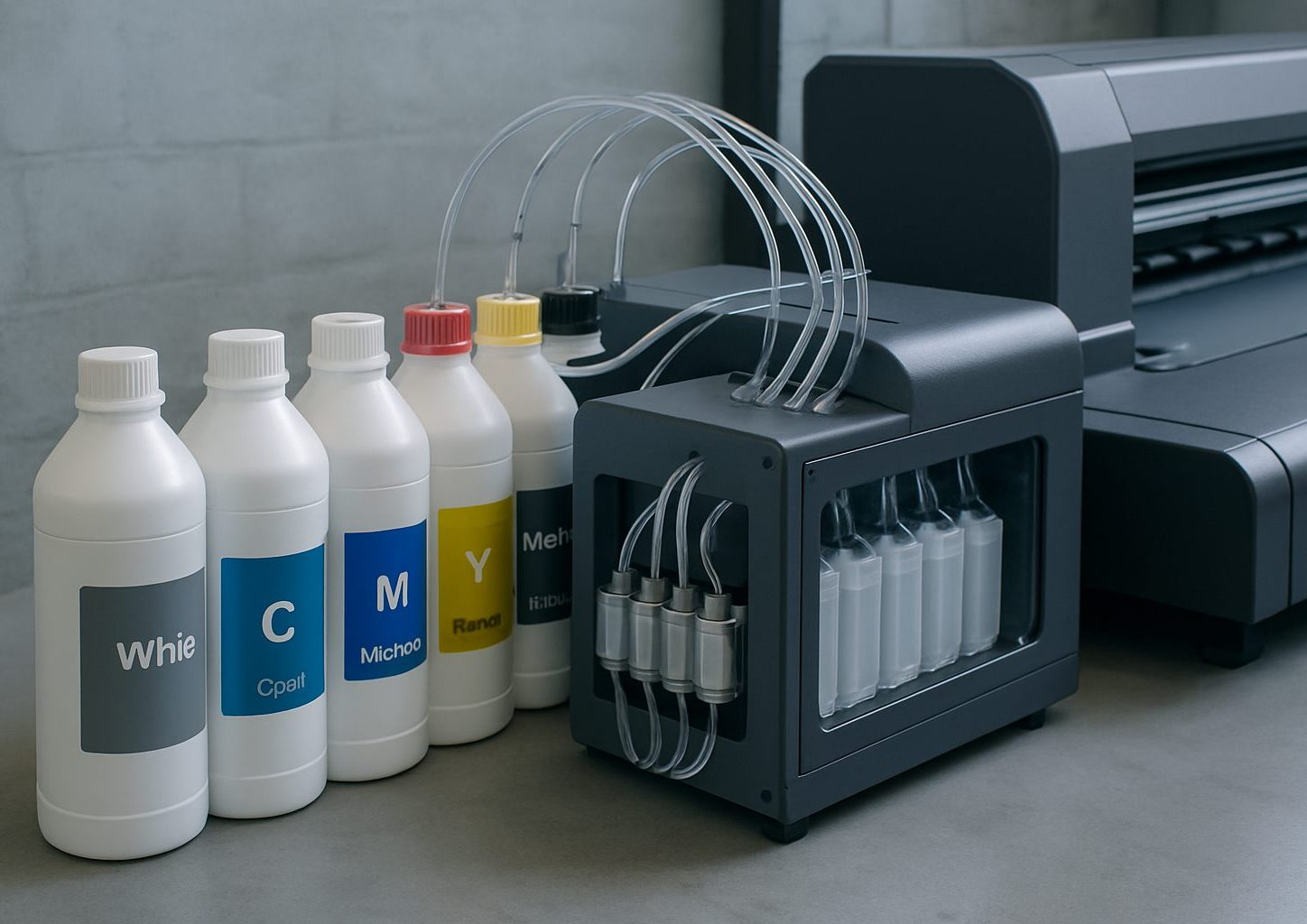
Closed ink carts, white underbase control, and soft-touch varnish dosing for UV lines.
Explore →This project tackled crystal PET mineral water bottles for a Cape Town customer. The choice of PETClear Soft fixtures was not just a technical match but a decision that followed practical planning around load-in, timing, and the crew who would handle the job. We saw from the start that delivering bottles that look good on shelf is only part of it, the finished items needed to withstand the movement from pack to chiller and back again, including the high humidity and temperature swings in coastal storerooms.
In Cape Town, municipal handling means working around tight windows and shared floor space. We labelled every crate so handoff between supplier, storage and outlet was direct, with no room for confusion. The main constraint was to avoid last-minute scrambles and ensure all fixtures and decorated elements stuck through transit and shelf handling, not just the first day.
This workflow fits businesses selling bottled water, soft drinks, and similar PET lines where product handling is frequent and branding needs to survive friction, stacking or box rub-off. Hospitality supply and boutique retail lines also benefit when a quick turnover is expected, and when there is little margin for relabelling due to humidity or rough shelf traffic.
We do not recommend this method for very short runs with extreme one-off finishes, or where hand-labelling each bottle is required. If your brand is after a high-texture finish or targets luxury glass spirits, look at Roodepoort craft cider or Sandton skincare launch projects for more suitable approaches.
We started with a clear, written list of constraints and agreed on a short, realistic plan before machinery was switched on. Every crate and file pack was labelled at source to avoid confusion during handoff, especially where warehouse access depended on shared loading with other tenants. Having a defined strike or handoff window kept all parties on the same calendar, and left no guesswork for the foreman.
The real test came during the dry run. We ran a try-on with the actual bottles, moving them from the pack floor to chiller and back to see if any decoration shifted or rubbed off. This small extra step caught a fixture mismatch before it could cost the customer a repeat run. It's usually this kind of field-driven routine that makes the difference in a South African workspace, where power supply and staff numbers shift with each new project.
A Cape Town distributor needed a crisp, clear PET water bottle for the hotel and events trade. Their brief called for a finish that would keep branding readable after transport in Highveld dust or coastal mist. We mapped out access for the load-in, checked power draw for the UV station (Gauteng setups usually need three-phase, while most Cape points do fine with 230 V), and labelled each crate by delivery route.
During the trial, we found shared loading bays created timing conflicts. By flagging this on the first call and keeping a written schedule, we avoided the usual scramble when a decision maker only arrives late. The result: labelled PET water bottles that arrived shelf-ready, with no smudged logos or missing samples.
If you want a similar outcome, a tight brief saves time and money. For PET water or juice lines, the floor team needs photos of access, the timetable covering load-in and out, and a named decision maker on your side. If you have an existing drawing set or statement pack, even if rough, attach it. This practical information matters more than moodboards.
We keep a short internal note after each job, recording any trip-ups and how we fixed them, so ask if you want to hear what actually went wrong on a similar site.
One common trap is relying on optimistic access, assuming loading or install is easier than it is. In Isando and similar sites, shared power supply, delayed windows, or missing stakeholders often force late or repeat visits. It pays to get specific about when each party is present and what can be moved in a single shift. Another is choosing a finish because it’s eye-catching, not because it survives the handling your product will actually get.
Avoid briefs that leave timing, power supply or crate labelling vague. The more direct your plan, the fewer the surprises on the factory or warehouse floor.
Verified Google reviews
Our contact form · Sunnyrock applications lab