Use-case
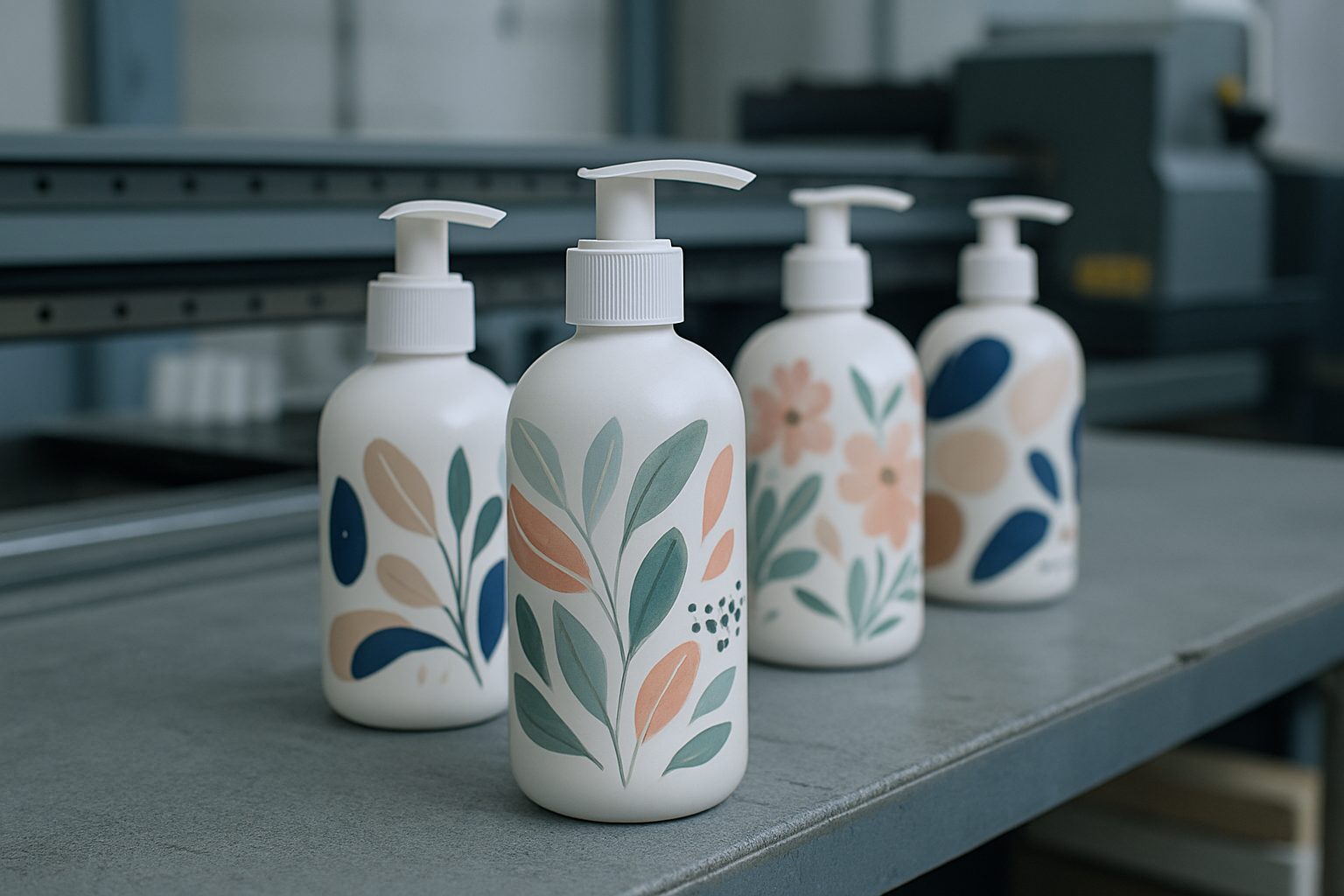
We help South African brands print lasting decoration on personal care pumps and closures, so every piece matches your main bottle art and survives the full product cycle.
Labelled kits, a short checklist, and one owner for changes. If something slips, we adjust the sequence rather than improvising silently. Quiet communication beats heroics.
Systems · Notes · Contact us.
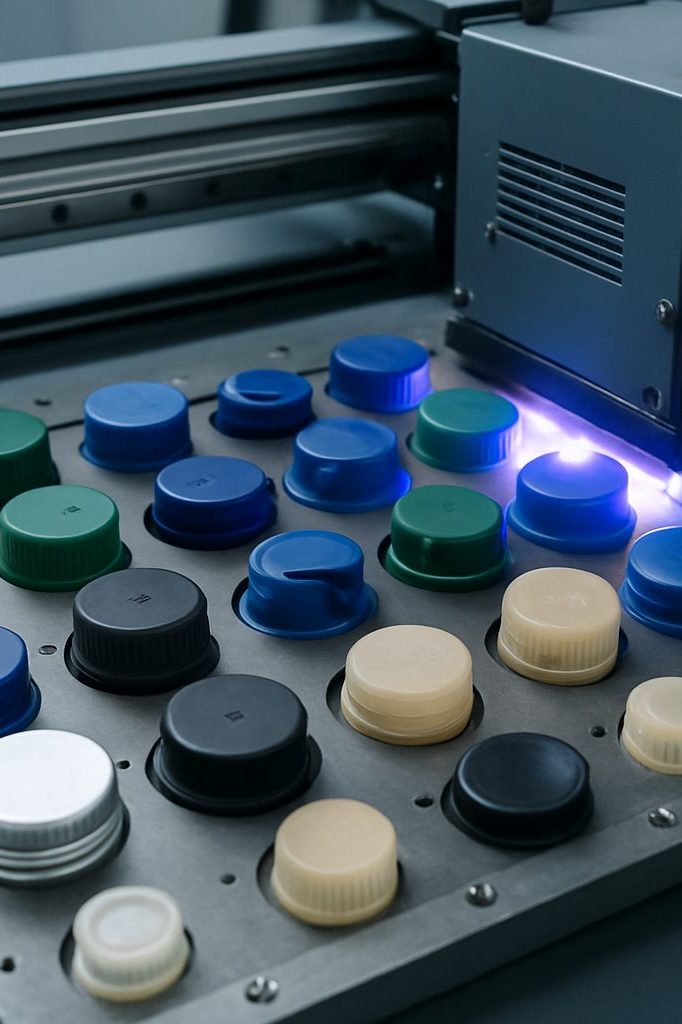
Dedicated closure decoration bench for pumps, caps, and jar lids beside Flat Panel Bench.
Explore →
Flatbed UV for closures, tags, secondary packs, and jar lids in the same lab bay.
Explore →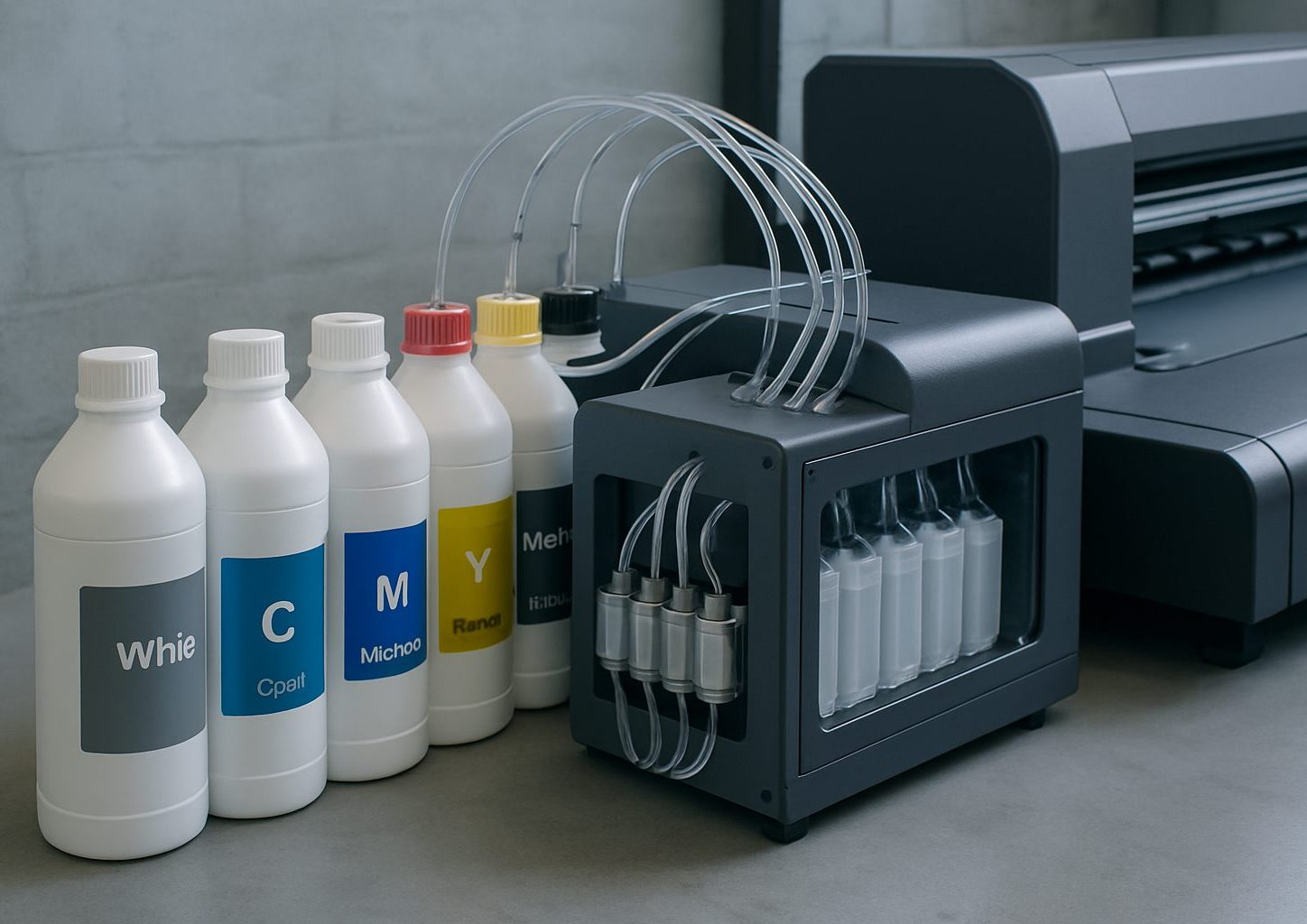
Closed ink carts, white underbase control, and soft-touch varnish dosing for UV lines.
Explore →Personal care lines often rely on pumps and closures to hold their brand look together. These parts are touched, twisted, and handled more than the bottle itself. UV decoration for pumps and closures must match the main bottle, both in design and durability, so the range looks unified whether it is on a Gauteng shop shelf or heading for export. Printing on these small or oddly-shaped components means dealing with different plastics, surface energies, and tight tolerances. That is why overseas stock solutions rarely fit South African pump suppliers, especially when you face humidity in Durban, dust in Bloemfontein, or power cuts mid-shift.
Our systems work well for South African producers who want more than a sticker or shrink sleeve. If you are running a small batch skincare launch, a contract filler with changing client briefs, or a shopfitting team with lots of pump SKUs, you will get value from a print setup you can control. The same applies if your closure or pump source changes between batches or you work across Cape Town, East London and Joburg. If every print must be metallic foil, or you require runs so large that direct printing holds you up, our approach will not suit. We are upfront if UV decoration is not the best fit for your unit count or finish expectations.
Each job starts by scoping your physical and timing constraints. We talk to the operator who will load the pumps and the decision maker who sets deadlines. Realities like three-phase supply, inverter backups, and late arrivals from the supplier get noted, so your sequence fits your day’s rhythm. At handover, you get a labelled kit, a checklist, and one person to contact for changes. You can match decoration on mini and standard pumps, closures, and bottles within the same programme, avoiding mismatched branding when stock from different lines lands at retail or gets packed for the coast.
A team in Durban recently swapped to a locally sourced pump for a sensitive skin range. The old overseas print recipe did not hold under humidity and needed two types of primer. After emailing two photos and a timing window through our contact form, they received a tested sequence back that matched their bottle art and stood up to warehouse rub tests. The notes from this job let the same team in Gqeberha adjust for a new amber bottle without calling us out for another on-site demo.
Clear constraints help us avoid common pitfalls, like costly rework or finishes that do not survive shelf handling. Here is what to line up before you email us:
Skipping the constraint check is the biggest reason for misfit decoration, especially with pump components that come from varied moulders or importers. Highveld static, sticky warehouse dust, or just inconsistent supply can throw out a process that only works on pristine samples. We keep honest internal notes after each job, what failed, why, and how it was fixed, so you are not starting from scratch. If you are planning a run for hotel amenities or want to align with a gift & gifting campaign, referencing your last job’s notes keeps the process efficient. You will hear straight answers on what will or will not survive load-shedding, bulk handling or a long trip to Polokwane.
Verified Google reviews
Our contact form · Sunnyrock applications lab