Closures
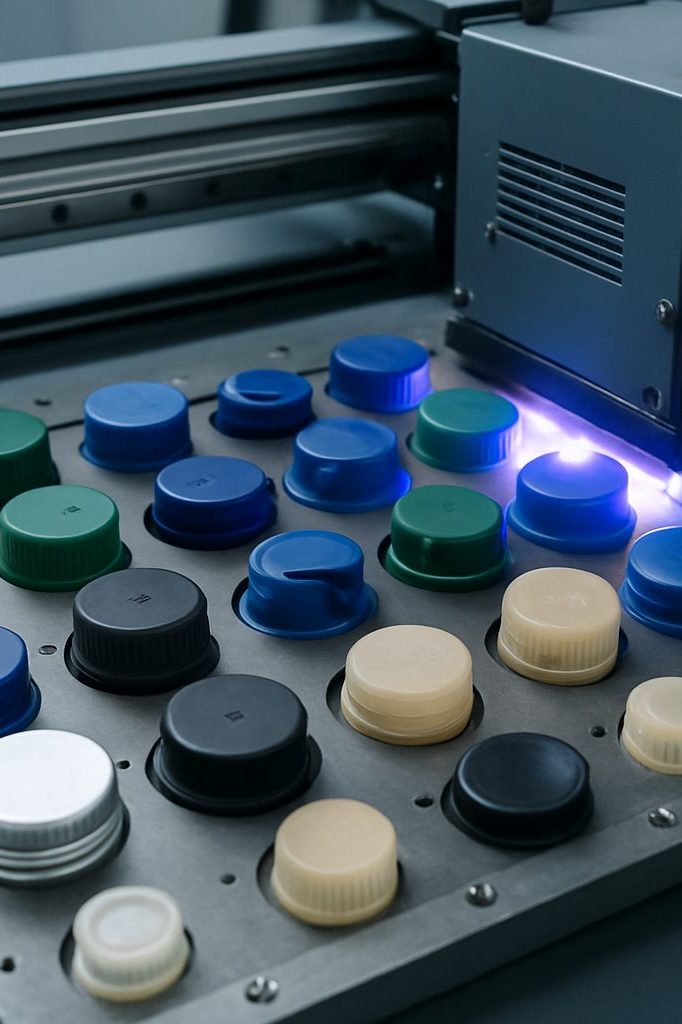
CapPrint Bench covers the practical kit and guidance for decorating closures like pumps, caps, and jar lids. Choose the right bench or accessory for your daily packout and design challenges.
Use Cases · Notes · Contact us
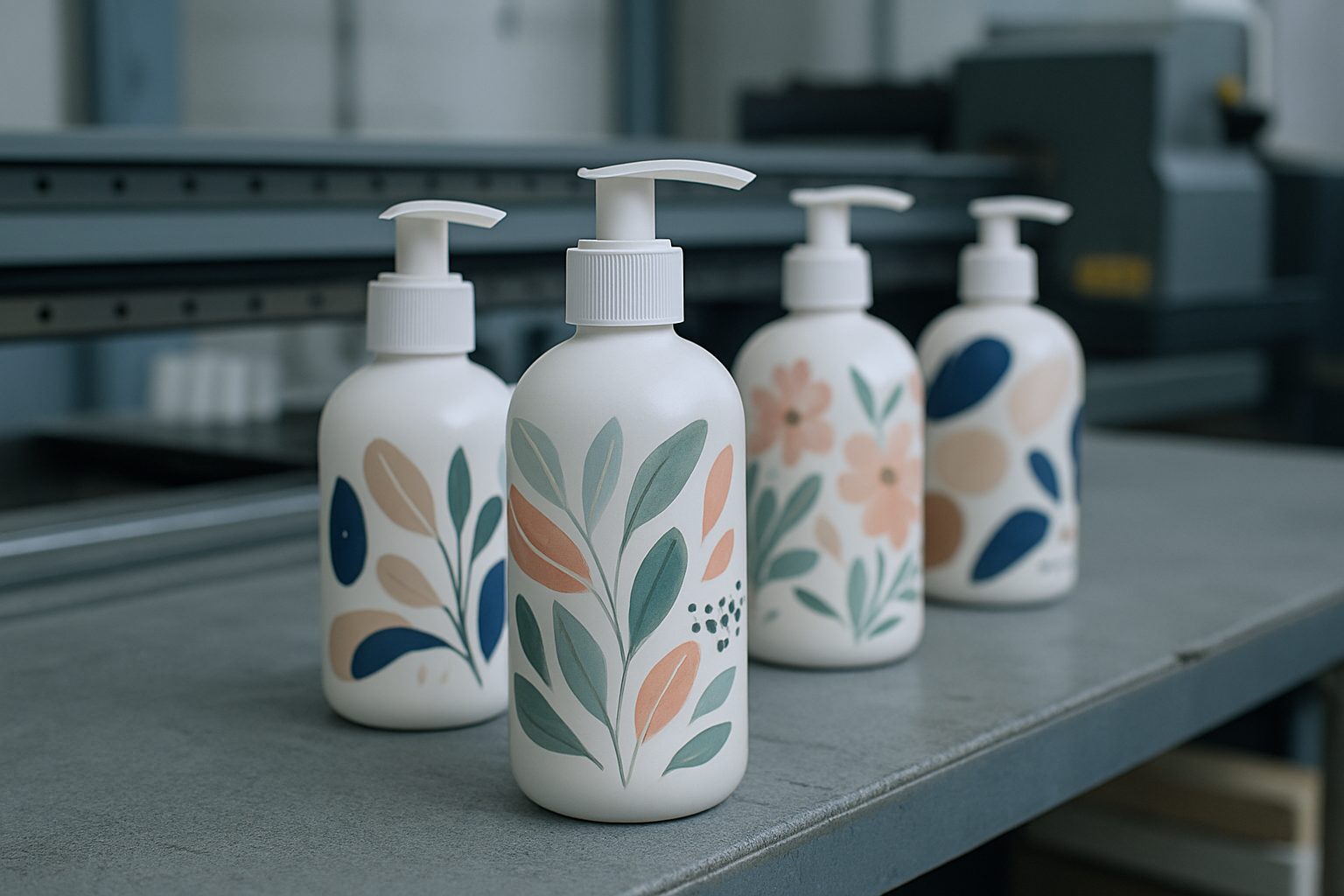
Closures often carry more brand than the bottle, CapPrint Bench treats lids as first-class art.
| Trays | Nest modular |
|---|---|
| Formats | Caps / pumps / lids |
| Ink | CMYK + white |
| Cure | LED UV |
| Link | Flat Panel Bench |
Workshops and print bays in Gauteng, the Winelands, and the Lowveld use CapPrint Bench for closure jobs that need to survive warehouse handling, road freight, and coastal humidity without ink rubbing off. Owners in skincare, beverages, and promo lines keep it next to a Flat Panel Bench to handle daily needs without hunting for a workaround every time a closure changes shape or size. These benches are built for practical use, not just show. When you’re dealing with hundreds of closures per shift, a dependable setup means one less variable on your line.
You’ll find the core CapPrint Bench, plus key add-ons: specifications, fixtures and accessories, and details of CapPrint Bench service options. Use this section to decide if CapPrint Bench suits your closure run or if a different bench or kit in our catalogue answers better. CapPrint Bench covers closures from pump tops to aluminium lids, while MiniLine Compact and InkFlow Station specialise in bottles and direct-to-container prints. Each system fits a specific bench flow, so you avoid the delays and mistakes that come from forcing a kit to handle jobs it was never meant for.
Start by mapping your closure types and quantities. CapPrint Bench is best when you handle small to medium runs with regular fixture changes, such as short lines for boutique gin, rooibos concentrate or high-turnover cosmeceuticals. If your site needs rapid changeovers or quieter operation, check alternatives like Flat Panel Bench for large panels or PETClear Soft for delicate clear plastics. Matching a fixture or ink without writing down your constraints often leads to expensive rework. The best way is to send us a few site photos and your typical shift plan at the start.
Common issues stem from skipping a clear constraint list or pushing a bench to do work it's not built for. In Mbombela and Pretoria, we see teams rush into choosing a finish before they document site supply limits or closure variability. This usually ends in a last-minute rush for spares, or an extra visit if a fixture won’t clamp properly under load-shedding. If you’re unsure, visit our Jet Park sample bay, see a demo or ask us for photos of comparable setups. We keep internal notes about what’s failed before, so if you brief us with two photos and your timing window, we can spot most issues ahead.
Every CapPrint Bench comes with documented settings, feed rates and handling notes to avoid shift changes getting stuck with guesswork. Second shift in Polokwane or Gqeberha shouldn’t lose time figuring out what the first shift set up. If you’re working with contract packers, clean documentation and one-paragraph site notes prevent lost print hours and wasted ink. We encourage a quick try-on at the Jet Park bay, or you can email clear site photos through our contact form. You’ll get straight answers from people who know the floor, not just a brochure. See active user notes in our Use-cases, recent Projects, and practical Notes before you brief your decision to your team.
Verified Google reviews
Our contact form · Sunnyrock applications lab