Use-case
UV bottle decoration tuned for South African spirits and RTD brands. Systems and sample runs built for shelf appeal, chill tests, and honest operator notes.
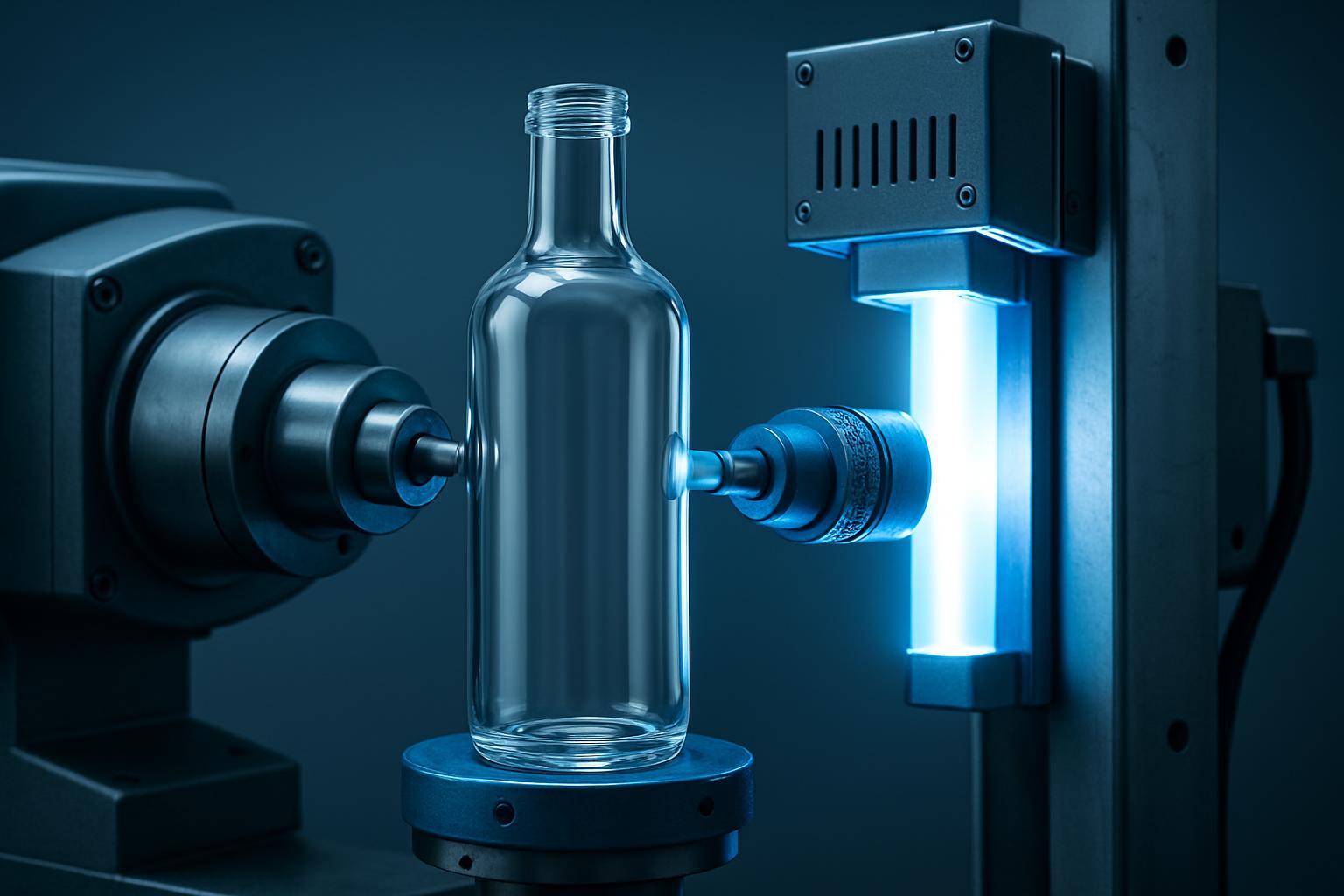
Rotary UV stations for cylindrical glass and PET, craft beverage ready with indexed fixtures.
Explore →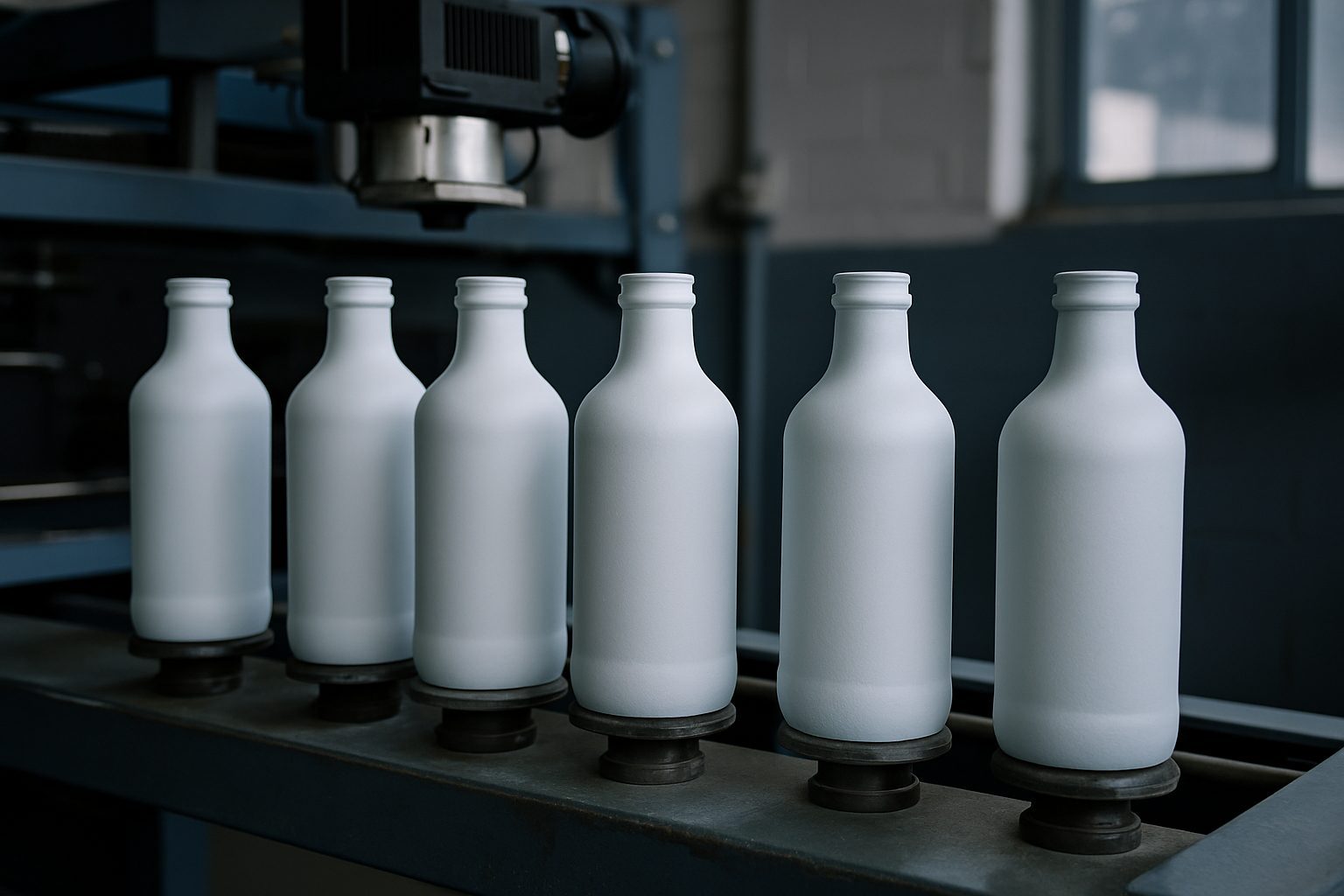
Soft-touch handling rails and pads that protect glass bottles through UV decoration.
Explore →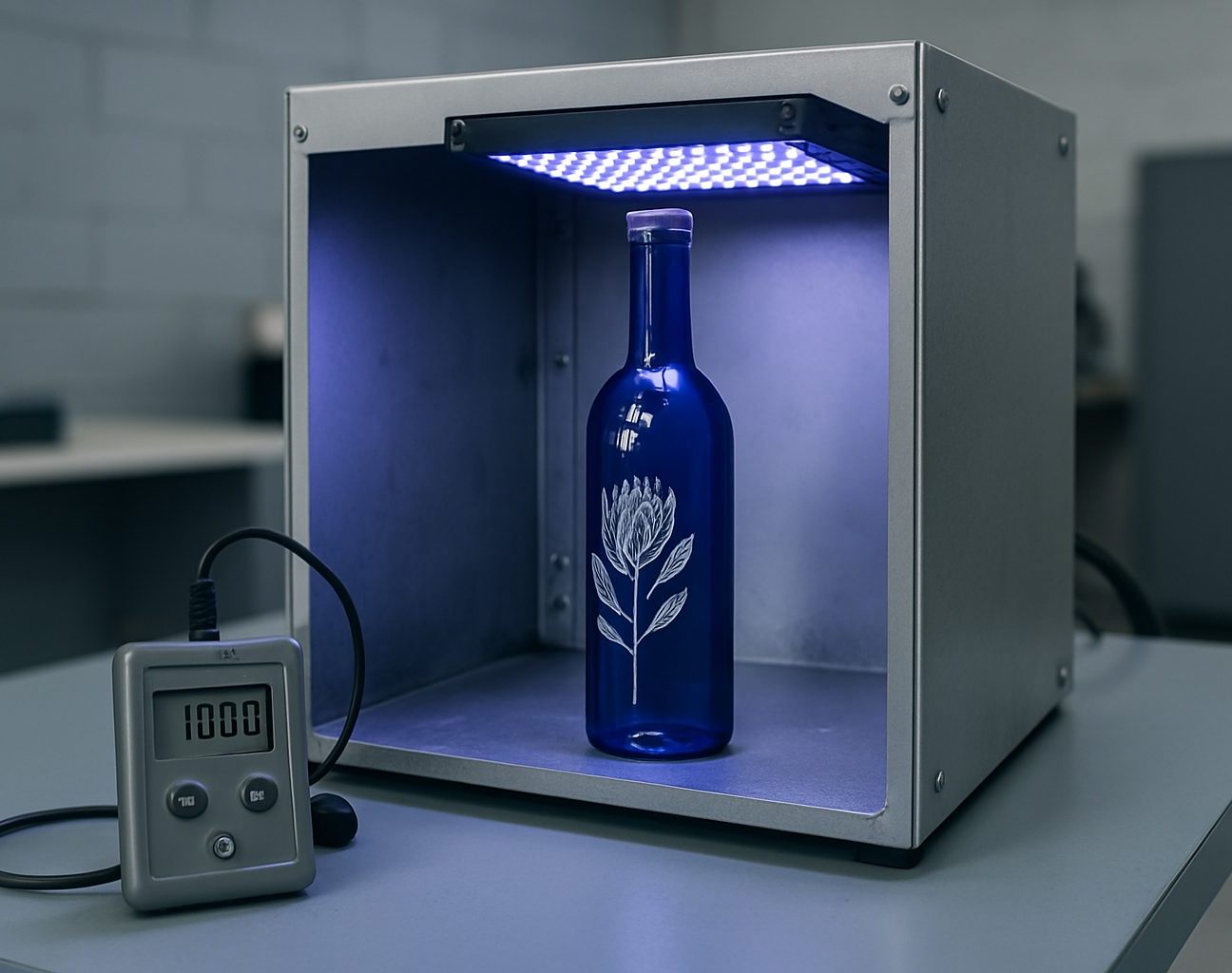
Radiometer kits and cure-window logging for honest ink adhesion on SA factory floors.
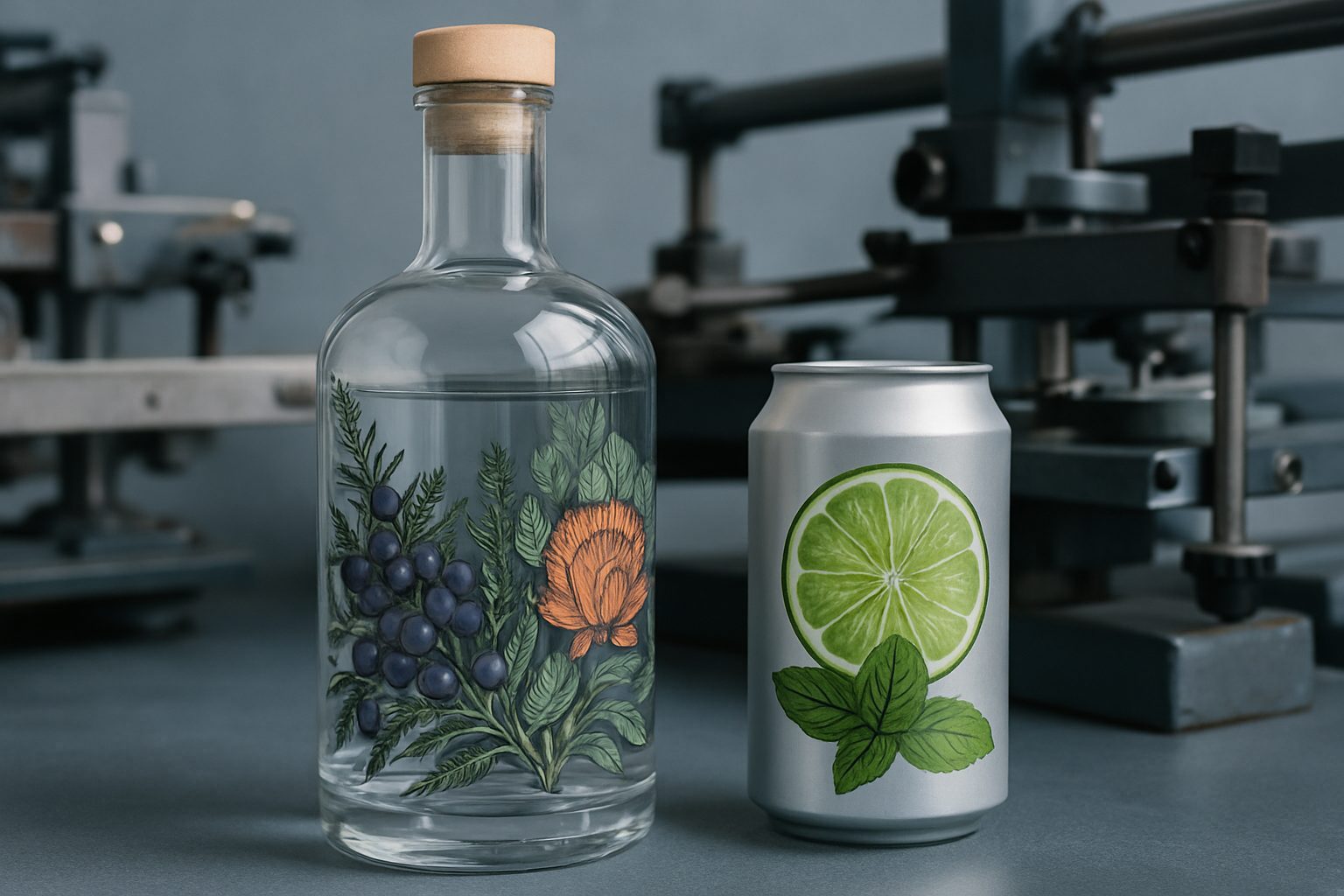
Explore →Decorating for spirits means creating a sense of weight and quality, whether the bottle is for a Gauteng small-batch gin or a Cape Town vodka. Spirits demand finishes that hold up to handling in hospitality environments, and they need to photograph well for shelf or online listings. Ready-to-drink (RTD), on the other hand, is about moving fast, turnaround times are tight, and print must survive refrigeration, condensation, and high-volume packing lines. We split our advice for fixtures, ink choices and print order based on your packaging type and intended route to market. A one-size recipe doesn't suit both. If you run both spirits and RTD lines, we keep the systems clear so your team won't lose time or budget to the wrong ink or fixture.
Owners of craft distilleries, RTD start-ups, and promo line managers trust our UV systems because the print holds up from load-shedding delays, Highveld dust, and coastal humidity all the way to the shelf. Our kit fits sign and print shops in Germiston, Durban North, or Polokwane looking for a glass-safe, factory-floor-honest setup. If you need predictable print for glass, PET or aluminium, our sample programme shows you the difference before you commit.
We are not a fit if your line is all shrink sleeve, heat transfer, or legacy paper labelling, UV direct print is its own process with setup steps and finish constraints. If you want low-labour and no-setup at all, another route will be quicker for you. And if you skip the spec check at the start, expect rework costs that won’t go away with more ink.
We run off internal checklists here at our Jet Park sample bay. The first email from a distiller in Worcester or a RTD line supervisor in Gqeberha usually includes two photos of the bottle or can, plus a rough idea of the launch date. We ask early about chill tests, barcode quiet zones, and whether the pack needs to pass shelf wipe or drop resistance. Our team maps out fixture changes and ink choices around those real-life constraints. A standard plan covers 230 V supply, but we also set up for three-phase if the plant needs bulk runs. If questions pop up about access to hygiene zones, coastal moisture, or timing around municipal paperwork, that gets written into the sequence before the print order goes live.
A Gauteng spirits client came in needing a print that would survive repeated shelf handling and cater for a high-gloss finish. Their bottle had a raised glass crest, so we recommended a fixture and ink combination proven on similar craft gin runs. We booked a chill test out of habit, then caught that their launch was in summer, so condensation was a worry. Switching ink and dwell times gave them the shelf-read they wanted, and the barcode scan zone was kept clear. The team made a small note about the operator’s sample wipe test nearly missing a smudge, so that fix is now part of our routine for new spirits lines.
To start your job right, a few basics save everyone a round of follow-up. We work by checklists, and a clear brief shortens your timeline. Here’s what helps:
Email your city and timing window, plus two photos of your bottle, can or PET pack. Add a drawing set or statement pack if it’s handy, even if it’s hand-drawn. Mention glass, PET or aluminium up front, along with barcode or promotion dates. If your site is remote, in a listed building, or sits in a hygiene zone, add a note.
Skipping the spec sheet or mixing up print order for spirits and RTD lines is the fastest way to lose time and spend on rework. Some operators email with the wrong bottle spec or forget to say if their stock will run through cold rooms. We keep a plain note on what failed last time so the same miss doesn’t repeat, its not fancy, just the facts. If you brief us and something is uncertain, we mark it, rather than guess. That habit means when the line is busy or a load-shedding slot shifts your schedule, your next print run still makes sense.
For more context on finishes, see Finishes. For different pack types, browse Use-cases. Any Spirits or RTD question? Send a message through our contact form with your site, city, and photos if you have them. We reply from Jet Park during most business hours.
Verified Google reviews
Our contact form · Sunnyrock applications lab