Use-case
UV decoration for craft beer, cider, and kombucha bottles gives your brand full-wrap colour that holds up in fridges, boxes and on retail shelves. Honest systems, plain answers.
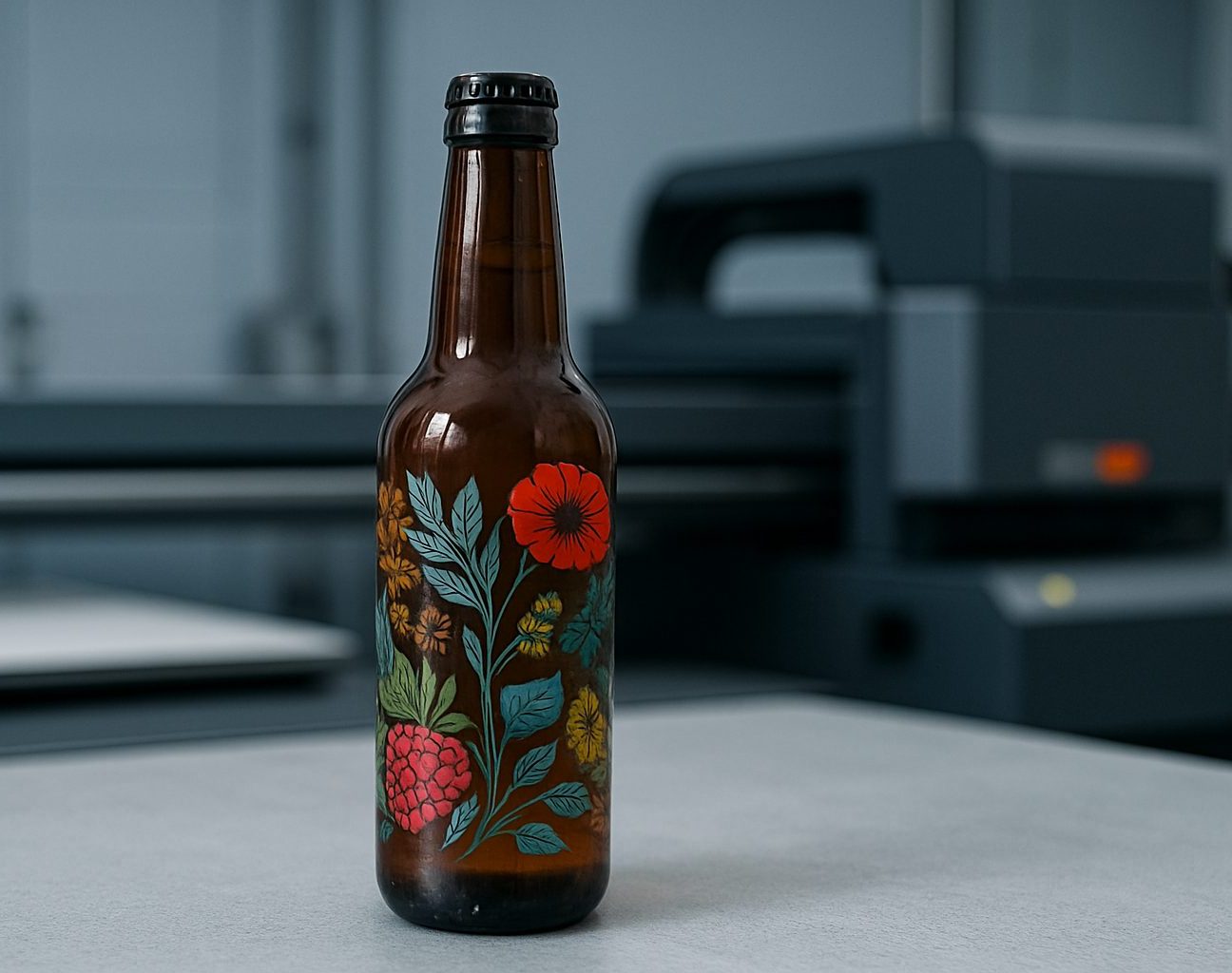
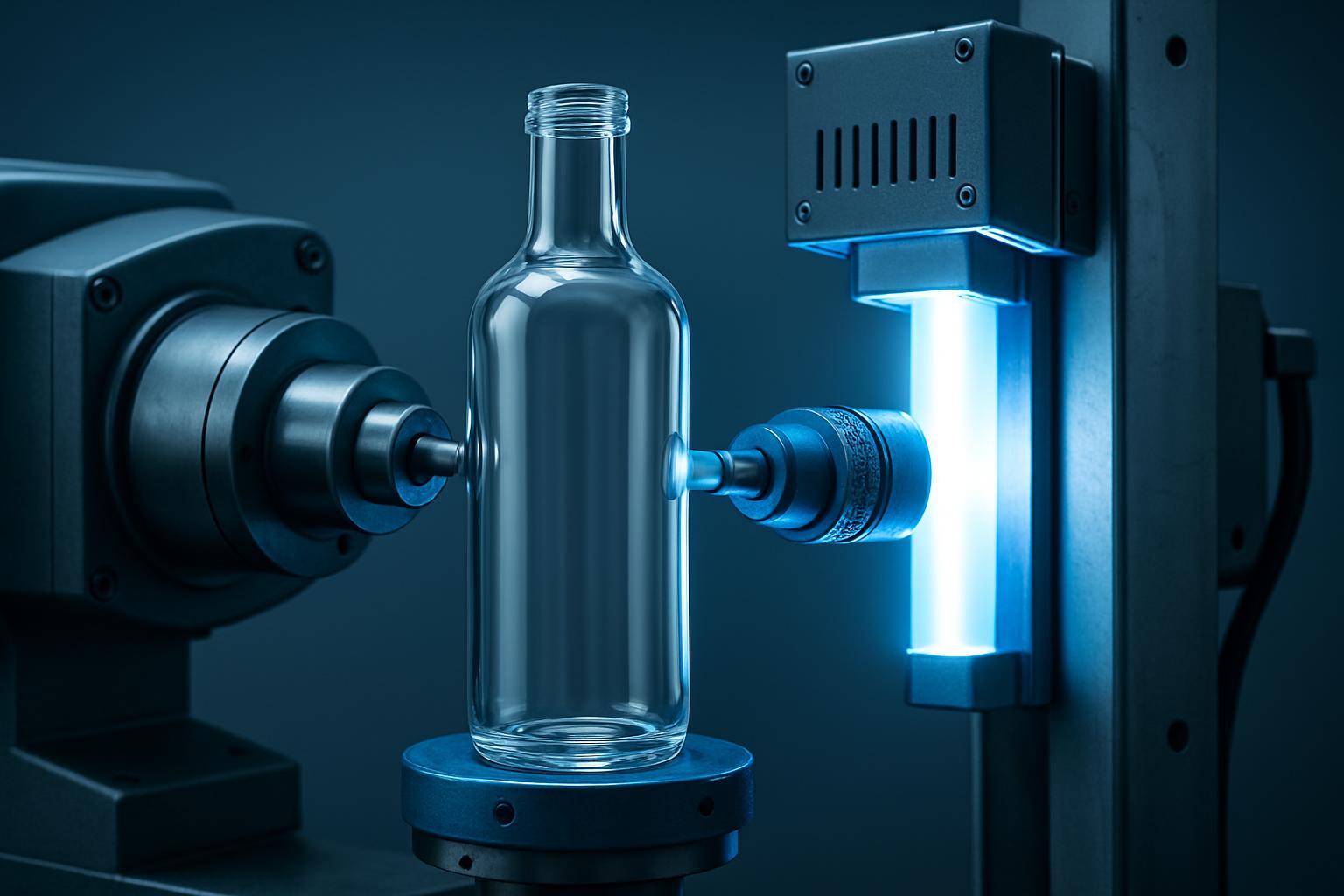
Rotary UV stations for cylindrical glass and PET, craft beverage ready with indexed fixtures.
Explore →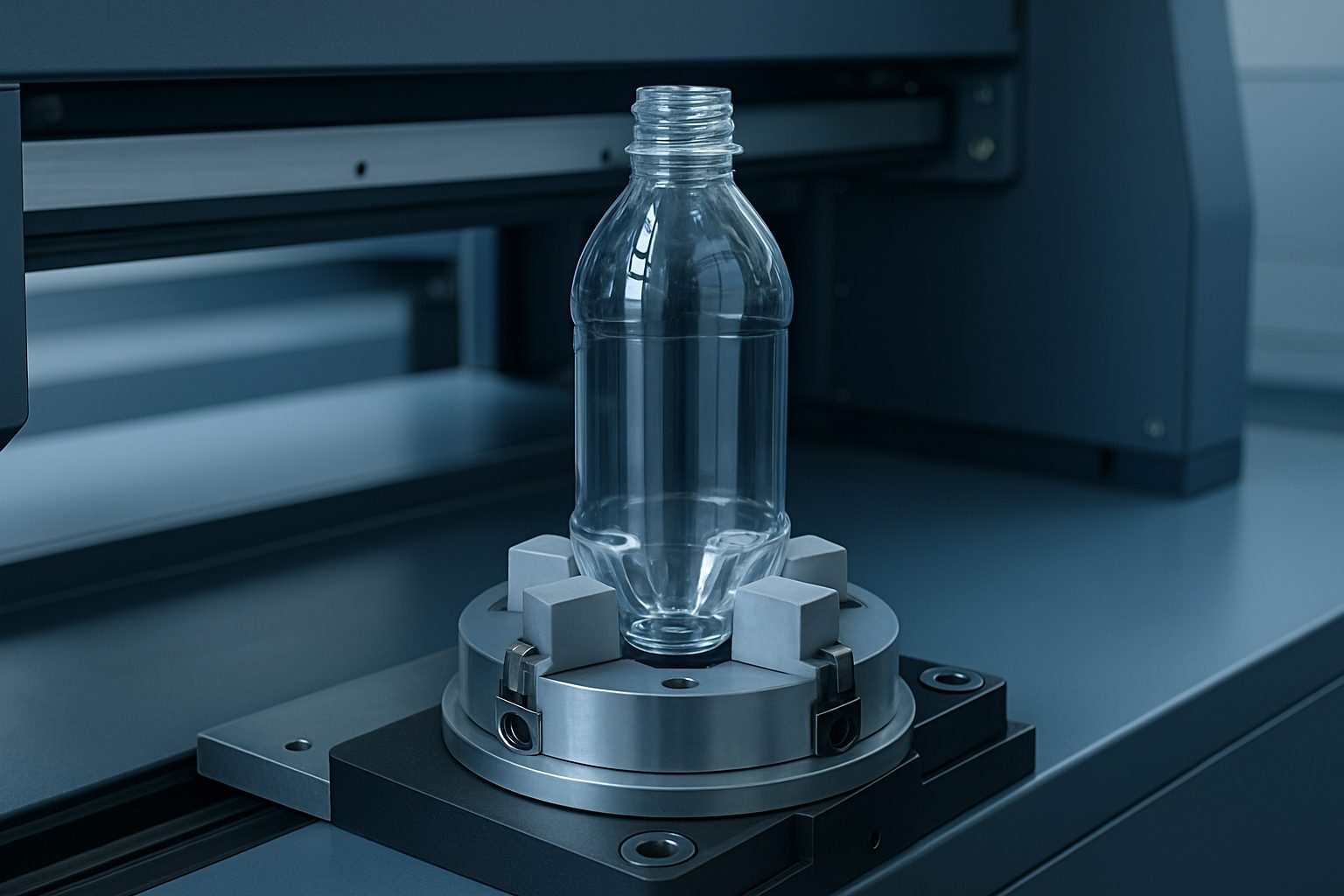
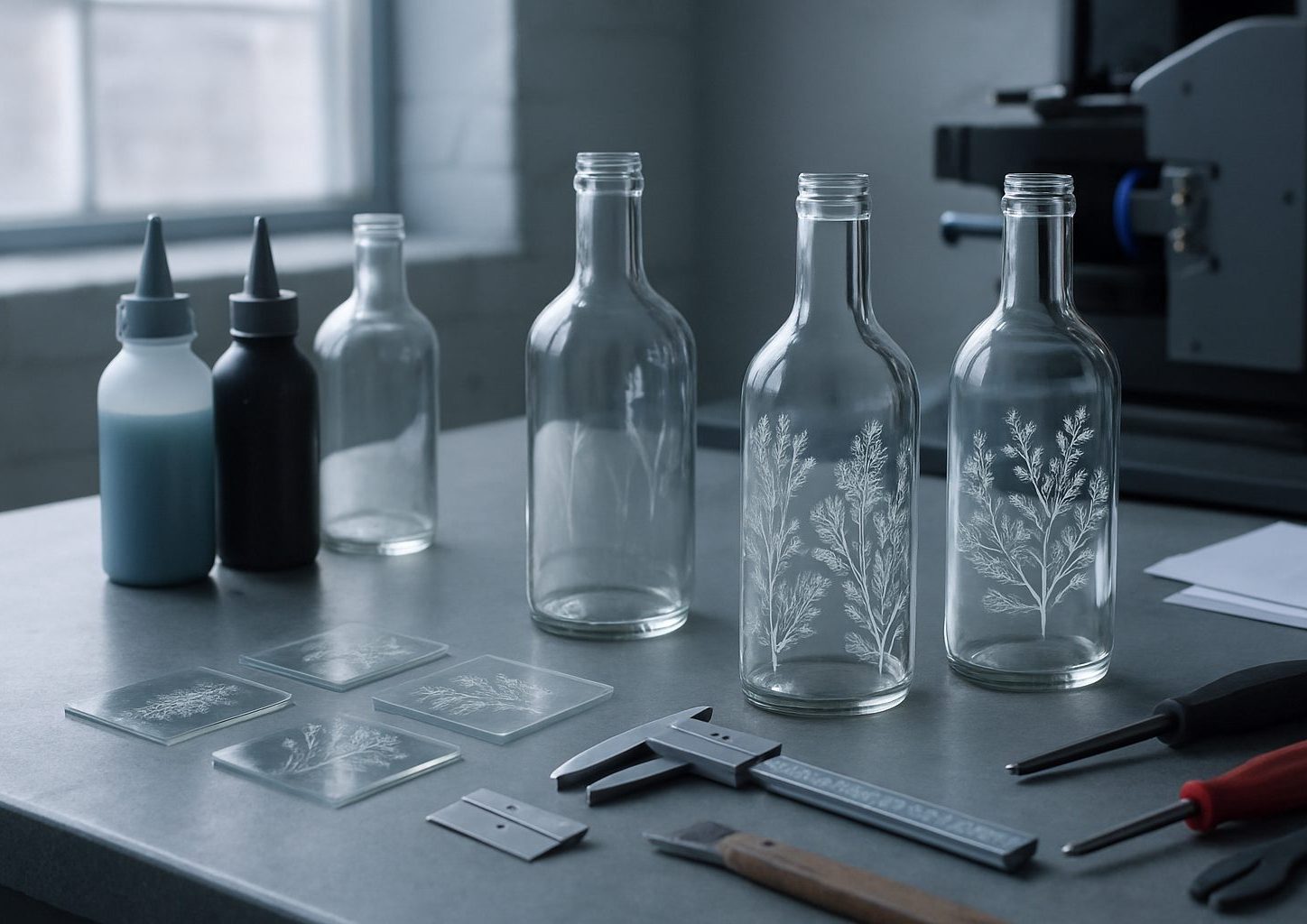
Soft-jaw bottle fixtures that hold PET and glass without scuff marks during UV passes.
Explore →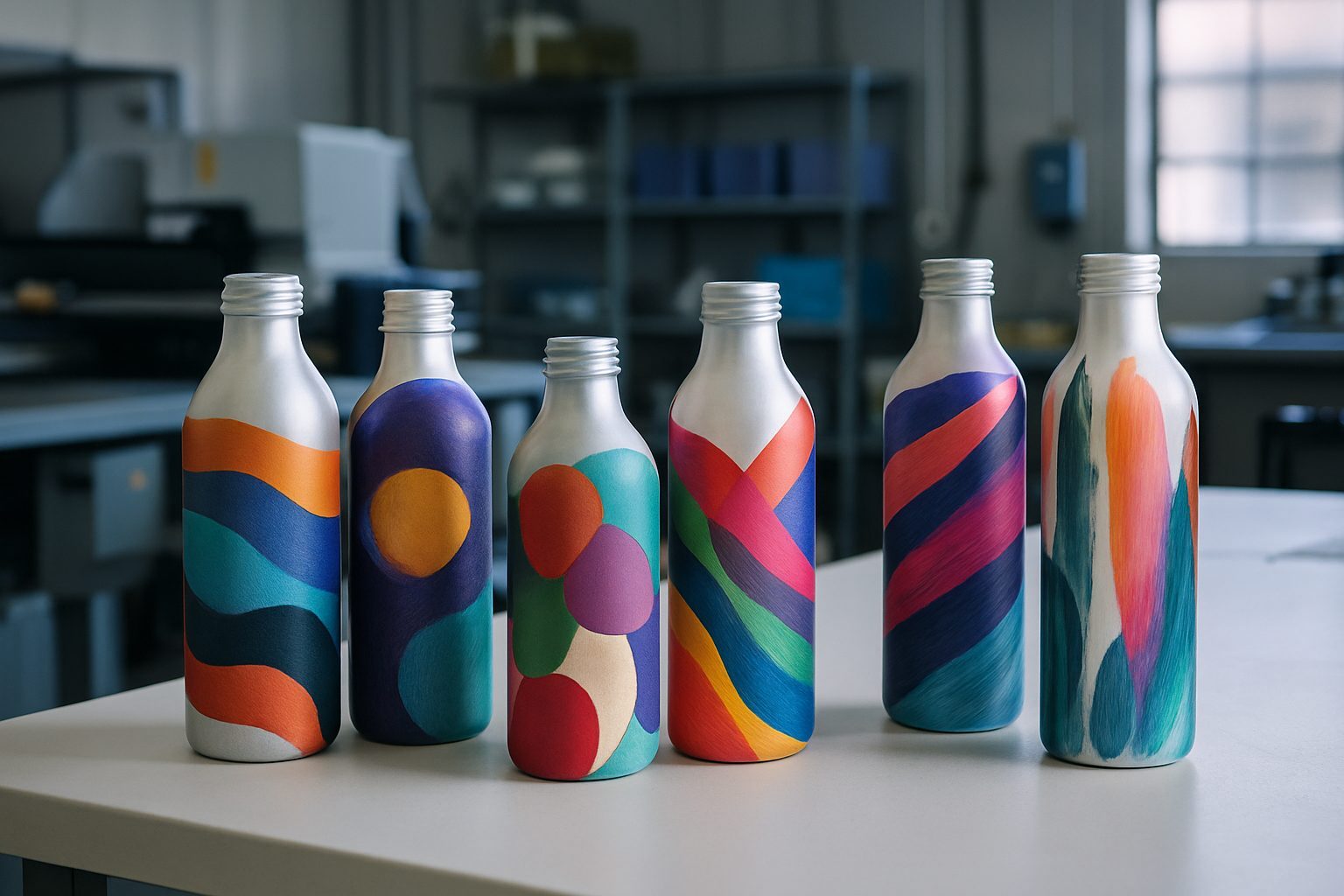
A booked lab day on real PET, glass, or aluminium, artwork, ink, and cure window proven before you commit.
Explore →Teams running craft beer, cider, kombucha, seltzers or short-run RTDs in South Africa use UV bottle print where sleeves or self-adhesive labels do not stick or cannot flex over tapers. Owners prepping for pitch samples, trade shows or export send us bottles from Gauteng, the Cape, Durban or Bloemfontein to check adhesion under local chill and condensation. This way, brands can see final art on their real glass or PET bottle, not just a digital proof or a spec from a Cape Town studio.
It suits lines where you change the SKU often, run under 2000 bottles, or need to swap a batch design before a major buyer visit. UV bottle print is less suited for hotfill juice, milk or very soft plastics, where the ink may not grip through heat cycles. It also does not replace proper tamper bands or foil for spirits. If your pack is mostly about statutory text and less about brand art, a plain label may cost less per unit for the first few hundred. But for brands wanting colour that holds up to Highveld dust and coastal humidity, ink adhesion matters.
BottlePrinter Lab uses precise UV ink systems adapted for 230 V South African supply and three-phase where needed. We print glass and PET with fixture settings for both straight and tapered shapes. Every order gets a note on ink cure and a fridge test, so condensation from warehouse to retailer will not cause the art to lift or smudge. For teams moving packs from Gauteng to Durban or Gqeberha, we include an ink rub test so you see how it fares across real routes.
Most clients start with 24 to 200 bottles as a sample run, not a full factory commitment. The MiniLine Compact and PromoRun Kit handle these without taking over your entire print room. If you scale up, we share fixture settings and ink choices so your next run does not begin from scratch. Our sample bay at Jet Park is set up for practical trials, not fancy showpieces. That means if a bottle fails adhesion, we flag it and say why, not just bin it and pretend it passed.
A Pretoria craft cider team needed 60 full-print bottles for a retail pitch. They sent a shape drawing, two photos of filled bottles, and a map of the legal panel. We mapped the wrap so the brand art curved around the shoulder, clearing the statutory info. After confirming their chill cycle was a standard cold chain, we printed four samples and ran rub checks after 24 hours in the fridge. One ink mix scuffed under wet handling, so we tried a second cure and got much better results. That round cost one extra day, but saved them reprinting the lot after the trade show. The operator was happy to have the fixture notes for future runs.
Getting a clear brief cuts days off your timeline. We always ask for certain basics up front, since guessing bottle tapers or guessing ink adhesion costs both sides time and money. If you can send a full drawing pack, great, but two clear photos and your first batch size are usually enough to begin.
Remember, local humidity and fridge cycles in SA make a difference. If you are sending samples from Durban or Gqeberha, mention the chill chain or end-point delivery details so we can pick the right ink series. If all you have is a rough sketch and a go-live date, send that too. Email the team at our contact form, and we’ll lay out a practical next step that fits your pack, not a generic cylinder.
Rushing past the fixture or ink choice stage is the most common slip. Teams that skip writing down their real-world constraint (like fridge launch, display lighting, or retailer handling) risk having bottle art that lifts or rubs off in the aisle. We keep a plain note on what did not work for a similar brief, so the mistake does not repeat, even if it's a new operator on the project.
Let us know if your bottle shape is non-standard, has embossing, or if transit includes truck routes through heavy dust or coastal humidity. We plan bottle print zones so legal or expiry panels stay neat, and we mock up on your real pack, not a generic shape. If you need to see how a finish holds up on a dairy bottle, drop by our dairy bottles demo or explore notes on finishes for more details.
If your next brief is for promo events, skincare jars, pharma droppers or wine estates, see our site’s use-cases section for worked examples and honest notes on what each system suits. Our Jet Park sample bay takes queries most weeks, and emails get replies from the bottle print operators, not just the sales floor. For broader manufacturing context, our notes section covers fixtures, ink mixes and odd bottle shapes we see from Durban to Polokwane.
Verified Google reviews
Our contact form · Sunnyrock applications lab