Finish
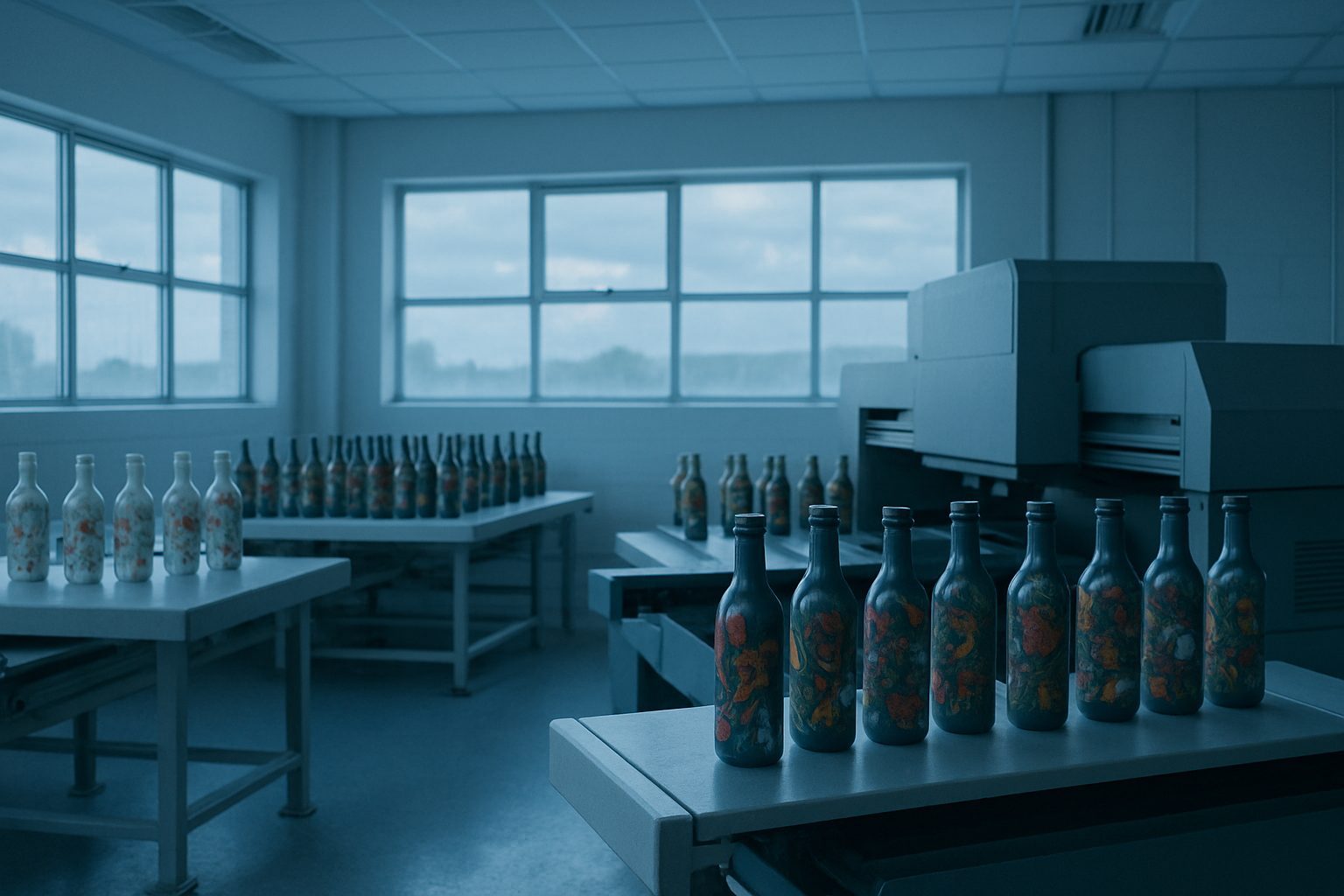
Soft-touch varnish gives bottles and lids a velvet feel for brands that demand both premium looks and durable surfaces. Formulated for skincare, spirits, and boutique lines needing that extra touch.
See FAQ and pair with catalogue.
Ask about finishes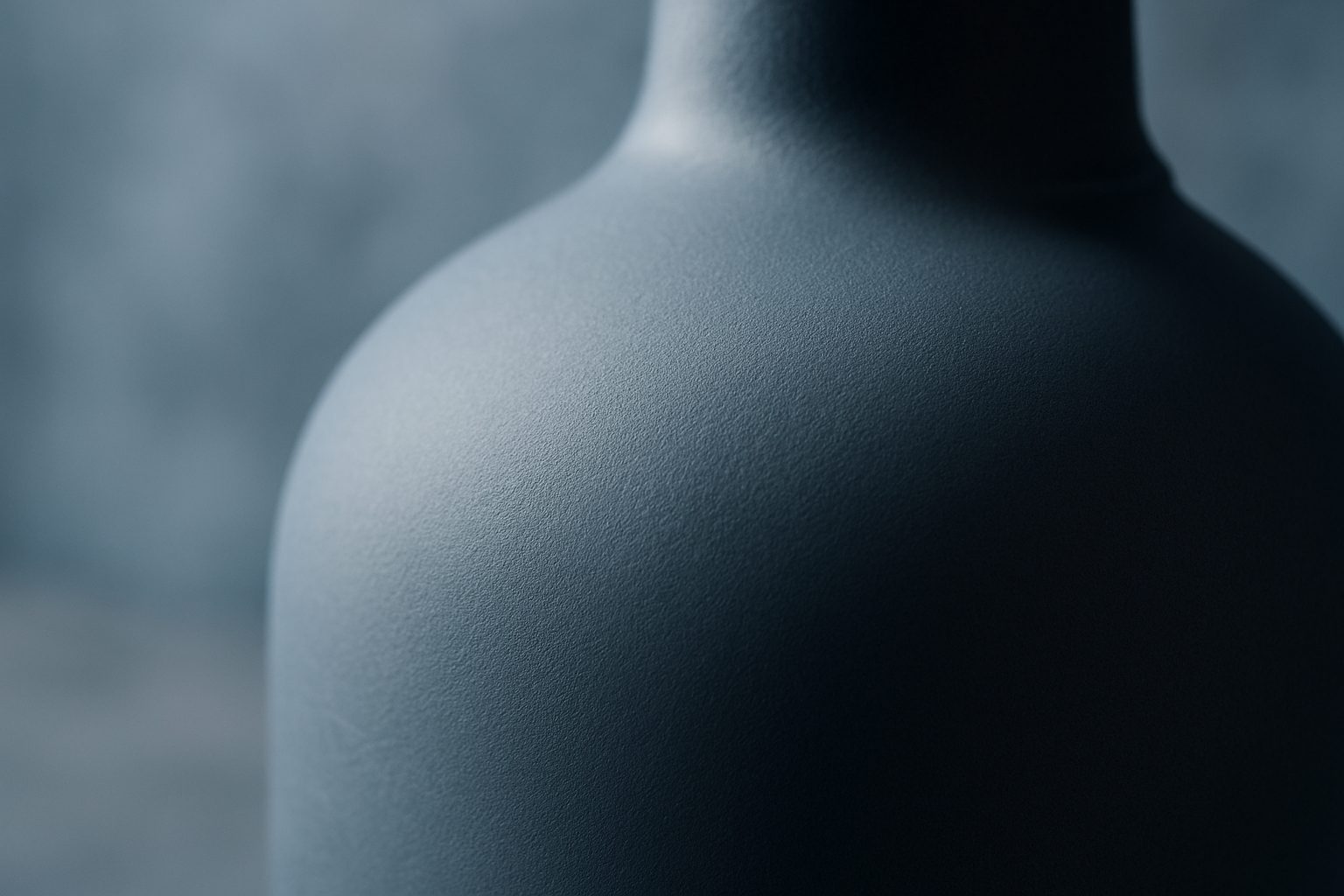
Soft-touch varnish is a tactile coating applied over digital prints or base colours, creating a surface that feels like velvet to the fingertips. In South Africa, it is especially popular for skincare packaging and upmarket beverage lines that need to stand out in stores from Durban to Cape Town. This finish adds perceived value and shelf appeal, but still needs to handle warehouse dust, shelf-stacking and the rigours of local logistics. The effect is matte and subtly grippy, not glossy or slippery, and it can be paired with other print finishes such as opaque white underbase or clear PET primer to suit most bottle shapes and label areas.
This finish is often chosen by skincare brands needing packaging that looks and feels high-end, as well as limited-release spirits or craft sodas targeting gift buyers. Owners in Gauteng and coastal cities use it to set their products apart in competitive markets, where the first touch matters as much as the look. Studios handling both glass and PET work ask about soft-touch for closures, lids, and select bottle panels rather than full coverage. However, soft-touch is not ideal for bottles exposed to constant moisture, like poolside or spa amenities, as the finish can pick up marks faster than harder varnishes. Budget promo runs, where price per bottle is critical, may also opt for standard matte panel or skip tactile finishes entirely.
Our soft-touch varnish is UV-cured, so the finish bonds fast to pre-treated substrates. Operators run it on digital bottle printers under typical workshop conditions (Gauteng winters, Highveld dust, intermittent power). The process works best on smooth, flat panels or wide lids, and requires consistent surface prep. Bottles come out with that signature velvet touch, and the finish stands up to box packing, local courier runs and shelf handling. Samples and test panels sent to Cape Town or Gqeberha show little change after weeks of shipping and display. In cases of load-shedding, the UV component still sets fully on any 230 V or three-phase supply, provided the machine warmup is managed.
A Johannesburg skincare studio brings out a new serum in glass bottles with matching lids. They want both the label panel and the top of the closure to feel soft and premium, matching the matte aesthetic of their range. We prep a batch of test pieces, printing the design, adding an opaque white underbase for colour pop, then applying the soft-touch varnish as a final layer. The first run shows even coverage, and after courier delivery to Durban, the finished lids keep their velvety feel with no visible scuffing. The client approves for retail, and their operators request a sample programme for further SKUs.
To make every metre of film and every bottle count, we ask you to prepare key details before emailing us. This keeps trials smooth, and gets honest feedback before you scale up. Good prep saves time for your team and ours. Send a message through our contact form with these ready:
Projects with tight timelines or non-standard substrates need extra checking, so add supplier or film batch info where possible. If you are pairing soft-touch with metallic, amber or frost effects, mention this upfront so we can advise on order.
Soft-touch varnish is not bulletproof, and a few recurring issues can affect results if unchecked. Uneven surfaces on lids can cause inconsistent feel, so stick to smooth areas where possible. Bottles exposed daily to high humidity (coastal fridges or spas) may see soft-touch lose its effect faster than UV-cured gloss or matte. Always provide a production bottle and test cap - mock-ups or 3D prints can give false positives on adhesion. Communicate if you need batch numbers for municipal paperwork or large retail listings, as some clients in Bloemfontein and Polokwane do. Last, remember that strong solvents can damage this finish, so educate filling teams about what touches the printed areas.
Verified Google reviews
Our contact form · Sunnyrock applications lab