Note

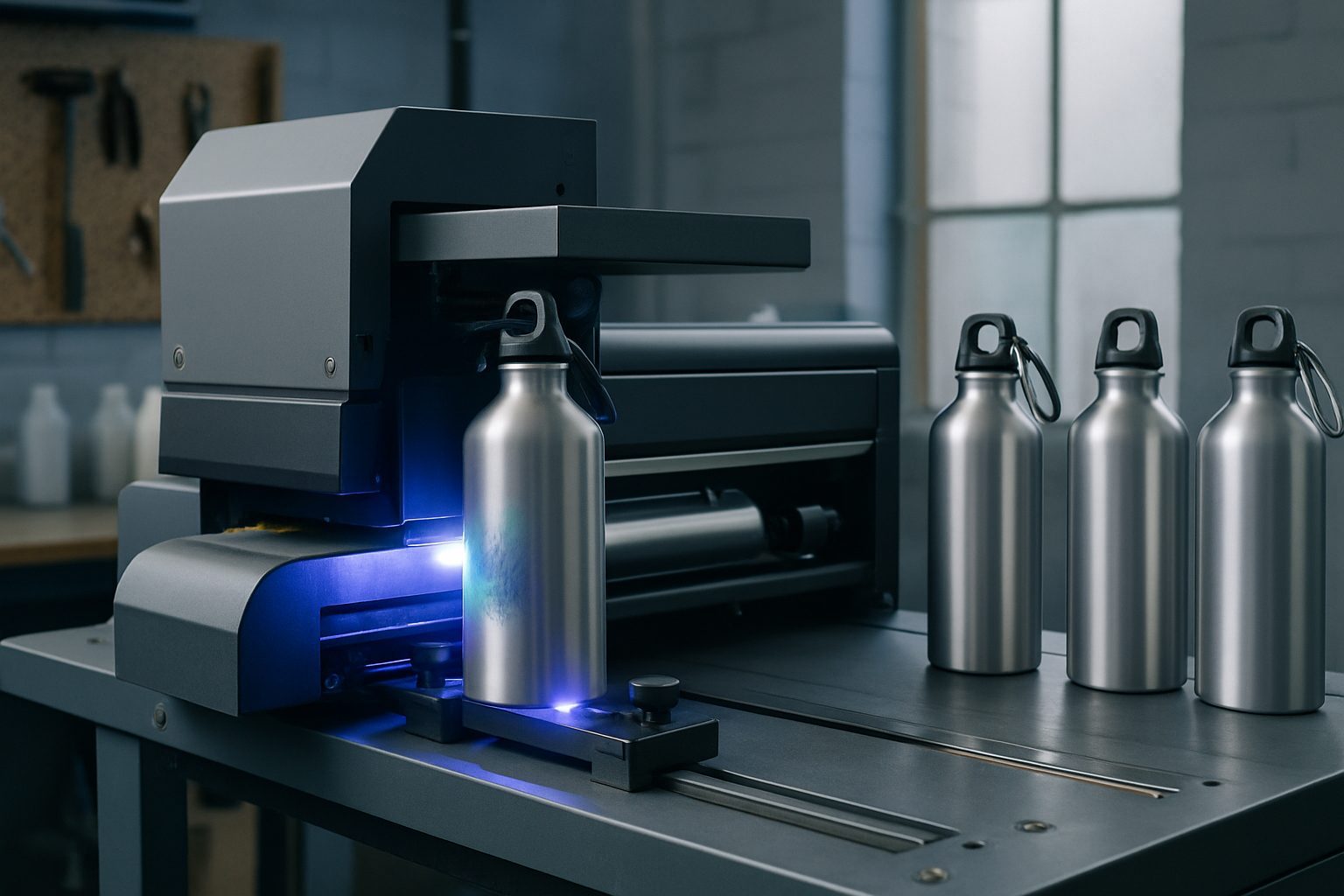
Aluminium bottles in the lab

Aluminium bottles demand a different approach from PET or glass. Get clear steps for running UV print tests, from briefing to final sign-off, based on South African floor experience.

Keep exploring

Use Cases · Systems · Contact us.
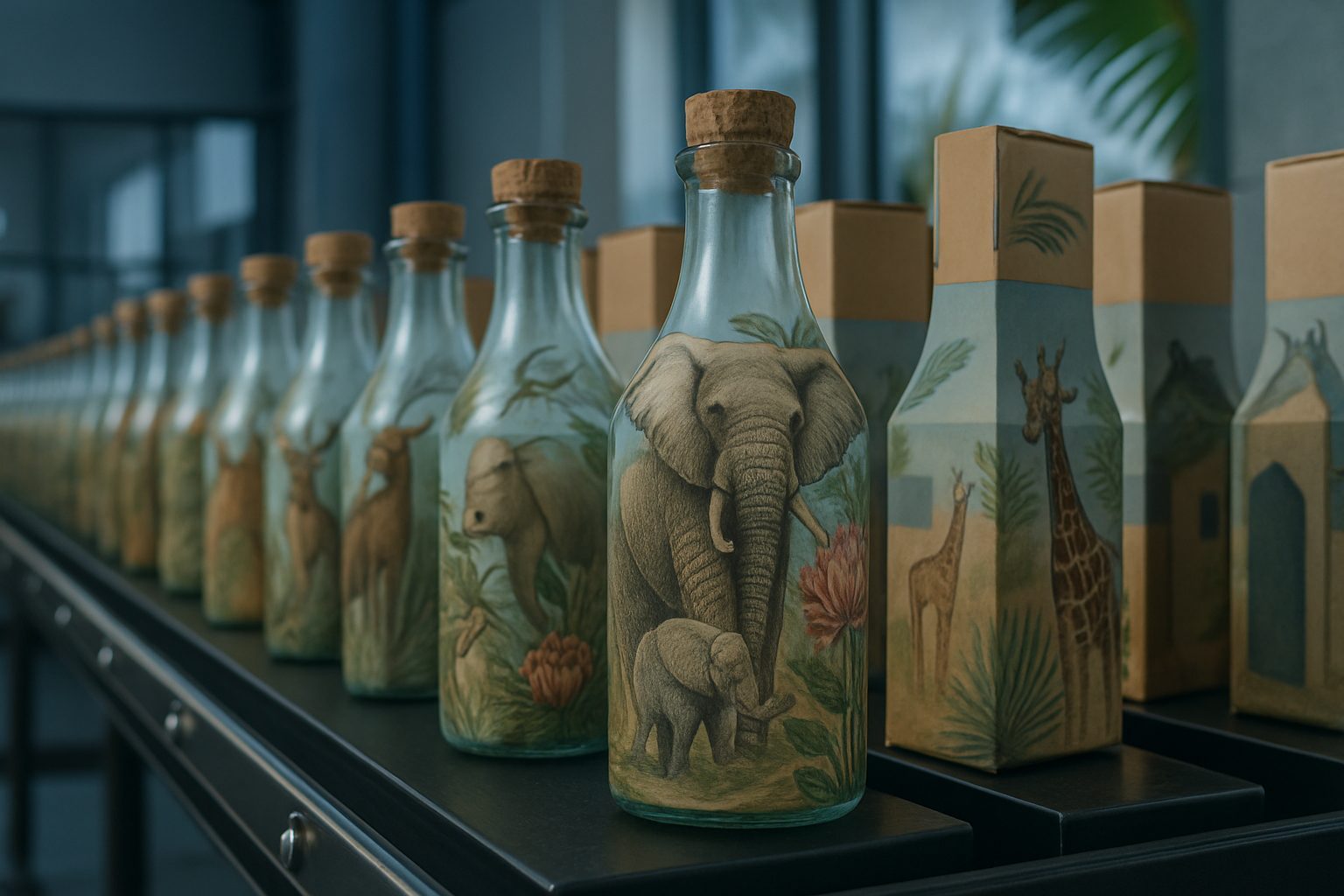
Metal needs primers

List primer pairings before colour.

Fixtures change

Soft jaws for alu shoulders differ from glass.

Report the stack

Ink, primer, cure in one PDF.
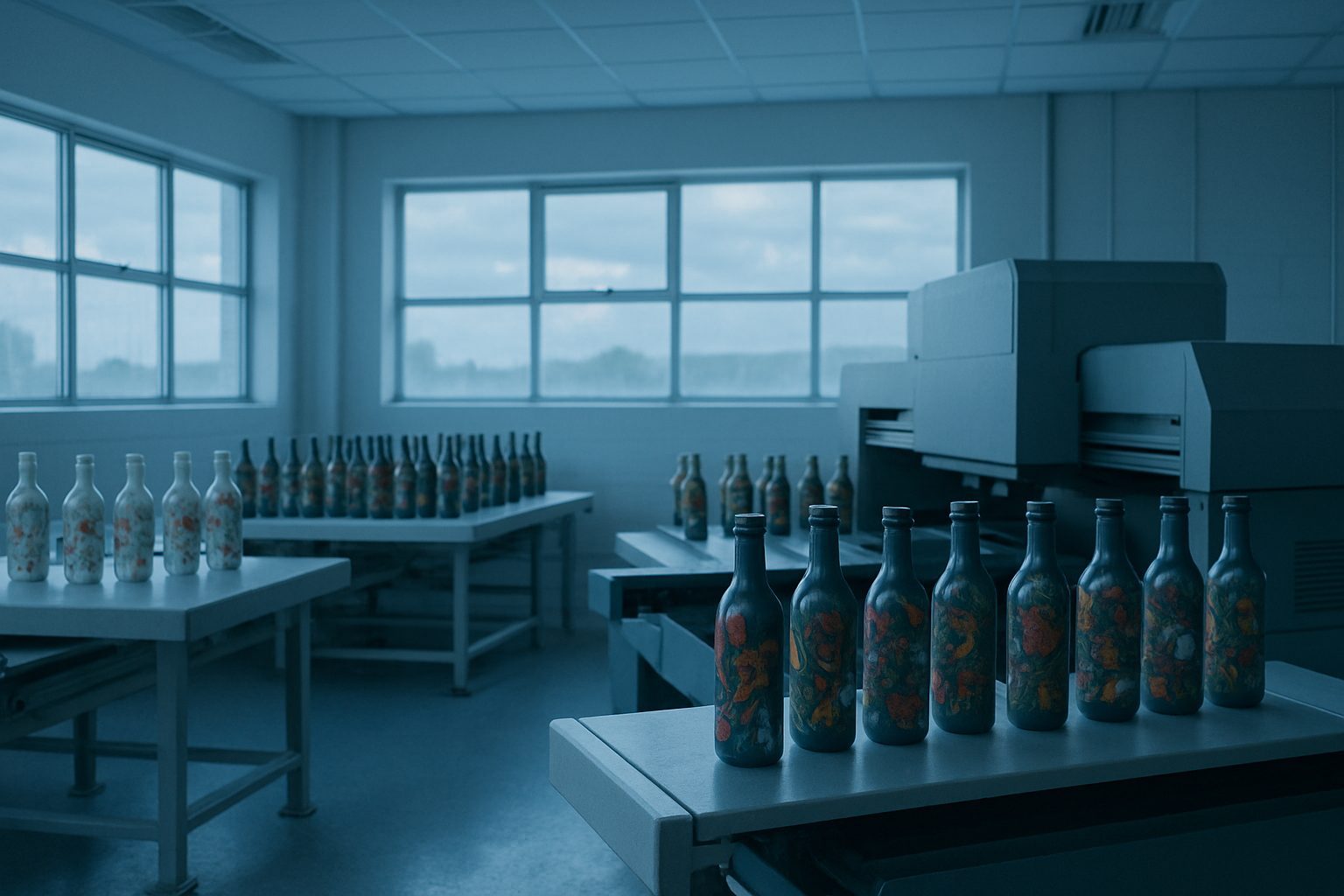
What makes aluminium bottles different in the lab

Aluminium bottles have become more common for craft beverage, skincare and promo lines across South Africa. They bring advantages over PET or glass, but also add complexity when it comes to UV decoration. The main differences show up in how finishes react under UV cure, the way fixtures grip curved or uncoated surfaces, and how ink durability is affected by the bottle’s heat transfer. These points come up week after week in Sample Lab Days run from Gauteng to Polokwane and Bloemfontein. Teams who have only printed on PET or glass usually notice that shortcuts from those runs tend to trip up on metal bottles. This page is for anyone running or planning to run aluminium bottle jobs, whether you are a contract print operator, production owner or the internal person writing the next brief.

Who suits aluminium and who hits the limits

Aluminium bottles suit lines aiming for premium or eco-friendly positioning, and operators who can handle a few extra setup steps or wait times. If you run small batches for local breweries, co-packers, or skincare launches, aluminium can give a distinct, lasting finish that feels solid in the hand and stands up to shelf handling. However, if you rely on quick changeovers, low-waste proofing or the broadest ink palette, the extra fixture swaps and sensitivity to temperature jumps may slow you down. Most issues pop up for teams who need ultra-gloss or metallic overprints without time to test. These jobs often require a site check and process walk-through before the final go-ahead. If you are on a tight turn or first time with metal, factor in extra questions upfront. When your kit is set for high-volume PET or glass, ask us for a prep note before booking a Sample Lab Day.

How we run aluminium bottle jobs on South African floors

Every aluminium bottle job starts with writing down the main constraint before picking fixtures, ink or finish. We see teams in Bloemfontein, Durban or a Highveld contract bay get tripped up when access, power, or handover plans are not confirmed in the brief. Our sequence is practical: first, lock the brief (site, format, finish, owner and handover date). Second, match the UV system and fixture path to the site’s constraint. Third, walk the process plan with the on-site operator or owner. Final step is to leave a close-out note for the next shift or team, so there is no guessing. It is a system we have used from large promo runs in industrial parks to short runs for Cape Town launches, and it saves rework time. If the path is shaky at any point, we pause and check before moving ahead. This is not theory, it comes from fixing jobs that went off track due to missing one of these details.

Worked example: a Gauteng brewery’s promo bottle run

A craft brewery near Pretoria wanted a limited promo run on brushed aluminium bottles. Their team planned to use the same fixture set they relied on for PET formats but ran into grip issues and edge leeching on the first test. After a quick process note from our lab, they sent two photos, a marked-up drawing and a timing window. We met the operator on site to confirm power (230 V three-phase), finish (matte UV with spot white), and handover (24-hour access, one sign-off needed). The process path was adjusted to include a fixture swap at mid-batch and an extra dwell for ink cure. The close-out note detailed specific wipe-down steps to prevent Highveld dust from affecting the next shift’s run. The result: no rubbing off in transit and a clear note for the next production window. This is the kind of detail that avoids repeat mistakes and last-minute panic.

Checklist before you brief us for aluminium bottle jobs

Send your brief through our contact form. If it is your first job with us or you are stuck on a fixture or finish, mention it in your mail and refer to this page. Our team answers from the Sunnyrock sample bay. You can read more about test setups and close-out routines in our Astros Sunnyrock lab notes or see how cures are managed for small formats.

Common pitfalls and how to avoid them

The biggest slip we see is picking a finish or fixture before constraints are listed. This leads to missed cues at install, lost time if load-shedding hits or batches that fail shelf handling. Another frequent problem is skipping handover with the person who will actually run the print, assuming a contractor will cover the gaps. We keep short internal notes after each job, recording the actual constraint and fix, so we do not repeat the same error. If you have municipal or SARS paperwork to sign off, add that to the brief. Plan for a final close-out note so the next team does not inherit guesswork. For more context about UV decoration systems, finishes or specific pitfalls, browse our use-cases and systems pages before booking your slot.

Talk to BottlePrinter Lab

Our contact form · Sunnyrock applications lab