Note

Astros Sunnyrock lab notes

Real lab notes from the Sunnyrock floor: how we document, prep and debrief UV bottle decoration runs with Astros Marketing. Here’s what helps teams get jobs right the first time.

Keep exploring

Use Cases · Systems · Contact us.
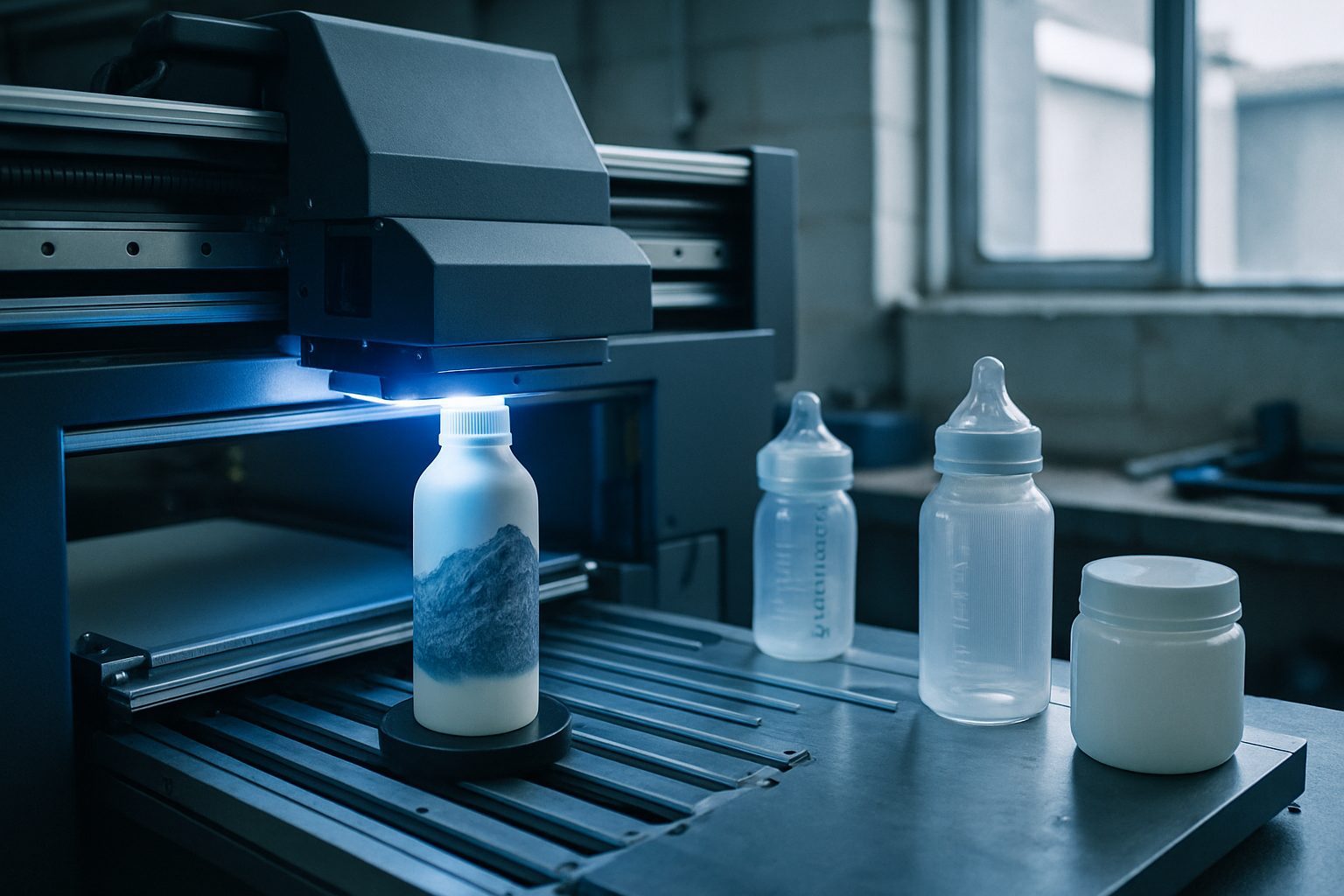
Sunnyrock 1401

2 Makro Place hosts the applications lab.

Operated by Astros

Astros Marketing (Pty) Ltd operates the site.
What Astros Sunnyrock lab notes are and who uses them

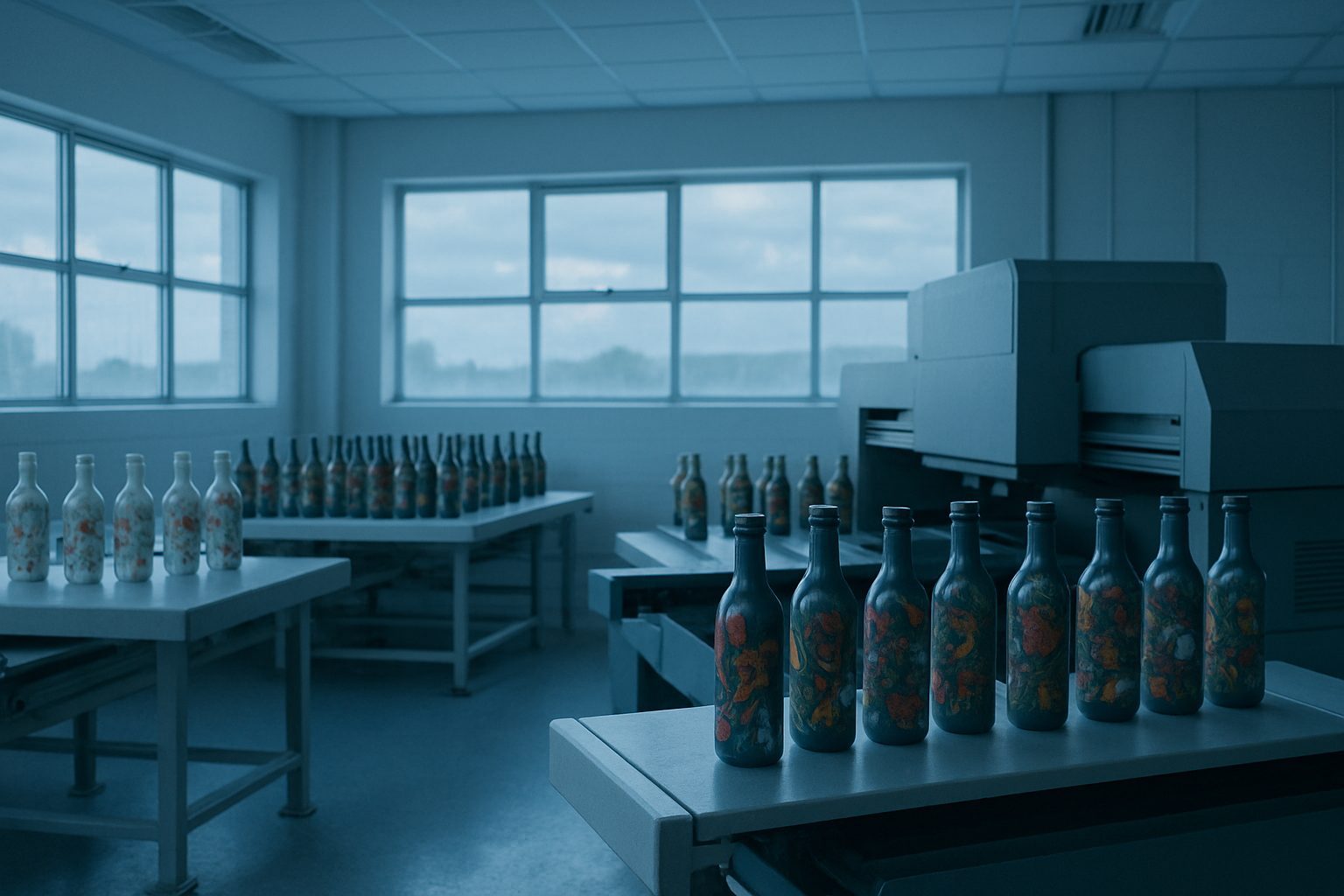
Astros Sunnyrock lab notes are practical records from real UV bottle decoration jobs done on the Sunnyrock floor. We made these notes for teams who want to avoid the usual stumbling blocks when briefing a contractor or new operator, especially in Gauteng, East London or Durban where no one has time for a second site meeting. These notes suit production managers, print room leads, and anyone scoping work for craft beverage, skincare and promo bottle lines. If you need glossy proposals or empty lines about innovation, you’ll find these notes are not for you.

Anyone running bottling lines or decoration equipment who needs factory-floor advice finds these notes useful, especially where site constraints, shifting deadlines or local supply issues can trip up a job. Municipal paperwork, load-shedding, and short-notice timing often make it harder to get all the details down. That’s where the lab notes close gaps that catalogues skip. We share key patterns and problems so that your next brief, whether for fixturing before you press print or estate bottles beyond labels, lands without a hitch.

How the lab notes fit into South African projects

On South African floors, a bottle decoration project almost never runs to the textbook plan. Highveld dust, unreliable three-phase supply, and sudden client changes mean a floor team needs actual examples, not pretty diagrams. Astros Sunnyrock lab notes get down to the step-by-step order we follow on site (and what we fix when it goes sideways).

We get regular calls from teams in Durban and East London looking for a clear, practical rundown that their own teams or outside contractors can follow. Each note starts by writing down the project constraint, power, timing, access, or sign-off. If any of those are left fuzzy, we pause the plan until the answers are real. That focus keeps us honest and is the main reason we avoid surprises at 06:00 when the line needs to start.

A worked example: prepping for a skincare bottle line

Say a Cape Town skin care producer wants UV decoration on 250 ml frosted glass bottles, with launch stock leaving next month. They share two site photos, a hand-written sketch, and flag Eskom load-shedding every Tuesday afternoon. Our lab note for this run starts with a one-page brief, lists the power timing as a constraint, and names the line foreman as the on-site owner.

We then recommend an install slot before load-shedding, and send back the process plan. After the shift, the operator leaves a short note with what actually happened, down to what plug points worked, what slowed down the crew, and which finish survived a knock in the box. We keep the note as a reference so the next Cape or Gauteng site avoids the same pain. This process keeps sample runs on track without the usual round of finger-pointing.

How to brief us, and what to prep before emailing

Good outcomes start with a focused site brief and a real constraint list, not just photos of bottles with labels peeled off. Before you send a message through our contact form, put together at least a one-page summary, two site photos, and a timing window. If you have it, send a drawing set or statement pack, scruffy is fine, as long as we see the conditions the floor team will face.

Mention 'Astros Sunnyrock lab notes' in your subject so we route your enquiry right. Our team based in Jet Park uses these notes actively, so you get straight, up-to-date feedback instead of copy-paste answers. If you’re comparing systems, pair this page with the use-cases or finishes pages for more on what matches your project's specs.

Pitfalls and what we record after each job

The main pitfall we see is skipping the constraint list, chasing a glossy finish before checking what the floor can actually handle. That mistake usually comes back as a second visit or a rush fee when the process chokes on the install day. Another common slip is assuming municipal or SARS paperwork won't slow down deliveries, especially for jobs crossing from Gauteng to KZN or the Cape.

After every run, we record a short private note on what missed the mark last time, just dates, the main constraint, and a one-line fix. This habit saves us from repeating old mistakes, especially with UV ink adhesion on tough substrates like amber glass, or with power setup in industrial parks. If it helps, check our related notes such as amber glass and UV ink or how to brief a Sample Lab Day for more on tricky surfaces and prep.

Talk to BottlePrinter Lab

Our contact form · Sunnyrock applications lab