Note

Flat Panel for skincare jars

Flat panel benches help keep skincare jar lids and tags in the same brand language, from trial runs to main production. This note covers real-world tips from South African bench jobs.

Keep exploring

Use Cases · Systems · Contact us.
Lids carry the brand

Customers touch the lid before they read the bottle.

Share the ink carts

InkFlow keeps white and varnish consistent across print lines.

Sample before SKU lock

Book a Sample Lab Day with your jars.
What flat panel means for skincare jars

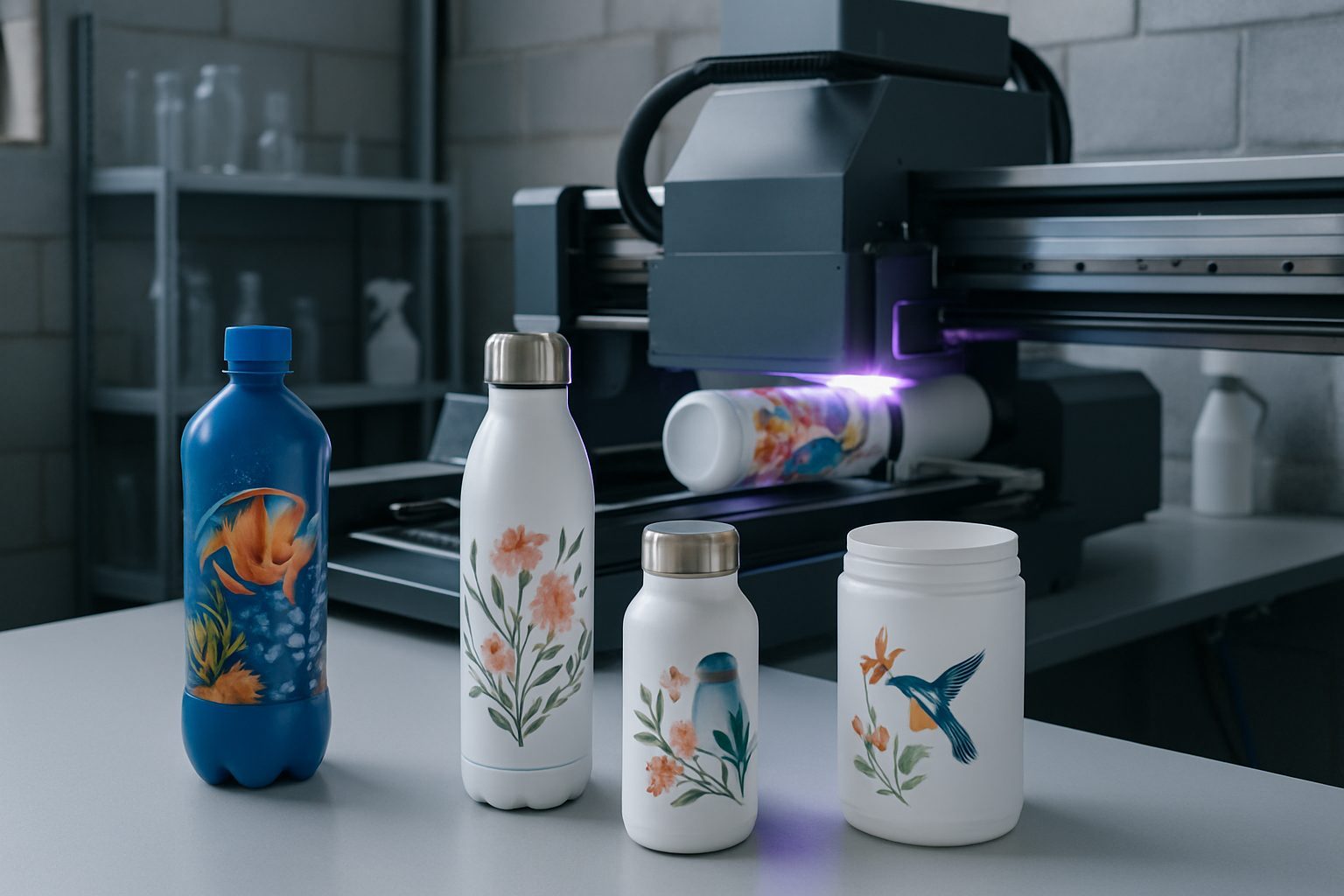
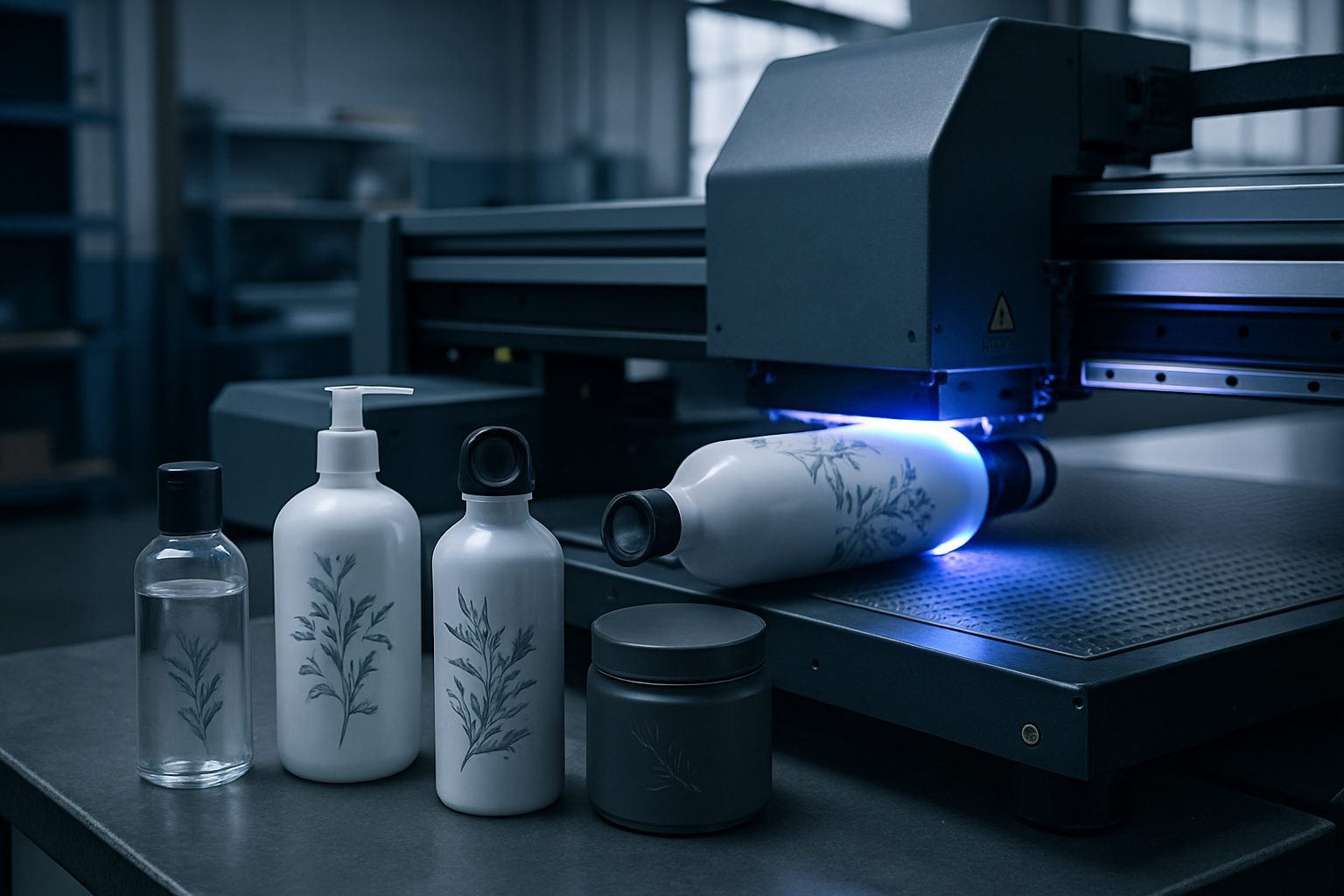
Flat panel decoration uses UV print benches designed to handle the low, often awkward, profiles of skincare jar lids and tags. These benches, like our Flat Panel Bench and CapPrint Bench, let you decorate aluminium, glass, or plastic closures and hang tags with crisp, repeatable results. This method suits hands-on operators, brand owners, and print rooms that need the lid and tag to match the main jar, especially in short-run craft batches where the finish cannot risk rubbing off in packing or retail handling.

It works best for craft skincare brands, boutique lines, and short production runs common in Gauteng labs, Cape Town fill-rooms, and coastal contract packers. If you run high-speed, automated cap lines with thousands of units per hour, the flat panel UV route is usually too slow and manual, but for most specialist or mid-volume runs, it's quick to set up and honest to maintain.

When flat panel benches suit and when they do not

Flat panel benches land best in sites where teams have mixed small items to brand, like a skincare lab in Isando running 200 glass jars, or a Durban warehouse prepping tester pots for influencer drops. You get precise control over position, colour, and coverage on varied stock. These benches also shine in spots without elaborate fixturing or where power is limited to a 230 V single phase tap.

However, if your crew needs fully automated throughput or your lines are speed-governed by conveyor rates, flat benches feel slow. Steep, complex closures or deep-ribbed caps may also be a challenge for manual loading. In cases like these, automated round printers or direct contract printing may fit better. If you’re not sure, send a photo through our contact form and we’ll give a straight answer.

How teams use flat panel and CapPrint benches in practice

A typical job starts with a one-page brief from the site. For example, a Pietermaritzburg team needed 150 silver lids and 50 matching swing tags for a shea butter launch. The bench set-up allowed them to align the print on lids and tags with the same fixture, so the entire batch carried the same font, colour, and gloss as the core jar. After printing, items air-cured in trays, a practical step in humid coastal weather where forced dry is helpful for tight turnarounds.

During load-shedding, the site switched to backup power without interrupting production, since these benches work on standard 230 V and don’t draw much current per cycle. The team logged a short close-out note for the next shift, recording which ink set performed best in the sticky Highveld weather.

What to prepare before you email

Before you send a query through our contact form, have a few things ready. We do not need a polished brief: the more direct, the better, so we can give you a practical route upfront. At minimum, we need to know the main constraint, whether it’s timing, site power, or a tough lid shape.

For new briefs, we also ask for at least two clear photos showing the lid or tag, and a timing window. If there’s a drawing pack, spec sheet, or even a draft print plan, send it along. We prefer to handle the real issues up front, not after the first run. See our notes for how this fits with other use cases.

Common pitfalls and how we sidestep them

The costliest snag in a flat panel jar or tag run comes from skipping the constraint stage. If the finish, fixture or ink is picked before writing down power, clearance or sign-off chains, teams often waste time or pay for rework. We always start jobs by confirming the main constraints and testing ink or fixture choices on sample stock. Fuzzy sign-off, missing close-out notes, or leaving the fixture plan to the last minute create avoidable drama, especially when site access or power is tight.

We keep a short note after each job, just the constraint, what failed, and the fix, so each run improves. If you need help with UV cure issues or selecting the right fixture for odd lid shapes, check our cure windows notes or fixturing advice before you brief us.

Talk to BottlePrinter Lab

Our contact form · Sunnyrock applications lab