Note

Fixturing before you press print

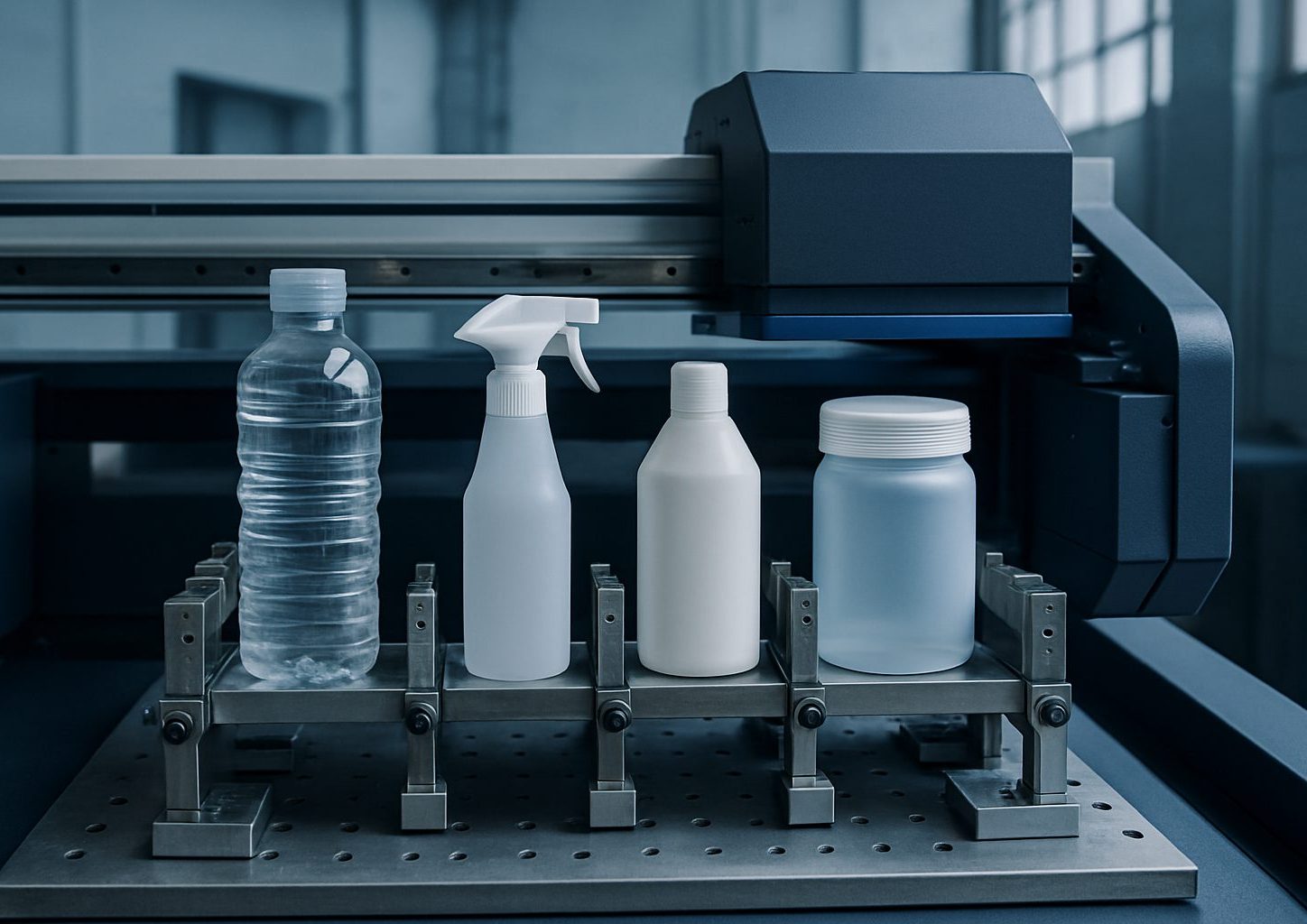
Soft jaws and GlassGuard Soft pads prevent scuffs before UV printing even starts. Here’s what South African teams should know before briefing a bottle decoration job.

Keep exploring

Use Cases · Systems · Contact us.
Contact is craft

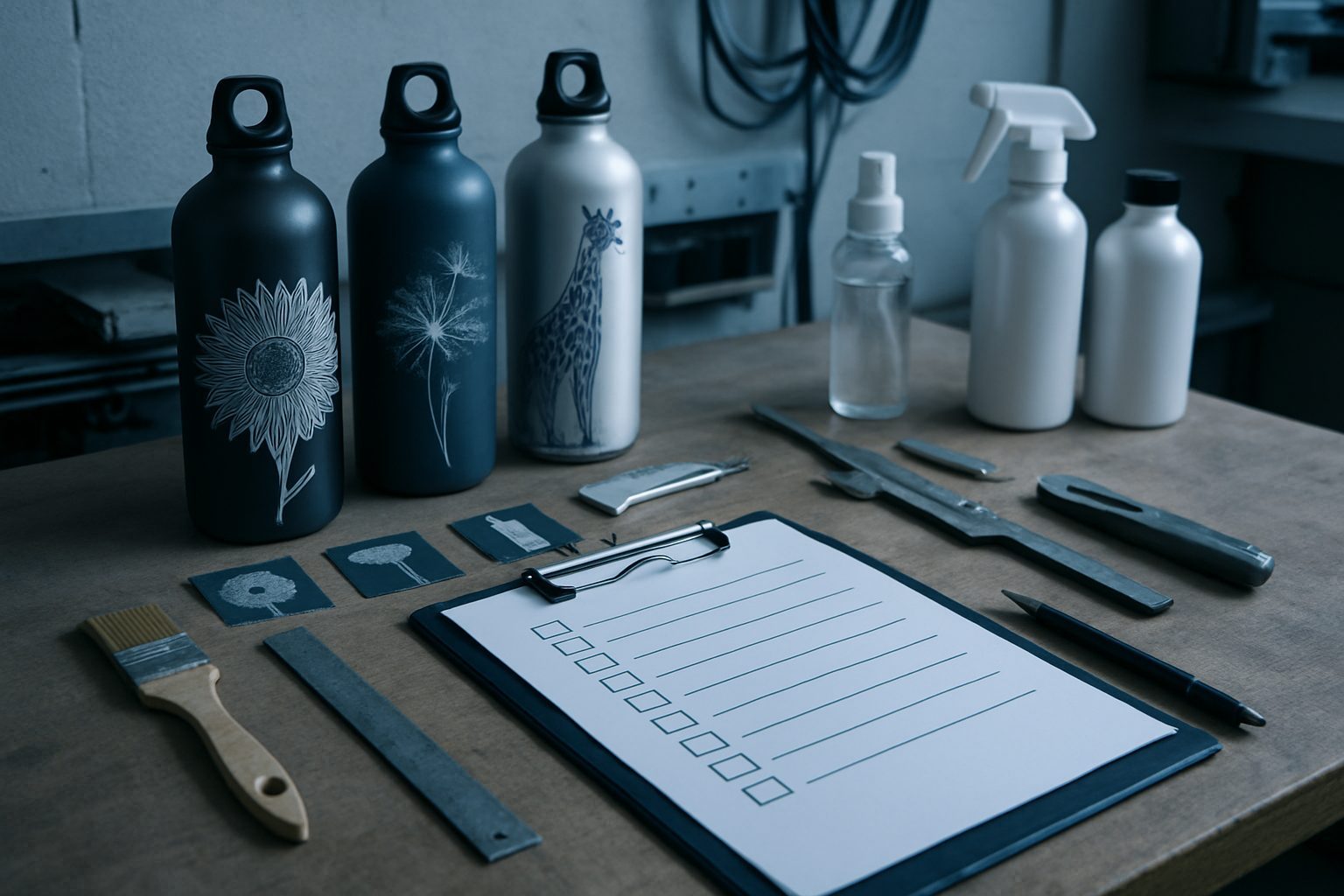
Hard jaws leave rings that no varnish hides.

Swap in two minutes

RingGrip jaws change without tools on the floor.

Glass and PET differ

GlassGuard Soft pads for glass; PETClear for crystal PET.
Why fixturing matters before pressing print

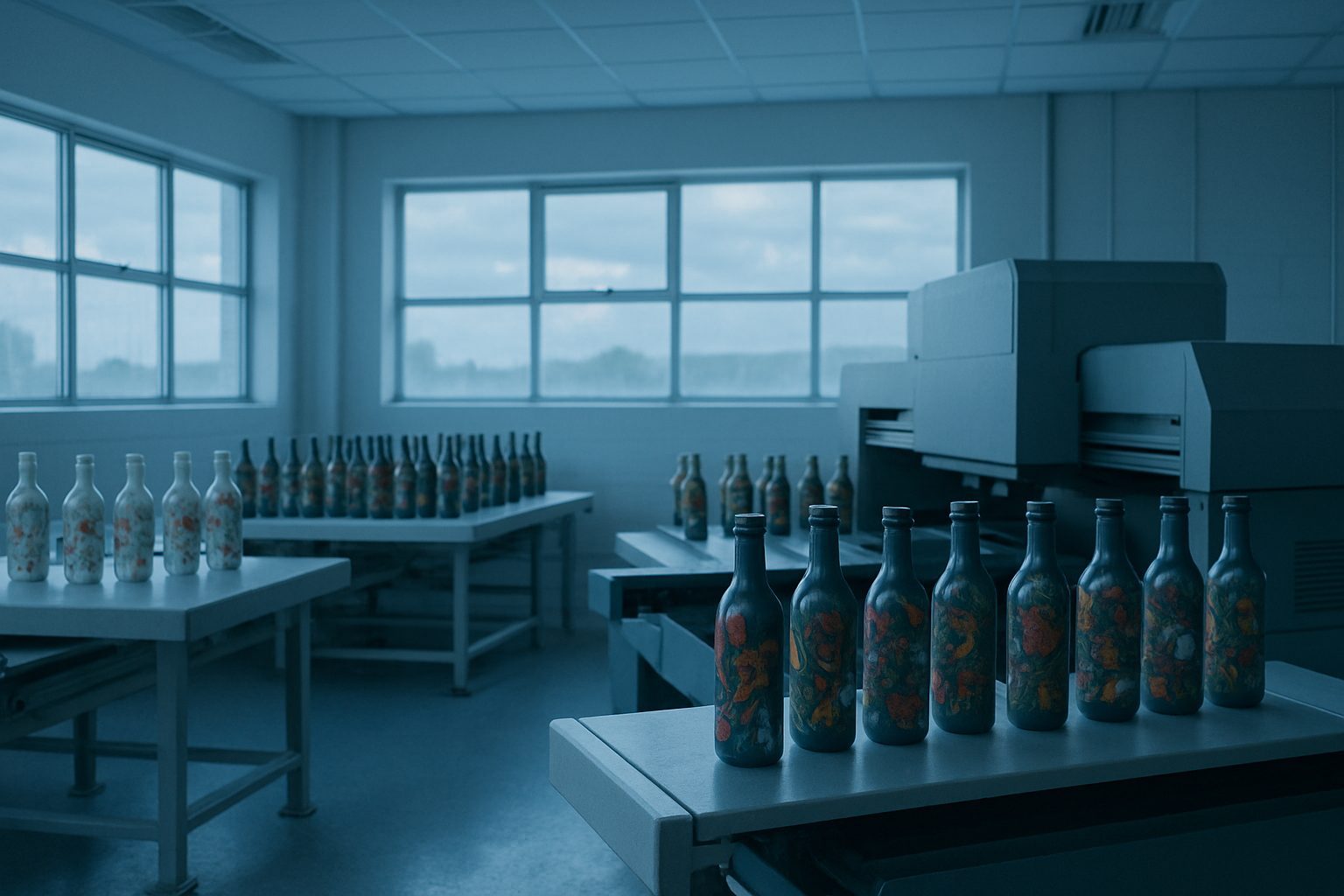
Getting fixturing right upfront saves money, time, and effort for everyone touching bottle decoration, whether you’re in a Gauteng sign bay or bottling on the coast. In Bloemfontein, Polokwane, and Gqeberha, teams keep asking for steps their contractors and crew can follow without a second meeting. The answer is always the same: before you pick a finish, fixture, or ink, write down the constraint first. A rushed job with no clear fixturing plan usually means a second site visit, a scramble for urgent replacement parts, or - worst - batches that look scuffed before dispatch. Soft jaws and GlassGuard Soft pads help, but only if the whole sequence is planned before ink ever hits glass or PET.

Who benefits from proper fixturing, and who doesn’t

Production teams handling thousands of bottles for craft breweries, boutique skincare lines, or promotional runs get the most out of upfront fixturing. Site managers who need to sign off before a contractor leaves depend on fixturing notes to avoid finger-pointing later. Operators who face Highveld dust, load-shedding stops or irregular bottle batches depend on stable fixtures and clear instructions. On the flip side, if you are running hand-finished, one-off custom bottles for a single event, or working only with sleeves or labels, fixturing detail is less critical. However, once volumes grow beyond a few crates, skipping this step will cause trouble, often when your line can least afford it.

How the process works in South African workshops

When the bottle decoration job lands, we start by confirming the main site or process constraint. Usually, that covers access windows (especially if malls or industrial parks restrict times), power (are you running 230 V or three-phase?), and who signs off when the contractor is done. If any of those are fuzzy, the plan stops until they’re solved. We write a single-page brief, choose the system path that matches your bottle’s shape and decoration need, then run a physical walk-through with the hands-on operator or on-site owner. Before handover, we leave a short close-out note for the next shift. After each job, we log what tripped us up, dates, constraints, and a short fix, so your next run is cleaner.

If you want more practice cases, have a look at our use-cases or see similar notes in Astros Sunnyrock lab notes.

Quick worked example: avoiding a scuffed batch in Germiston

A beverage team in Germiston needed branded glass bottles that could handle shelf handling and local courier runs. We started with their constraint: limited space and unpredictable power due to load-shedding. Using soft jaws and GlassGuard Soft pads, we designed a fixture sequence to protect the bottles from scuffs as they moved from print to curing. The operator was on-site for the walk-through and signed off the brief. When a mid-run power cut paused printing, the clear close-out note meant the next shift picked up without a single misaligned bottle. No batch had scuff marks, even after packing and two Gauteng deliveries.

Prepare this before you email us

A clear brief saves hours and cuts out most repeat emails. Two smartphone photos showing your bottle type or current line are enough for us to start. A short timing window (even if it moves) and an idea of your site or process constraints help us avoid suggesting something that will never fit your floor or schedule. If you’ve got a drawing set or a statement pack from a previous run, send it (messy files are fine). If you’re still getting to grips with finishes, browse our finishes leaf or full catalogue and mention the ones you are interested in with your enquiry.

Common pitfalls, what to avoid on your next run

The most frequent mistake: picking the prettiest fixture or ink before you’ve listed what your site or process actually needs. South African sites often have power quirks, restrictive access, municipal paperwork, or environmental factors like Highveld heat or Cape Town humidity. Overlooking these costs time and money, usually as a second visit to fit a fixture that should have worked first time. Rushed handovers without a close-out note mean the next crew guesses and often repeats old errors. And skipping a quick walk-through with the on-site decision-maker leads to confusion when things go sideways.

Want a step-by-step walkthrough or to see a physical setup? Send us a message through our contact form and mention this note, our Jet Park sample bay team answers most weeks. For more notes from real jobs, see UV on PET, what craft beverage teams miss or closures that match the bottle.

Talk to BottlePrinter Lab

Our contact form · Sunnyrock applications lab