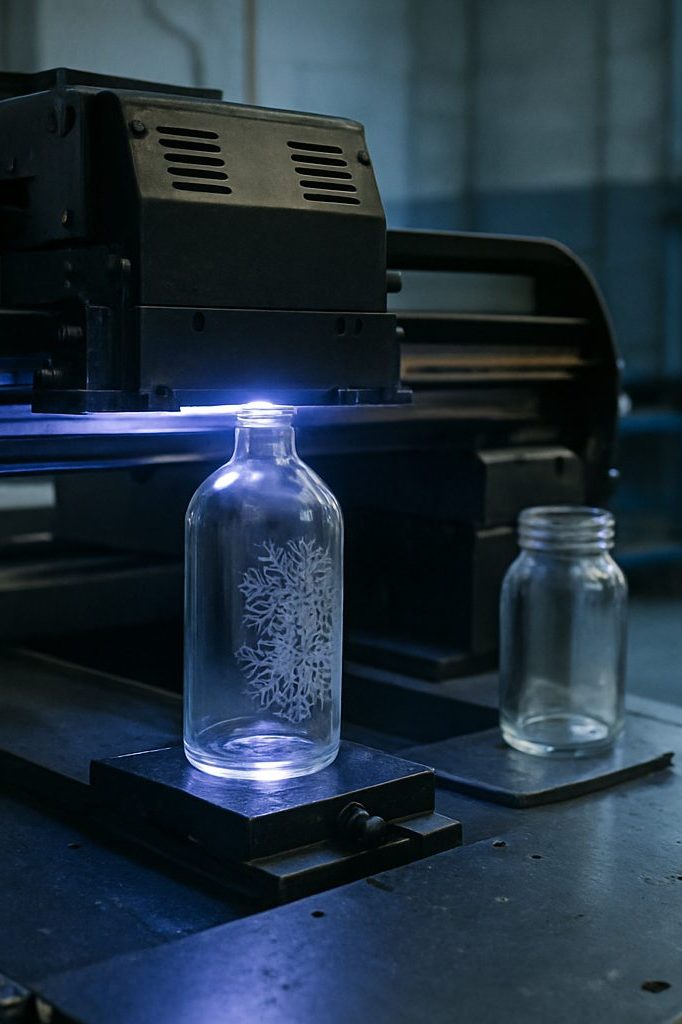
Note

Glass handling without scuffs

GlassGuard Soft rails help protect spirits and estate wine bottles from scuffs during handling. This note covers methods, checklists and real-world tips for South African bottlers.

Keep exploring

Use Cases · Systems · Contact us.
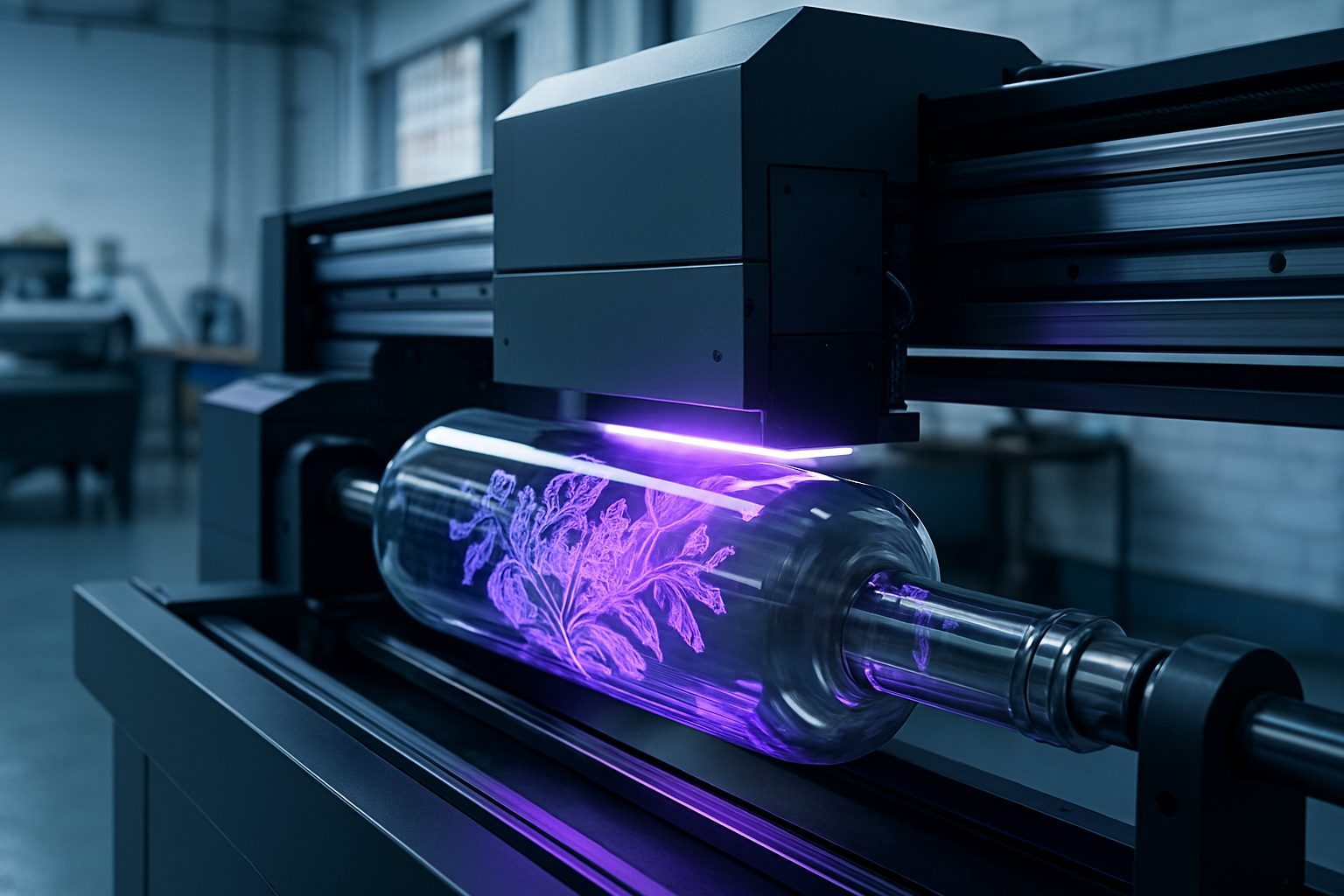
Scuffs read as cheap

Shoulders and bases show every hard contact.

Replaceable pads

Soft elastomer pads wipe with IPA.

Pair with RingGrip

Fixtures and rails share the same diameter library.
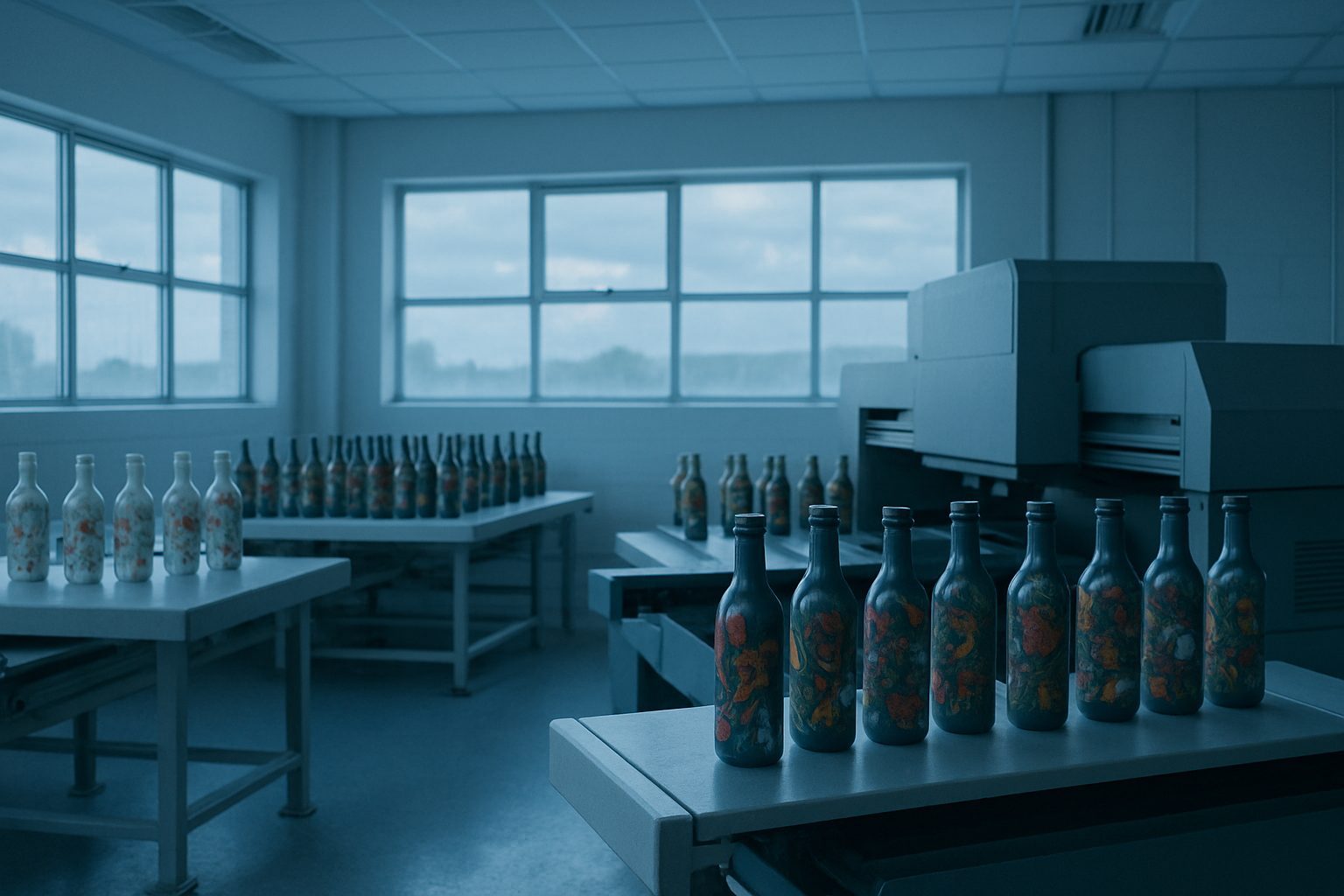
Why scuff-free glass matters on busy floors

A single visible scuff on a premium bottle can cost more than just a sales return. Spirits distillers in Isando and estate wineries outside Stellenbosch have called in after lost batches where decoration rubbed off or bottles marked during line handling. South African teams face extra knocks from high cycle rates, older conveyors, and contractors who swap rails or guides without warning. GlassGuard Soft rails give the bottles a fighting chance, especially when the product is destined for upmarket on-consumption or export. The difference between a retail-ready bottle and a reject is often how the handling system is briefed and set up.

Who GlassGuard Soft rails suit (and who will not benefit)

If your line produces short runs of spirits, estate wines or gift bottles with direct UV print or sensitive label finishes, GlassGuard Soft rails fit the need. They work best in craft-scale bays or flexible contract lines, where small changes in handling can cut visible bottle damage fast. If your operation runs high-speed, single-SKU beer or cider lines with heavy returnable glass, these rails add little value to the existing hard-wearing guides. Mass-market or PET filling plants usually find standard rails easier to maintain. Soft rails are not designed for plant-wide changeovers or rough-palletised transit.

How we handle the job, from brief to bay

Most requests come from operators or foremen who need to brief a contractor or in-house crew, but want to avoid a redo. We start every project by pinning down the site or process constraint. That could be access to the filling line between shifts at a Germiston depot, or the tight handover window before peak packing in Paarl. We walk through the UV bottle decoration needs, clarify who signs off, and match system choices to your floor’s quirks. We keep the steps plain. A one-page brief rules out most confusion, and confirms what finish or guide will actually work.

Once rails or sample sections are approved, we install during a planned pause. We make sure your on-site owner or shift lead is present. After the kit is fitted, we leave a short close-out note. This helps the next shift avoid old habits that damage bottles. If you want to see how we do this in action, ask for details by emailing our contact form and note your city or plant setup. For related advice, see our Astros Sunnyrock lab notes.

Worked example: Small-batch gin line in Pietermaritzburg

A local gin brand in Pietermaritzburg needed to upgrade guides for a hand-decorated, UV-printed batch. The operator sent us two quick photos and a drawing showing bottleneck widths and conveyor layout. We flagged a site constraint: the available install window was just before stock-taking, with a contractor crew expected on site. The brief named the on-site owner. We matched the GlassGuard Soft rails to the line, discussed timing, and arranged to swap them in before the final QC run. The operator left a close-out note for the packing shift. Not a single bottle left with a scuff, and the brand looked retail-ready on shelf.

Checklist before you email for advice or supply

A focused brief speeds up our response and saves you a second visit or rush fee. If you want us to advise or supply rails, use the checklist below. It covers what matters on a real factory or pack line, and helps us match our answer to your need. Sending clear info up front cuts missed constraints and costly fixes after install.

Pitfalls and what we do differently

Most failures come from skipping the constraint step or holding back revised drawings until after kit is packed for shipping. This leads to rails that do not fit or systems the crew will not use. We check for late changes before we crate, not after. If you are briefing us for the first time, we prefer simple over perfect, messy photos or marked-up plans are better than a second meeting with nothing on paper. If you run contract lines for spirits or wine, bank on high crew turnover and record a close-out note after every kit swap. These small steps keep scuffs and label rub-off from becoming expensive problems.

If you need a walkthrough of similar cases or want to discuss the details of GlassGuard Soft rails, send a message through our contact form and mention your plant or line setup. Our team answers from Jet Park, and we keep our advice direct. For more tips on bottle finishing and line handling, browse our Use-cases and Finishes sections.

Talk to BottlePrinter Lab

Our contact form · Sunnyrock applications lab