Note

How to brief a Sample Lab Day

Before your bottles reach Sunnyrock, a good brief means we get straight to practical testing. Here’s how to prep for a Sample Lab Day that suits your site, bottles and real deadlines.

Keep exploring

Use Cases · Systems · Contact us.
Send bottles and art

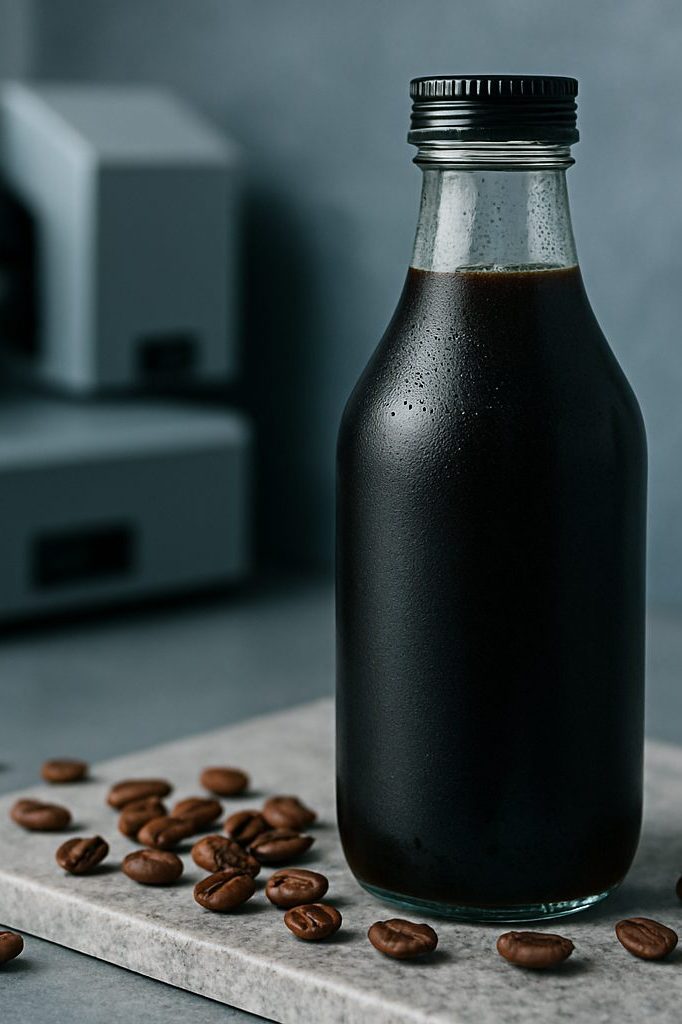
Empty bottles, print-ready files, and target substrates.

Name the use-case

Craft, skincare, or promo changes the fixture path.

Expect a cure log

The PDF travels with your samples.
What a Sample Lab Day is and who gets the most from it

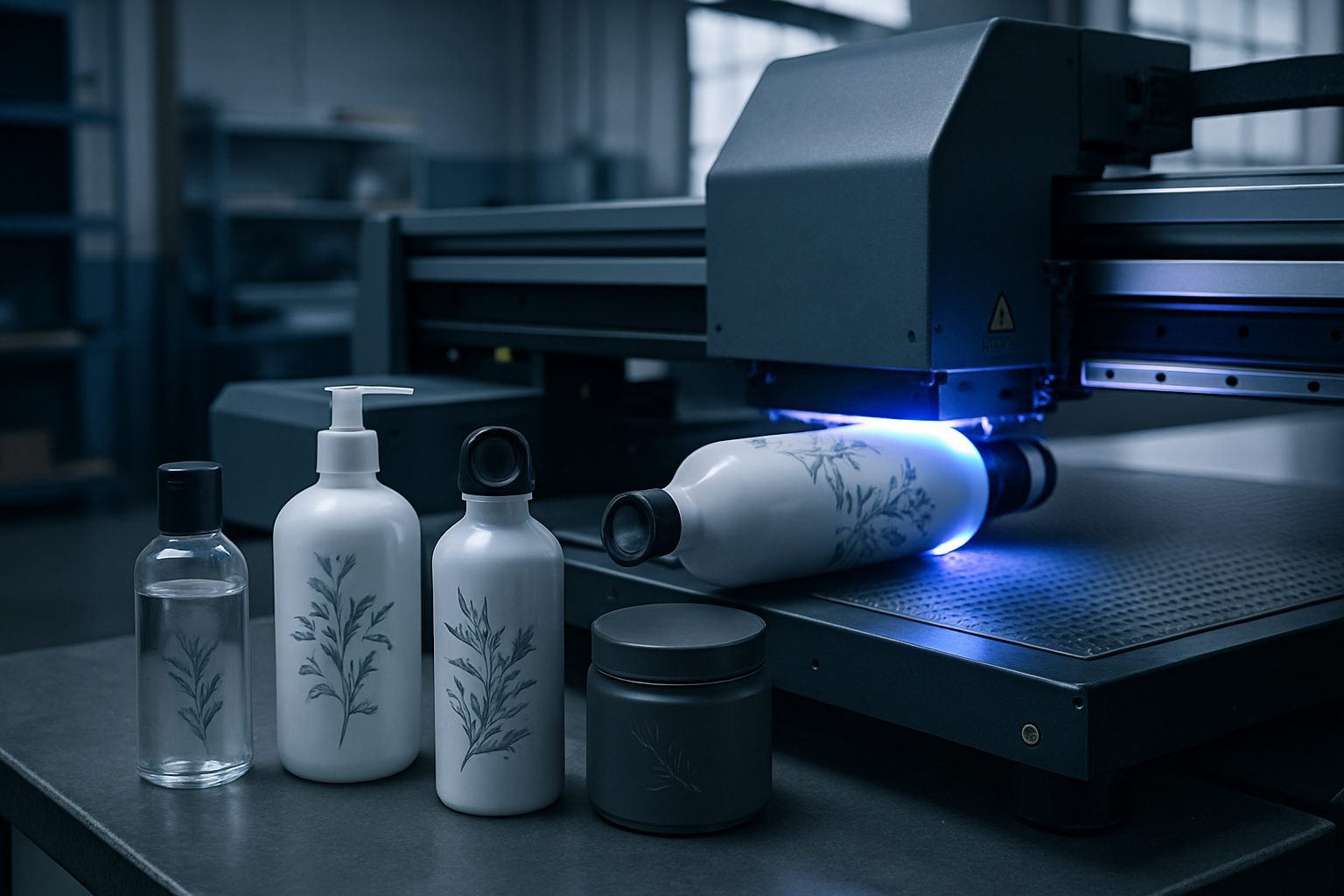
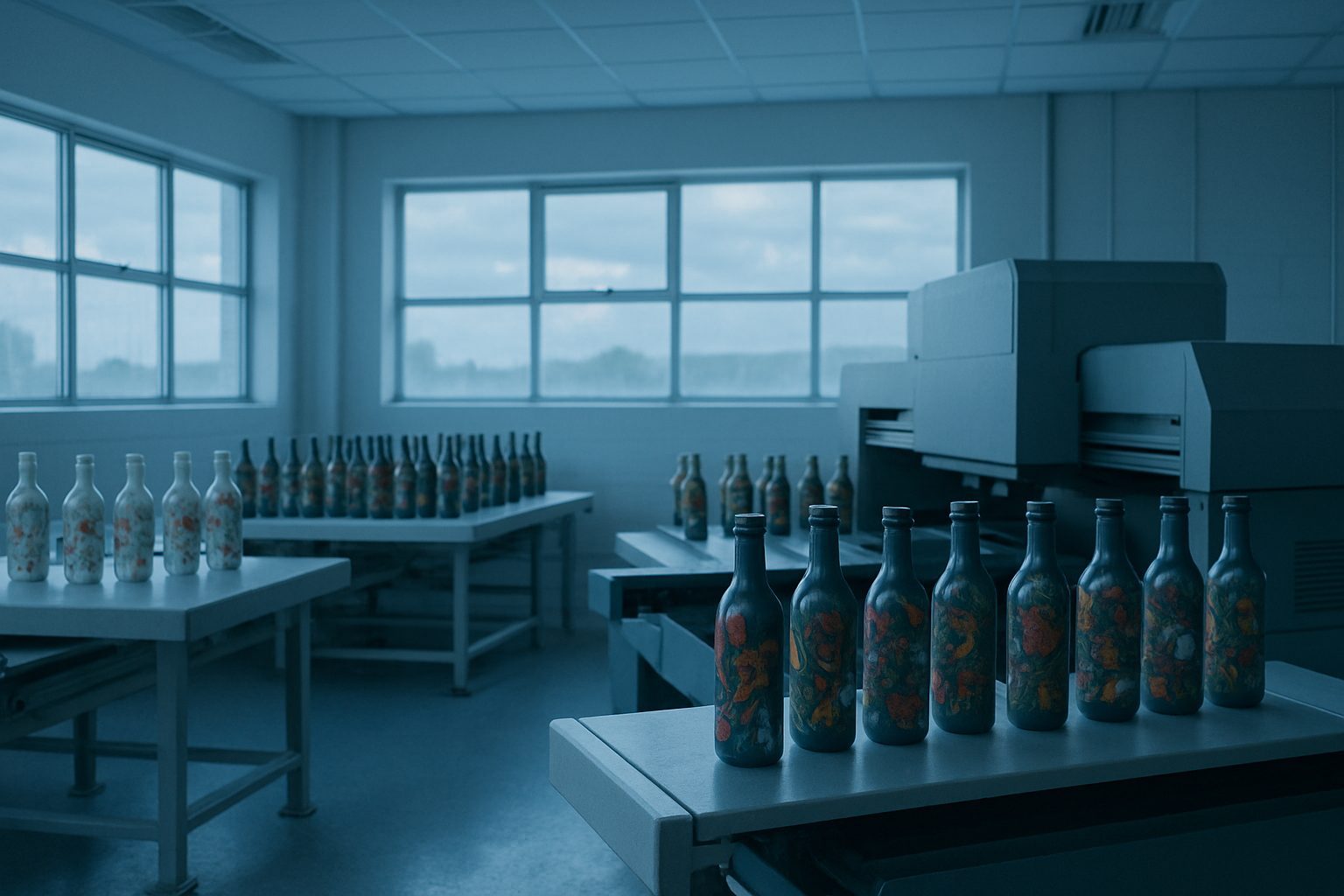
A Sample Lab Day at BottlePrinter Lab is a session where you see how bottle decoration systems handle your exact bottles, labels and constraints before anything runs at volume. Our lab days are for teams who want Swiss-precise UV decoration that survives the real world: warehouse handling, local transit, shop shelves in Gauteng, Durban humidity or Highveld dust. If your bottle goes into a craft beverage, skincare, or promo line, a lab day helps you avoid the usual guesswork and shows how the process works on the bench-not just in a catalogue.

Sample Lab Days are not the best use of time for projects still in the early design stage or for simple rounds where a stock finish is already proven. These sessions are best for owners, print rooms or production leads who need to choose fixtures, test finishes under real site constraints, or get sign-off from team members who deal with municipal or factory checks.

How a Sample Lab Day works, step by step

Once you send your brief through our contact form, we review your needs and set a day usually at our Sunnyrock lab. We do not rely on off-the-shelf planning. Instead, we start with your process constraints, like whether power is single-phase or three-phase, how long the bottles will sit before packing, or if your sign-off person is on site. We look for real bottlenecks, not just pretty finishes.

On the day, we walk through the full decoration process with your team: unpack, fixture, decorate, check for rubbing, then see how the sample holds up to handling. Our operator shares straight advice about what worked last time on similar jobs in places like Worcester, Gqeberha or Mbombela. We never move ahead unless you have a clear sign-off path and know what happens next. After the lab day, we send a close-out note with what worked, what failed, and what to watch next time.

A worked example from the floor

A craft gin range from Cape Town needed bottles that survive dusty warehouse storage and still look sharp on shelf. The owner emailed us two photos of the bottles, a short timing window (they only had one Saturday free before the next order), and a sketch of their packing setup. We flagged early that power at their site was two-phase with regular load-shedding. We matched our test to that, using a fixture that could be set up between outages and inks proven to resist Highveld dust. At the end of the day, everyone left with decorated bottles, a one-page note on what needed tweaking, and no nasty surprises before production started.

What to prepare before you send a message through our contact form

A sharp brief means fewer questions and a smoother day in the lab. If you’re new to the process, you do not need complex documents. Start with two clear photos of your bottle and a note about timing. More detail, like a drawing set, constraints on power or site access, or a packing sketch, helps us recommend the right system. If you use promo bottles or short-run lines, add any finish samples you have. A named on-site owner (the person who signs off) and a basic close-out template avoid confusion when your team hands over shifts or paperwork.

Common pitfalls and how to avoid them

The most common issue is skipping the constraint step. Teams often jump straight to picking a finish or system before they check power, access, or who will be on site. This can mean wasted trips or extra costs for urgent changes. Another pitfall is a missing or unclear sign-off path: if nobody on the day can approve results, it delays production. Finally, not sharing packing methods or handling requirements can lead to beautiful samples that fail in real-world shipping.

We keep a simple record after each job, dates, what constraint tripped us up, and the fix. This gets revisited before each new brief. If you are not sure where to start, browse our use-cases or read through Notes for South African examples. When you’re ready, send your details through our contact form and mention which note you’re working from.

Where to look next

If your site constraints shift or your bottle project changes, check out our building a catalogue path or fixturing before you press print notes. These walk through specifics that help you pick systems faster and avoid repeating old mistakes. For finishes suited to humidity or UV exposure, visit our finishes page. Practical questions are always welcome at our contact form.

Talk to BottlePrinter Lab

Our contact form · Sunnyrock applications lab