Note

Viscosity cues for SA climate

Ink viscosity shifts are a real challenge from the Highveld to coastal towns. Here is how our team manages UV ink flow when local humidity does not play along.

Keep exploring

Use Cases · Systems · Contact us.
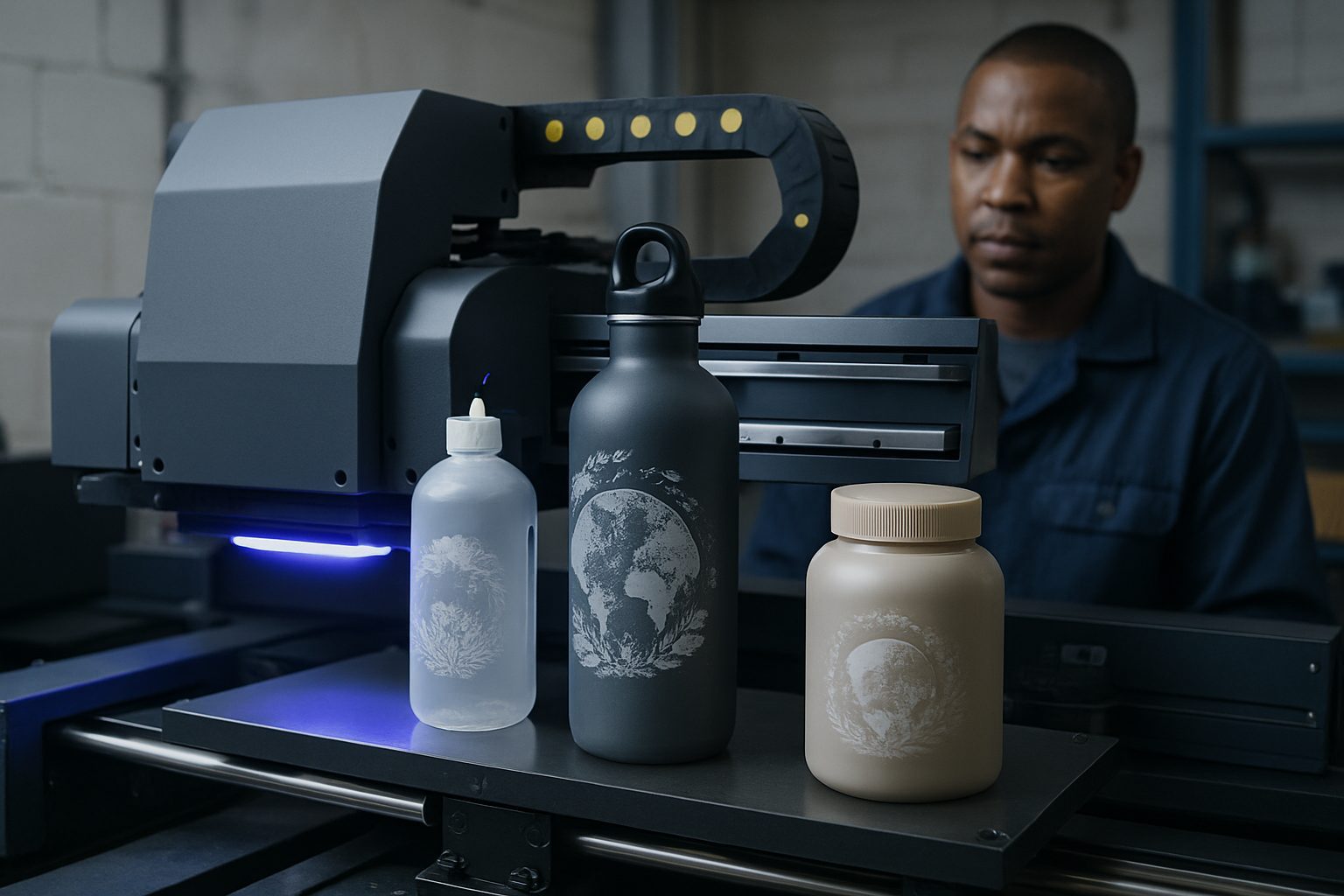
Climate shifts ink

Johannesburg mornings differ from Durban afternoons.

Cues on the cart

Operators see viscosity prompts per site.

Log with CureCheck

Ink and cure travel together in the report.
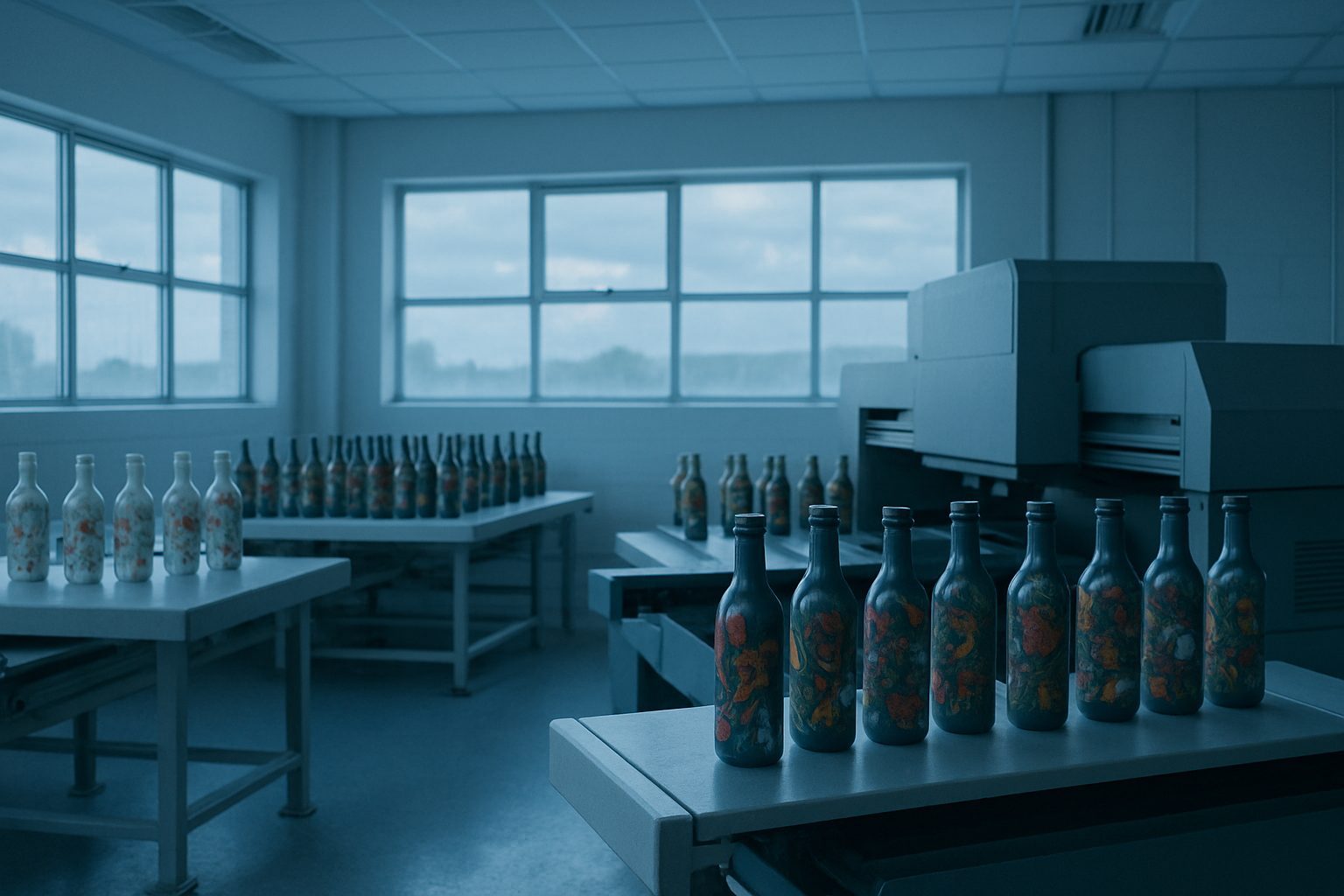
Why viscosity management matters for SA shops

South African weather swings make UV ink behave differently from Pietermaritzburg to Cape Town. If you run a print, bottling, or decoration bay, you have seen ink thicken on dry winter mornings or run thin in Durban’s humidity. Getting viscosity right is not about the brand or label on your ink tin. It is about getting colours that stay sharp and decoration that will not rub off in a Gauteng warehouse or on a windy Port Elizabeth delivery. Every shift, whether you are decorating craft beer, promo bottles, or local skincare lines, needs a way to adjust for what the climate is doing, or you risk rework and extra spend.

Who needs viscosity cues, and who does not

If you are running UV systems on bottles or jars, especially with custom jobs, you need a repeatable way to talk about viscosity with your crew or your service contractor. This is key for teams in variable climates like Bloemfontein or Gqeberha, where weather can swing in hours. Shops with one operator, or those sticking to room-controlled sample runs indoors, might not see as much drift, but any place where the door opens to the outside, or where load-shedding can change the temperature and humidity mid-run, should set up a basic viscosity check routine. Large automated plants with full HVAC sometimes track this with in-line sensors, but most local teams rely on manual checks and clear, shared notes.

A practical order: how we brief and test

We always start a job by listing any constraint first. Is this run time-sensitive? Is the bottle shape odd, or are you stuck with morning-only access? If you do not pin this down before you pick a finish, a fixture, or an ink set, you will burn time and possibly pay for a second visit or a rush fee. We then confirm the brief in one page with the main owner on site, pick the right systems path, and do a walkthrough of the plan with the operator who will be on the floor. After the run, a quick close-out note means the night shift does not need to guess what changed. Most headaches come from skipping these basics.

Worked example: Bloemfontein craft line on a humid week

A crew in Bloemfontein runs a 750ml spirits job during a run of unseasonal mist. The usual ink blend turns stringy as the morning dries out, forcing stoppages and nozzle cleaning. The foreman emails us a one-page brief with photos of the bottle, a simple checklist of power availability (single-phase with load-shedding interruptions), and a close-out note template. We help them set a test window before main production, adjust the ink with a small amount of thinner safe for their system, and advise labelling test bottles. The shift owner records a note: ‘+2 ml thinner after 09:00’; this avoids confusion for the late crew. The next time, they start with the same checklist and a record of what worked.

What to prepare before emailing us

We work fastest when you give us two clear photos (one close-up, one showing the full setup), a one-page brief listing timing and access, and your best statement of the main constraint you are facing. If you have a drawing set or process statement, send that, even if it is not pretty. This helps us match your floor to our own test bay in Jet Park. Mention 'Viscosity cues for SA climate' when you send a message through our contact form for hands-on advice. Pair this note with a review of common use cases or our systems detail notes for more context.

Common pitfalls and how to skip them

The biggest errors are skipping the constraint and not briefing the right person on site. We have seen jobs stall because the daytime operator went home and the night crew got no note on which thinner, if any, was safe. Other pitfalls include over-reliance on memory (noting fix details only in conversation), or trying to use the same ink routine from winter Highveld to coastal Durban. If you are unsure, send your brief through our contact form and we will pull in our Ink & Cure Specialist from the Jet Park sample bay. Check related notes like cure windows that survive transit or white underbase without chalk for more specific tools.

Talk to BottlePrinter Lab

Our contact form · Sunnyrock applications lab