Resource
Use this guide to match your bottle diameter to the right RingGrip or PETClear fixture jaws. Get a jaw fit that suits your South African line, no guesswork.
For a tailored pack, use our contact form.
This fixture jaw guide is written for sign and print rooms, beverage bottlers, and promo lines from Gauteng industrial parks to Cape Town’s backrooms. It helps operators and brand teams select the right jaws for UV decoration on glass or PET, using BottlePrinter Lab’s RingGrip and PETClear fixtures. If you work with short runs or want bottle art that won’t rub off in transit or on shelf, this resource is for you.
We see fit issues most in growing operations where bottle lines change often, florals, kombucha, spirit tasters, or test fills for skincare. Established exporters with fixed shapes may only use this guide for new product lines, not day-to-day runs. If you decorate metal, tubes, or flat stock, this jaw guide won’t apply. For artwork setup and registration, visit the Promo art templates or Sleeve registration notes pages.
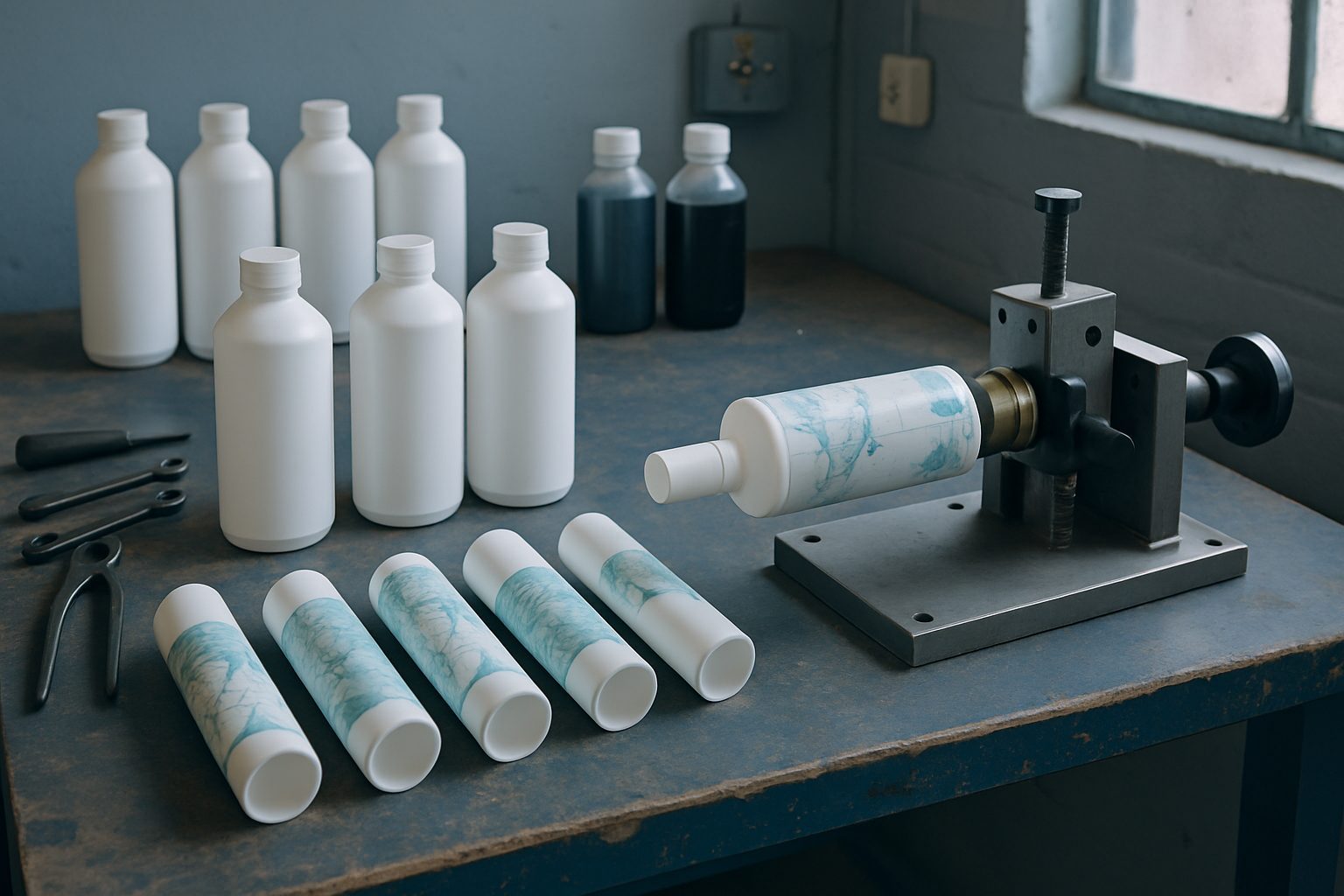
Fixture jaws are the clamp or support that keeps each bottle steady through every pass and cure cycle. In busy rooms, the wrong jaw means wasted time, damaged bottles, skew prints, and annoyed operators. Every RingGrip or PETClear fixture is built for a set diameter, so a snug fit is more than a nice-to-have, it's how you avoid scrap rates creeping up under load-shedding or in a rush.
Most craft beverage and promo lines in South Africa see 3 to 6 main bottle body diameters. This guide helps you pick the matching jaw code from the Catalogue, and spot cases where a custom pack may save you headaches. A quick check against this sheet before your next run means you order the right jaws the first time, not after the damage is done.
Picture a Durban skin serum filler switching from a 36 mm dropper to a 51 mm PET round. Operators check the jaw guide, see that RingGrip RG-36 fits snugly for the dropper and PETClear 50 works for the larger PET. Both jaws get pulled, checked for Highveld dust or nicks, fitted, and tested before loading bottles. This avoids stretching jaws by force or over-tightening clamps, problems that can cost a case or two in misprints. A few minutes with the diameter sheet means the right jaws get locked in, with no guesswork or costly reprints.
It's helpful to keep a simple jaw ID tag system or a wall chart near the fixture bay, so anyone on shift can confirm fit at a glance. Over time, a labelled jaw rack set up in a corner has saved more than one Gauteng bottler from mix-ups, especially when shift changes overlap and busy hands grab the first jaw in reach.
Before reaching out through our contact form for jaw packs or advice, check bottle drawings or measure a sample at the shoulder and body. A phone photo next to a steel ruler is faster than a caliper spec for most of us. Gather any previous jaw codes from past orders. If you are swapping to new suppliers or bottle lines, mention whether the glass or PET is local or imported, it sometimes affects fit.
Custom mixes or tricky bottle shapes (tall spritzers, squat flasks, or with shoulder curves) need a quick sketch or a bottle photo attached to your email. If this is for a new line, mention your curing setup and preferred fixture. For more floor resources, check the MiniLine footprint sheet or GlassGuard care card.
A checklist helps avoid back-and-forth by email.
The main pitfall is using a 'nearly fits' jaw, especially under pressure. It risks smashing glass or ovalising PET, and in worst cases, damage to the fixture itself. Rushing a fit without a check can wreck a full run if the print shifts or bottles spin. We sometimes see operators mixing jaws from different sets after a busy night on the floor, double-check markings before mounting.
Never wedge or tape bottles into a loose grip to save time. If a jaw is stiff or has picked up aluminium or PET shards, clean or replace it immediately. Keep jaws clear of the curing area after a spill or ink dribble, as sticky jaws transfer faults to the next run. Send a message through our contact form for jaw packs, advice, or when new bottle lines are on the cards. For general resources, visit our Resources page.
Our contact form · Sunnyrock applications lab