Finish
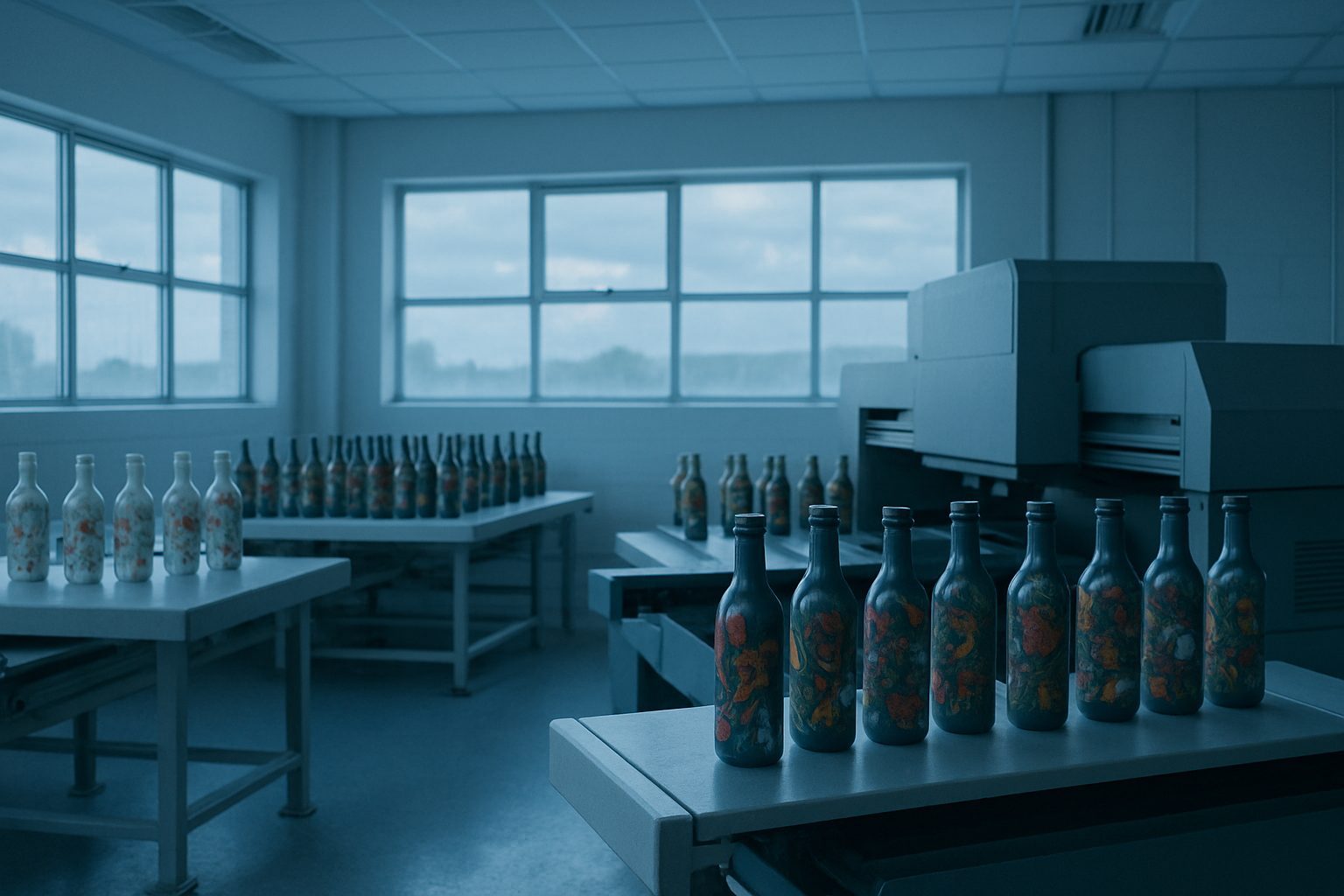
High-gloss varnish gives bottles a wet-look shine and helps labels and graphics survive handling, transit and shelf life, especially where branding needs to stay sharp for photography.
See FAQ and pair with catalogue.
Ask about finishes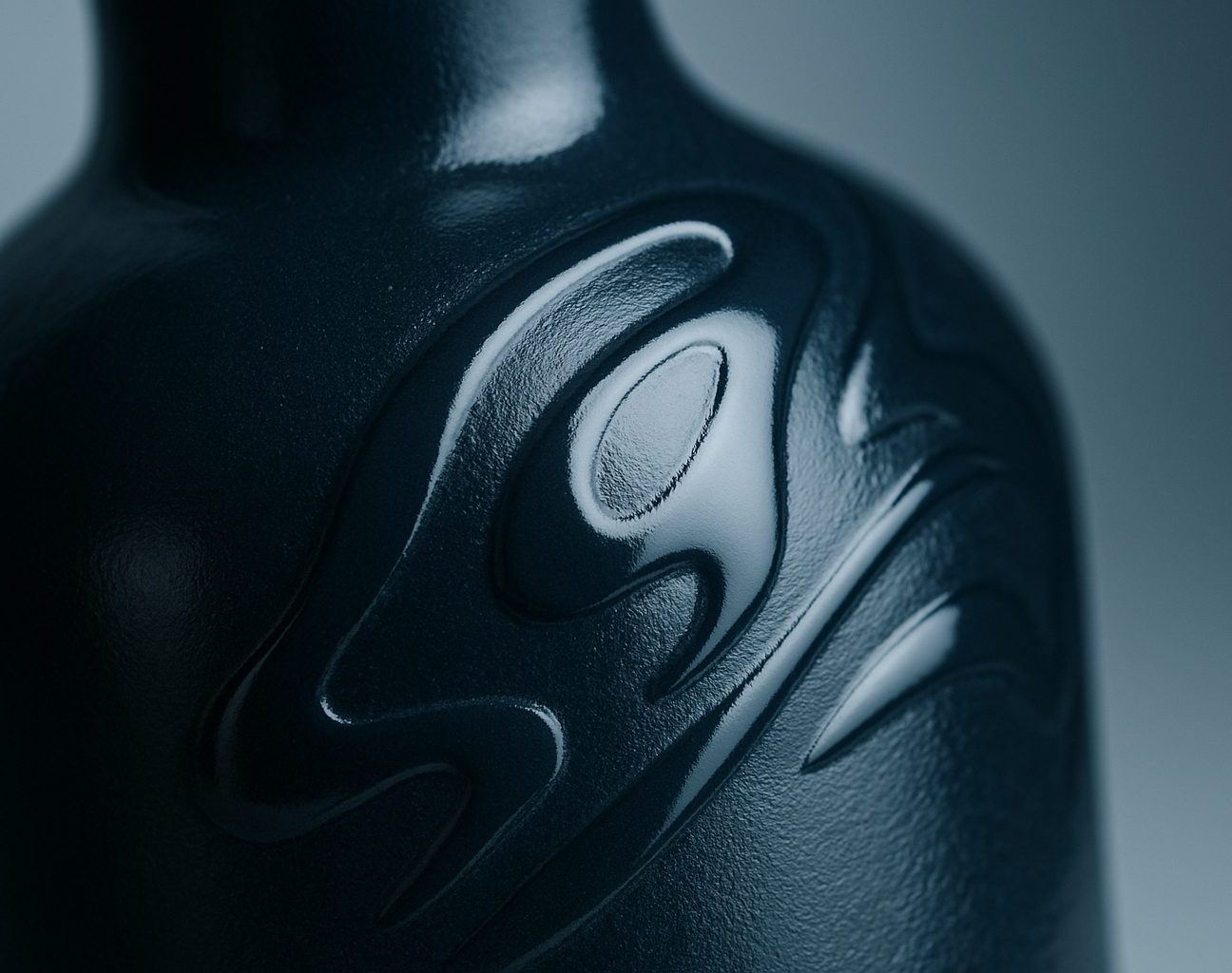
Gloss varnish is a UV-cured, transparent finish applied over printed decoration on bottles. It brings out the colour depth, clarity and contrast in artwork, giving each bottle a wet-look shine that helps brands catch the eye in shelf photos or promo shots. This finish suits craft beverage producers, skincare lines and promotional bottlers who need branding to look its best after filling, shipping and shelf handling. If your bottles are mostly handled in factory rooms, packed into mixed cartons, or jostled on displays, gloss varnish locks in decoration for longer.
Gloss varnish does not suit every job. If you want a low-reflection finish for high-end whisky, a tactile surface for drop testing, or a label area that won’t glare under studio lights, look at our matte panel or soft-touch varnish instead. Gloss varnish is not a scratch-proof or graffiti-proof layer, but it helps prints last through normal commercial handling.
South African bottlers know what can happen from factory to shelf: bottles slide across coldroom racks, ride in trucks across dusty Highveld highways, and sweat in Durban humidity. Bottles decorated with gloss varnish from BottlePrinter Lab hold their colour through these conditions. UV-cured varnish does not soften in 30-degree storerooms or rub off during shelf-stocking at a Polokwane wholesaler. This finish is made to run reliably on bottles from local glassworks and PET lines, with no fuss whether you’re in an industrial park near Germiston or small-batch filling on the Garden Route.
The gloss varnish process follows the main print pass on the bottle. After your artwork is applied (with or without a white underbase), the high-gloss varnish is jetted and UV-cured in line. There’s no downtime for drying, and most batches can be handled off the line for boxing or further finishing without delay. Surfaces come out dry and fully set, even in the face of municipal water oddities or during load-shedding when the inverters flick to backup. Our systems run off stable 230 V supply or three-phase, and can be integrated with other finishes in the same pass.
A Gauteng craft gin producer orders a limited batch of 250 ml clear bottles, aimed at the tourism market. The artwork includes metallic blue and lime green CMYK elements, topped with gloss varnish to make the labels gleam in shelf shots. After printing and varnishing on our UV system, the bottles are packed off the bench and couriered to Bloemfontein. Weeks later, the producer reports back: bottles went from bottling floor, through courier hands, onto bar shelves and into camera lights without smudge or rub-off on the graphics. Orders now arrive for demo packs, with sample programmes available.
We give straight answers on finishes but will ask for details to guide you. Before you send a message through our contact form, get these ready so we can offer informed advice or a sample schedule. This avoids back-and-forth, especially if you are working to a launch date or dealing with complex municipal paperwork.
Gloss varnish lasts best when bottle surfaces are clean, dry and free of coldroom condensation before decoration. Bottles with oil or dust from the mould line can cause crazing or patchy gloss. If you fill first and then decorate, make sure no syrup or essential oil has touched the outer wall. In coastal areas, surface prep must handle humidity, our clear PET primer covers this for PET lines.
It is tempting to skip testing if the artwork looks fine in a digital mock-up. We recommend a physical sample, as metallic or fluorescent inks under gloss can behave differently under supermarket LEDs or in strong midday sun. Bottlers who rush the handover to couriers sometimes forget to separate bottles before the varnish is fully set, causing stuck spots. We cover this in our sample programmes so that new runs are trouble-free.
Verified Google reviews
Our contact form · Sunnyrock applications lab