Mbombela
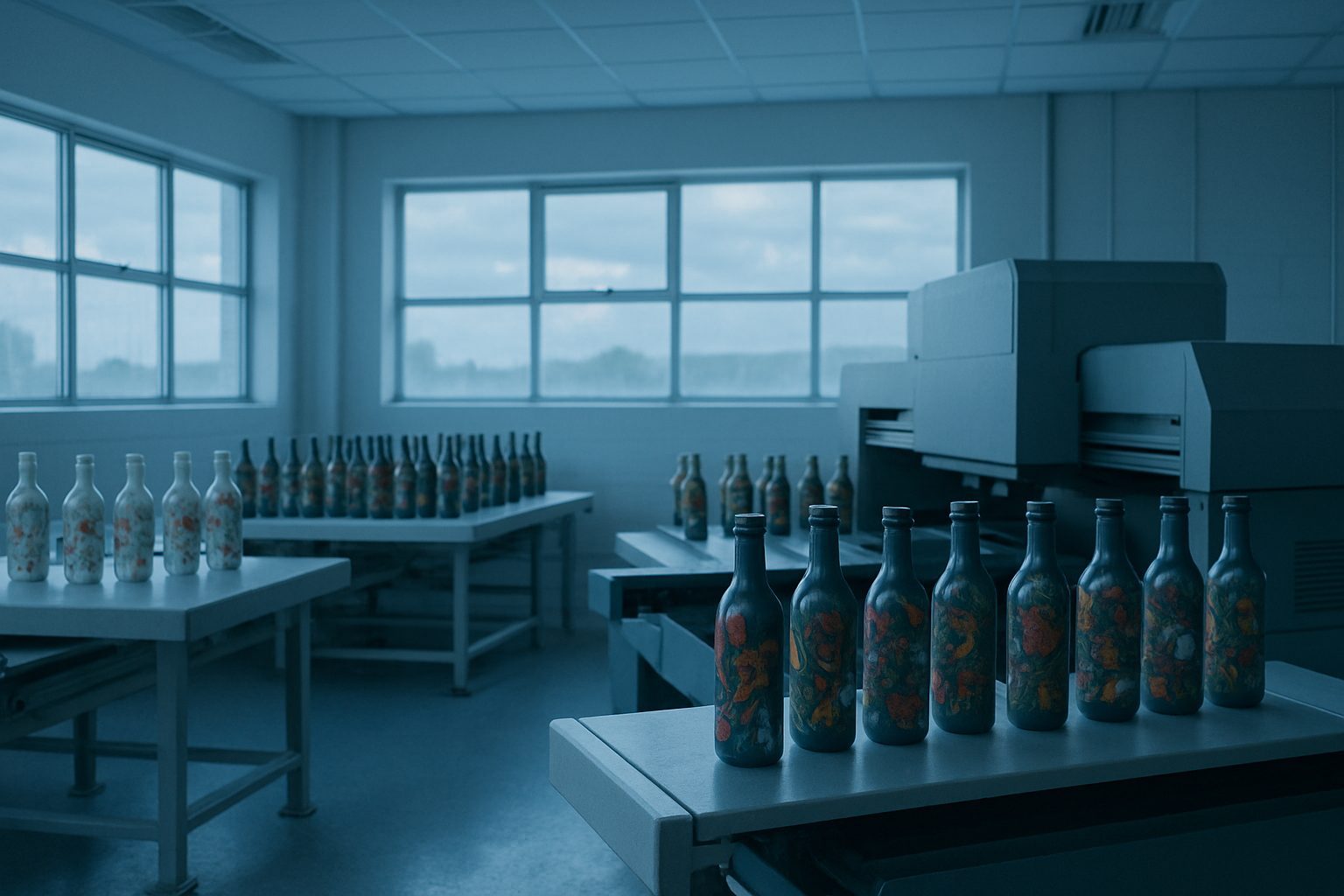
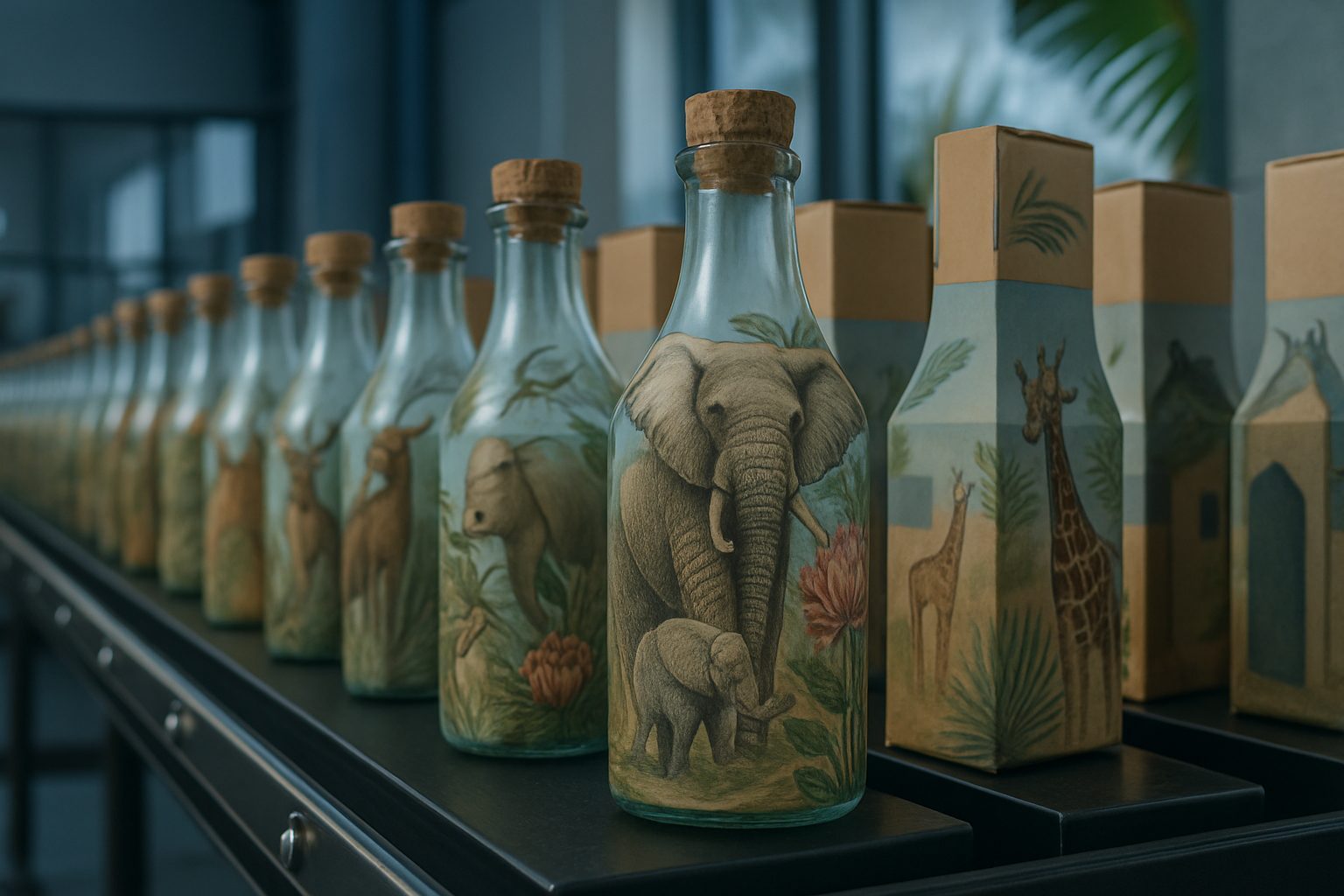
For a lodge in Mbombela, we delivered a short-run of branded amenity bottles with tight handling, clear labelling and a practical system for field handoff. Here’s what actually works for hospitality rolls in the Lowveld and beyond.
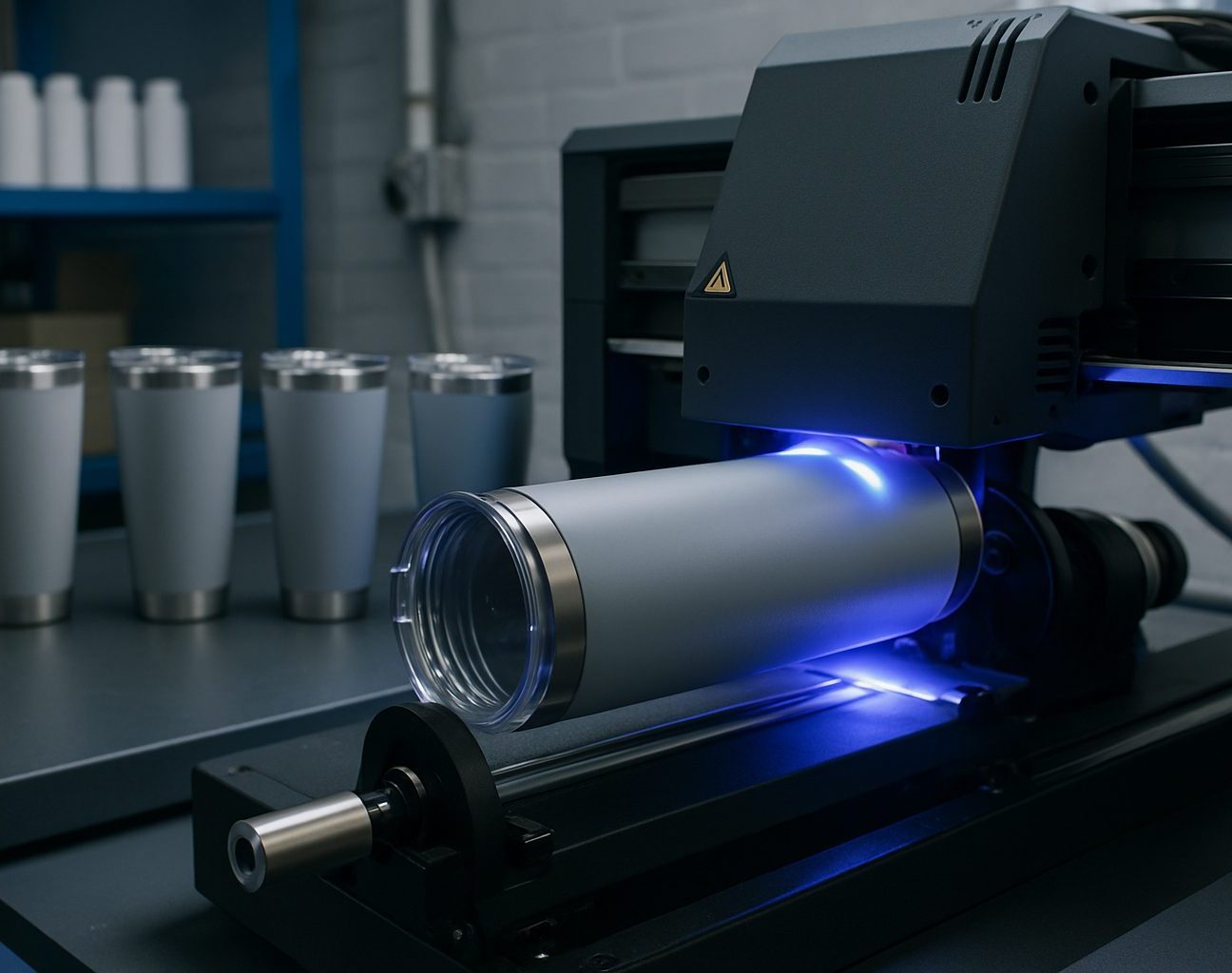
Portable UV decoration kit for event and retail promo bottles with sample-day workflows.
Explore →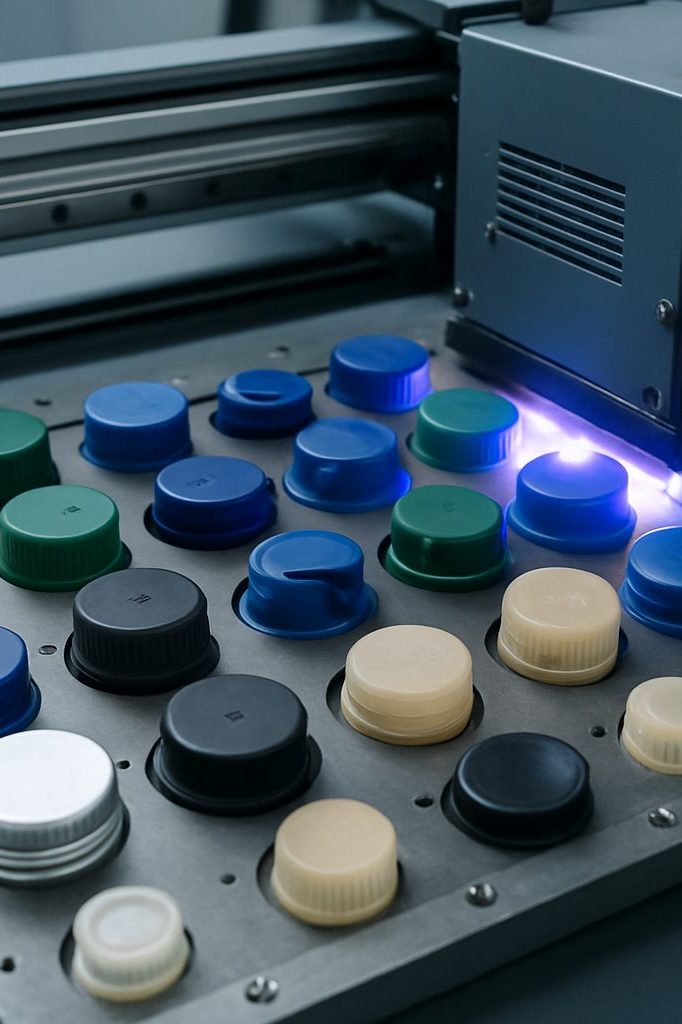
Dedicated closure decoration bench for pumps, caps, and jar lids beside Flat Panel Bench.
Explore →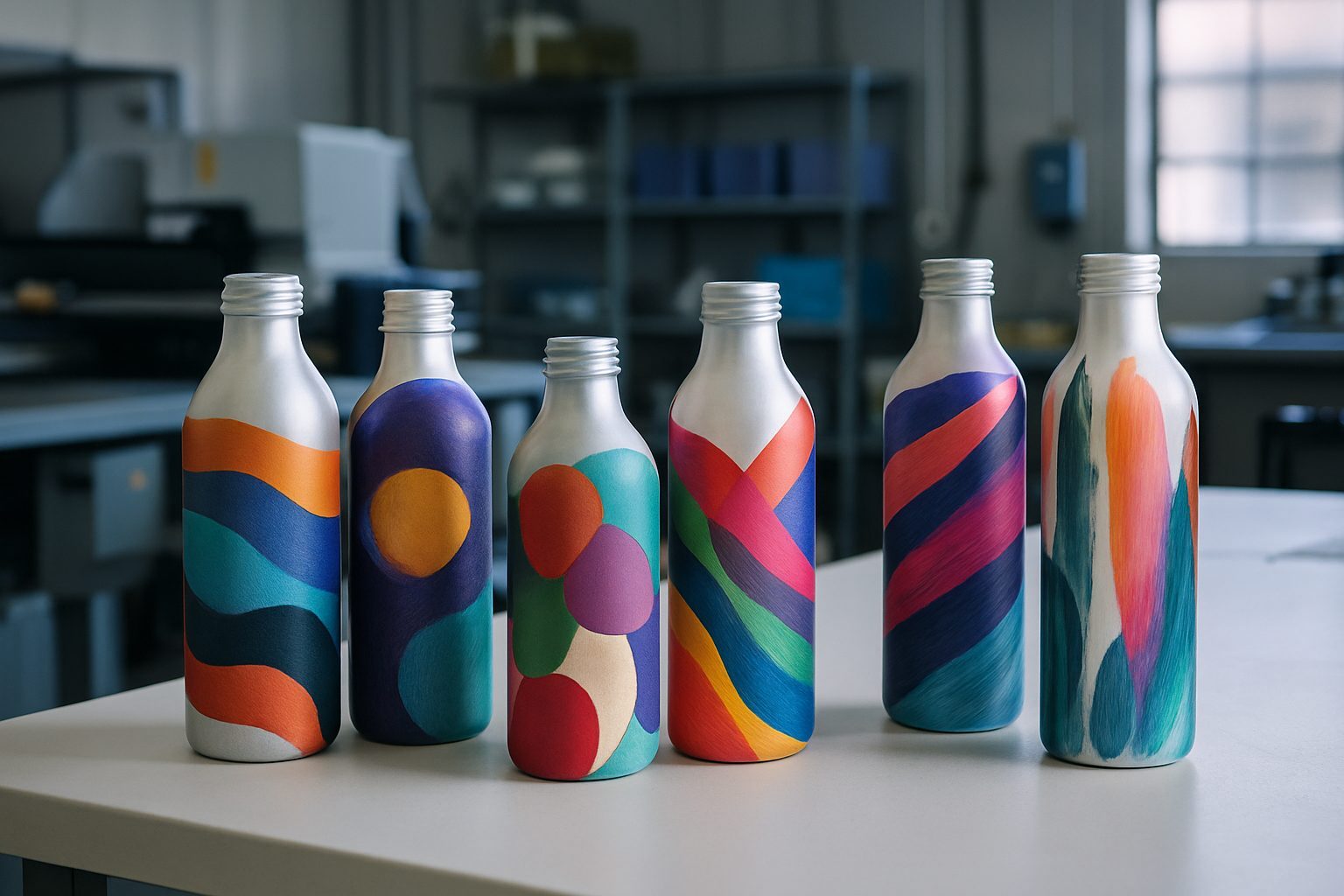
A booked lab day on real PET, glass, or aluminium, artwork, ink, and cure window proven before you commit.
Explore →A hospitality operator near Riverside needed a limited batch of decorated bottles for their lodge amenities. The volume was modest, but the stakes were high: bottles had to look clean on arrival, survive transit from Gauteng in summer heat and Highveld dust, and slot into guest rooms with no extra fuss or repack. The showroom in Riverside gave us the starting brief, but the real constraints came down to access, timing and staff movement on site. With a mix of permanent lodge staff and contracted teams, the system had to be self-explanatory and the kit labelled to the last crate.
This type of kit suits managers who want tidy amenity lines without massive minimum orders or relying on generic labels that fall off mid-season. If your operation is based in a region with tricky logistics or staff rotations, like Mbombela, Polokwane, or Rustenburg, this approach keeps things predictable. It’s not the best fit for chains pushing thousands of units a week, but it is built for lodges, boutique hotels, or wellness centres running specials or quick seasonal updates.
We start by mapping the physical delivery: when crates will arrive, who signs off, and the exact place bottles get handed over. These details matter more in remote or high-traffic setups where another hour’s delay can throw the guest changeover. Every box and file pack gets a proper label, visible even in a dim storeroom. If the lodge uses temp power or shares mains with the kitchen, we ask for that up front to avoid timing mix-ups during handoff.
Before any run, we agree on a strike or handoff window with the owner or the maintenance lead, not just the person placing the order. Once the constraint set is locked (power, people, finish), the right fixture and ink are picked for the local climate, think humidity in the Lowveld or dust in summer. We then run a dry test or do a try-on with a sample kit, if the window allows. This helps spot snags in fit, shelf height, or label durability before the guest sets eyes on the batch.
For this project, we kept the plan short. We labelled every crate and marked each layer so any staff member, even if it’s their first week, could unpack and set up guest amenities. All timing and access notes were agreed before the order left our Germiston workshop. The operator sent photos of the storeroom entrance and the path from delivery to shelf. We set the print run to match their window for staff training, so no kit sat out in the sun. The finish was chosen for hands-on handling, using a UV ink that survives repeat cleaning and local water quality.
The lesson: when sites rely on multiple staff or shared decision-making, getting the constraint set in writing stops expensive surprises. In Rustenburg and similar lodges, we’ve seen optimistic planning fall over when shared power or split handoff windows aren’t spotted early. By flagging those risks on the first call, we keep delivery and setup smooth with no rush fees or drama when peak bookings hit.
Most delays happen when a brief skips the real-world side of the job: who receives, when they’re on site, and what the storage route looks like. Even the slickest moodboard means little if you can’t show us two photos of access and a real timetable. If you’re briefing us for a first run, the essentials are direct and light, no polished packs or CAD needed unless you have them. Every extra detail, like a drawing set or old invoice, just helps us make a sharper plan.
Send a message through our contact form with your photos, a working window, and the name of the decision maker for the signoff. We answer with a practical sequence, not a pitch. If you’re curious about other industries or regions, view related projects like Midrand dairy pilot or Gqeberha juice line for more context.
Across Mbombela, Rustenburg, or even Cape hotels, common traps include overestimating access, assuming perfect power, or timing to an absent decision maker. Shared supply, especially during load-shedding, can stall a handoff unless factored in. That’s why we ask for practical details and work with the people who will live with the job long after signoff.
Our workshop keeps a running fix-list after each job, with dates, key misses and what solved them. We don’t repeat the old errors. This is not a fancy post-mortem, it’s a working memory for the next brief. Your kit should slot into your operation without eating time or racking up extra trips. If you want a similar outline for Stellenbosch or need to compare lodge set-ups across provinces, send a message through our contact form and we’ll reply with a sequence that matches your actual floor.
Verified Google reviews
Our contact form · Sunnyrock applications lab